
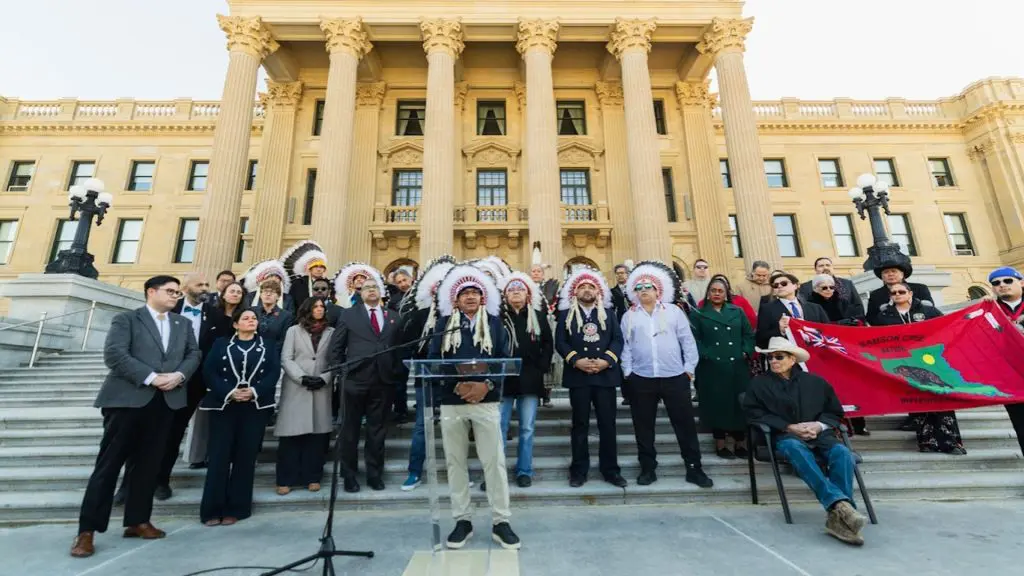
A legal challenge unfolding in Edmonton is putting Alberta’s independence movement under scrutiny, as the Sturgeon Lake Cree Nation asks the Court of King’s Bench to pause a citizen-led petition that could trigger a referendum on separation from Canada.
The First Nation is seeking an emergency injunction to stop the process, arguing that moving toward a vote without addressing Treaty rights would violate constitutional obligations that predate the province itself.
At issue is not just whether a referendum can be held but who has a say in that decision.
The Referendum Push
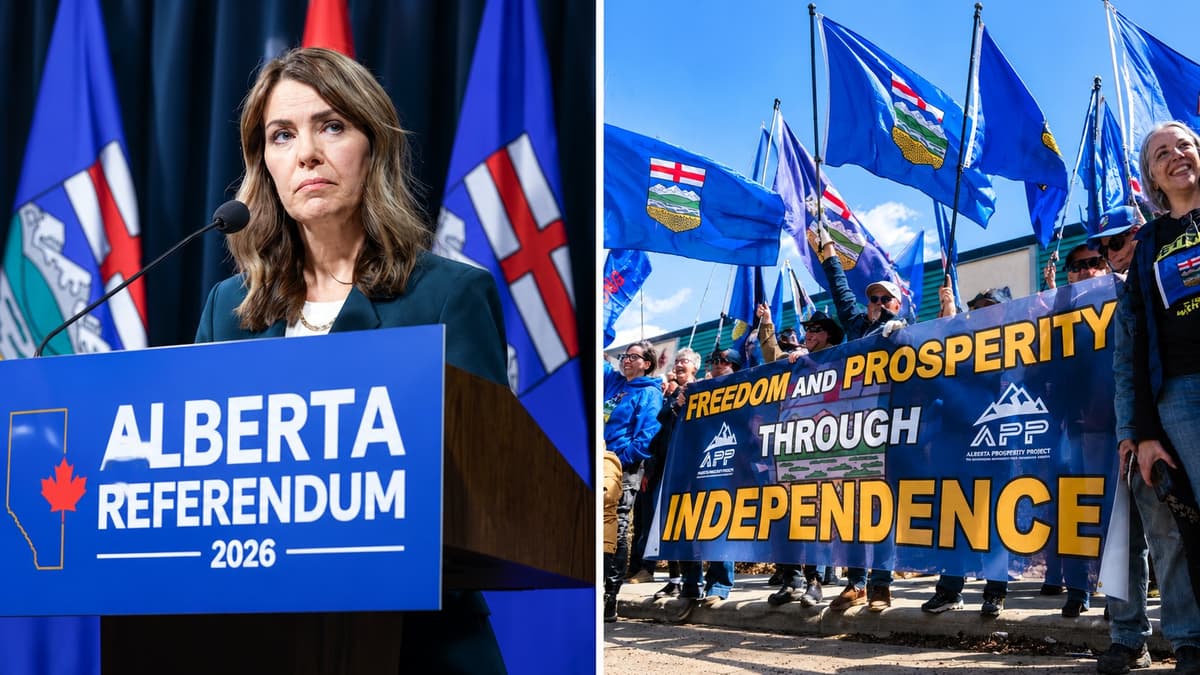
The injunction targets a campaign led by Stay Free Alberta, a group advocating for a province-wide vote on independence. Under Alberta’s citizen initiative rules, a petition must gather signatures from at least 10 per cent of eligible voters roughly 178,000 people within a fixed time period to proceed to a referendum.
Organizers say they have already crossed that threshold, with weeks still remaining before the deadline.
That progress has accelerated legal concerns among Indigenous leaders, who argue that the speed of the campaign risks sidelining Treaty obligations in a process with long-term constitutional consequences.

A Question of Treaty Rights
The Sturgeon Lake Cree Nation’s argument centres on Treaties 6, 7, and 8 agreements signed between First Nations and the Crown in the late 19th century, well before Alberta became a province in 1905.
Their legal position is that these treaties are not symbolic or historical documents, but living agreements that continue to define the relationship between Indigenous nations and the Crown.
Because of that, they argue Alberta cannot unilaterally pursue a path that could alter that relationship.
In its Statement of Claim, the Nation writes:
“Consent, not consultation, is required before the question of secession is delegated from a party to the Treaty to the individuals who have come to inhabit Alberta.”
The filing also references the principle of Free, Prior, and Informed Consent (FPIC) a standard recognized in international law and increasingly referenced in Canadian legal and policy discussions.
The Core Legal Tension
At the heart of the case is a deeper constitutional question.
If Alberta were to pursue separation, it would not simply be a political decision made through a provincial vote. It would affect the Crown’s relationship with Treaty nations, federal jurisdiction, and the legal framework that underpins the country.
The Sturgeon Lake Cree Nation argues that this makes the issue fundamentally different from a standard referendum and one that cannot proceed without their direct consent.
Supporters of the petition, however, frame it differently. They argue that a referendum is a democratic tool meant to gauge public opinion, and that Albertans should have the right to vote on the province’s future.
What Happens Next
For now, the court is being asked to decide a narrower question: whether the petition process should be paused while these legal issues are addressed.
That decision could come quickly, given the urgency of the application and the petition’s ongoing timeline.
Regardless of the outcome, the case is likely to shape how any future independence effort unfolds particularly when it intersects with Treaty rights, constitutional law, and the role of Indigenous nations in decisions that go beyond provincial boundaries.
Source: Canadian Space Agency (CSA) / NASA Mission Control Center (MCC-H) Artemis II Flight Transcript, April 6, 2026.








Comments
Conversation