
Mayor Andrew Knack boarded a flight Saturday as part of an 11-day trade mission to China and Japan, the latest push by Edmonton's civic leadership to pull foreign capital into a city that generates more manufacturing output per capita than anywhere else in Canada.This is Knack's second time in China in 2026. In January he led a three-day mission to Harbin Edmonton's sister city to mark the 40th anniversary of that relationship and promote winter tourism and economic ties. That trip cost the city $4,818.94 in flights, drawn from 2025 mayoral office surplus.
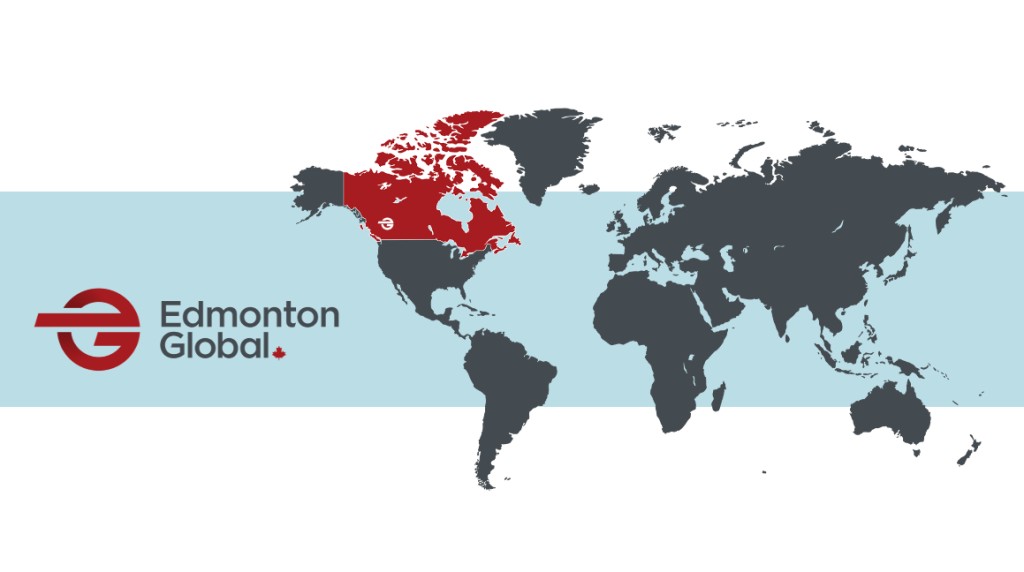
The delegation includes a single office staffer from the Mayor's office, City Manager Eddie Robar, a representative from Edmonton International Airport, and a member of Edmonton Global the regional economic development organization leading the mission. Edmonton Global is covering the cost of the trip, estimated at between $6,000 and $8,000 per person. The group returns to Edmonton on April 15.
Why China, Why Now
The timing is not accidental. In January 2026, Prime Minister Mark Carney made his first official visit to Beijing the first by a Canadian prime minister since 2017 and signed a Canada-China Economic and Trade Cooperation Roadmap committing both countries to rebuilding a trade and investment relationship that had deteriorated badly over the previous several years.
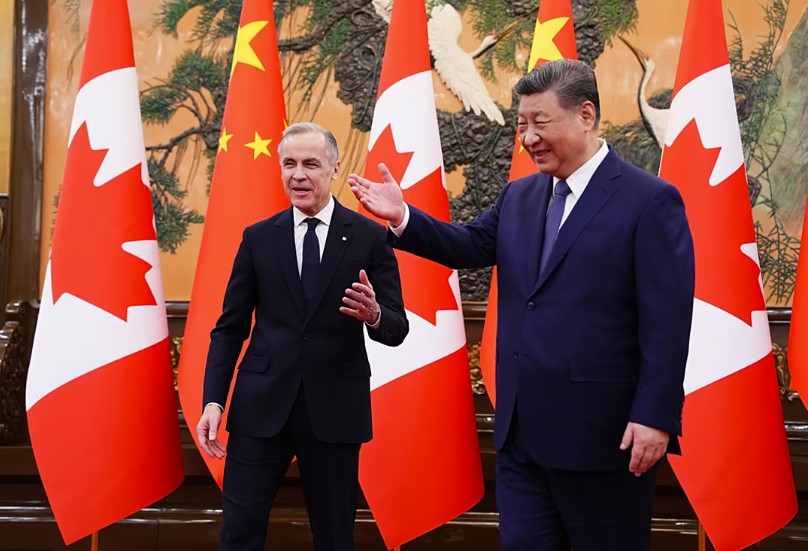
The federal government has since set a target of increasing Canadian exports to China by 50 per cent by 2030. China remains Canada's second-largest single-country merchandise trading partner, with $124.8 billion in two-way trade recorded in 2025.
For Edmonton specifically, that thaw in relations opens a door. The city sits on one of the most significant manufacturing bases in the country, ranked third in total manufacturing sales and first per capita in Canada generating $46 billion in capital last year. Roughly 55 per cent of all manufacturing in Alberta happens within Edmonton's boundaries. The city is also positioning itself as a hydrogen fuel leader, with more than $30 billion in hydrogen-related startups expected to be operational by 2030.
Those are exactly the sectors advanced manufacturing, clean energy, agri-food that the Canada-China roadmap specifically identified as priorities for bilateral investment.
Where They're Going
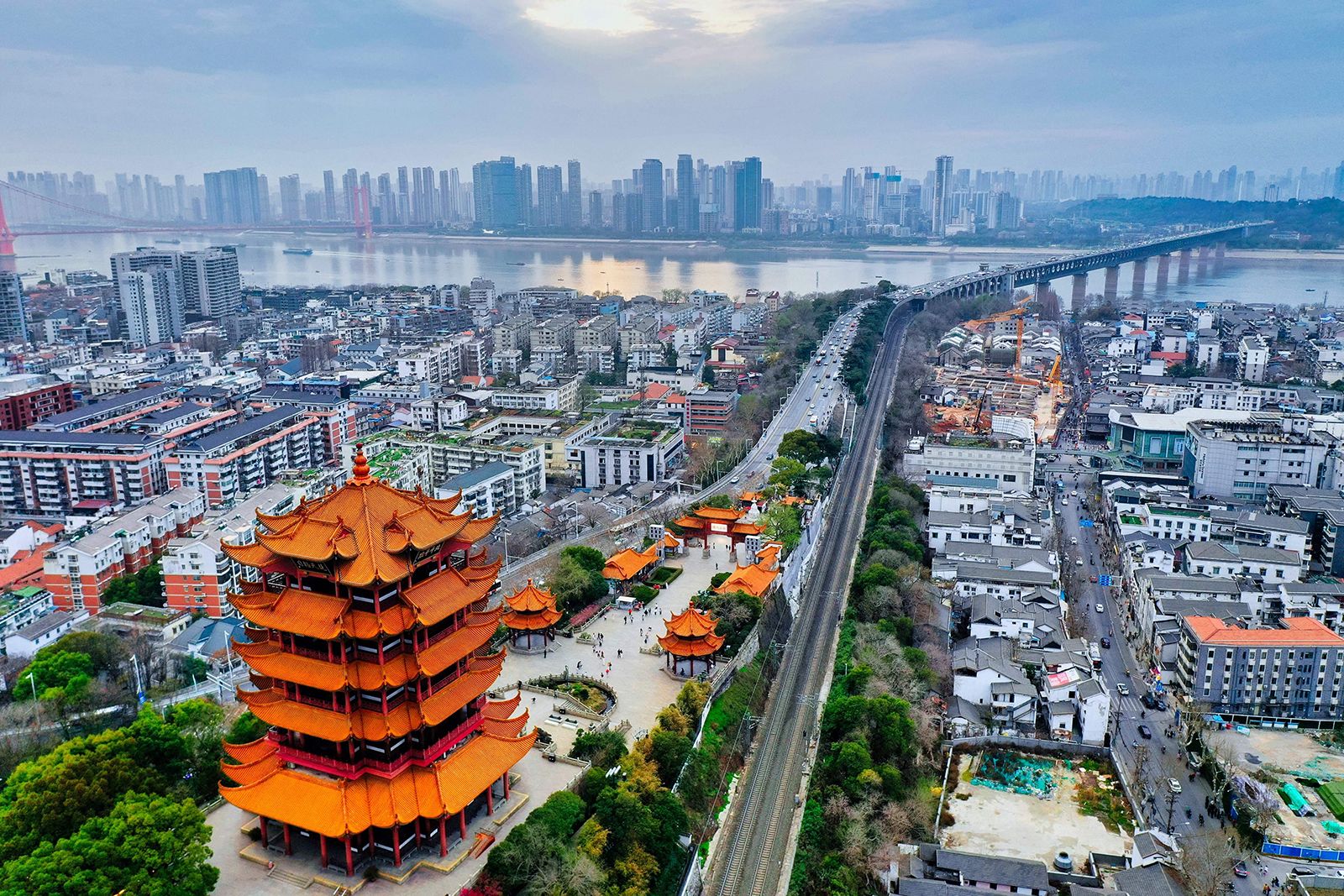
The itinerary covers four cities across two countries. The delegation first lands in Beijing, where meetings are planned with leaders in the agri-food sector. From there they travel to Tianjin to tour a clean energy facility and an advanced manufacturing plant, and meet with cargo and logistics organizations. The next stop is Wuhan, where the group will meet with the China Carbon Emission Exchange a significant stop given Edmonton's hydrogen and clean energy ambitions.
The final leg takes the delegation to Tokyo, where they will tour advanced manufacturing facilities and hold meetings with Japanese government officials before flying back to Edmonton.
What Edmonton Is Selling
Knack was direct about what the mission is trying to accomplish. "This is important to have both the political and the senior leadership there to be able to answer questions and make sure we're providing the right support," he said. "If we have businesses looking to set up in Edmonton, they want to make sure they understand what's the permitting process like, how is that going to go? What supports can we offer to make sure they can set up their business as quickly as possible and start operating?"
The delegation will be promoting Edmonton's industrial growth hub, its research infrastructure, its construction economy and its young, educated workforce.
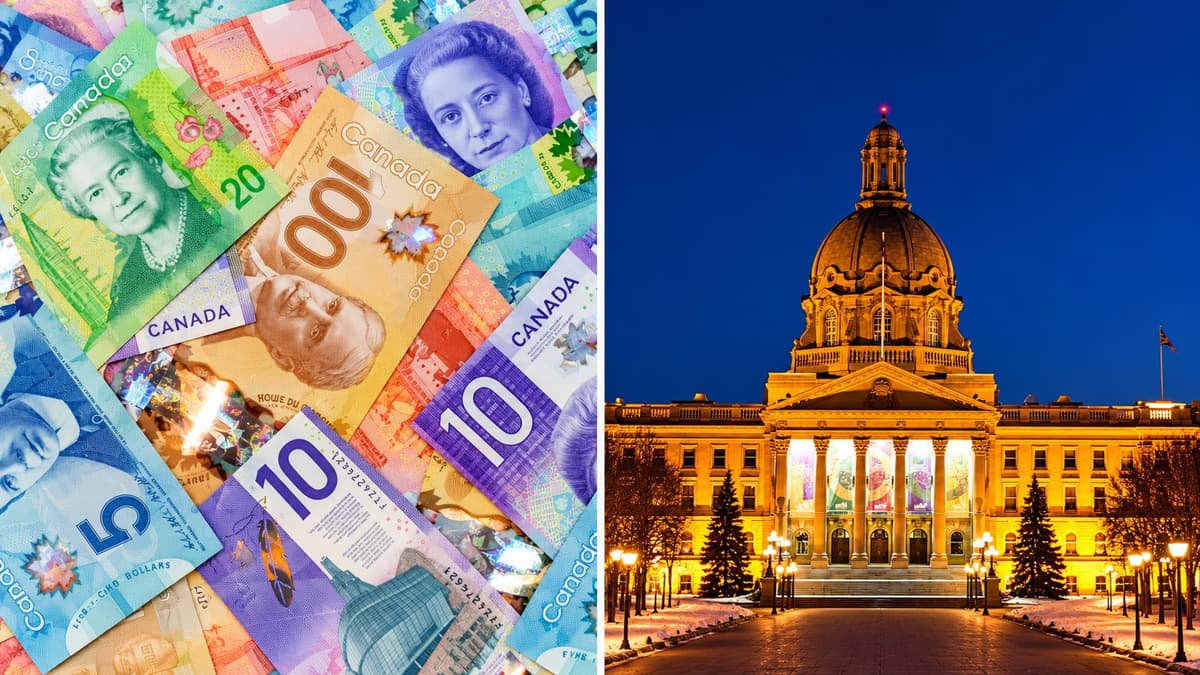
Edmonton Global CEO Daryn Edgar put a number on what a successful mission could deliver up to $2 billion in capital investment, 300 to 400 permanent jobs, and more than 1,000 additional jobs across construction and related sectors.
Edmonton Global's strategic communications director Sherri Bouslama said the Mayor's presence matters beyond optics. "These missions are focused on long-term economic outcomes attracting investment, supporting local businesses, and building relationships that lead to jobs and diversification," she said.





Comments
Conversation