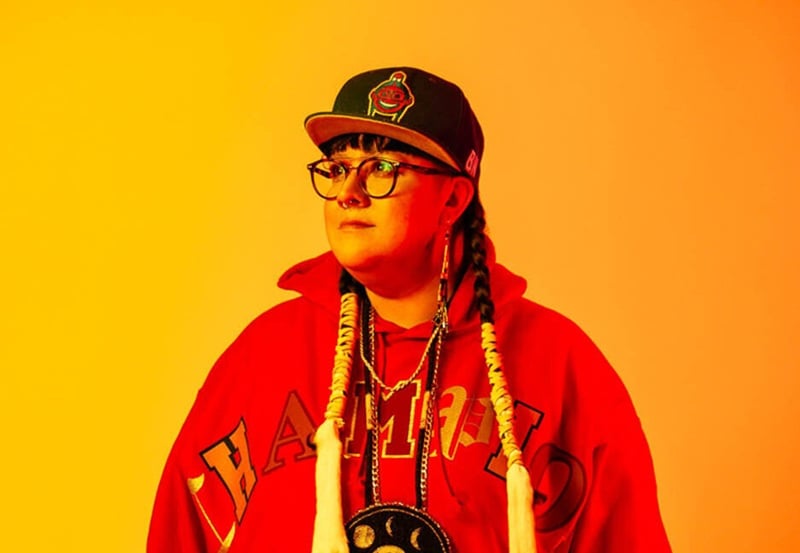
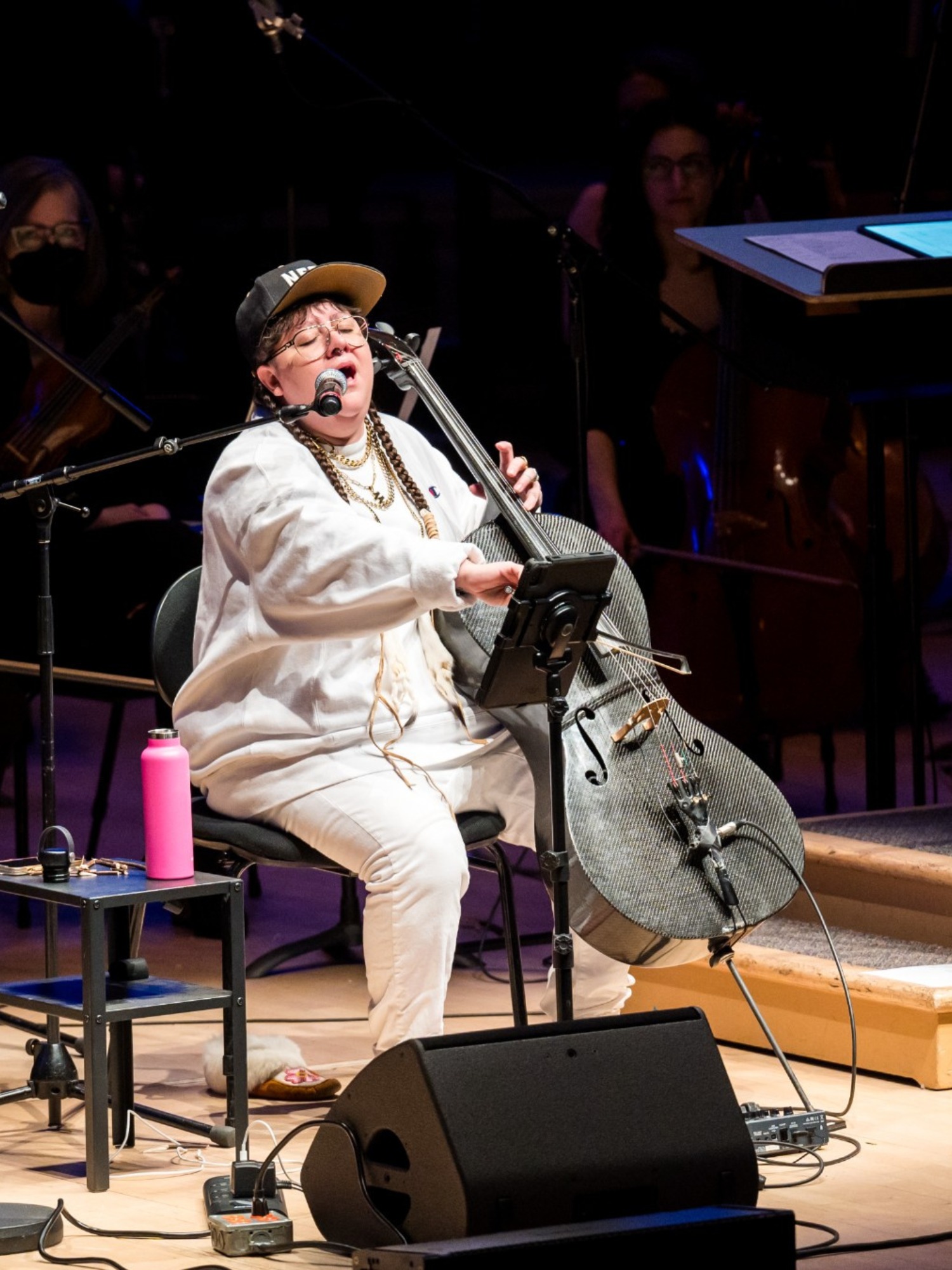
Cris Derksen never made the cello sound like it belonged in only one place.
In their hands, it could move from a concert hall to a powwow circle, from an electronic loop to a theatre stage, from northern Alberta to some of the country’s biggest performance spaces. That was the point. Derksen’s music did not fit neatly into one category, and neither did the career they built around it.
The Juno-nominated Cree-Mennonite cellist and composer has died following a car accident, according to AIM Booking Agency, which represented Derksen. They were 45. For Alberta, the loss is close to home. Derksen’s official biography says they hailed from Treaty 8 territory in northern Alberta, with a family line connected to North Tallcree Reserve on their father’s side and Mennonite homesteaders on their mother’s side.
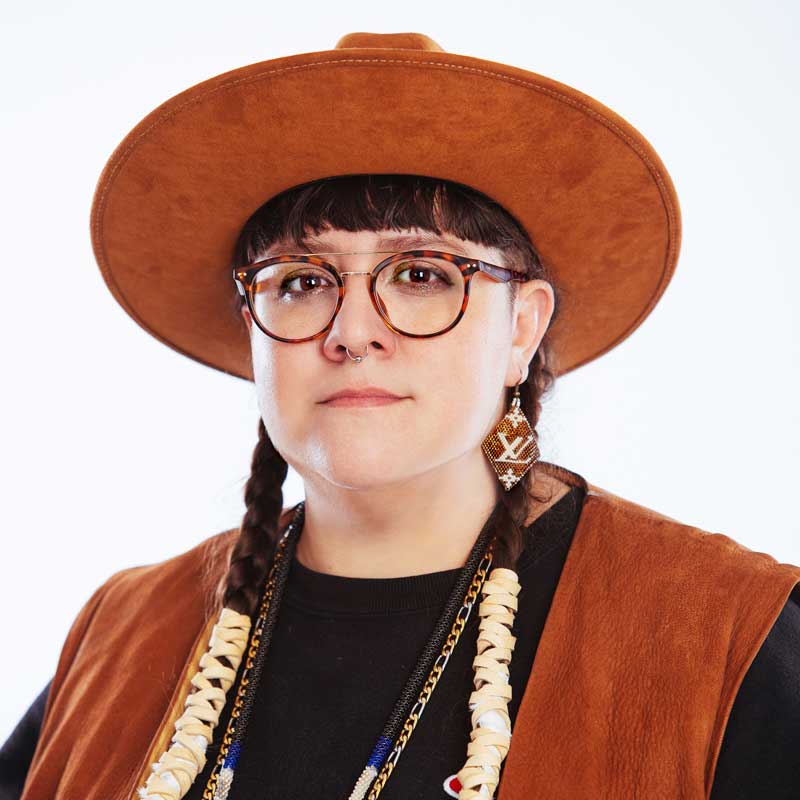
A Northern Alberta Artist With A National Sound
Derksen became known for a sound that pulled classical music out of its usual frame.
Their work blended cello, Indigenous music, powwow influence, electronics, theatre, and orchestral writing. It was serious without being stiff. Experimental without being cold. Rooted without being trapped in the past. That made Derksen stand out in a classical world that often moves slowly and labels people quickly.
They performed and composed across Canada and internationally, working with major arts organizations, orchestras, festivals, and stage productions. Their music reached people who may never have thought of themselves as classical music fans. Part of that came from the sound itself. Part of it came from Derksen’s presence an artist who could move between worlds without sanding down where they came from.
Why Cris Derksen Mattered
Derksen was not only performing on stages. They were helping change who those stages were built for. They founded the Indigenous Classical Gathering at the Banff Centre, served as Artistic Advisor for the Calgary Philharmonic Orchestra, and chaired the Equity Committee for Orchestras Canada.
Those roles say a lot about the kind of artist Derksen was. The work was not just about composing pieces and playing shows. It was also about opening doors, building space, and making sure Indigenous artists were not treated as side notes in Canadian classical music. That is why the reaction to Derksen’s death has stretched far beyond one music scene.
The loss is being felt by classical musicians, Indigenous artists, orchestras, collaborators, students, and audiences who saw Derksen make the cello feel alive in a different way.
A Legacy That Started In Alberta
Derksen’s story carried Alberta with it.
Treaty 8, North Tallcree, Edmonton, Banff, Calgary these were not background details. They were part of the path that shaped the artist Canada came to know.
And that is what makes the loss feel especially heavy here. Alberta did not just lose someone with a connection to the province. It lost one of its most distinctive creative exports an artist who took a northern Alberta story and turned it into music that travelled much farther than most people ever do.
Derksen’s work will keep moving through concert halls, recordings, classrooms, and the artists they helped make room for.
The final note came too soon. The sound they built will not.
Sources:
Cris Derksen official biography.
AIM Booking Agency announcement.
Calgary Philharmonic Orchestra biography






Comments
Conversation