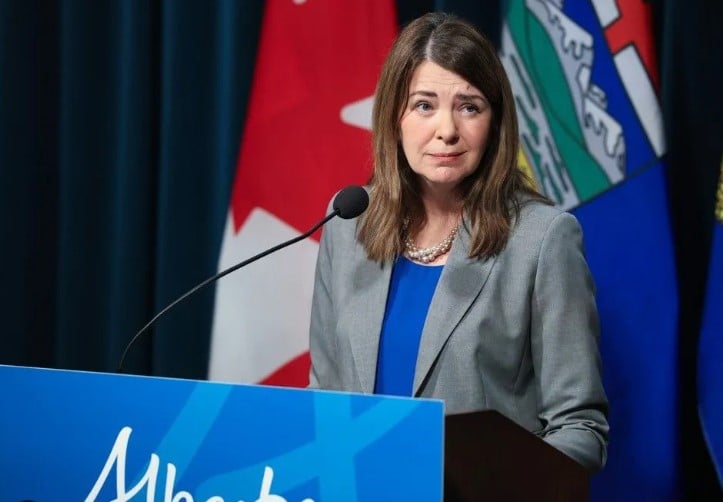
What She Actually Announced
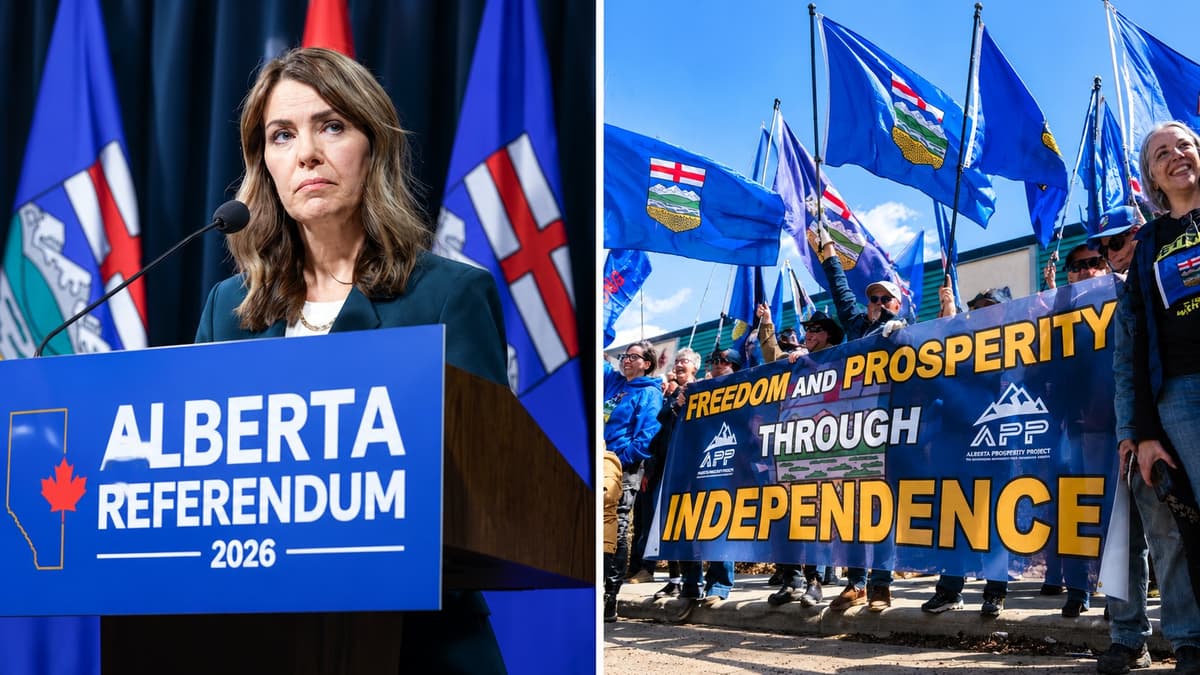
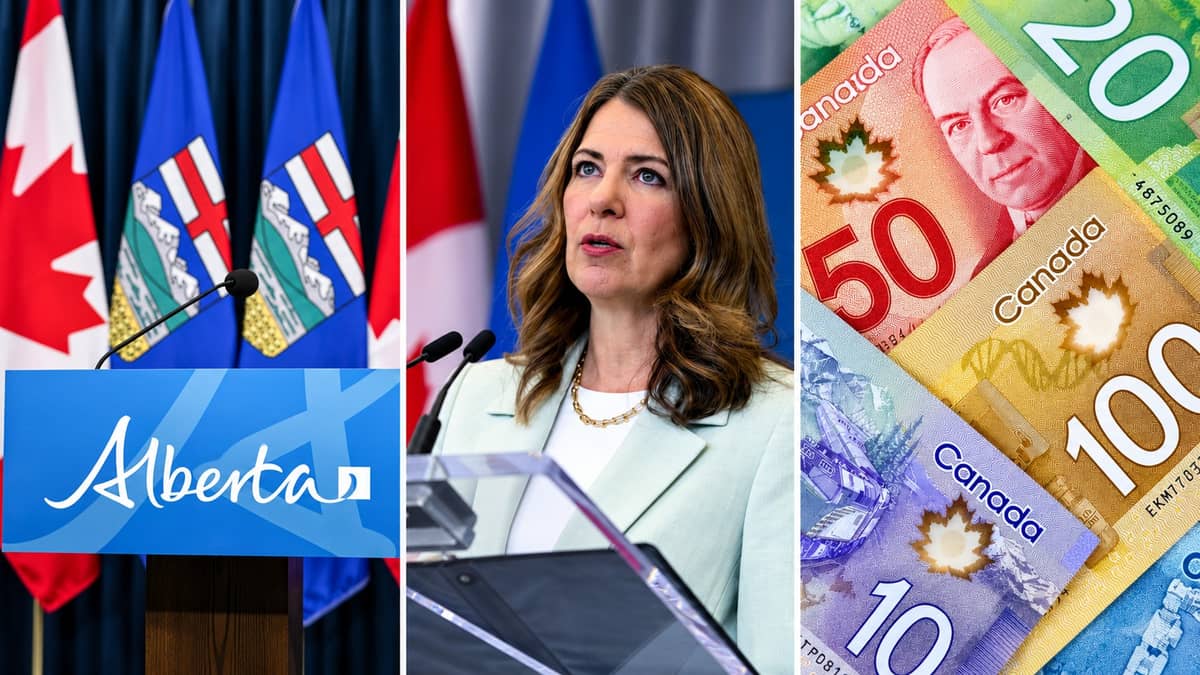
In a 13-minute televised address, Smith outlined nine referendum questions covering two areas: immigration control and constitutional amendments.
On immigration, Albertans would vote on whether they support giving Alberta more control over who comes to the province, limiting access to provincially-funded health, education and social services to citizens and permanent residents, requiring non-permanent residents to live in Alberta for 12 months before accessing provincial programs, charging non-permanent residents a fee to access health care and education, and requiring proof of citizenship to vote in provincial elections.
On the constitutional side, Smith wants Albertans to weigh in on amendments that would let provinces select their own judges, abolish the Senate, and give provincial laws priority over conflicting federal legislation.
The referendum date lands one week after Finance Minister Nate Horner tables what's expected to be a multibillion-dollar deficit budget on February 26.
The Blame Game
Smith was direct about who she holds responsible for Alberta's fiscal challenges: former Prime Minister Justin Trudeau.
She pointed to rapid population growth Alberta added nearly 600,000 people over five years to surpass five million as straining hospitals, classrooms and social services. Combined with falling oil prices eating into provincial royalty revenues, Smith framed immigration as the province's central financial problem.
But experts aren't convinced the math adds up.
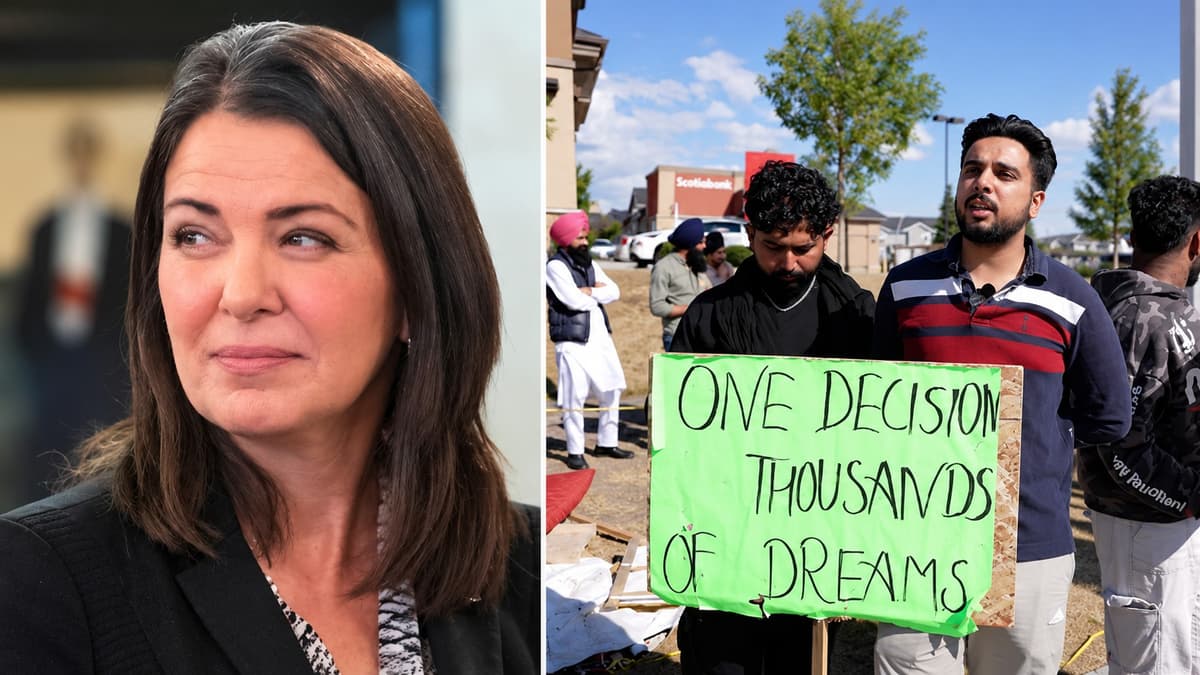
Calgary immigration consultant Daniel Briere has publicly questioned whether temporary workers actually strain government resources, arguing that most arrive to work, pay taxes, and contribute to the system like any other resident. He has called for evidence of how significant the problem actually is before sweeping policy changes are made.
University of Alberta associate law professor Gerard Kennedy, who specializes in constitutional issues, has noted that even if Albertans vote yes, the federal government has no legal obligation to act. Some of Smith's proposed constitutional amendments would require agreement from seven provinces representing at least 50 per cent of Canada's population. Abolishing the Senate would need unanimous consent from every province.
In other words, the referendum may be more political signal than practical policy.

The Inconvenient Flip
Here's where things get interesting.
Just a few years ago, Smith's own government was running the "Alberta is Calling" campaign an aggressive push to recruit workers from across Canada and internationally, marketing the province as a land of opportunity, lower taxes and affordable living. The campaign ran through 2022 and 2023, actively encouraging people to move to Alberta.
Now, Smith is standing at a podium blaming rapid population growth for straining Alberta's services the very growth her government celebrated and encouraged not long ago.
She made no mention of "Alberta is Calling" in Thursday's address.

An ATB Financial analysis also found that Alberta's population surge is driven significantly by interprovincial migration Canadians from other provinces moving for jobs and housing not solely international immigration. That nuance was notably absent from Smith's remarks.
What Happens Next
Alberta NDP deputy leader Rakhi Pancholi called the address a distraction, arguing Alberta's education system is the lowest-funded per student in the country and that health care remains in crisis problems she attributes to UCP mismanagement rather than immigration.
Smith has a news conference in Calgary on Friday where reporters will finally get the chance to ask the questions Thursday's televised address didn't allow.
Budget 2026 drops February 26. Albertans will have a lot to digest between now and October 19.




Comments
Conversation