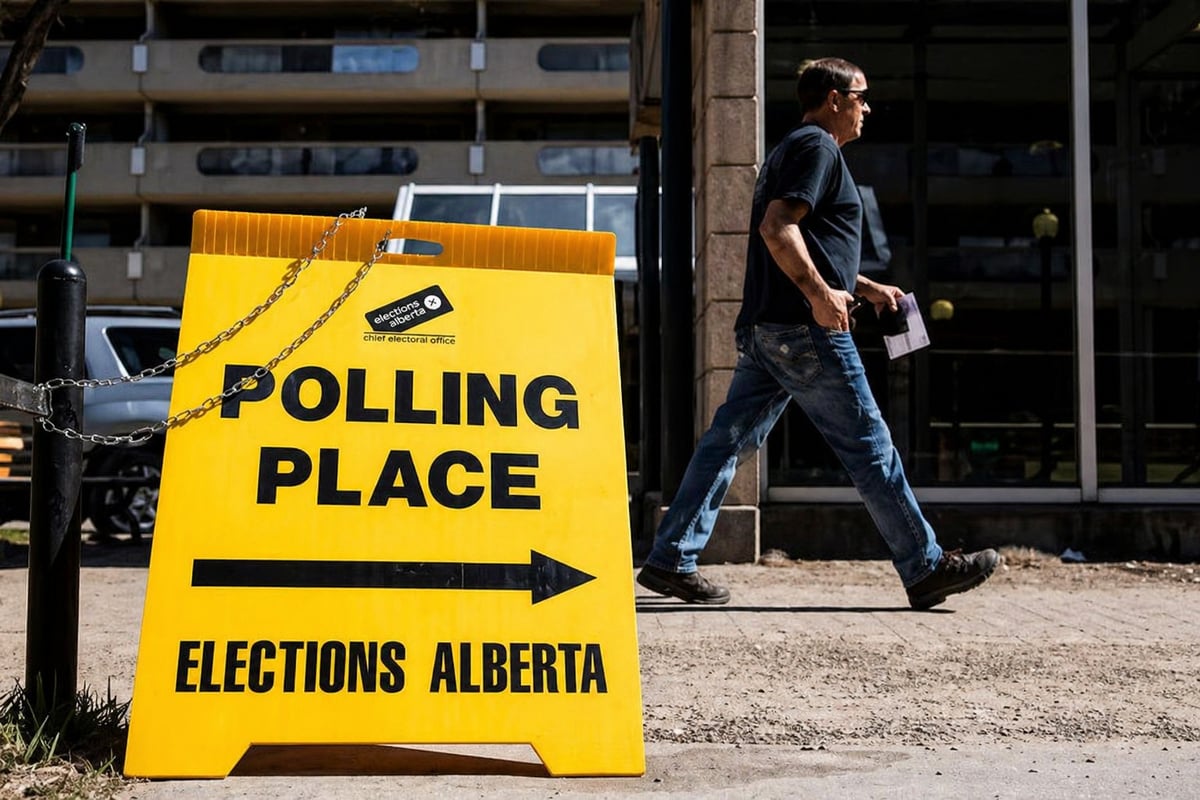
If you’re an Alberta voter, your personal information may have just been exposed and it didn’t happen through a cyberattack.
Elections Alberta says a major privacy breach involving the province’s official List of Electors appears to have happened after a registered political party shared its copy of the list with an unauthorized third party. The result was a searchable database containing information tied to millions of Albertans.
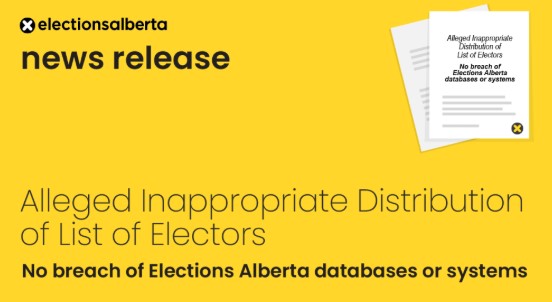
The agency confirmed its own internal systems were not hacked. Instead, the issue stems from how a legally distributed copy of the elector list was handled after it left Elections Alberta’s control. The leaked data includes voters’ names, home addresses, postal codes, phone numbers, and voting area information.
Calls for accountability
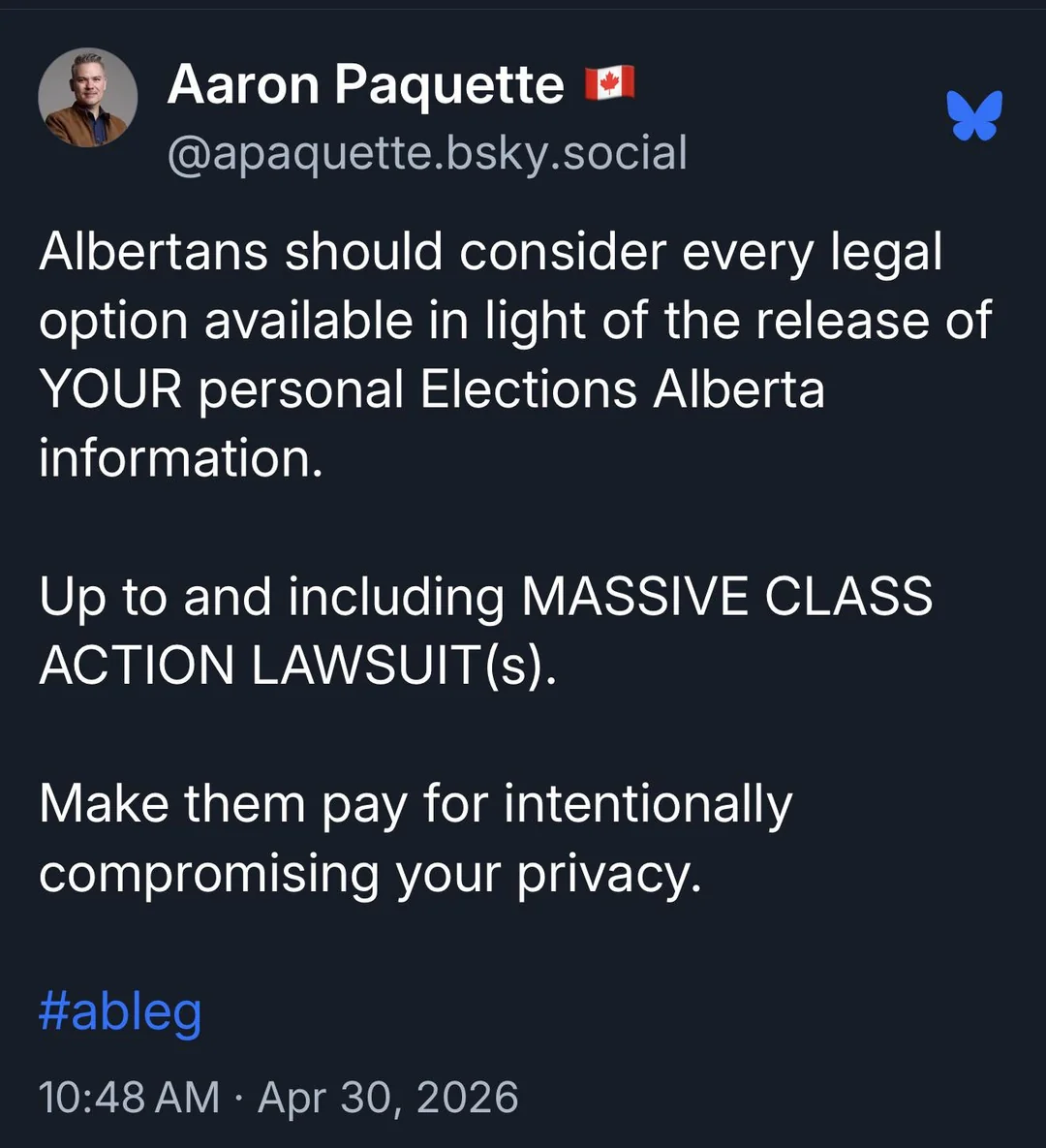
The breach immediately triggered concerns about privacy, political data use, and the consequences of breaking election laws. Edmonton City Councillor Aaron Paquette took to social media to urge Albertans to explore legal action against whoever is responsible, writing: "Up to and including MASSIVE CLASS ACTION LAWSUIT(s). Make them pay for intentionally compromising your privacy."
The bigger issue is trust. Voters provide this information as part of the democratic process, not with the expectation that it could end up in the hands of outside groups for unrelated political organizing.
Who leaked it and where it went
Under Alberta’s Election Act, registered political parties, MLAs, and candidates can legally receive copies of the List of Electors. But that access comes with strict limits. The information can only be used for approved electoral purposes, and recipients are required to safeguard it.
According to court proceedings on Thursday morning, Elections Alberta believes the data originated from the Republican Party of Alberta. The leaked information ended up with the Centurion Project, a separatist organizing effort led by political organizer David Parker.
The separatist group allegedly used the information to build an app that allowed users to search voters by name, address, riding, and polling subdivision. The reported goal was to identify and recruit Albertans ahead of a potential separation referendum. How the separatist group acquired the Republican Party's data is still the center of the investigation. During the hearing, Elections Alberta’s lawyer stated they are trying to determine whether the data was deliberately handed over, or if "the list was left out on a desk and somebody picked it up."
That app has since gone offline. On Wednesday night, Edmonton Police attended a Centurion Project meeting to serve Parker with an interim court injunction. The order forced the database down and temporarily bars further sharing of the elector list.
Why investigators can trace it
This is not the kind of leak that disappears into the internet without a trail. Elections Alberta says each copy of the List of Electors distributed to authorized recipients contains unique security features. In short: they have the digital fingerprints to trace exactly where it came from.
That matters because the database reportedly mirrored Alberta’s official voter list closely enough to raise immediate red flags. Reports indicate the exposed records covered nearly three million Albertans and lined up perfectly with the province’s most recent elector count. Elections Alberta is now working with the Office of the Information and Privacy Commissioner of Alberta to investigate the leak and contain the fallout.
What the law says
Alberta law is clear: the List of Electors is not public-use data. It can only be accessed by specific authorized groups for purposes laid out in the Election Act. Third-party organizations are strictly prohibited from receiving or using it. Anyone found improperly sharing or misusing the list could face serious penalties, including up to a $10,000 fine and jail time. Beyond that, a civil case brought by affected voters could create massive financial and legal consequences for the offending party.
What happens next
For now, the immediate focus is on identifying exactly how the data moved from an authorized political party to an outside organization, how widely it spread, and whether any copies are still circulating. For Alberta voters, the breach raises a bigger question about how securely political parties are handling the personal information they are legally trusted to receive. Even if Elections Alberta’s own systems were secure, the damage may already be done.
Primary Source: * Alleged Inappropriate Distribution of List of Electors — Official Statement from Elections Alberta (April 30, 2026)





Comments
Conversation