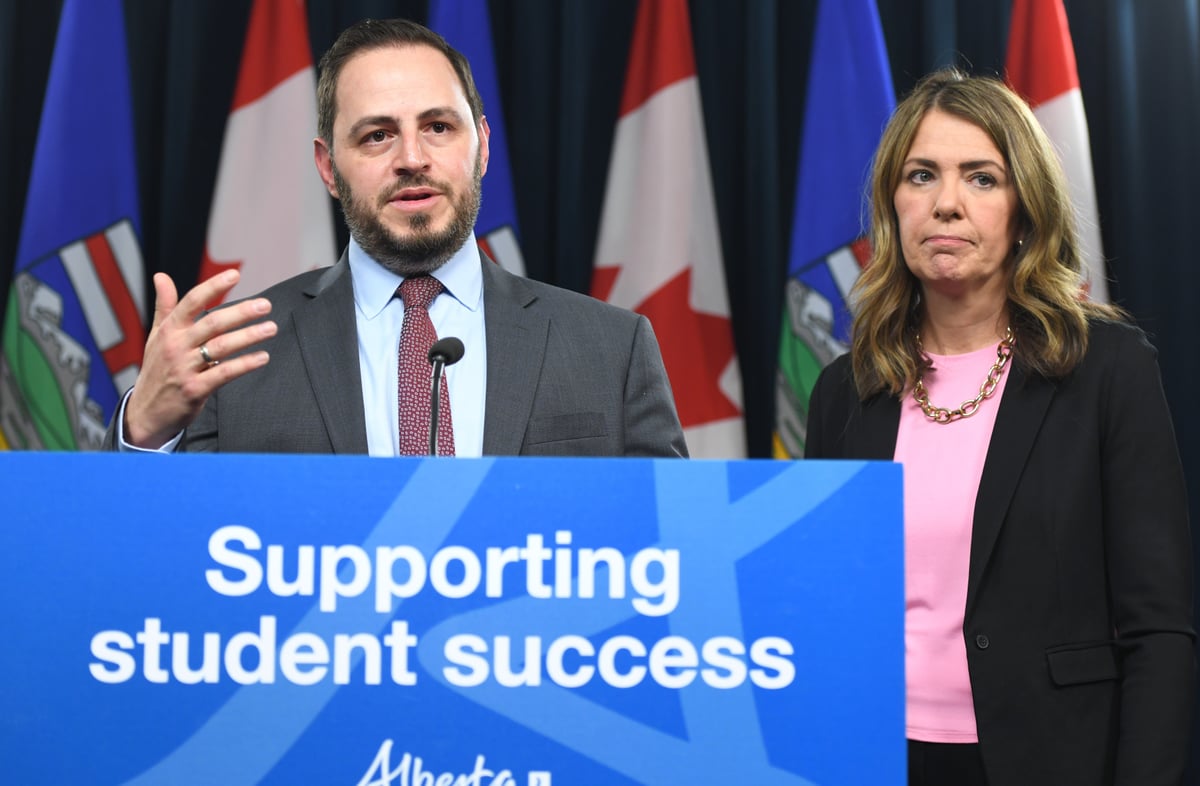
The Alberta government announced this week it is creating four new expedited teaching certificates, giving people who have not yet completed a full teacher training program a faster route into classrooms. The move is designed to address a growing shortage of teachers across the province one that has been building for years and came into sharp relief during last fall's province-wide strike.
Applications open June 1, 2026 for the 2026-27 school year.
Why This Is Happening
Alberta's classrooms have absorbed 80,000 new students in just three years. That kind of growth puts immediate pressure on school boards more students means more teachers, more support staff, and more complex classrooms. It also means more strain on existing educators trying to keep class sizes manageable.
Budget 2026 includes a record $10.8 billion investment in education, supporting the hiring of more than 1,600 teachers and more than 800 support staff in the coming school year. The expedited certificates are part of that broader push to get qualified people in front of students faster.

The Four New Pathways
Final-year bachelor of education students in Alberta will be eligible to teach K-12 under a Developmental Teacher Certificate. Rather than waiting until graduation to enter a classroom, students in their final year can start gaining real experience while completing their degree.
Internationally trained teachers who meet Alberta's coursework requirements and Canadian residency requirements will be eligible to teach K-12 under a Conditional Teacher Certificate. Approximately 800 out-of-province teachers are certified to teach in Alberta each year this pathway makes room for internationally educated teachers to move through the process faster.
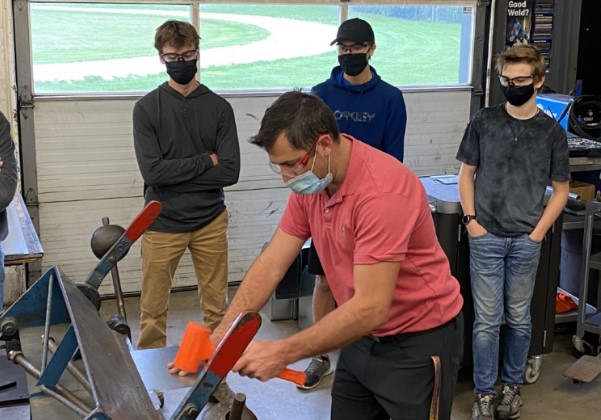
Tradespeople and skilled professionals will be eligible to teach Grades 7-12 in subject areas aligned with their expertise, after completing required teacher preparation training through an approved post-secondary institution. Skilled professionals are defined as individuals who hold a doctorate, graduate degree, undergraduate degree, or diploma, and who have at least five years of academic or professional experience in their area of specialization.
All four pathways require teacher preparation training and supervised practica before entering the classroom. Trades and specialized pathways involve a two-stage process: four initial post-secondary courses including a supervised practicum, followed by six additional pedagogy courses completed over three years while actively teaching ten courses in total before a permanent certificate is issued.
A $2,000 bursary is available for eligible participants in the trades and specialized certificate streams, with up to 80 bursaries available in 2026-27.
Supervision and Standards
Every expedited certificate holder will be supervised by a designated teacher leader typically a school principal. Employing school boards retain full authority over hiring and classroom placement. Participants must demonstrate successful teaching experience before the Office of the Registrar at Alberta Education and Childcare recommends them for permanent certification. The government is also directing up to $250,000 toward supporting post-secondary institutions that want to develop coursework programming for these new streams.
The Strike That Preceded All of This
This announcement does not arrive in a vacuum. Alberta teachers spent three weeks on a province-wide strike in October 2025 the first provincewide teacher strike in Alberta's history. More than 51,000 teachers walked off the job over issues including classroom complexity, class sizes, and wages. Teachers voted to reject a tentative agreement before the strike began.
The government ended the strike by passing Bill 2, the Back to School Act, which forced teachers back to work and imposed a four-year collective agreement. The legislation locked in three per cent annual salary increases and committed the province to hiring 3,000 teachers and 1,500 educational assistants over three years. It also prohibited teachers from taking job action until 2028. To shield the legislation from legal challenge, the government invoked the notwithstanding clause of the Charter of Rights and Freedoms.
The Alberta Teachers' Association responded by filing a constitutional challenge with the Court of King's Bench. In March 2026, a judge denied the ATA's request for an injunction that would have paused the legislation, though the court acknowledged the constitutional challenge itself raises a serious issue to be tried. That underlying challenge is still working its way through the courts.
The ATA has argued the back-to-work legislation violated teachers' rights to freedom of association and collective bargaining and that the use of the notwithstanding clause, if allowed to stand, sets a precedent that any government can simply legislate away a public sector union's right to strike.
The classroom complexity and staffing pressures that drove the original dispute have not been resolved. Teachers and school boards say those pressures remain. The expedited certificate program addresses one piece of the problem getting more bodies into classrooms but does not directly address working conditions or class composition, which were central to the strike.
Whether the new pathways ease those pressures meaningfully, or simply spread existing challenges across more inexperienced educators, remains to be seen.

Sources:
Government of Alberta (alberta.ca), Alberta Teachers' Association (teachers.ab.ca),






Comments
Conversation