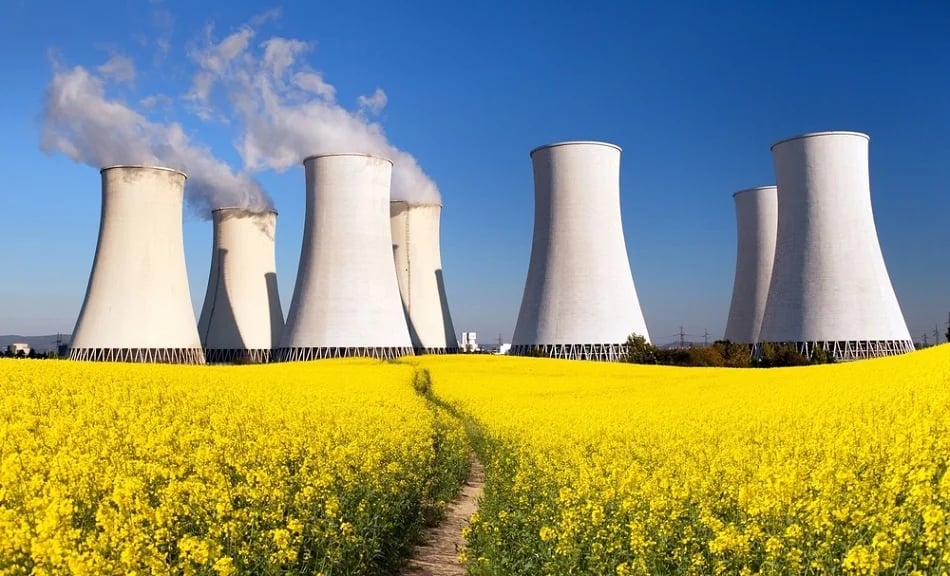
Two-thirds of Albertans want nuclear power. The government released a report, thanked everyone for participating, and said it needs more time to think about it.
That's the state of nuclear energy in Alberta in April 2026.
What the Report Actually Found
The Nuclear Energy Engagement and Advisory Panel a government-appointed body chaired by UCP Parliamentary Secretary Chantelle de Jonge spent months consulting Albertans and released its final report Wednesday. The panel held public town halls in Peace River, Fort McMurray, Bonnyville, Calgary, and Edmonton, and ran two province-wide online surveys.
The first survey, conducted between August and October 2025, collected 4,443 responses. The second ran from March 3 to March 24, 2026, with 1,472 respondents.
In the second survey taken after months of public engagement 67 per cent of respondents said they strongly support nuclear energy development in Alberta. Another 15 per cent said they were somewhat in support. Only 17 per cent were opposed in any form. Eighty-one per cent agreed nuclear energy would help keep electricity costs low, and 81 per cent said it would improve grid reliability.
But There Are Real Concerns
The support comes with conditions. Sixty-three per cent of respondents identified long-term storage of nuclear waste as their top concern. Sixty per cent wanted to know where waste would be stored. Fifty-six per cent worried about how it would be managed safely. Forty-six per cent expressed concern about safety risks overall.
The panel's report flagged a recurring anxiety: Albertans don't want communities near a nuclear site to bear the risks while benefits flow elsewhere. Several participants pointed directly to Alberta's oil and gas orphan well crisis as a cautionary tale and said long-term decommissioning funds need to be locked in before any project breaks ground.
The Government's Response: Not Yet
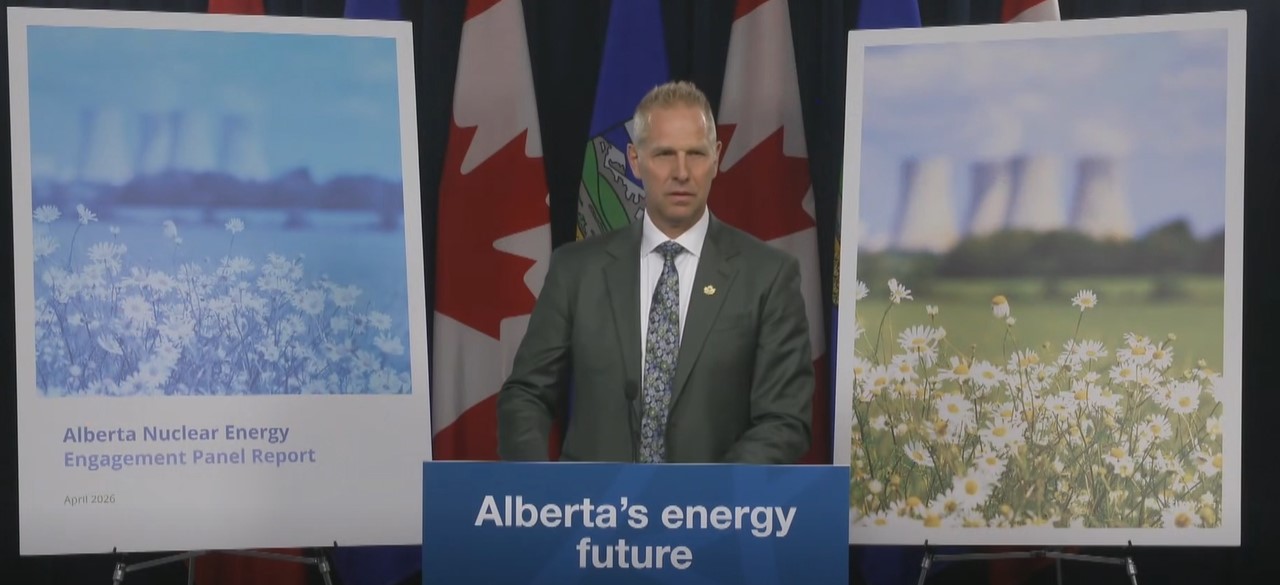
Affordability and Utilities Minister Nathan Neudorf released the report Wednesday but stopped well short of a commitment. "This isn't a slam dunk that the Alberta government will proceed," he said. "We are not trying to rush this."
Neudorf confirmed the province will now develop what he called a nuclear roadmap, expected to be released in early 2027. That document would establish a framework for legislation and regulation so private industry understands what the province expects. He noted it takes roughly a decade to approve and build a nuclear plant meaning even an optimistic timeline puts a functioning Alberta reactor somewhere in the late 2030s at the earliest.
Neudorf also confirmed that any nuclear project would be funded entirely by private industry, with no taxpayer money involved.
What Would a Nuclear Plant Mean for Alberta?
A conventional nuclear facility, according to Neudorf, would employ between 2,500 and 3,500 people with high-paying jobs. At least one company Energy Alberta has already proposed a site. Neudorf said other companies have also expressed interest, though none have been named publicly.
The province signed a memorandum of understanding with the federal government in November 2025, committing to developing a strategy for nuclear power generation in Alberta.
The Cost Question Nobody Has Answered
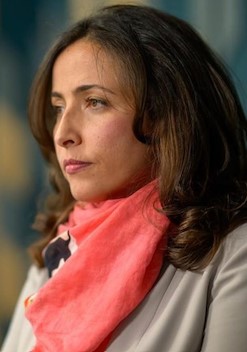
Critics aren't sold. NDP energy critic Nagwan Al-Guneid acknowledged nuclear's appeal reliable, low-emissions, energy-dense but raised the cost issue directly. Small modular reactors in Ontario are running around $20 billion, she said, and Alberta would be building from scratch without Ontario's existing nuclear infrastructure. "Any cost will be double of what they mentioned," she said.
Tim Weis of the Pembina Institute went further, calling nuclear in Alberta "decades away" and noting its costs are currently two to three times higher than wind, solar, and battery storage which continue to fall in price.
One Important Caveat on the Numbers
The panel itself acknowledged the survey results have limits. The report notes that respondents were likely people already interested in nuclear energy, and explicitly cautioned that the results "should not be considered to reflect the views of Alberta's population." The 67 per cent figure reflects those who engaged with the process, not a random sample of the province.
What Happens Next
The province will review the panel's six recommendations, which include public education campaigns, nuclear emergency planning with municipalities and Indigenous communities, post-secondary training programs for nuclear workers, and formal discussions on waste management with the Canadian Nuclear Safety Commission and the Nuclear Waste Management Organization.
A nuclear roadmap is expected in early 2027. Any decision to actually build would come after that.
Sources:
Government of Alberta — Nuclear Energy Engagement and Advisory Panel final report (April 2026): alberta.ca/nuclear-energy-engagement
Government of Alberta — Nuclear Energy Development Survey: your.alberta.ca/nuclear-development/surveys/nuclear-development-survey




Comments
Conversation