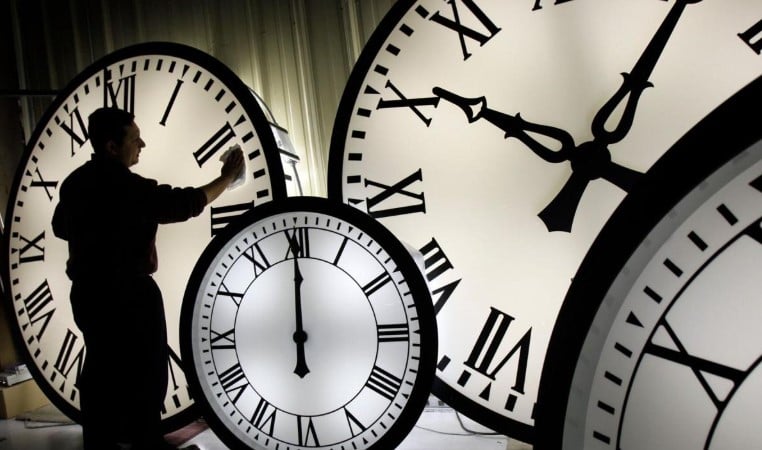
Alberta may never change its clocks again.
Premier Danielle Smith told the Calgary Herald today that the province is moving to permanent daylight saving time, with legislation expected to be tabled in the legislature this week. The spring clock change that already happened would be the last one clocks won't fall back this November, and won't spring forward next March.
The bill still needs to pass the legislature, but with Smith speaking about it publicly as a done deal, that vote is widely expected to be a formality.
What Does This Actually Mean Day-to-Day
Permanent daylight saving time means Alberta stays on its summer hours year-round. If you've ever appreciated a 9 p.m. sunset in July, that's the direction winter evenings move less dramatic, but the same idea.
The tradeoff is mornings. December and January will see sunrises pushed later than Albertans are used to. In Edmonton, that means the sun won't be up until close to 9:30 a.m. on the shortest days. In Grande Prairie, even later.
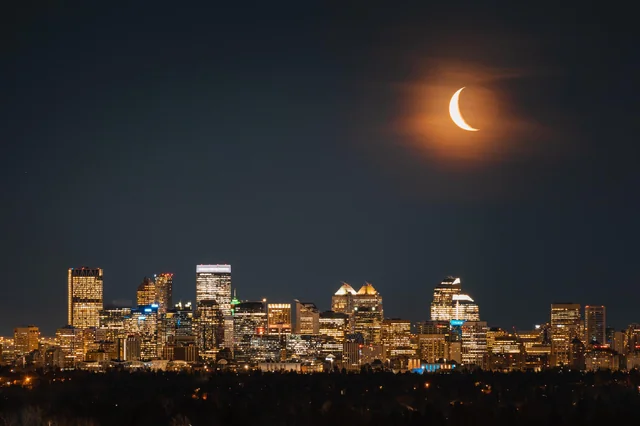
Smith said she sees the evening light as the better deal. "Rather than going to work in the dark and coming home in the dark, you will go to work in the dark but it will stay light longer at the end of the work day," she told the Herald. She also suggested it could trim power bills slightly less scrambling home to turn lights on all at once.
On the darker mornings, she didn't hesitate. "I can't manufacture more sunlight in the winter. On the shortest day we get only about eight hours of sunlight."
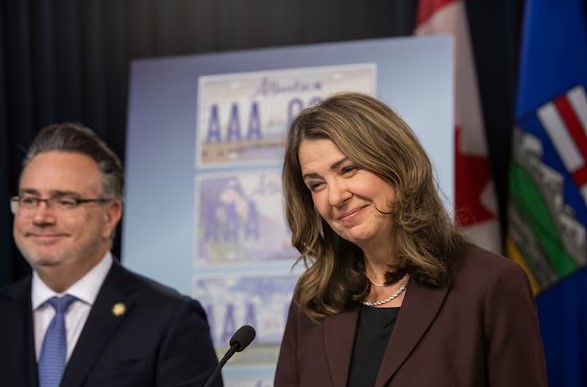
Smith also said she wants the time zone rebranded she'd like it simply called Alberta Time.
What Time Zone Does That Put Alberta On
Alberta would be on the same time as Saskatchewan year-round, which already runs on fixed central standard time the equivalent of Alberta's summer hours. B.C. made an identical move in March, locking in permanent Pacific daylight time. That left Alberta as the only western province still flipping clocks twice a year.
Saskatchewan Premier Scott Moe congratulated the move on social media today. "Once again, Saskatchewan is a leader in Canada," Moe wrote. "Glad to see Alberta joining Saskatchewan in staying on the same time as Saskatchewan year round."
Didn't Albertans Already Vote on This
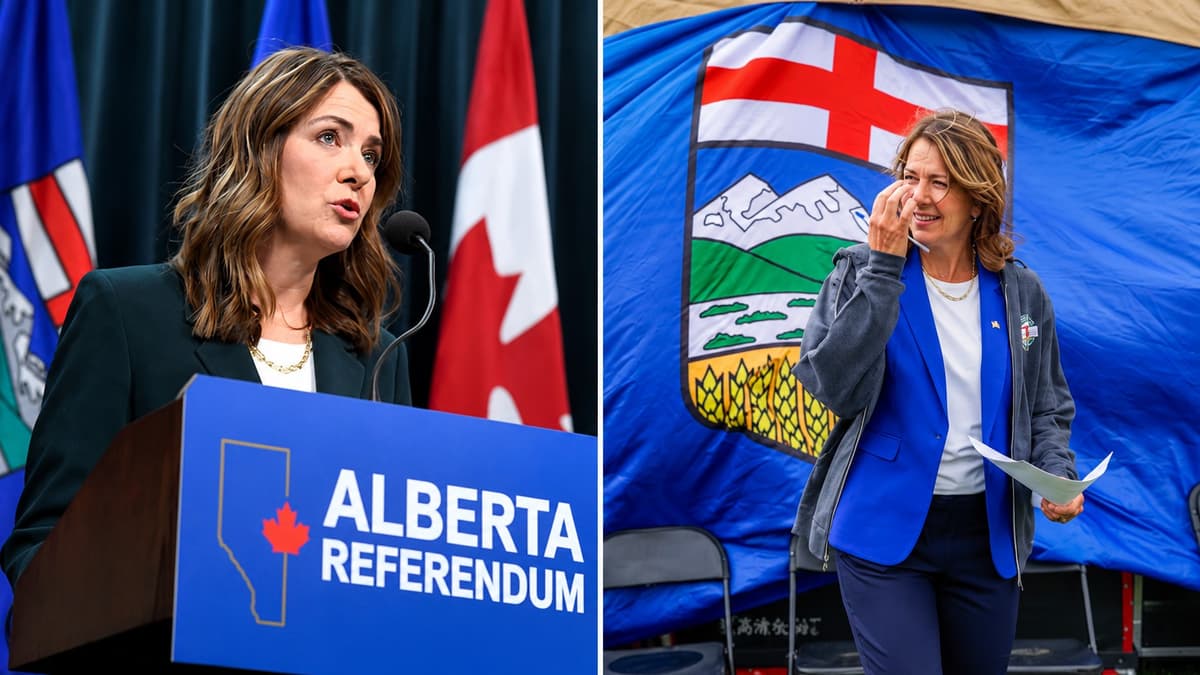
They did and the answer was no. In October 2021, the province held a referendum asking voters whether to adopt permanent daylight saving time. It failed by the slimmest margin possible: 50.2 per cent voted no, 49.8 per cent voted yes. About 5,000 votes out of more than a million cast.
Smith is moving forward anyway, pointing to more recent polling she says shows a clear majority now want a fixed time. For critics raising the referendum result, she argued the landscape has changed since B.C. made its move.
When Does It Take Effect
If the legislation passes this week as expected, the change takes effect November 1 the date Albertans would normally fall back. That day, nothing happens. Clocks stay where they are.
After that, the only clock-changing left in Alberta will be the microwave your landlord set wrong in 2019.
Sources
Calgary Herald Bell: Alberta Will Now Be on Daylight Saving Time Year-Round, Says Premier Smith (April 20, 2026): calgaryherald.com
Government of Alberta Permanent Daylight Saving Time Engagement: alberta.ca






Comments
Conversation