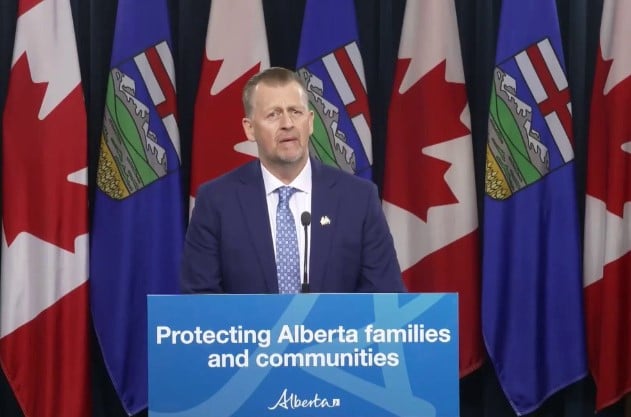
Public Safety Minister Mike Ellis framed the closures as the next step in a broader provincial strategy, pointing to falling overdose numbers as proof the approach is working.
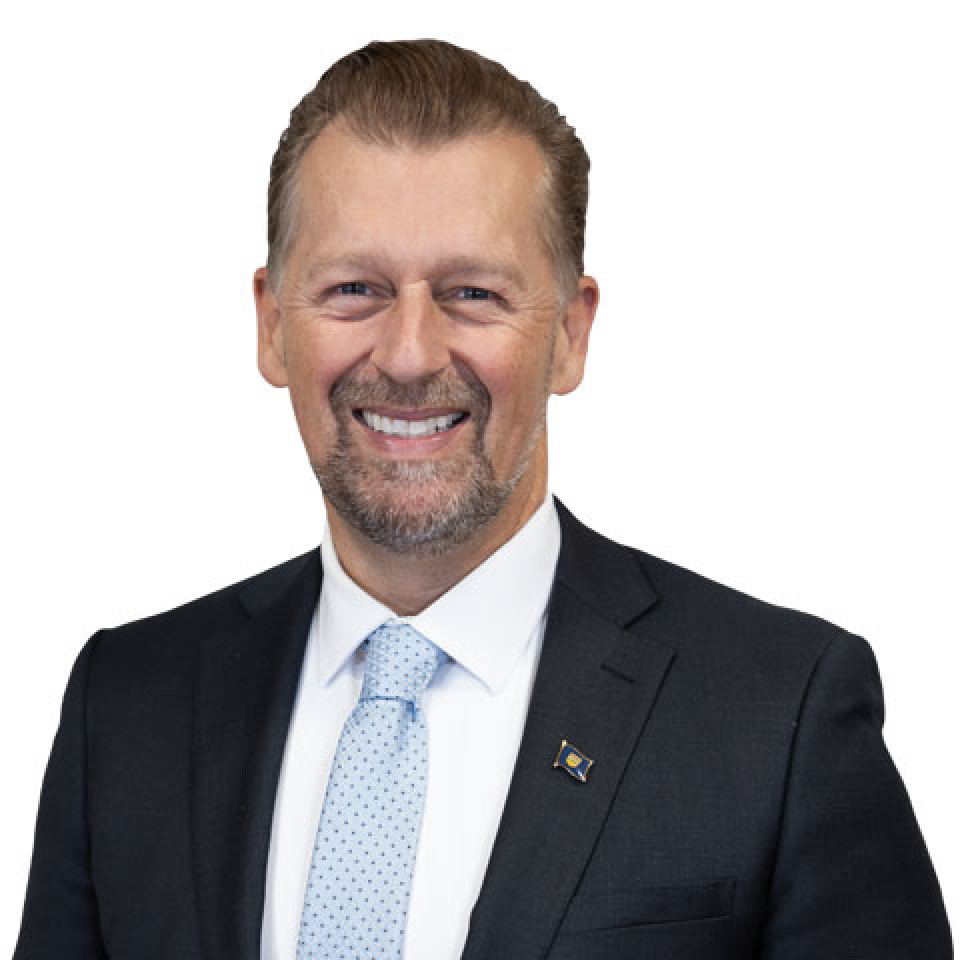
"You can care deeply about people battling addiction and still believe that communities deserve to be safe," Ellis said. "Our government refuses to pretend that one must come at the expense of the other."
Ellis said Alberta's opioid overdose deaths have dropped roughly 39 per cent since their 2023 peak, and cited a recent study examining what happened after Red Deer's overdose prevention site closed last year a report that found no spike in overdose deaths or emergency room visits among former site users.
That study was produced by the Canadian Centre of Recovery Excellence, a Crown corporation created and funded by the Alberta government. Critics have raised concerns about the conflict of interest, and the researchers themselves noted the six-month window wasn't long enough to draw definitive conclusions.
What Replaces the Sites
The province says funding will be redirected into expanded services rather than simply cut. In Calgary, that includes 30 to 40 new withdrawal management beds, expanded same-day addiction counselling at the Chumir, increased capacity at the Renfrew Recovery Centre, and 24-hour outreach teams in the downtown core. Lethbridge is set to receive 10 new withdrawal management beds and a new addiction medicine clinic.
"People will not be left without support," Ellis told reporters.
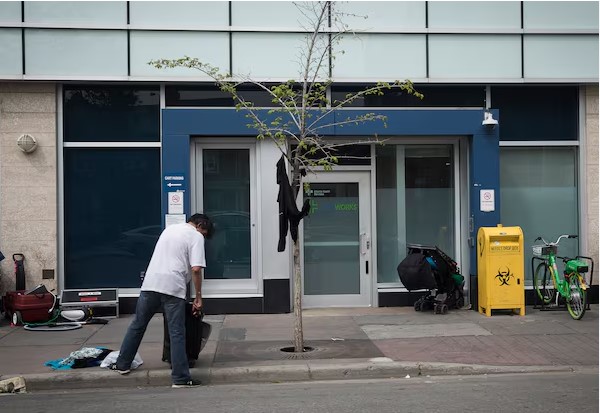
A Pattern Across the Province
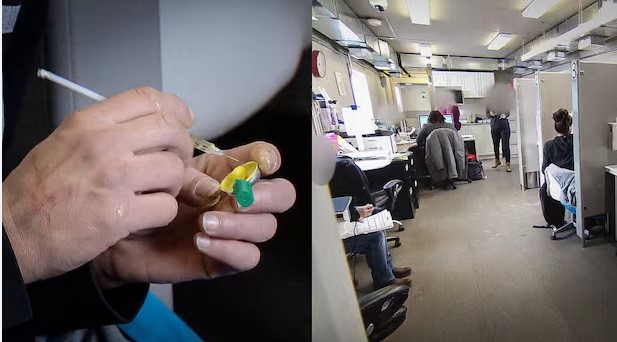
The Calgary and Lethbridge closures don't happen in isolation. Alberta has been systematically shutting down consumption sites since taking office. Red Deer's site closed at the end of March 2025. Edmonton's Royal Alexandra Hospital site shut down in December 2025.
Once June 30 arrives, three sites will remain in the entire province two in Edmonton and a mobile unit in Grande Prairie. Minister of Mental Health and Addiction Rick Wilson was clear that Edmonton's sites aren't next at least not yet saying the capital accounts for roughly 60 per cent of drug-related deaths in Alberta and that more recovery infrastructure needs to be in place before any move there.
"We'll get to them," Wilson said, "but we've got some more work to do first."
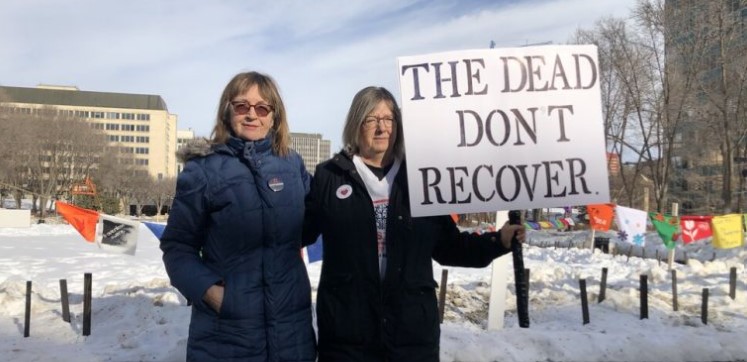
The Pushback
Not everyone is welcoming the news. The Calgary site has been a political flashpoint for years. Former premier Jason Kenney tried to close it in 2022 and didn't follow through. More recently, former Calgary mayor Jyoti Gondek and the province went back and forth publicly over who was responsible for deciding its future.
Health experts are warning the closures will simply push drug use further into the shadows, increasing the risk of fatal overdoses happening without anyone nearby to intervene. A legal challenge over the Red Deer closure arguing it violated Charter rights is still working through the courts, and the lawyers involved say the Calgary and Lethbridge closures will face similar challenges.
Lethbridge's own Streets Alive Mission, however, came out in support. Founder Tim Kissick said recovery is working in Alberta and expressed optimism about the direction.
Sources: Government of Alberta News Release — "Recovery supports replacing drug consumption sites," March 20, 2026 alberta.ca/news






Comments
Conversation