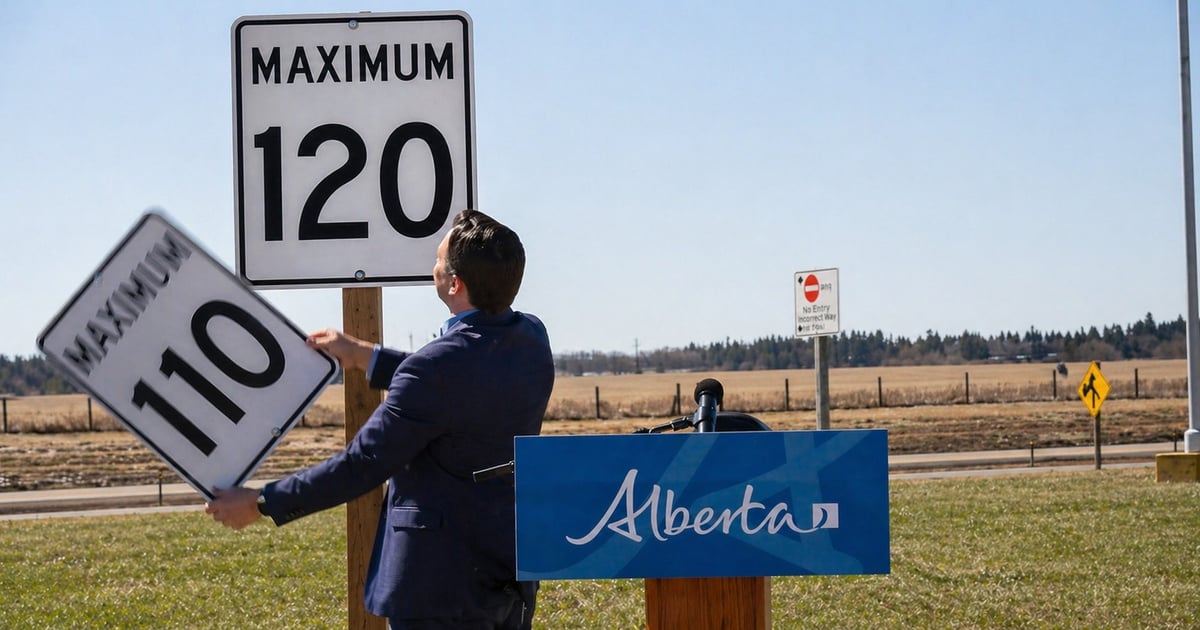
The pilot is no longer coming. It's here.
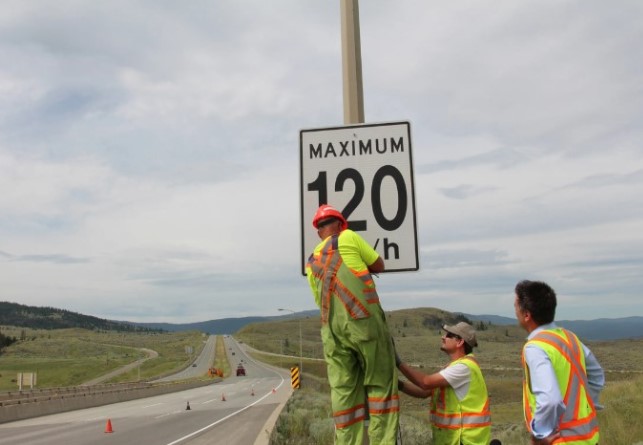
As of today, April 29, 2026, Alberta has raised the speed limit to 120 km/h on a 22-kilometre stretch of the Queen Elizabeth II Highway south of Leduc and for the first time in the province's history, a highway sign actually says so.
The zone starts near the Leduc Commercial Vehicle Inspection Station and runs south in both directions. Signs went up this morning. Speed sensors are in the ground. RCMP and sheriffs are on the road.
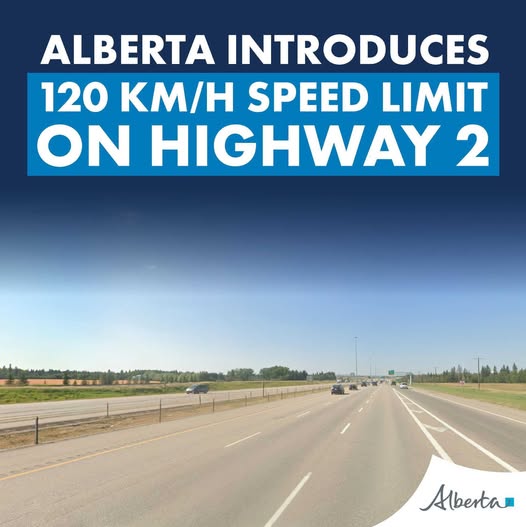
The Road Was Already Ready
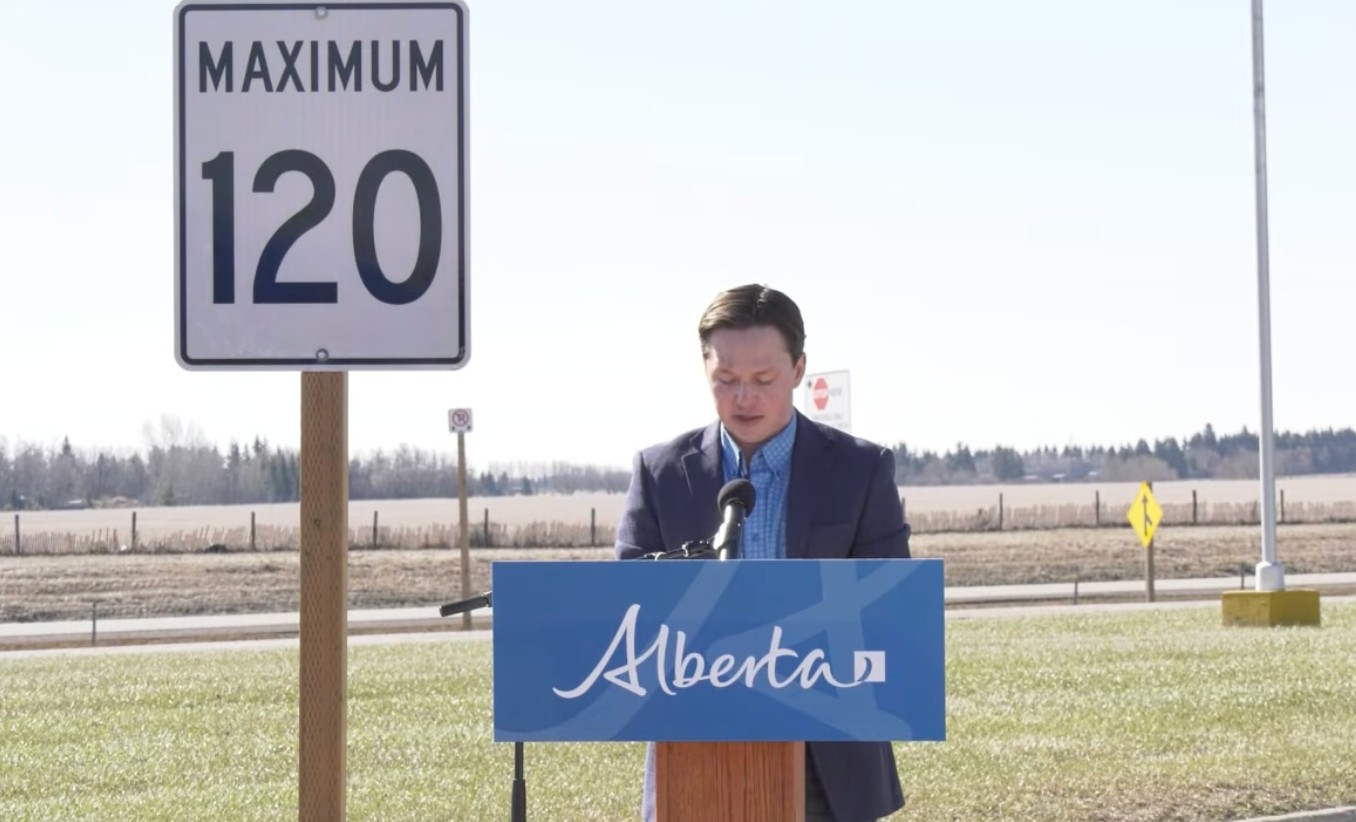
The province chose this stretch deliberately. Infrastructure upgrades along the corridor longer interchange ramps, select repaving, and additional barriers had already been completed before today's announcement. Transportation Minister Devin Dreeshen made that case roadside at a news conference this morning on the QE II itself.
A provincial survey conducted in late fall 2025 found nearly 70 per cent of Albertans supported raising rural divided highway speeds to 120 km/h. Today is the government's answer to that number.
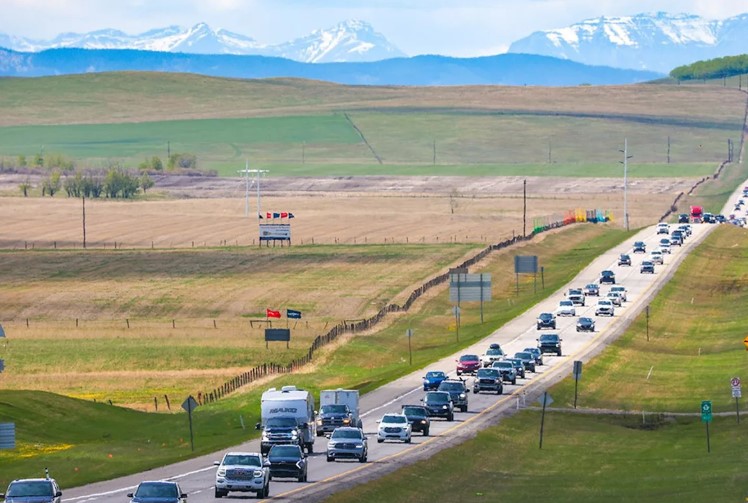
Most Drivers Were Already Doing It
Dreeshen didn't dance around the elephant in the room. Asked about collision risk, he said he doesn't anticipate the numbers to move because most people on Highway 2 are already travelling at 120 km/h or faster. Raising the posted limit, in his view, brings the law in line with what's already happening on the road every day.
Leduc County Mayor Tanni Doblanko backed the move, pointing to the upgraded acceleration and deceleration lanes on two overpasses through Leduc County and the County of Wetaskiwin as evidence the corridor can handle it.
What Gets Watched
This isn't a free pass. Sensors installed along the 22-kilometre zone will track traffic flow, driver behaviour, and safety outcomes throughout the pilot. The province is also monitoring five kilometres on either side of the zone to catch any spillover effects on surrounding traffic.
At the end of the pilot, the data goes to the province and a decision gets made expand, adjust, or pull back.
Faster Speeds, Steeper Fines
One detail buried in today's announcement deserves attention. At the same time the province is raising the legal speed limit, it has also increased fines for dangerous driving. Careless driving, excessive speeding, stunting, and racing now carry fines 50 per cent higher than before. Most other traffic penalties are up 30 per cent.
Faster legal speeds on one end. Significantly steeper consequences for breaking those speeds on the other.
The Concern That Won't Go Away
Not everyone is comfortable with today's change. Gord Lovegrove, a civil engineering expert at UBC who worked on speed studies in B.C., said the real risk isn't the top speed it's the gap between the fastest and slowest drivers sharing the same road. When someone doing 120 comes up behind someone doing 95 and misjudges a lane change, that differential is where crashes happen.
B.C. learned this the hard way. The province raised limits to 120 km/h on several major highways in 2014 and quietly rolled most of them back four years later after fatal crashes and serious insurance claims climbed. Alberta's terrain is fundamentally different flat, straight, divided but safety advocates will be watching the Leduc data closely before any province-wide expansion is on the table.
If the pilot holds up, Highway 16 through Edmonton, Highway 1 near Calgary, and Highway 63 to Fort McMurray are all candidates for what comes next.
Source:
Government of Alberta — News Release, April 29, 2026 alberta.ca/release.cfm?xID=9608683745D9C-050E-638C-F54ADBBA30E61A01




Comments
Conversation