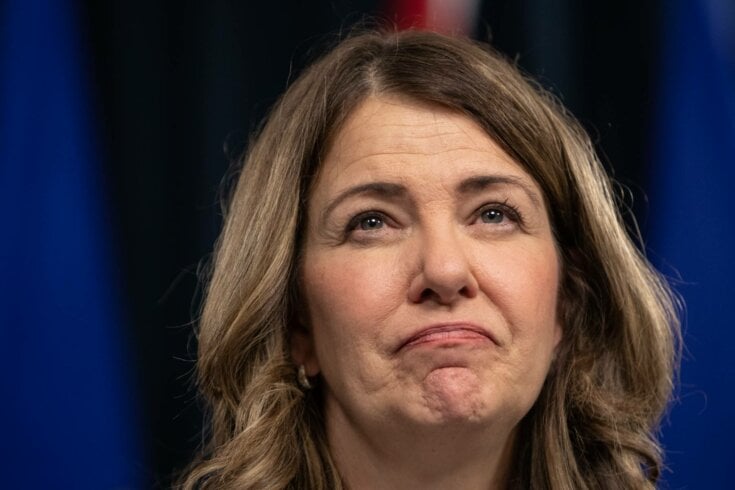
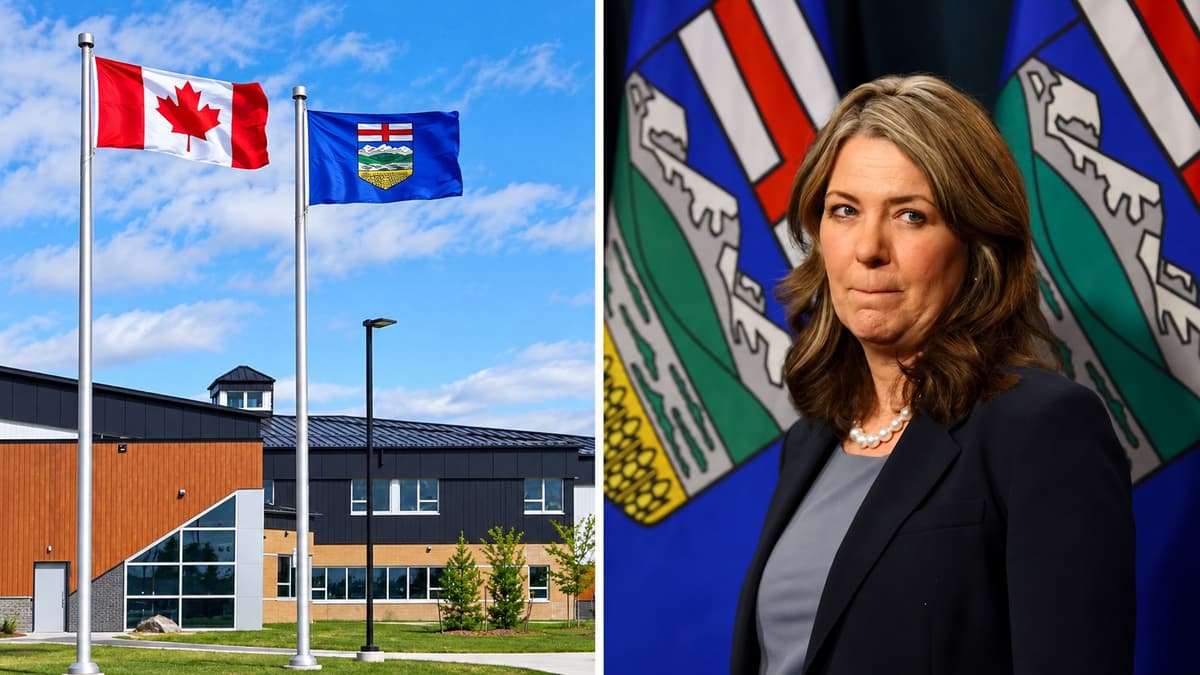
A citizen push to fire Alberta’s premier in her own backyard has ended with a thud, not a byelection.
How the petition started
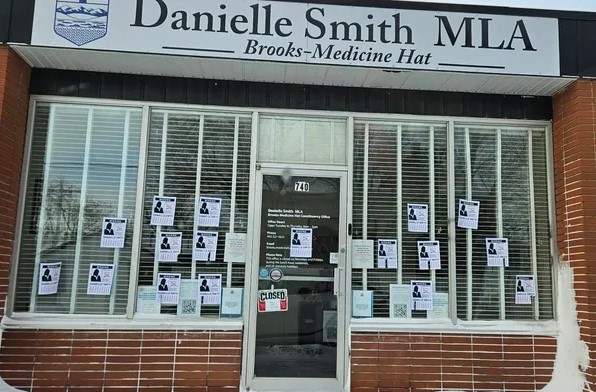
In late 2025, Brooks–Medicine Hat resident Heather Van Snick filed formal paperwork with Elections Alberta asking for permission to launch a recall petition against her MLA, Premier Danielle Smith. In her application and early campaign materials, she argued that the premier was not present enough in the riding and was out of step with local priorities, especially on issues like the use of the Charter’s notwithstanding clause.
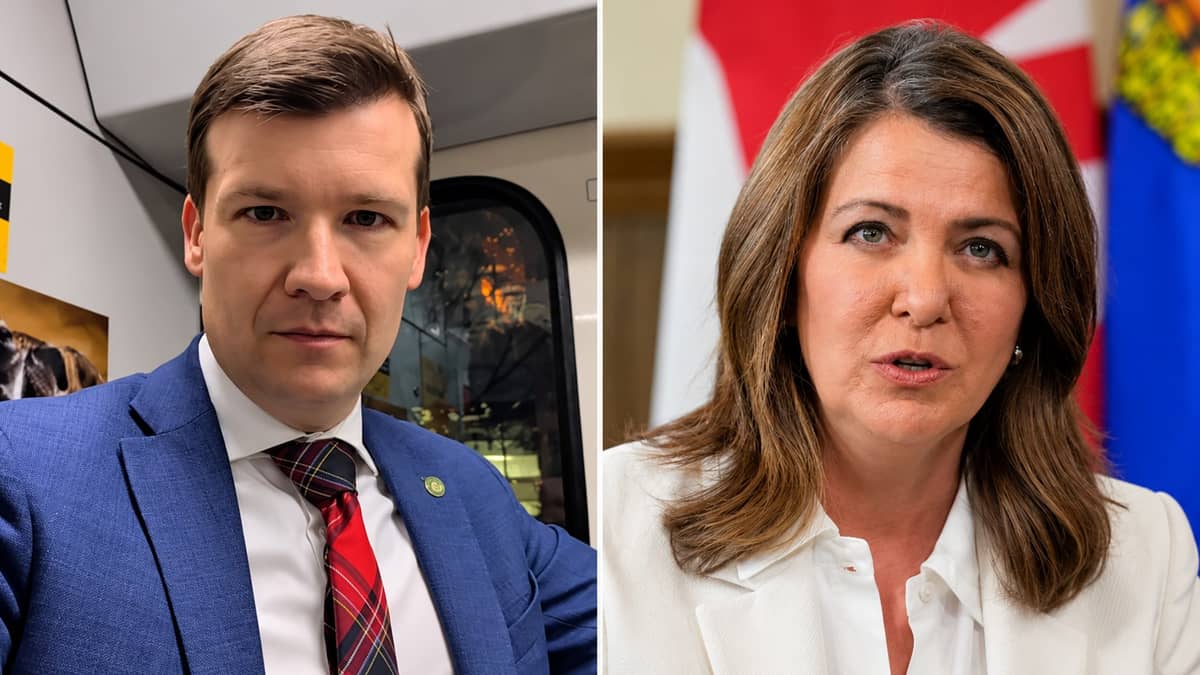
Elections Alberta approved the request on December 2, 2025, making Smith one of three United Conservative MLAs alongside Rebecca Schulz in Calgary‑Shaw and Nate Glubish in Strathcona–Sherwood Park to face an official recall process. For Brooks–Medicine Hat, the agency set the signature target at 12,070, equal to 60 per cent of the 20,117 ballots cast there in the 2023 provincial election.
The numbers the campaign was chasing
Under the rules, Van Snick and her volunteers had a fixed collection period running into early March 2026 to try to hit that 12,070‑signature mark. To succeed, they needed support from a clear majority of everyone who had turned out in 2023 even though Smith had won that same vote with just over 13,000 ballots, roughly two‑thirds of all votes in the riding.
The math alone made the petition a steep climb. Campaign organizers publicly acknowledged that they would have to gather well over the official threshold to compensate for ineligible or duplicate signatures that Elections Alberta would strike during verification. In practical terms, they were chasing something close to a full‑scale election‑style canvass in the middle of a legislative term.
What the recall effort was about
From the campaign’s side, the recall drive was framed as a demand for better representation, not just a protest against a single policy. In a press release announcing the application, Van Snick said the push was motivated by “ongoing concerns about the Premier’s lack of presence and meaningful engagement with this diverse community,” language that echoed criticisms shared by local supporters and province‑wide groups backing “Operation Total Recall.”
Supporters pointed to several flashpoints: Smith’s reliance on the notwithstanding clause in labour disputes, worries over health‑care access, and a sense that a premier with a province‑wide agenda was not listening closely enough to one corner of southeast Alberta. The petition became a vehicle for those frustrations, giving residents a specific mechanism sign or don’t sign to register how they felt about their MLA between general elections.
Smith defends her record
Smith did not ignore the petition when it was approved. In public comments, she wrapped her response around the riding’s long‑standing nickname, the “forgotten corner,” and argued that under her watch it was “not forgotten anymore.” She pointed to tangible projects highway connections, school upgrades and health‑care improvements as evidence that the area was finally getting attention from the provincial government.
The premier also stressed how frequently she meets with residents, noting that she holds regular town halls in communities across the constituency, including one scheduled in Bassano shortly after the petition was announced. At one point she suggested the recall mechanism was being used for policy disagreements rather than the serious misconduct scenarios it was designed for, characterizing the broader wave of petitions against UCP MLAs as an abuse of the process.
An uphill signature target
By the time the collection period closed in March 2026, Elections Alberta’s own threshold remained unchanged: 12,070 valid signatures were still required to move the process to the next stage. While organizers reported several thousand supporters had signed on, they conceded that they were well below the mark and would not be triggering a recall vote. (Under standard procedure, Elections Alberta stops counting once it is clear the 60‑per‑cent bar cannot be met.)
The result highlighted just how demanding Alberta’s recall framework is in practice. Petitioners in Brooks–Medicine Hat had to educate residents about a relatively new law, convince them to sign a legal document aimed at removing a sitting premier, and do it all within a tight, pre‑set window. Even with volunteers on the ground and national attention on the riding, the campaign could not persuade enough of the 2023 electorate to put their names on the line.
What this episode tells us about recall in Alberta
The Brooks–Medicine Hat recall shows both the promise and the limits of Alberta’s experiment with citizen‑driven removal of MLAs. On one hand, a single resident was able to trigger a province‑regulated process that forced the premier to answer pointed questions about her connection to the riding and her use of power. On the other, the combination of a 60‑per‑cent signature threshold and a strict collection period meant that even a highly visible campaign could not get close to clearing the bar.
For Smith, the failed petition can be read as confirmation that her electoral coalition in Brooks–Medicine Hat remains largely intact: the same rules that set a high bar for her critics also underline how strong her 2023 win actually was. For organizers and supporters, the effort became less about winning a recall vote and more about making discontent visible through conversations at doors, public events and town halls that may yet shape how the riding votes when the next general election arrives in 2027.
Sources used:
Elections Alberta – “Current Recall Petitions” (Brooks–Medicine Hat signature threshold and vote totals).
Elections Alberta – “Recall Process” (rules, timelines and verification).
Government and legal explainer on the Recall Act mechanisms and recall‑vote requirements.
Premier Danielle Smith’s public comments on the Brooks–Medicine Hat recall petition, including references to the “forgotten corner,” local projects and town halls.
“Recall Danielle Smith” campaign press release and organizer statements outlining motivations for the petitio





Comments
Conversation