A Lethbridge judge sentenced a 13-year-old boy Wednesday to three years for the attempted murder of his seven-year-old brother the stiffest penalty available to a youth offender who isn't tried as an adult.
The boy was 12 at the time of the attack, which happened on August 27, 2025, while the brothers were home alone. He stabbed his brother nine times injuring his face, hand, arm, back, and head then went outside to wait for their father. When he arrived, the older boy told him his brother was dead inside. The younger boy survived, but three wounds to his brain, heart, and chest were life-threatening. He was airlifted to the Stollery Children's Hospital in Edmonton.
The Sentence
Justice Ryan Anderson accepted a joint recommendation from Crown and defence, sentencing the boy to an Intensive Rehabilitative Custody and Supervision (IRCS) order: two years in secure custody, followed by one year of supervised release in the community.
An IRCS order is reserved for youth who commit serious violent offences and have significant mental health diagnoses. Crown prosecutor Lauren Atkinson called it the appropriate response to "one of the highest degrees of violence we see in the courtroom."
The boy also received a 10-year weapons ban and must provide a DNA sample. His aggravated assault charge was withdrawn. After one year, the court can review his progress and consider moving him from secure to open custody.
Mental Health at the Centre of the Case
Before the stabbing, the boy had been researching murder on YouTube. He later told police the attack was driven by "an urge he could not control" linked to voices he hears. A forensic psychiatrist has since given him multiple diagnoses that, as Justice Anderson noted, had never been treated or addressed.
Atkinson noted the teenager has shown remorse, and that the IRCS program will provide structured treatment targeting those untreated issues throughout his sentence.
Why He Wasn't Tried as an Adult
The Youth Criminal Justice Act prioritizes rehabilitation over punishment. Defence lawyer Greg White emphasized that the law intentionally treats youth differently recognizing their brains aren't fully developed and that the goal is to give young offenders a real path back into society.
Both the boy and his brother are protected by a publication ban under the Act and cannot be identified.
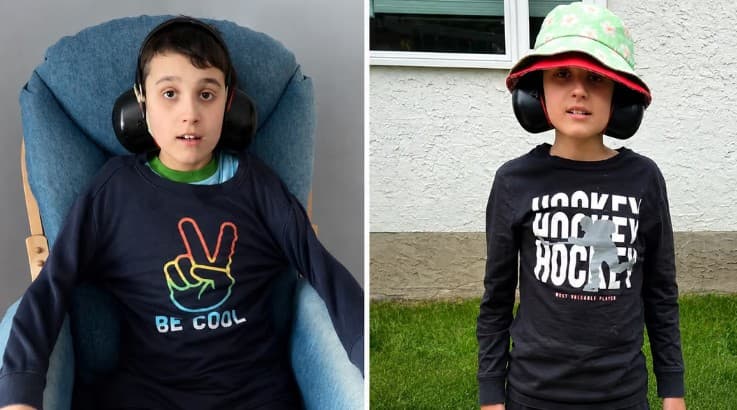

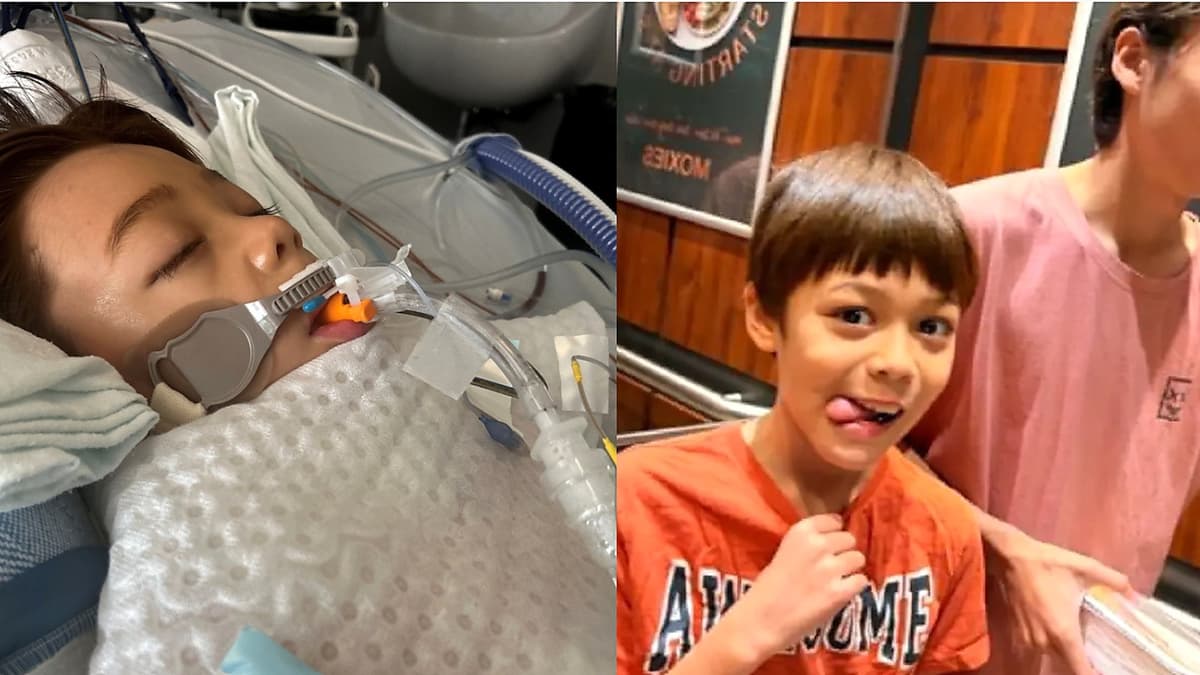






Comments
Conversation