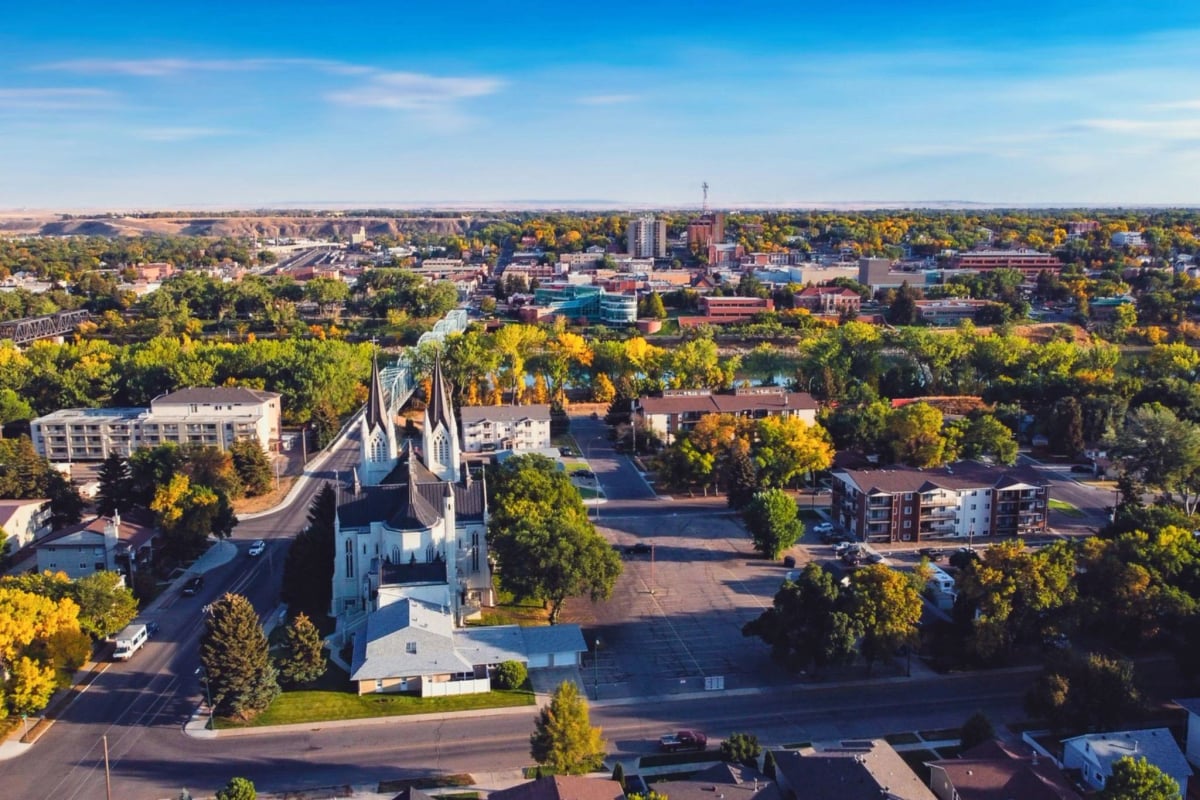
Medicine Hat doesn't get the same attention as Calgary or Edmonton when Albertans talk about where to put down roots. That's starting to change. With housing costs in major Canadian cities pricing out entire generations of buyers, a mid-sized southern Alberta city with its own power utility, 330 days of annual sunshine, and home prices a fraction of the national average is getting a second look.
Here's what you actually need to know before you move.
The Cost of Living
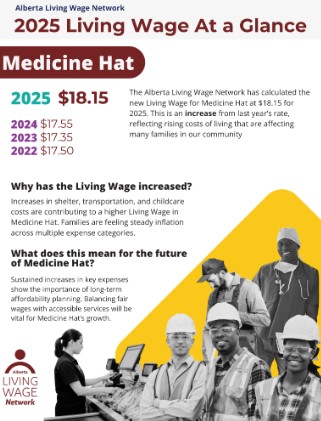
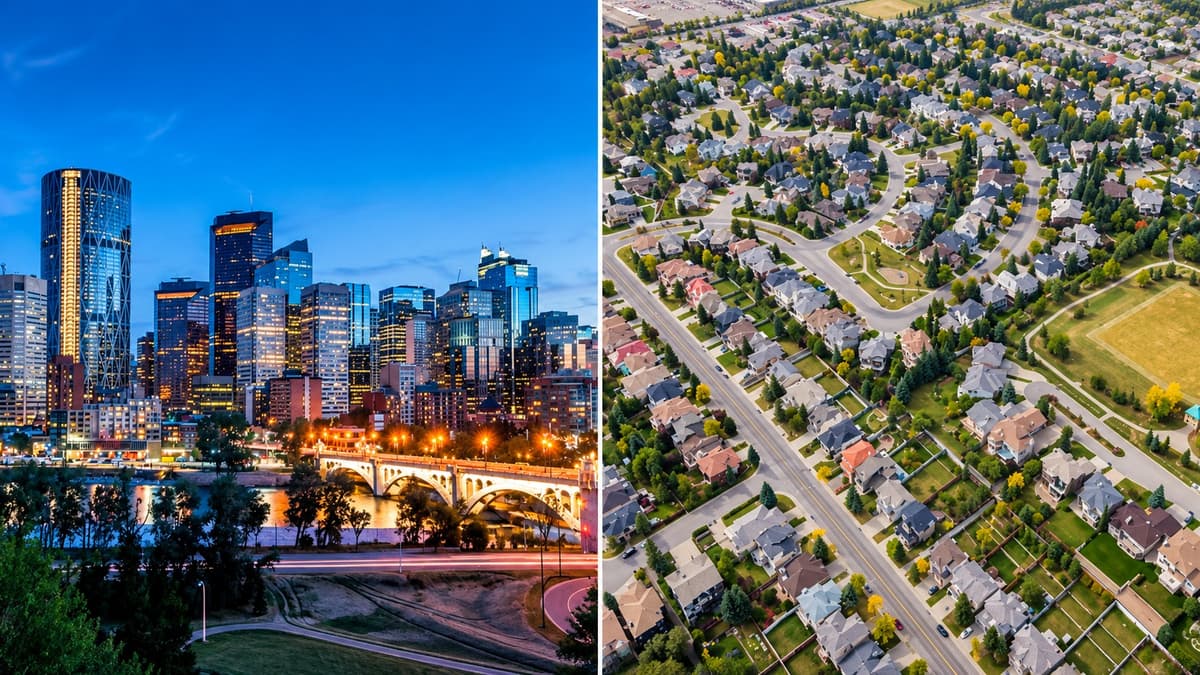
This is where Medicine Hat makes its case. Housing is the number. The average home price sits well below both the Alberta and national average the city's economic development office cites this as one of its primary draws for newcomers and businesses alike. For context, median home prices in Calgary regularly exceed $600,000. Medicine Hat's market runs considerably lower, making homeownership a realistic target for people who've been priced out elsewhere.
Renting is cheaper too, though it has tightened. The city's own finance department flagged rent increases as one of the two biggest cost-of-living pressures facing residents in 2026, alongside grocery inflation. That's worth knowing Medicine Hat is still affordable relative to most of Alberta, but it's not immune to the pressures hitting everywhere else.
Alberta has no provincial sales tax. That applies to every purchase you make in Medicine Hat groceries, clothing, household goods. Over a year, that adds up to real money compared to living in Ontario, B.C., or any other province where PST applies.
What Medicine Hat Actually Runs On
The city's economy sits at the intersection of energy, agriculture, and manufacturing. Medicine Hat is positioned at the heart of Alberta's energy corridor and has historically been a natural gas production hub the city actually owns its own electric utility, one of the last municipally-owned power systems of its kind in Alberta. That ownership gives the city more control over energy costs than most municipalities have.
The corporate tax rate in Alberta is 8% the lowest among Canadian provinces. Medicine Hat also exempts machinery and equipment from municipal taxation entirely, which matters if you're moving for a business reason or considering starting one.
Key employment sectors include healthcare, retail, trades, and energy. The trades in particular are in demand the city has openly acknowledged a skills gap as a significant portion of its workforce approaches retirement age.
The Job Market Honest Assessment
Alberta is leading the country in employment growth in 2026, adding jobs while most provinces shed them. Medicine Hat benefits from that provincial tailwind, but it's worth being clear-eyed. The Lethbridge-Medicine Hat region carried an unemployment rate of 7.4% as of April 2026 third highest in Alberta, though still below Edmonton. The job market is active but competitive, particularly for anyone without trades qualifications or healthcare credentials.
If you're moving with a remote job, Medicine Hat makes a lot more sense on paper. You get the affordability without depending on the local job market.
The City Itself
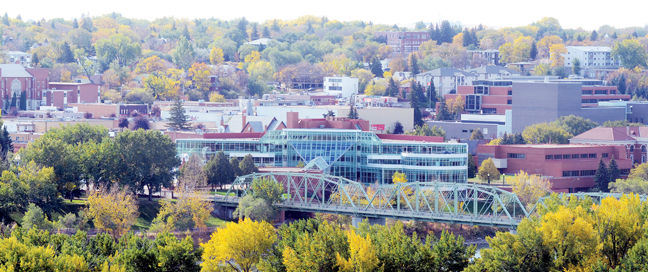
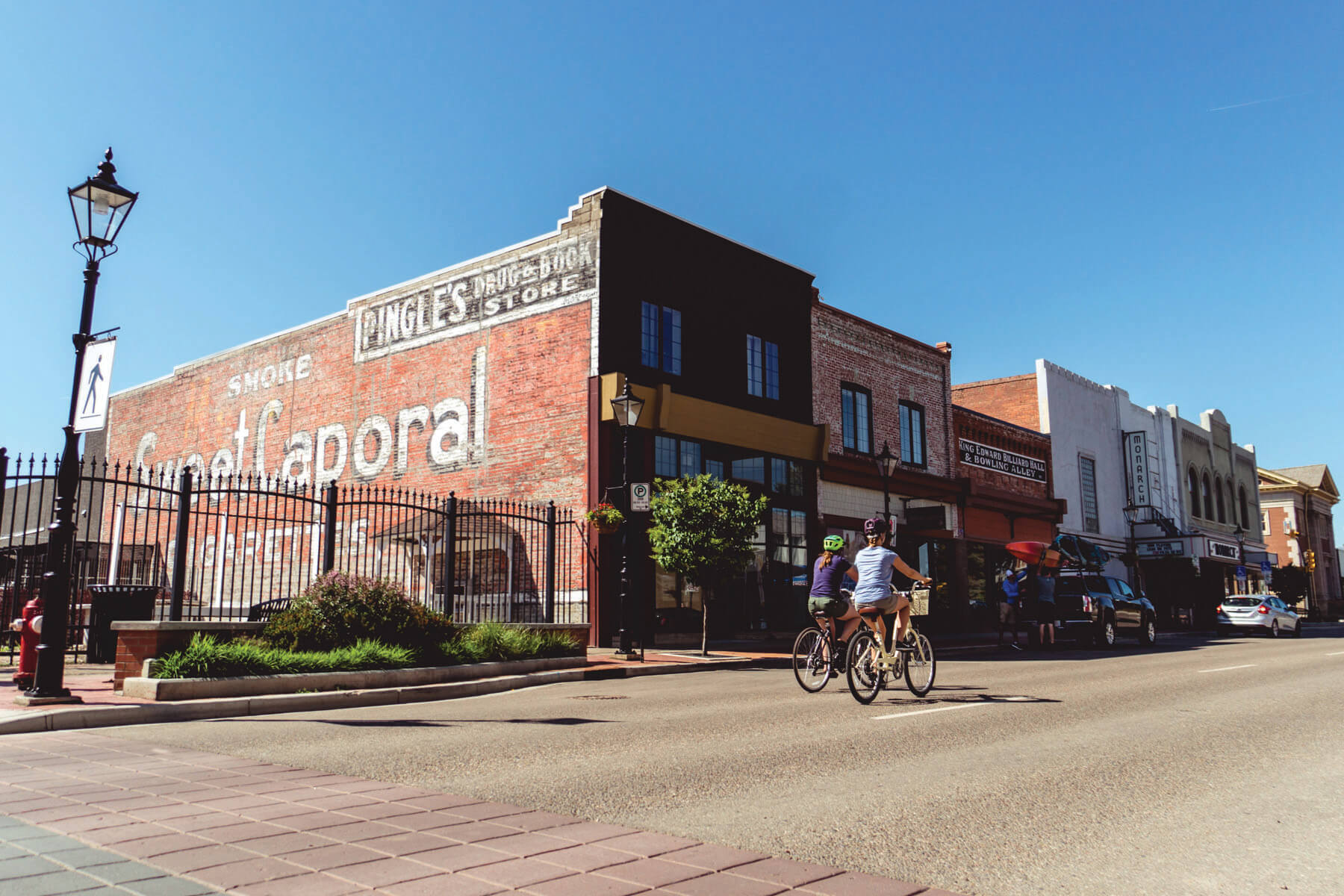
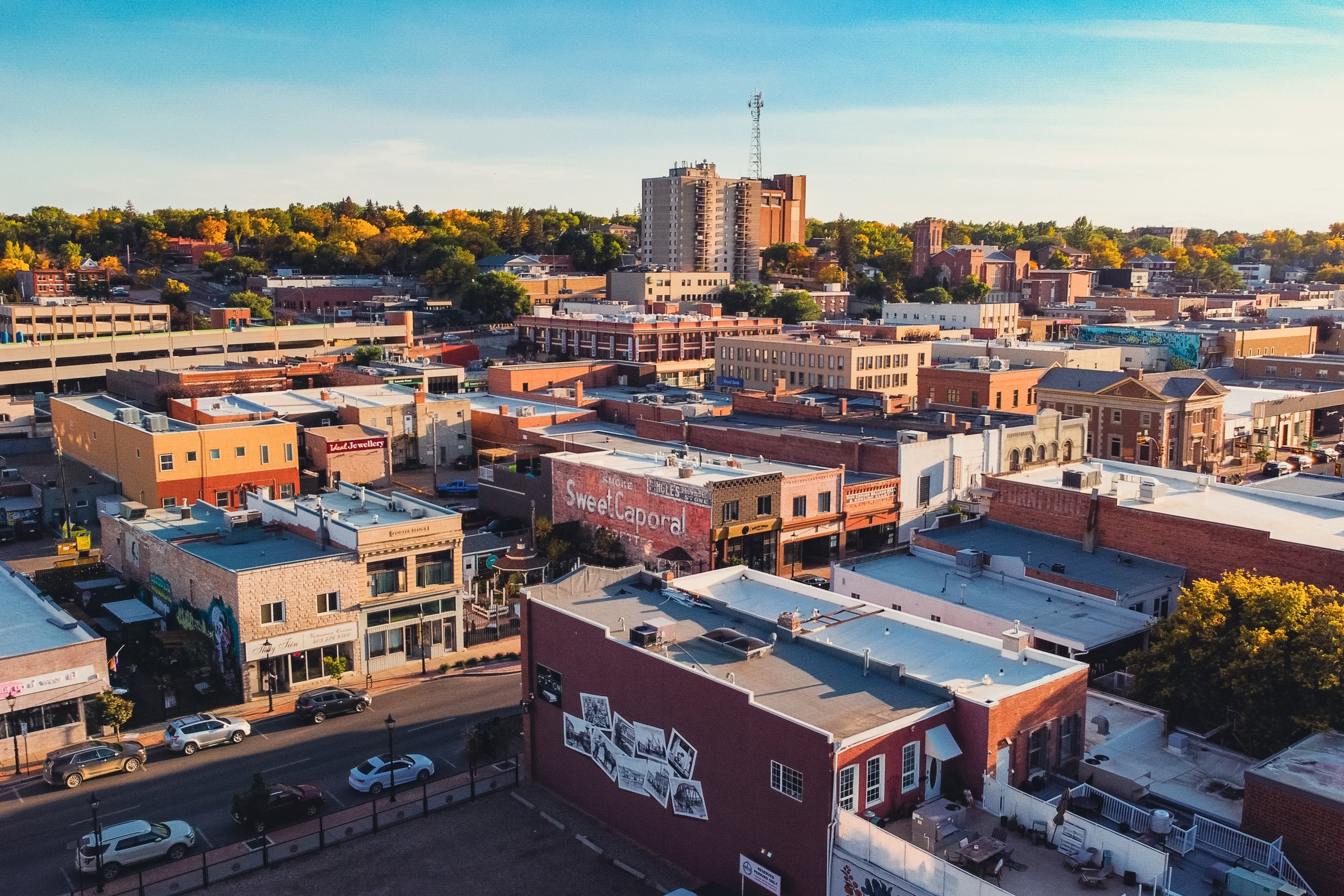
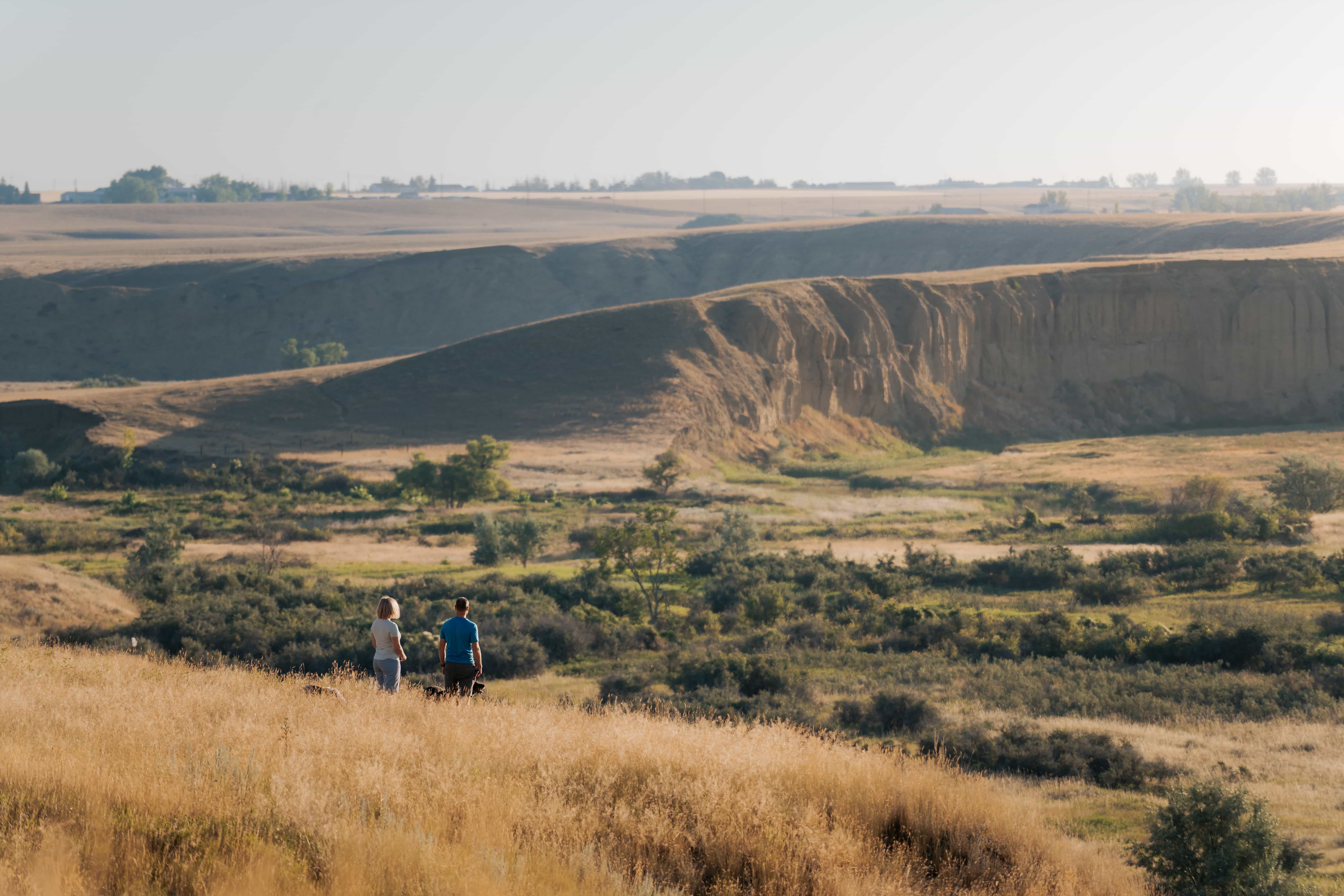
Medicine Hat has a population of around 68,700. It's the 10th largest city in Alberta big enough to have real infrastructure, small enough that you're not spending 45 minutes in traffic to get across it. The city sits in the South Saskatchewan River valley and holds a legitimate claim to being Canada's sunniest city, averaging over 330 days of sunshine per year.
The city operates more recreational facilities per capita than most comparably sized Canadian cities indoor and outdoor pools, an extensive trail network, parks, golf courses, baseball diamonds, and a full-season hockey team in the Medicine Hat Tigers. The Esplanade Arts and Heritage Centre handles the cultural side.
Schools, healthcare, and municipal services function well for a city this size. The hospital is full-service. Medicine Hat College offers post-secondary programming locally.
One thing to know: Medicine Hat's population growth has been slower than other mid-sized Alberta cities. The city is actively working to change that with new economic development efforts and housing construction that picked up in 2025. That slower growth dynamic cuts both ways it keeps prices lower, but it also means the city lacks some of the amenities and new development you'd see in faster-growing places like Red Deer or Lethbridge.
Location
Medicine Hat sits on the Trans-Canada Highway, roughly 295 kilometres southeast of Calgary. That's about three hours by car close enough for a day trip, far enough to be genuinely removed from the pace and cost of a major city. Lethbridge is about 170 kilometres to the west. The US border at Sweetgrass, Montana is about two hours south.
If you drive for work across southern Alberta or need regular access to Calgary without living there, the location works well.
The Bottom Line
Medicine Hat is a legitimate option for people who want to own a home, live in a city with real services, and not spend half their income doing it. The tradeoffs are a smaller job market, slower growth than the rest of Alberta, and the fact that you're three hours from a major airport.
For remote workers, trades professionals, people in healthcare, and families priced out of bigger cities, it's worth taking seriously.
Sources:
City of Medicine Hat Economic Development: medicinehat.ca/medicine-hat-economic-development
Alberta Regional Dashboard — Medicine Hat Population 2025: regionaldashboard.alberta.ca
Statistics Canada 2021 Census






Comments
Conversation