
Moving out of a rental in Alberta and worried about your damage deposit? You're not alone. Deposit disputes are one of the most common tenant complaints in the province and most of them happen because renters simply don't know the rules.
Here's exactly what Alberta law says.
How Much Can a Landlord Charge?
The amount of a security deposit cannot be more than one month's rent at the time the tenancy starts and it cannot be increased for any reason during the tenancy, even if rent goes up.
So if your rent is $1,500 a month, the maximum your landlord can legally collect is $1,500. Anything above that is unenforceable under the Residential Tenancies Act, regardless of what your lease says.
What Can a Landlord Actually Keep?
Under Alberta's Residential Tenancies Act, a landlord can only make deductions for four reasons:
To cover the cost of repairing or replacing physical damage to the premises, to cover cleaning costs caused by extraordinary or abnormal use, to cover any arrears of rental payments, and to cover other costs agreed to by the tenant in the tenancy agreement such as legal fees.
That last point is important. If it's not written into your lease, your landlord cannot deduct it.

What They Cannot Touch: Normal Wear and Tear
This is where most disputes happen. Scuffed paint, minor nail holes, worn carpet, and faded walls are all considered normal wear and tear and cannot be deducted from your deposit.
Normal wear and tear is the natural deterioration that comes from everyday living. Your landlord cannot charge you for aging only for damage you actually caused.
When Do You Get Your Money Back?
When a tenancy ends, landlords have 10 days to return the full deposit with interest, or provide a written estimate of deductions. If deductions are made, a final statement and any remaining balance must be given within 30 days.
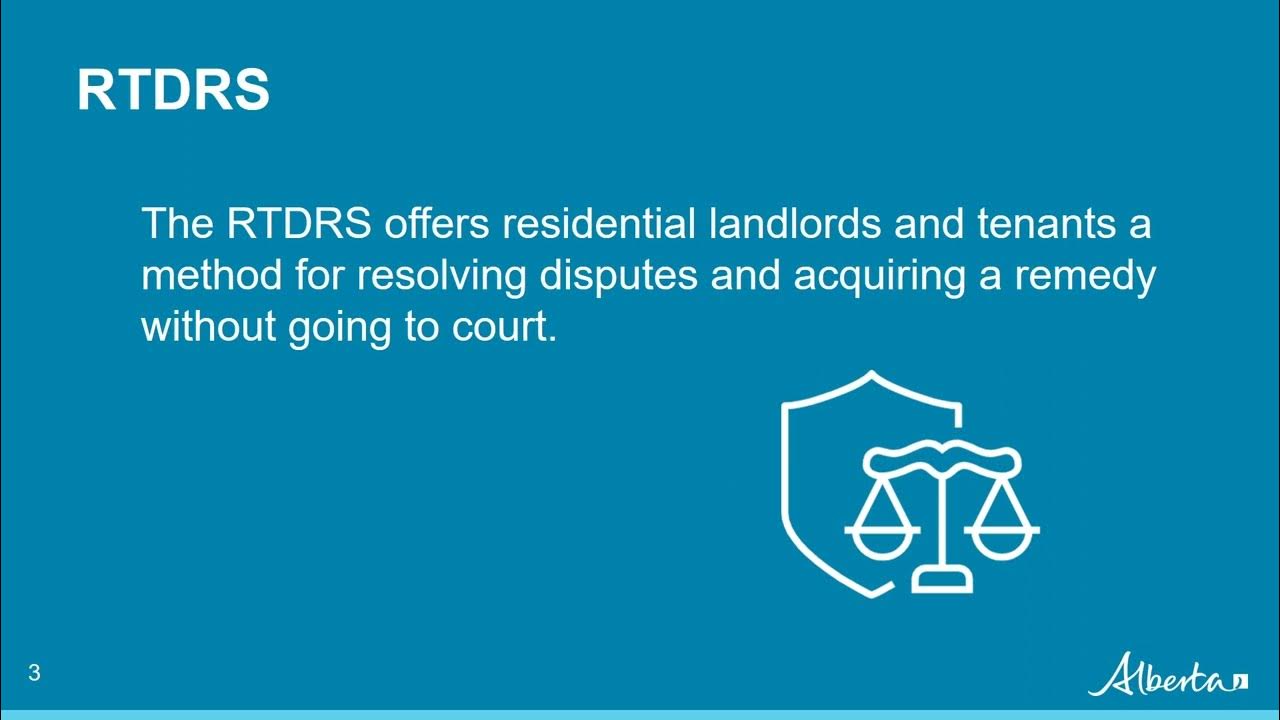
If your landlord misses the 10-day window without providing a written statement, that's a violation of the RTA. You have grounds to pursue the full amount back through the Residential Tenancy Dispute Resolution Service (RTDRS).
Does Your Deposit Earn Interest?
Yes but not in 2026. The interest rate on security deposits dropped back to 0% effective January 1, 2026, down from 0.5% in 2025 and 1.6% in 2024.
Your landlord still must hold the deposit in an interest-bearing trust account, but owes you no interest for the 2026 calendar year.
The Move-In Inspection Is Your Best Protection
Your landlord must offer you a joint move-in inspection at the start of your tenancy and a joint move-out inspection at the end. If your landlord did not do a move-in inspection, they have a much harder time justifying deductions they can't prove the damage wasn't pre-existing.
Take photos and video of every room, wall, appliance, and floor on move-in day. Do it again on move-out day. This is your evidence if it ever gets disputed.
What If You Disagree With the Deductions?
If the landlord and the tenant cannot come to an agreement, the tenant can make an application in Alberta Court of Justice or through the Residential Tenancy Dispute Resolution Service for return of the security deposit.
The RTDRS handles disputes up to $50,000 and is significantly faster and cheaper than going to court. Filing fees start at $75.
The Short Version
Your landlord can keep your deposit for actual damage, unpaid rent, abnormal cleaning, or fees in your lease. They cannot keep it for normal wear and tear. They must return it or explain every deduction in writing within 10 days of your tenancy ending.
Know your rights. Document everything. And if your landlord doesn't follow the rules, the RTDRS is there for exactly that reason.
Sources:
Service Alberta — Security Deposit Statutory References
CPLEA — Security Deposits
FirstService Residential — Understanding Alberta Tenant Rights








Comments
Conversation