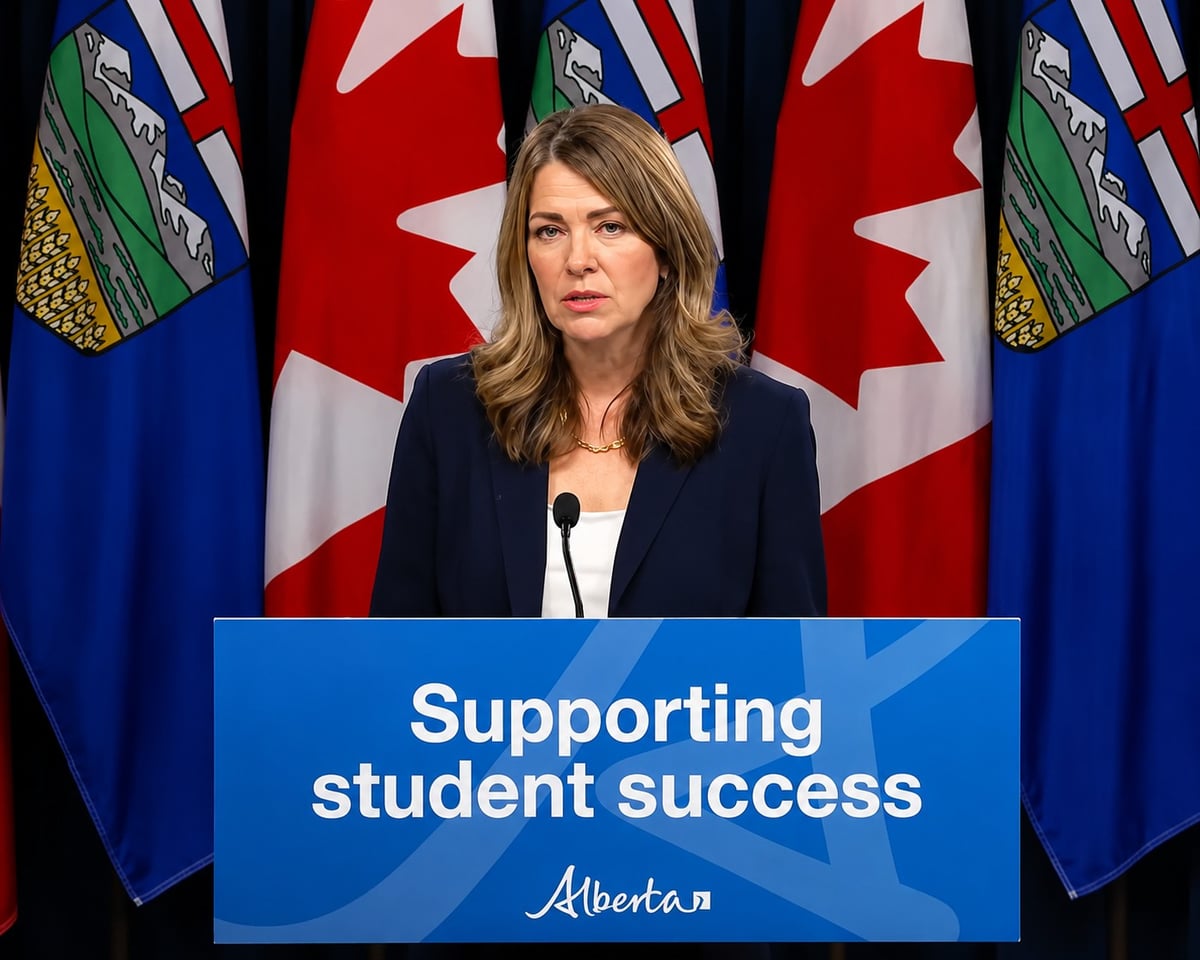
Alberta court throws out separation petition as Danielle Smith vows appeal
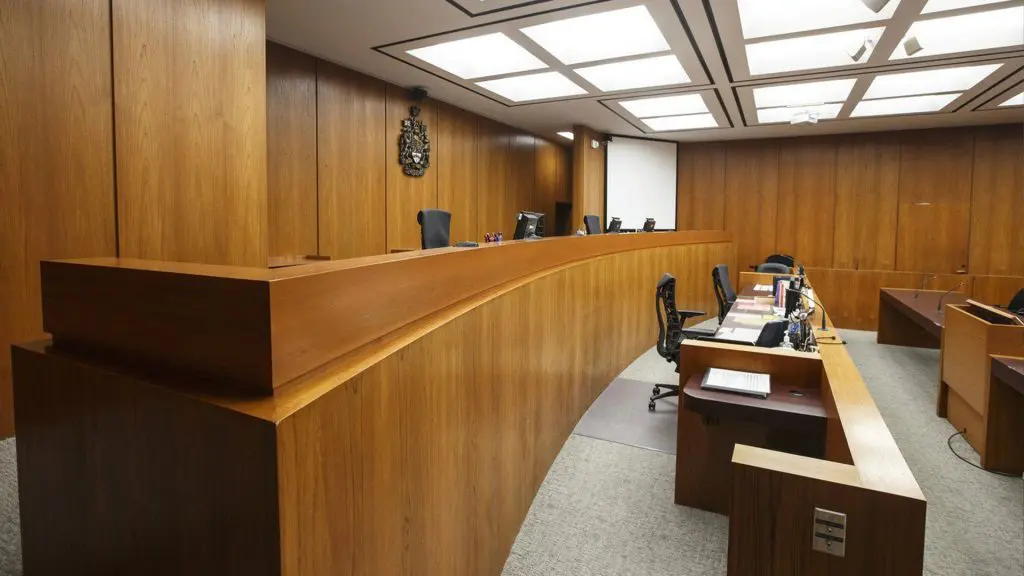
Premier Danielle Smith says Alberta’s government will fight a court ruling that struck down a citizen-led separation petition, calling the decision “anti-democratic” and warning that more than 300,000 Albertans were denied the chance to have their signatures verified. A Court of King’s Bench judge ruled Wednesday that the petition should not have moved forward through Elections Alberta without first addressing the impact on First Nations treaty rights. The ruling creates a major legal setback for the Stay Free Alberta initiative and adds another layer of uncertainty to the province’s already charged referendum season.
What the court decided
The petition asked Albertans: “Do you agree that the Province of Alberta should cease to be a part of Canada to become an independent state?”
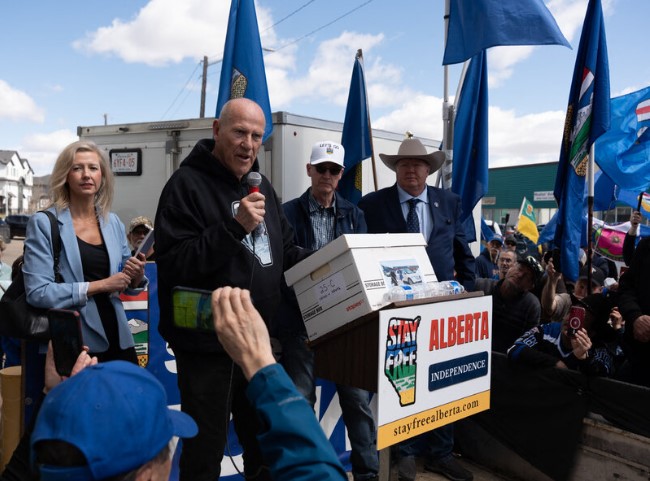
Supporters say they submitted more than 300,000 signatures after the collection period ended on May 2. Elections Alberta had received the petition and signature sheets from proponent Mitch Sylvestre, but verification had been paused because of the legal challenge. The court ruled that the process should not have advanced without consultation on the possible effects of Alberta separation on Treaties 7 and 8. That is the core issue here. This was not just a debate over whether Alberta voters should get a say. It was a ruling about whether the province could allow a separation question to move ahead without dealing with treaty rights first.
Why treaty rights matter
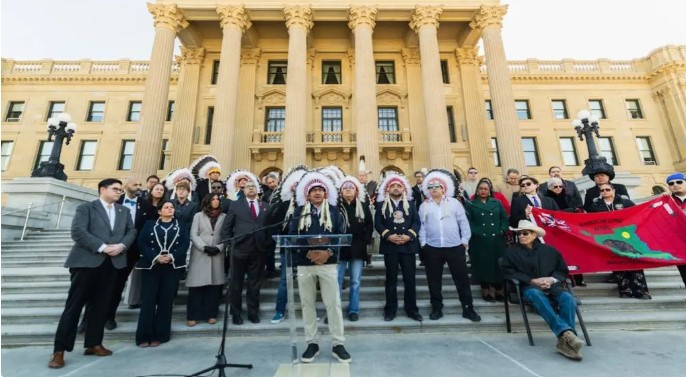
First Nations leaders argued that Alberta separation would directly affect their treaty rights and their relationship with the Crown. The court agreed that those concerns could not be skipped. Treaties are not symbolic documents. They are constitutional agreements that shape land, governance and obligations in Alberta today. If the province were ever to leave Canada, the legal questions around treaty responsibilities would be immediate and enormous.
Who would carry those obligations? Could Alberta separate without the involvement of First Nations whose treaty lands cover much of the province? Those are the questions the ruling forces back to the front of the debate.
What Smith said
Smith responded quickly, saying her government supports Alberta remaining in Canada but believes the ruling was wrong.
“We think that this decision is incorrect in law and anti-democratic, and we will be appealing it as a result,” Smith said.
She added that cabinet and caucus will meet in the coming days to review the ruling and decide next steps. Her comments are likely to resonate with Albertans who see the petition as a democratic exercise. But the ruling also makes clear that democracy does not override constitutional obligations, especially where treaty rights may be affected.
Data breach adds to separatist turmoil
The court fight is also unfolding after a major privacy controversy tied to Alberta’s separation movement. In April, Elections Alberta went to court over an online database allegedly built from Alberta’s official list of electors and shared beyond the limited group allowed to access that information. The issue triggered investigations by Elections Alberta, Alberta’s privacy commissioner, and the RCMP, and officials later added extra checks to the petition verification process to make sure leaked voter information was not used to inflate support for the independence campaign. That matters because the separation petition was already facing questions about process and trust before the court ruled on treaty consultation.
https://www.culturealberta.com/articles/calls-for-class-action-lawsuit-grow-after-massive-alberta-voter-data-leak
What happens next
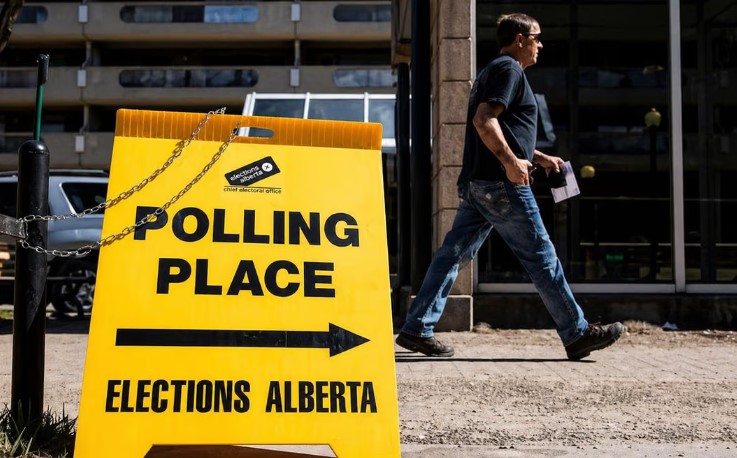
The October 19 referendum is still scheduled, but this petition is not moving forward right now unless the decision is overturned on appeal. That leaves two possible paths. The province and Stay Free Alberta could appeal the ruling, or cabinet could decide to put forward a separation question directly under Alberta’s referendum laws instead of relying on the citizen petition route. That distinction matters. The citizen initiative and a government-led referendum are not the same thing, and the legal path matters almost as much as the political one.
Why readers should care
This story is bigger than one petition. It raises a central question about who gets to decide Alberta’s future and what legal limits exist before a question ever reaches the ballot. If a separation question returns, it would not end the debate. It would only begin a much longer fight involving constitutional law, federal negotiations and treaty obligations. In other words, the ruling may have shut one door, but it has not ended the argument.
For now, the separation petition has been struck down, Smith is promising an appeal, and the October referendum is heading into another round of legal and political uncertainty.
Sources
Court of King’s Bench of Alberta – Decision of Justice Shaina Leonard on the Stay Free Alberta separation petition (May 13, 2026).
Elections Alberta – Citizen Initiative Petition information and process for the Stay Free Alberta Alberta Independence Petition.
Government of Alberta – Referendum Act and official information on the October 19, 2026 referendum and ballot questions.
Premier Danielle Smith – May 13, 2026 statement and media availability on the court ruling and planned appeal (“incorrect in law and anti-democratic”).
Athabasca Chipewyan First Nation – Public statement welcoming the stay and challenging the separation referendum process.
Blackfoot Confederacy – Statement on court-ordered stay of the separation petition and the duty to consult on treaty rights.






Comments
Conversation