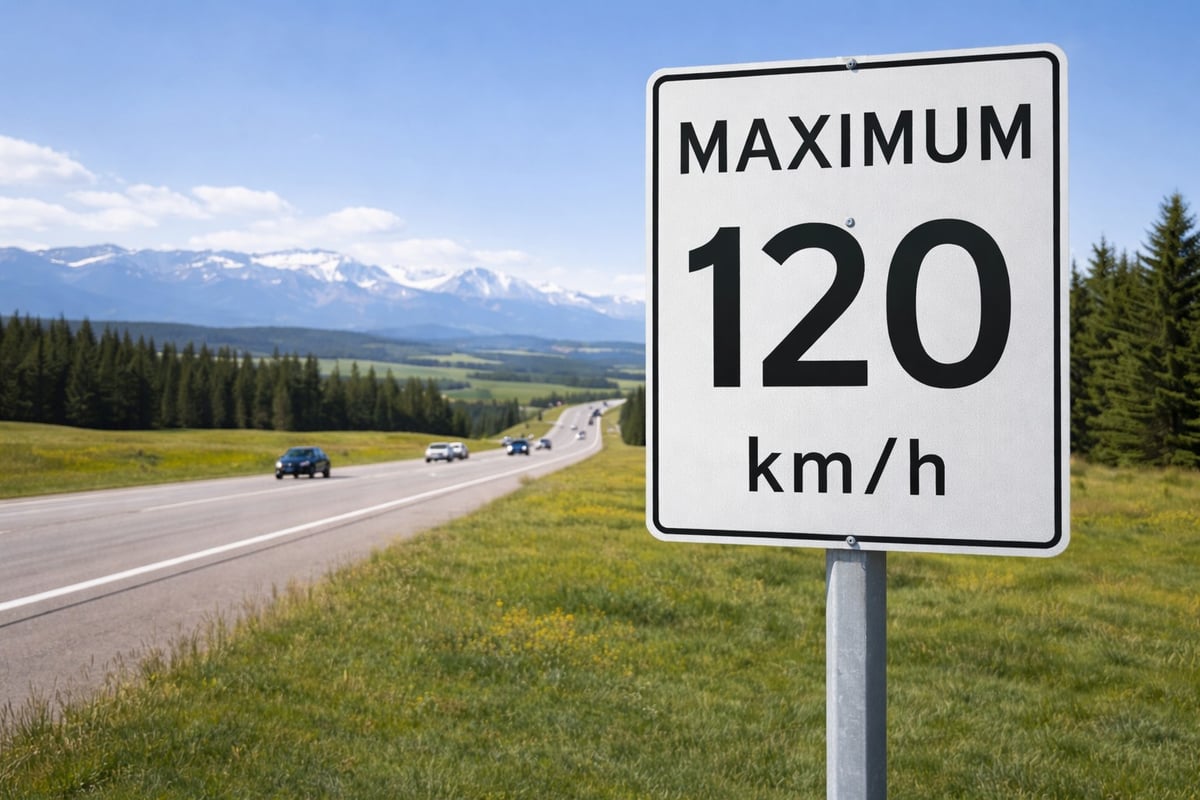
Most Albertans who regularly commute the Queen Elizabeth II Highway know the unspoken rule: the flow of traffic rarely sits at the posted 110 km/h. Now, the provincial government is moving to make that reality legal.
This summer, a pilot project will bump the speed limit to 120 km/h on a stretch of the QEII south of Leduc. The move, championed by the province as a practical modernization of traffic laws, has immediately sparked conversations over highway safety, structural engineering, and political priorities.
Engineered for Speed
For Transportation Minister Devin Dreeshen, the decision is rooted in both structural capacity and public consensus.
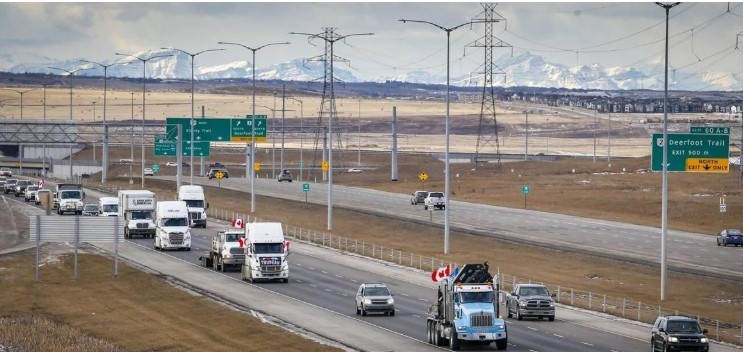
The province points to a recent public engagement survey that drew responses from over 50,000 Albertans. The data delivered a clear mandate for the government, with more than 70 per cent of respondents supporting a speed limit increase on divided rural highways. According to Dreeshen, the policy shift simply aligns the law with the physical reality of the roads, noting that Alberta's major divided highways were explicitly designed and engineered to safely handle speeds of 120 km/h.
The Opposition’s View
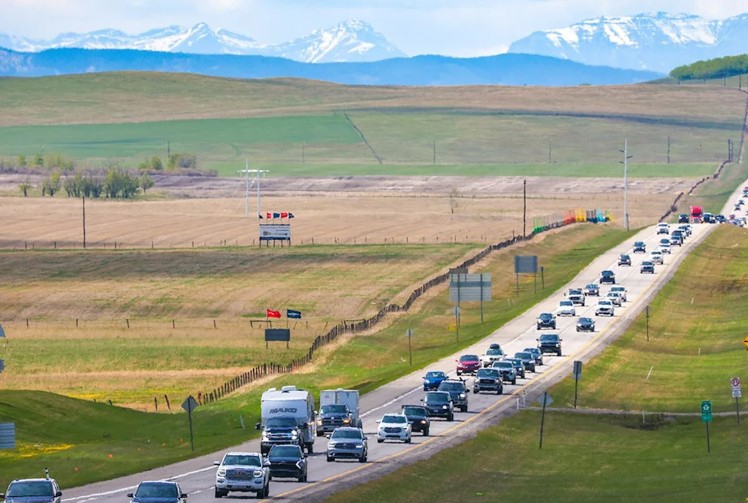
The Official Opposition, however, views the summer pilot through a highly cynical lens, questioning why highway speeds are taking up legislative oxygen.
Alberta NDP transportation critic Lorne Dach has publicly pushed back against the initiative, framing it as a calculated distraction. Dach argued it is "confounding" that the government views the speed limit hike as a priority, suggesting the policy is likely a "smokescreen" intended to obscure the government's track record on heavier, more pressing issues currently facing Albertans.

The Missing Context: B.C.’s Cautionary Tale
While the partisan back-and-forth dominates the legislature, a vital piece of context is largely missing from the conversation: British Columbia already tried this.
In 2014, B.C. aggressively raised speed limits to 120 km/h on several major multi-lane highways. Four years later, the province was forced to quietly roll back the majority of those increases. A subsequent study published by researchers and engineers from the University of British Columbia revealed a harsh reality fatal crashes and serious insurance claims spiked dramatically on the routes with the higher limits.
It is worth noting that Alberta’s flat, straight, and heavily divided highways offer a vastly different driving environment than B.C.’s winding mountain passes. However, safety advocates will be watching the Leduc pilot closely to see if Alberta's terrain mitigates the risks B.C. encountered.
What’s Next for Alberta Drivers?
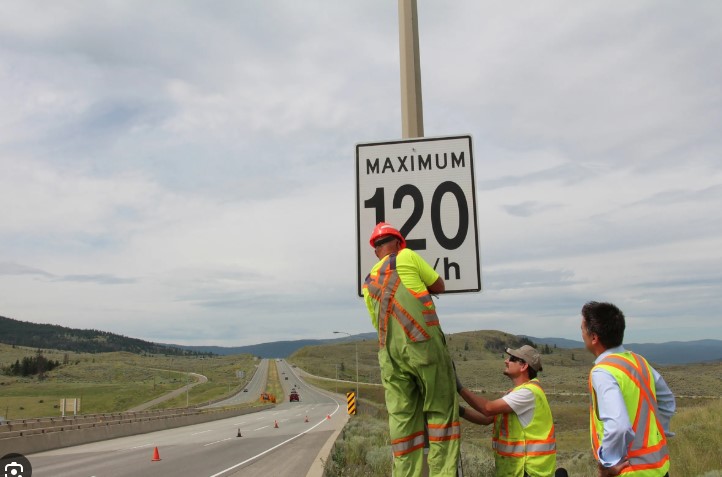
The Leduc test zone is likely just the beginning. If the government deems the summer pilot a success, the 120 km/h limit is expected to roll out permanently across the province's busiest corridors.
Future expansion targets already being floated include Highway 16 through the Edmonton region, Highway 1 near Calgary, and the heavily trafficked Highway 63 route to Fort McMurray.
Sources:
Government of Alberta / Minister Devin Dreeshen: Public statements and data derived from the provincial Divided Highway Speed Limit Increase Engagement Survey.
Lorne Dach, Alberta NDP Transportation Critic: Official opposition statements regarding provincial transportation priorities.
University of British Columbia: Historical crash data and road safety studies regarding the 2014 B.C. speed limit increases.







Comments
Conversation