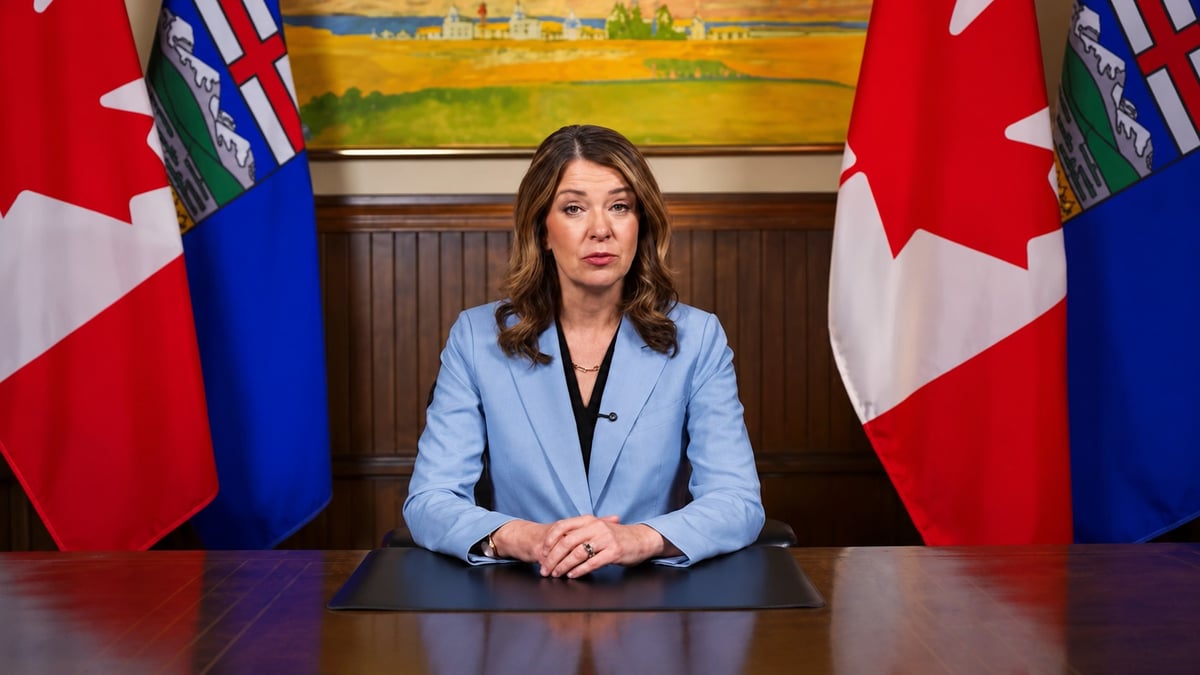
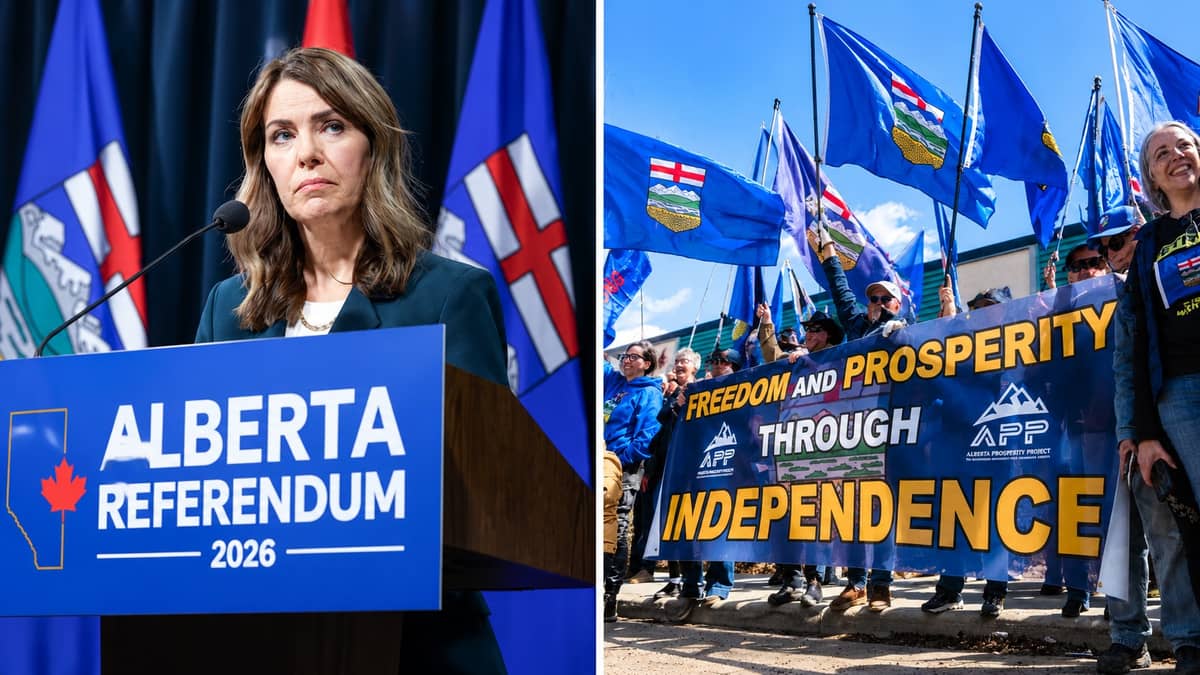
Danielle Smith went on provincial television Thursday night and announced Albertans would vote this fall on Alberta's place in Canada.
The catch is in the wording. A Yes vote does not separate Alberta from Canada. It does not even guarantee a second referendum. It authorizes the provincial government to begin the legal process that could eventually lead to one.
A referendum to decide if Alberta should hold a referendum.
Some Context on How We Got Here
Thursday's announcement did not come out of nowhere.
Smith won the UCP leadership in 2022 on a platform built partly around the Free Alberta Strategy, a document outlining steps toward greater provincial autonomy from Ottawa. Her first act as premier was introducing the Alberta Sovereignty Within a United Canada Act a law allowing the province to refuse enforcement of federal laws it considers an overreach. In the legislature during that bill's passage, she told members: "It's not like Ottawa is a national government. The way our country works is that we are a federation of sovereign, independent jurisdictions."
She has consistently governed from the more autonomy-minded wing of her party. Thursday night's announcement is, depending on your read of her, either the logical continuation of that position or a significant escalation of it.
Smith herself says she wants Alberta to stay in Canada and will campaign for No in October. Both things are true at the same time.
How the Referendum Got on the Ballot
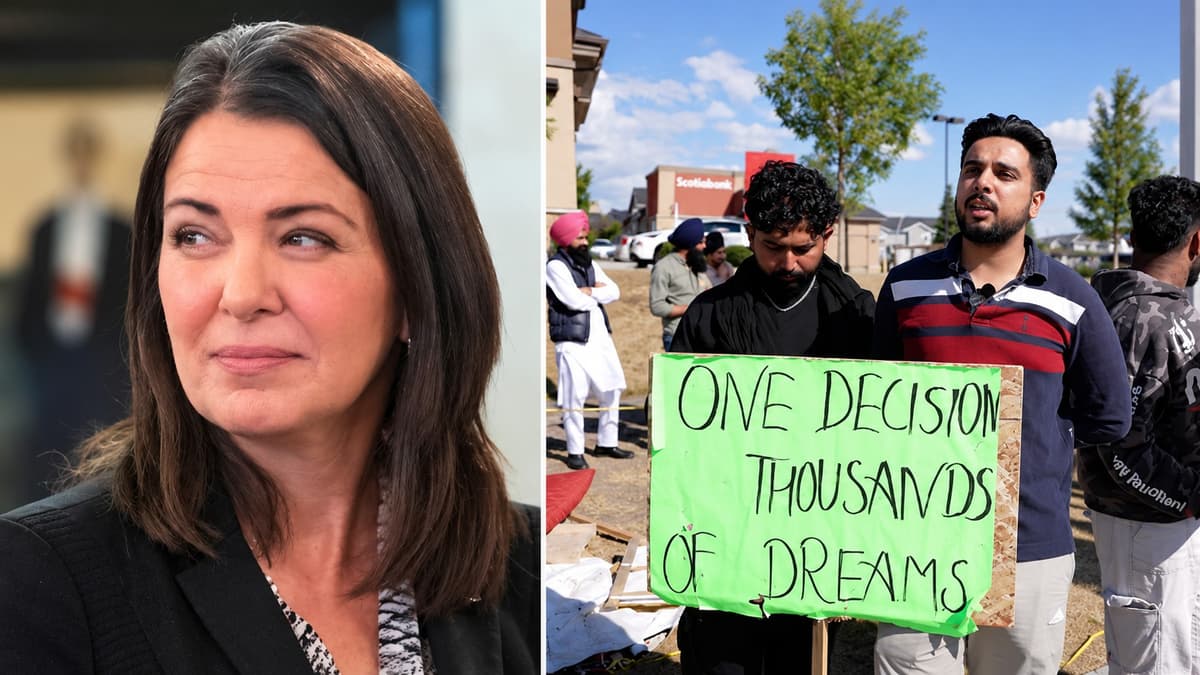
A citizen-initiated petition led by Mitch Sylvestre a UCP constituency association president gathered nearly double the required signatures to force a binding province-wide independence vote this fall.
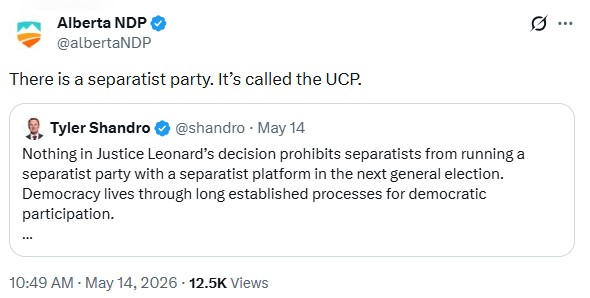
Last week, Court of King's Bench Justice Shaina Leonard threw it out. The province had failed to consult First Nations before launching the process, as legally required, because separation would affect treaty rights.
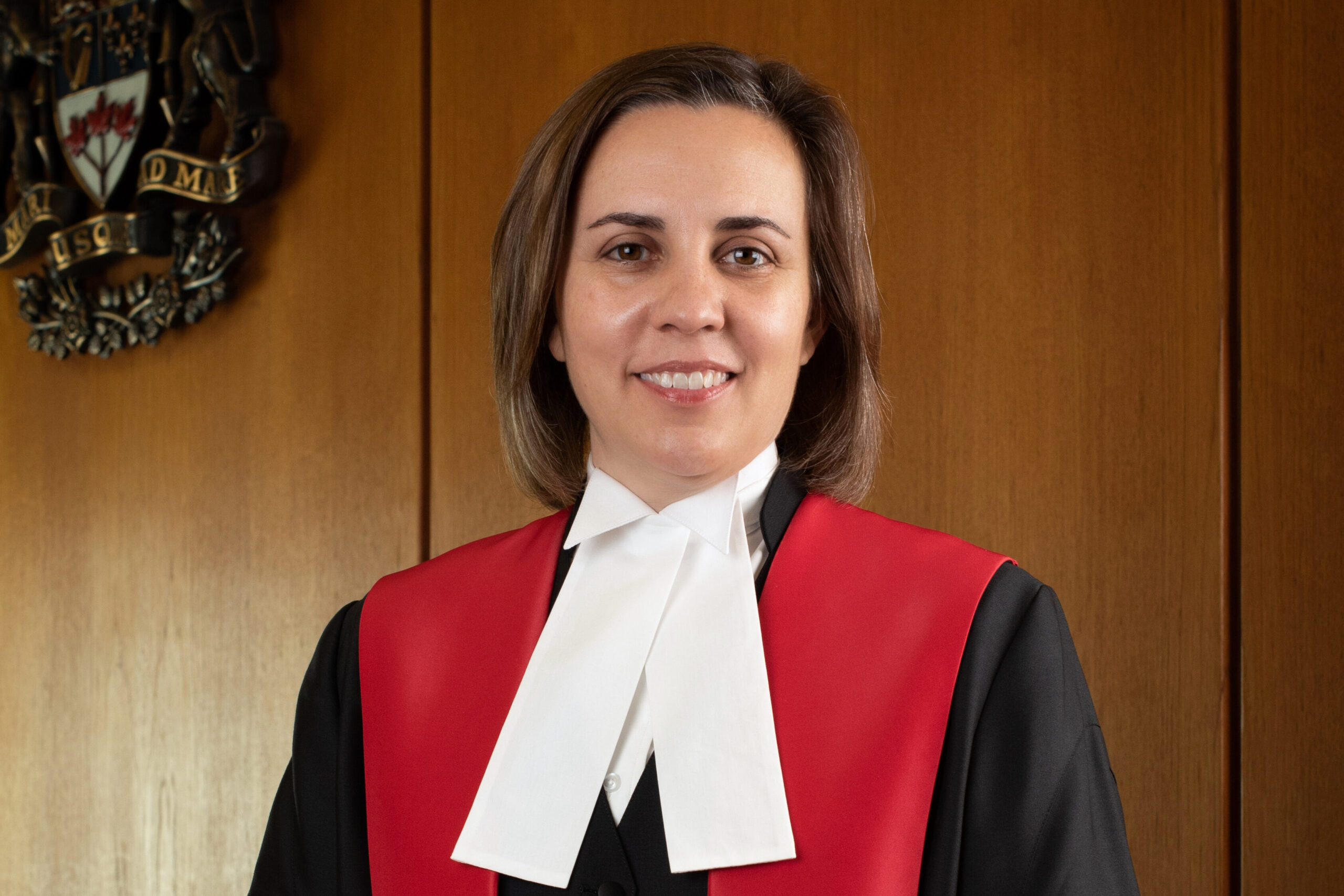
Smith vowed to appeal. But October 19 was already locked in as referendum day for nine questions on immigration and constitutional issues. Waiting on an appeal outcome meant potentially missing the window entirely. So using government authority rather than the citizen petition process, she added a tenth question to the ballot herself one worded to sidestep the court ruling by not technically triggering separation.
The people who spent months gathering signatures were not pleased.
"We almost doubled the number of signatures required, and now Danielle has stabbed all of those people in the back," said Jeffrey Rath, who supported the original petition effort.
The Question, In Plain English
The full question: "Should Alberta remain a province of Canada or should the Government of Alberta commence the legal process required under the Canadian Constitution to hold a binding provincial referendum on whether or not Alberta should separate from Canada?"
In plain terms: a Yes vote authorizes cabinet to begin consultations and legal steps toward a future binding referendum. It does not separate Alberta. It does not guarantee a second vote. It starts a process with no defined end date.
Smith's stated rationale: hundreds of thousands of Albertans signed the original petition and deserve to be heard, the question gives Alberta leverage in ongoing negotiations with Ottawa, and the fall ballot is the cleanest legal option after the court blocked the petition. She added that she personally believes Alberta should remain in Canada.
What People Are Asking
Does this mean Alberta is actually leaving Canada?
Not based on October's vote alone. A Yes result starts a legal process that would involve constitutional consultations and almost certainly further court challenges before any binding vote could happen. There is no defined timeline and no Alberta exit in 2027.
What do First Nations say?
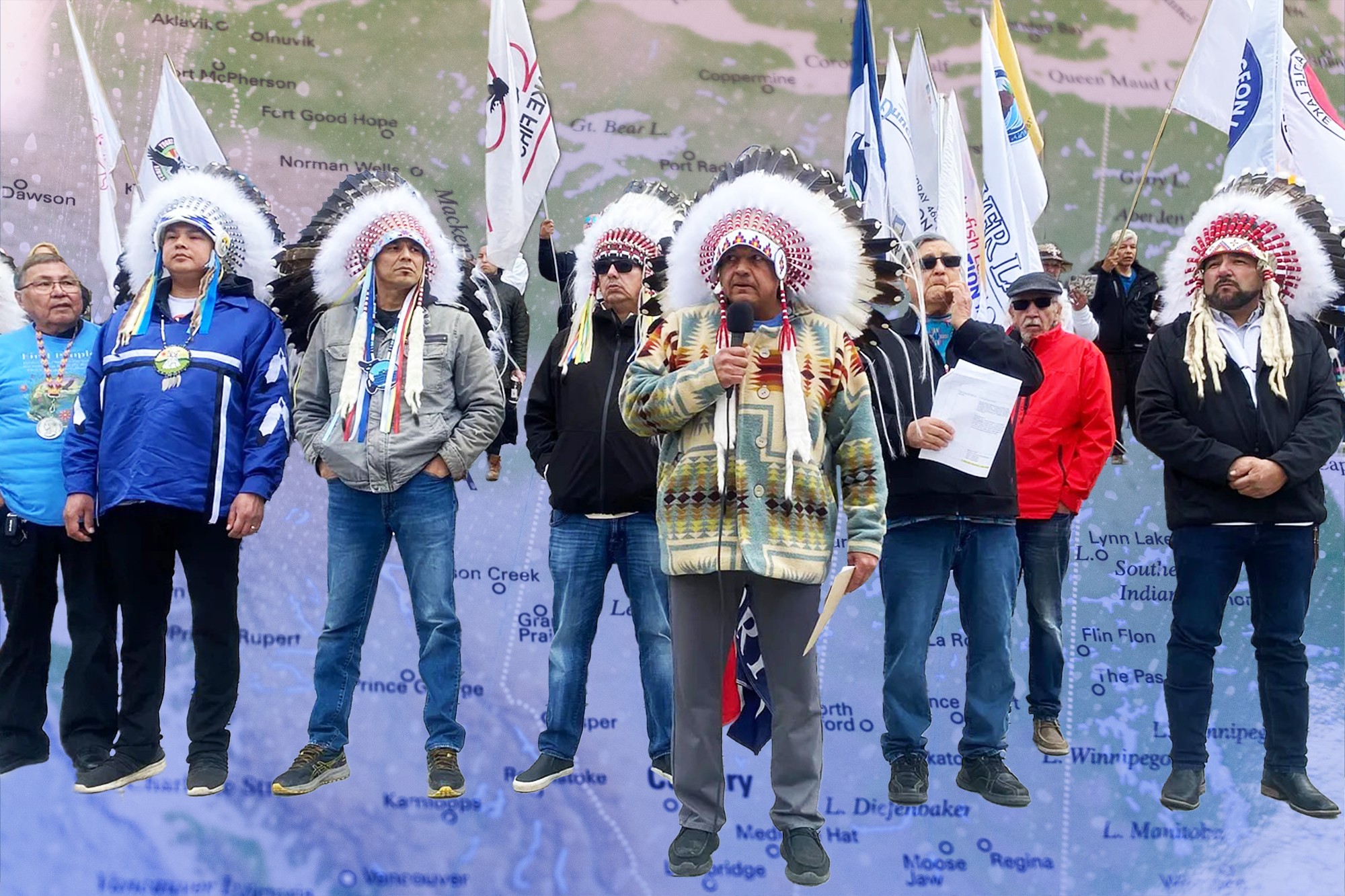
The Confederacy of Treaty No. 6 First Nations says any form of separation referendum breaches the treaty relationship established under Treaty No. 6 and protected by the Constitution. Two separate Court of King's Bench judges have now agreed Justice Leonard's ruling last week and an earlier First Nations injunction decision in April both found that separation would violate treaty rights. Smith is appealing both decisions.
Is anyone pushing back from the pro-Canada side?
Yes. A counter-petition affirming Alberta's place in Confederation met Elections Alberta's threshold and has been largely overlooked in this week's coverage. It will matter on October 19.
What about Alberta's relationship with Ottawa right now?
Smith and Prime Minister Carney signed a pipeline MOU last November Alberta agreeing to certain environmental concessions in exchange for movement toward a West Coast bitumen pipeline. That deal requires ongoing cooperation between Edmonton and Ottawa to function. Former UCP minister Thomas Lukaszuk raised the tension directly: "What foreign business would want to invest in a province that is going to hold a referendum on holding a referendum and possibly separate from Canada?"
The Reaction
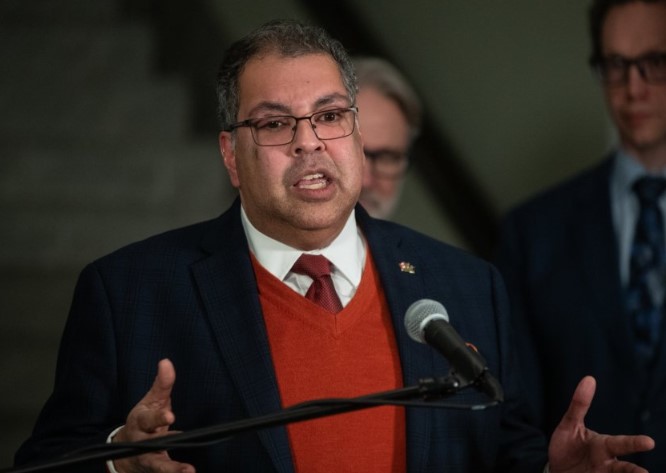
NDP Leader Naheed Nenshi said the announcement put political interests ahead of the country's future. "Today, the premier has chosen to put the freedom of our country behind her own political expediency." He committed the NDP to campaigning for No.
Prime Minister Mark Carney kept his response measured. "Canada is working. We're renovating the country as we go, and Alberta being at the centre of that is essential." He pointed to the pipeline agreement as evidence that cooperation between the two governments remains productive.
The Confederacy of Treaty No. 6 First Nations called the announcement confirmation that Albertans are living under a separatist regime, and said they intend to continue fighting it in court.
What Happens October 19
If Albertans vote No: the legal process does not begin. The separatist movement absorbs a ballot-box defeat. The pro-Canada counter-petition gets the outcome it organized for.
If Albertans vote Yes: cabinet begins legal steps and consultations toward a binding referendum. No defined timeline. Further court challenges over treaty rights are near certain. No Alberta exit in 2027.
Separate track: Smith's appeal of both Court of King's Bench rulings continues regardless of October's result. If successful, the original citizen petition process could be revived alongside the government question.
Alberta votes October 19.
Sources
Premier Danielle Smith televised address, May 21, 2026
Alberta Sovereignty Within a United Canada Act, December 2022
Court of King's Bench, Justice Shaina Leonard ruling, May 2026
Court of King's Bench, First Nations injunction ruling, April 2026
Confederacy of Treaty No. 6 First Nations statement, May 22, 2026
NDP Leader Naheed Nenshi statement, May 22, 2026
Prime Minister Mark Carney remarks, Parliament Hill, May 22, 2026




Comments
Conversation