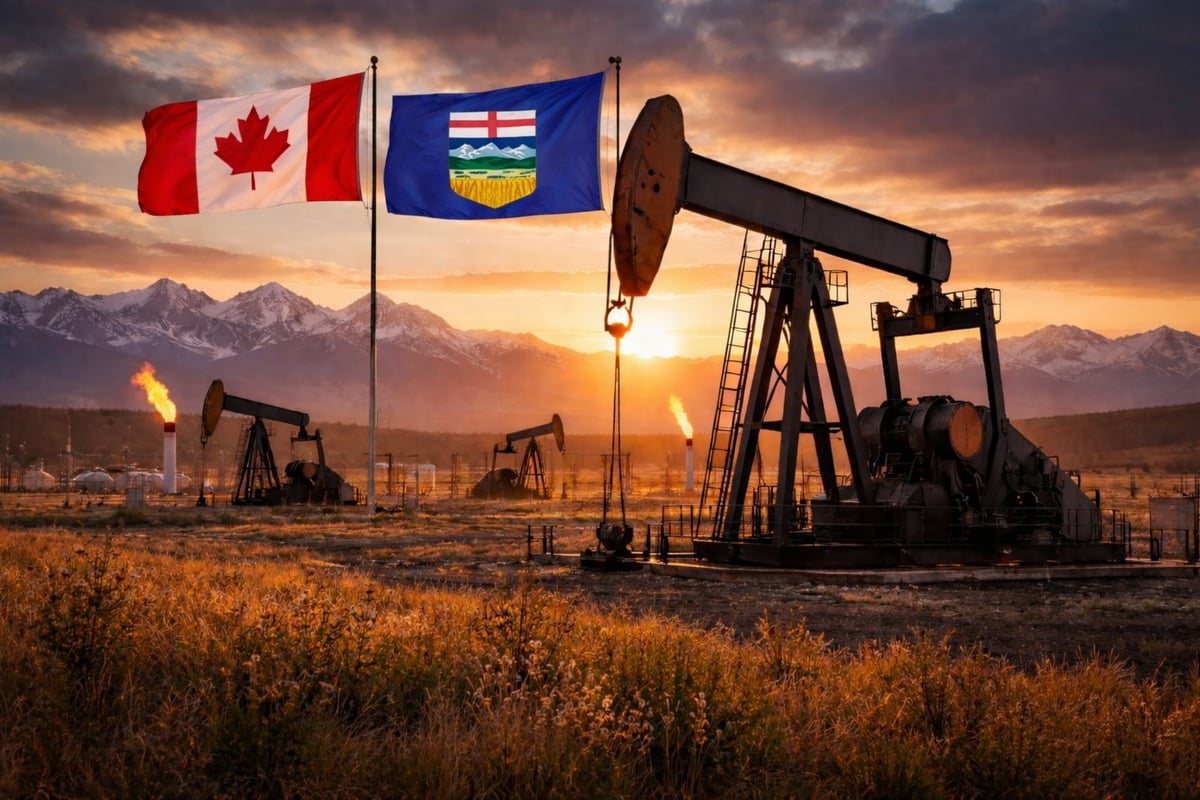
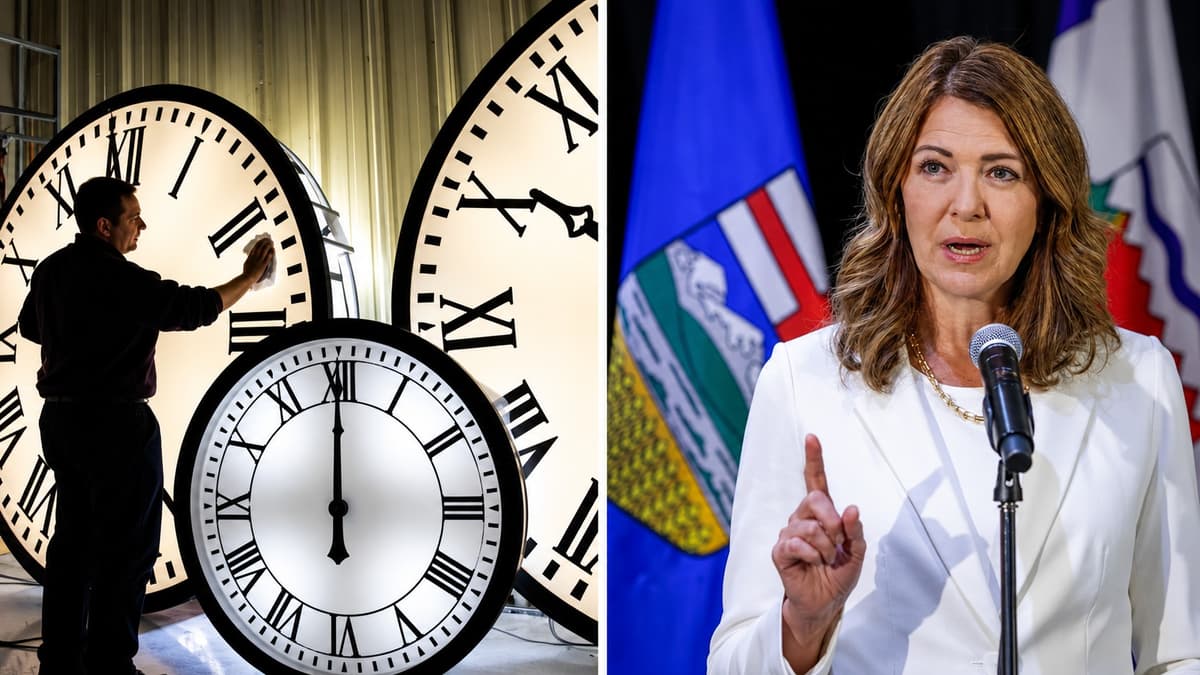
One week ago, Alberta tabled Budget 2026 with a sobering message: oil prices were going to stay low, royalty revenues were collapsing, and the province was headed for a $9.4 billion deficit. Premier Danielle Smith had been warning Albertans for months to brace for the pinch.

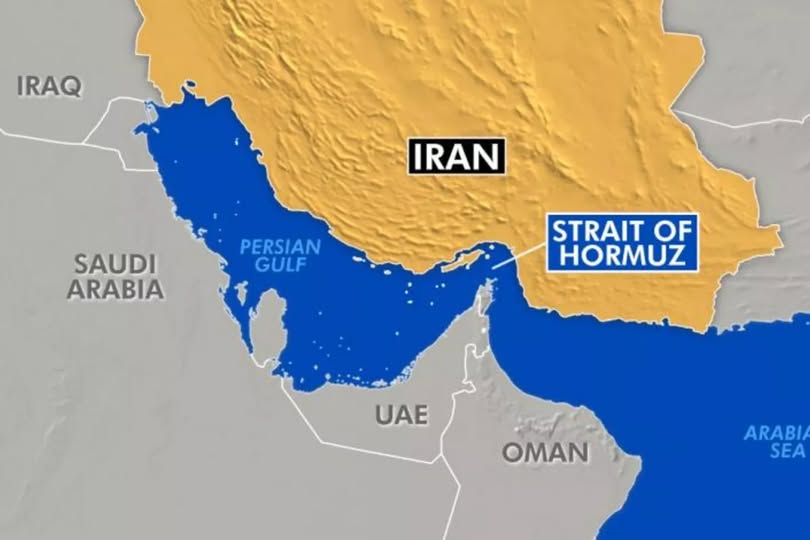
Then the United States and Israel launched strikes on Iran, the Strait of Hormuz the narrow waterway through which roughly 20 per cent of the world's seaborne oil passes effectively shut down, and crude oil prices posted their largest weekly gain in the history of futures trading dating back to 1983.
West Texas Intermediate crude, the North American benchmark, closed Friday at just over $91 a barrel after starting last week near $67. By Sunday it had crossed $100. By Monday morning it briefly touched $119 before settling back near $95. Analysts at JPMorgan warned clients that Brent crude the global benchmark could reach $120 to $130 a barrel if the Strait remains closed.
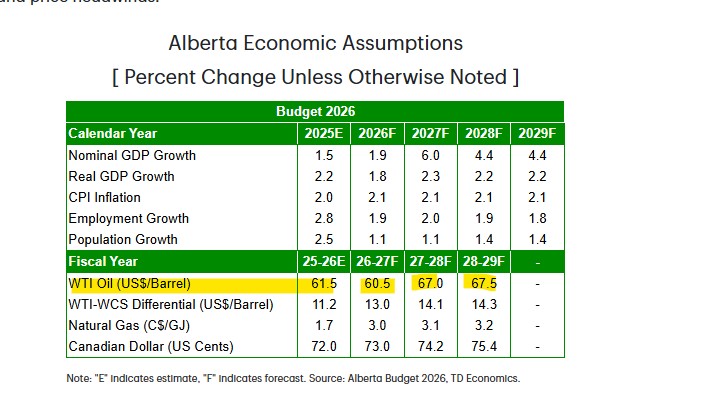
Alberta's Budget 2026 was built on WTI averaging $60.50 for the coming fiscal year.
Why Alberta Is Different From Every Other Province
When oil prices rise, it does not hit the country evenly. For Ontario and British Columbia, higher crude means higher fuel and heating costs it is essentially a tax. For Alberta, it is revenue.
The provincial government collects royalties on every barrel of oil and gas produced in the province. According to Budget 2026, non-renewable resource revenue almost entirely oil and gas royalties was forecast to bring in $13.2 billion in the coming fiscal year. That is already $8.8 billion less than what the sector generated in 2024-25, and a key reason the deficit ballooned to $9.4 billion.
The math on what rising oil prices could mean for that number is straightforward. According to TD Economics' analysis of Budget 2026, every single dollar increase in WTI crude translates to roughly $1.35 billion in additional provincial revenues when you factor in both the price itself and any improvement in the differential between WTI and the Western Canadian Select price that Alberta producers actually receive.
WTI has moved more than $30 above where the budget was priced in the past week alone.
The Catch: WCS Is Not WTI
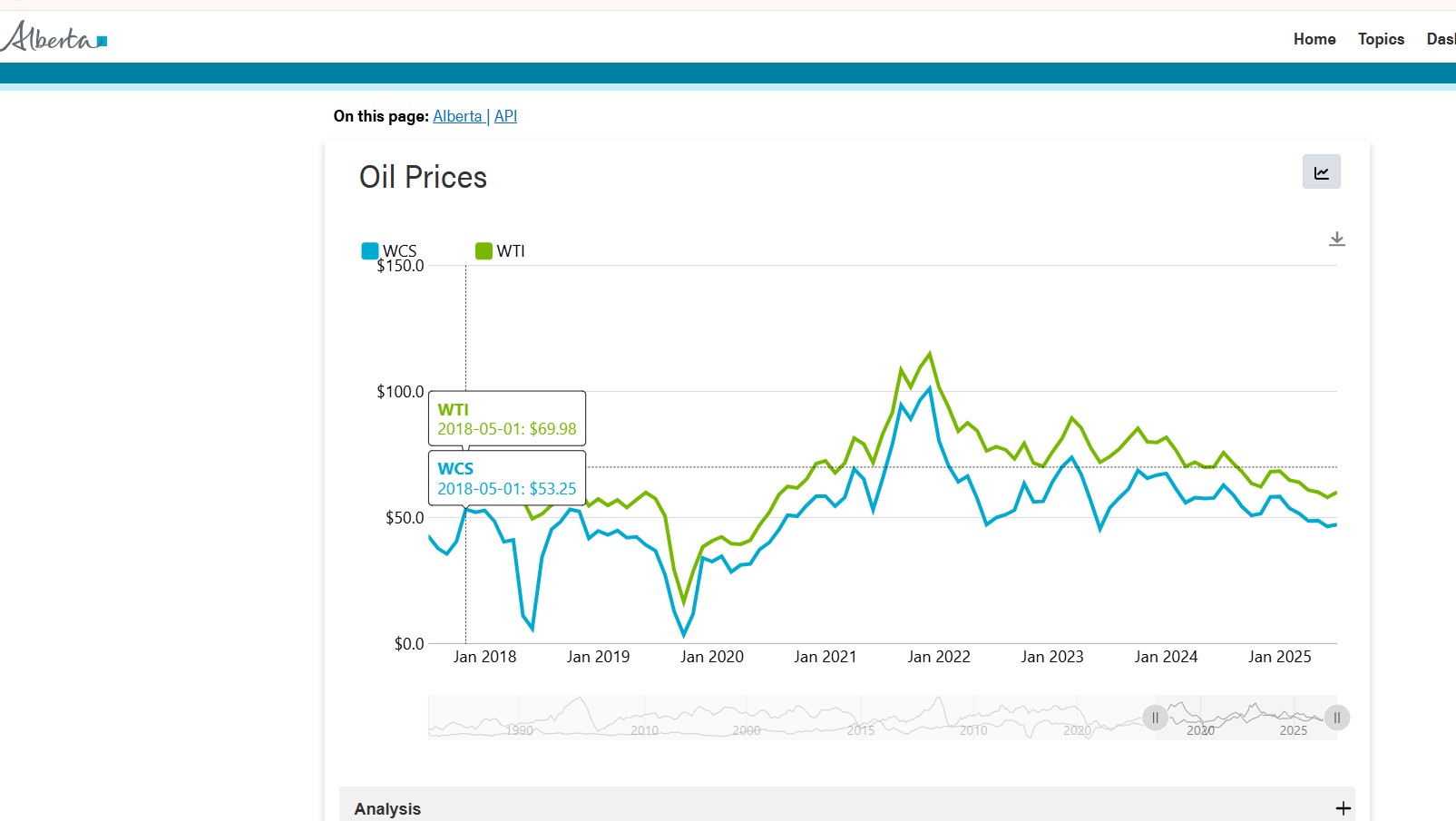
Alberta producers do not sell WTI. They sell Western Canadian Select a heavier, blended crude priced at a discount to WTI because it costs more to refine and more to ship.
That discount, called the differential, has historically averaged around $15 to $18 a barrel. It narrowed significantly after the Trans Mountain Pipeline Expansion opened in 2024, giving Alberta producers better access to Pacific and Asian markets. Budget 2026 assumed the differential would sit around $12 to $13 a barrel.
Here is the complication with the current price spike: some analysts believe the Middle East crisis could actually narrow the WCS differential further, because the global shortage of heavy crude Iran and Iraq both produce heavy oil that refineries need makes Alberta's oil sands product more attractive. CBC News reported this week that analysts see that as a potential upside for Alberta producers beyond just the headline WTI number.
If that plays out, Alberta's fiscal picture could improve dramatically. If the conflict resolves quickly and prices retreat, the budget deficit stays roughly where it was projected.
What It Means at the Pump
The other side of rising oil prices hits Albertans directly as consumers.
Alberta has a provincial fuel tax of 13 cents per litre but the province runs a fuel tax relief program that adjusts the rate quarterly based on WTI prices. When WTI averages $90 USD or above, the full 13 cents is suspended and Albertans pay nothing in provincial fuel tax. Between $85 and $89.99, the rate drops to 4.5 cents per litre. Between $80 and $84.99, it sits at 9 cents. Only when WTI falls below $80 does the full 13 cents apply.
With WTI currently above $90, Albertans are in suspended fuel tax territory meaning the provincial portion of your pump price is currently zero. That is real money: 13 cents per litre works out to roughly $6.50 on a 50-litre fill for a compact car and over $17 on a large pickup truck. But the relief is calculated quarterly, not daily, so the full benefit of the current spike may not flow through until the next rate adjustment. In the meantime, the underlying cost of crude still pushes pump prices higher regardless of the tax rate.
In the United States, the average price for a gallon of regular gasoline jumped nearly 27 cents in the single week ending March 6, according to U.S. Energy Information Administration data. Canadian prices will follow a similar trajectory with the added complication of a weaker Canadian dollar, since oil is priced globally in U.S. dollars. Every time you pay for gas in Canada, you are partly paying a currency exchange rate.
Heating costs are also worth watching. Natural gas prices have already been elevated this year the Henry Hub spot price averaged $7.72 USD per million BTU in January, up 81 per cent from December, driven by a cold winter and low storage levels. A prolonged Middle East conflict that disrupts global energy markets would put additional upward pressure on natural gas prices heading into next fall and winter.
The Bigger Picture for Alberta's Budget
The honest answer to what this means for Alberta's deficit is: it depends entirely on how long the conflict lasts and whether the Strait of Hormuz reopens.
Alberta's Budget 2026 assumed WTI would average $60.50 across the entire fiscal year beginning April 1. The year is not yet underway. If prices stay elevated even at $80, well below current levels the royalty revenues flowing to the province would be substantially higher than projected. At $90 sustained over a full year, the deficit picture looks very different than what was tabled last week.
But "sustained" is the key word. The province learned this lesson painfully in previous boom-bust cycles. Building spending plans around a price spike that could reverse in weeks is how you end up with structural deficits when the market normalizes.
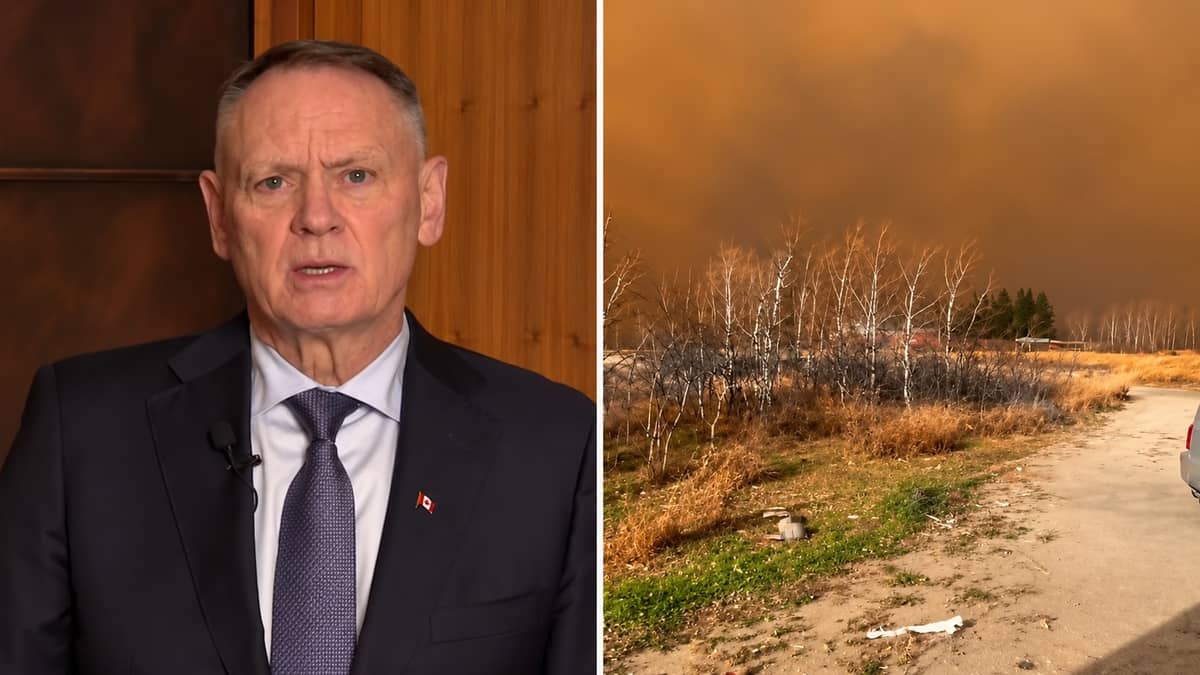
Transportation Minister Devin Dreeshen said Friday that higher oil prices would need to extend throughout the year to make a real difference to the budget. "Obviously, from a budgeting standpoint, it does have to extend throughout the entire year to make a big difference," he told reporters.
For now, the situation is genuinely unprecedented Alberta goes into a new fiscal year with a budget priced for $60 oil while crude trades above $90, with some analysts calling for $130 or $150 if the Strait of Hormuz remains closed. The province that has been bracing for a difficult year may be looking at an unexpected windfall instead.
Or not. The Strait could reopen tomorrow.
Sources: Government of Alberta Budget 2026; TD Economics Budget 2026 analysis; Alberta Energy Regulator ST98 crude oil price forecasts (aer.ca); U.S. Energy Information Administration Short-Term Energy Outlook (February 2026); CNBC oil markets reporting, March 6-9, 2026; CBC News Alberta oil price coverage, March 6, 2026



Comments
Conversation