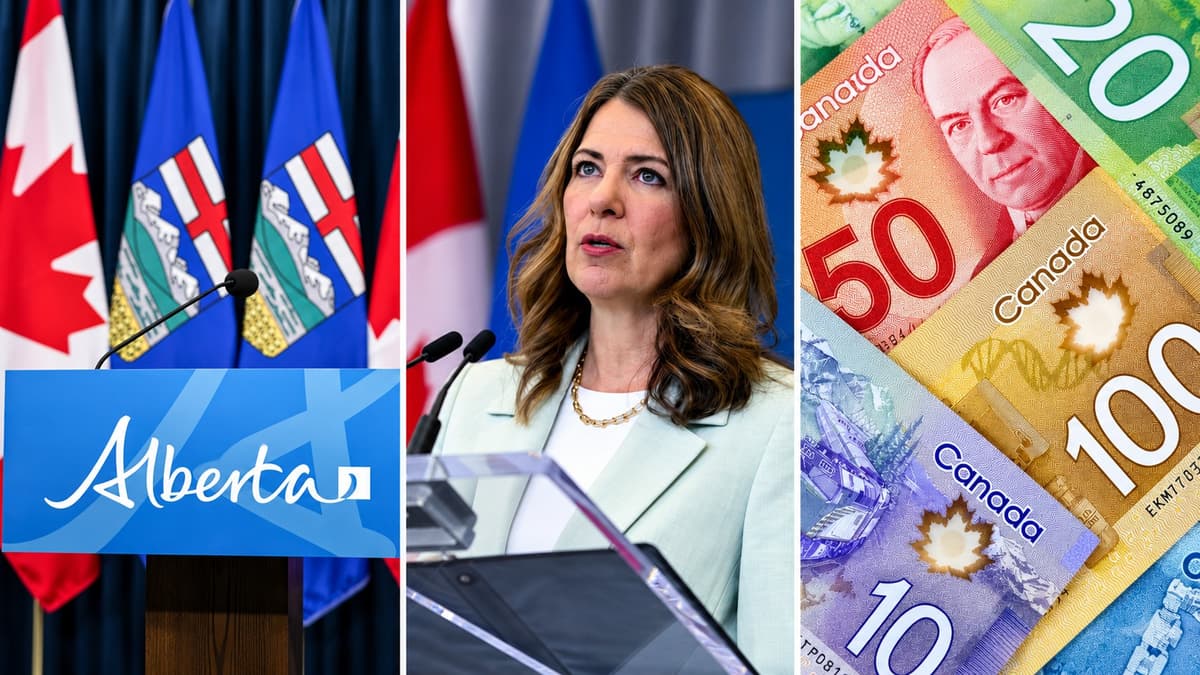
Alberta has struck a deal with South Korea to scrap a three per cent tariff on crude oil exports, a move the province says could push annual sales from $400 million to as high as $1 billion.
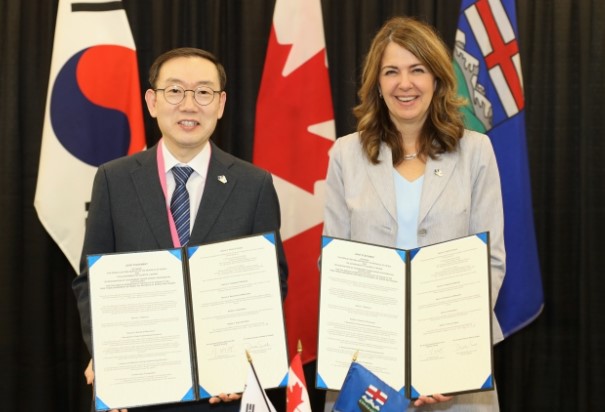
Premier Danielle Smith signed a joint statement with South Korea's Customs Commissioner, Myeong-ku Lee, confirming that diluted bitumen shipped from Canada qualifies as a Canadian-origin product. That classification had been in dispute. Its resolution removes one of the last standing trade barriers between Alberta and one of Asia's biggest energy importers.
Smith called it "a meaningful step forward" that would help "position Alberta as a reliable global energy supplier."
How the Deal Actually Works
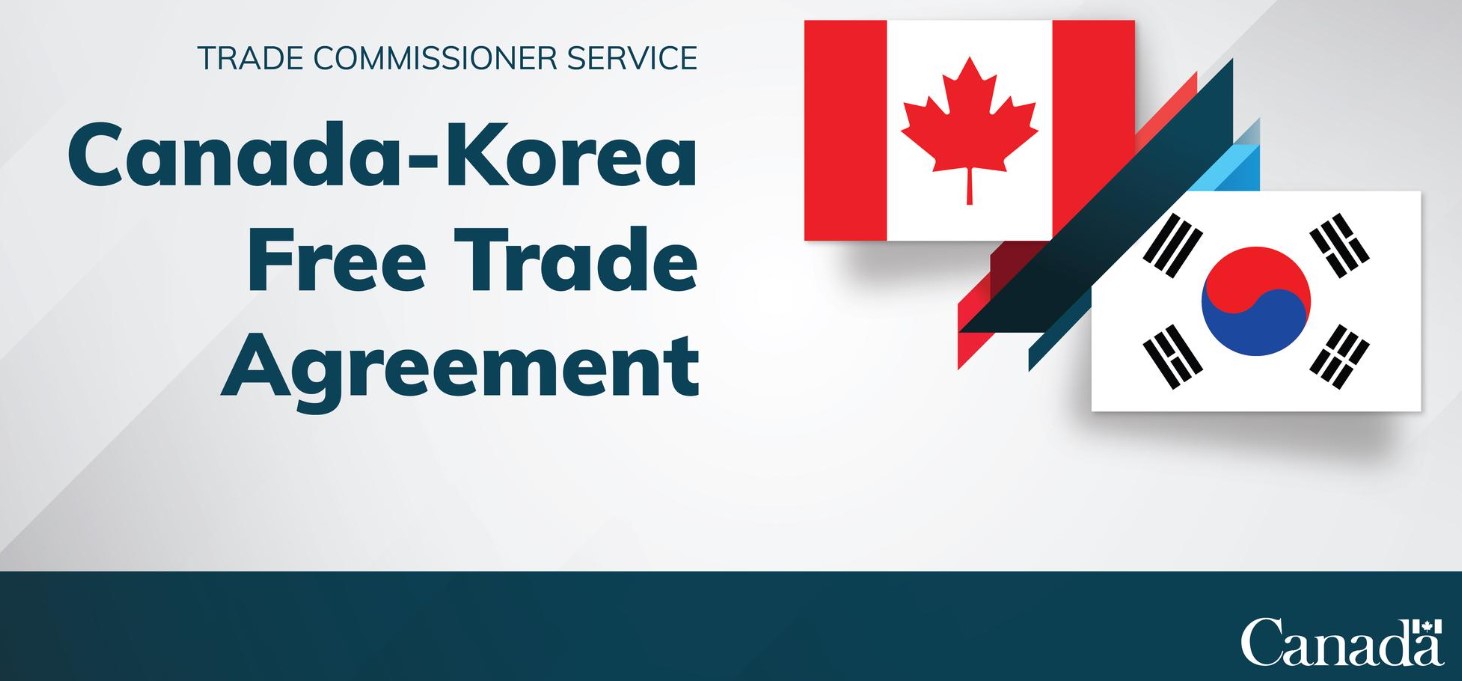
The tariff wasn't renegotiated from scratch. Canada and South Korea already have a free trade agreement the Canada-Korea Free Trade Agreement which provides for reduced or zero tariffs on Canadian crude. The problem was that South Korea's customs authority hadn't been classifying Alberta's diluted bitumen as a Canadian-origin product, meaning the existing trade agreement protections weren't being applied to it.
The joint statement signed by Smith and Commissioner Lee resolves that classification dispute, formally confirming that dilbit qualifies as Canadian-origin under South Korean customs rules. With that settled, the three per cent tariff falls away under the existing agreement. International trade remains federal jurisdiction the federal government was involved in the process alongside Alberta, though Smith's announcement has led to some confusion about the province's role.
Exports Already Surging
The deal formalizes a trade relationship that has been accelerating fast. Alberta exported nearly $400 million in crude oil to South Korea in 2025 a jump of more than 500 per cent year over year. That surge came after expanded pipeline access to the B.C. coast opened new shipping routes into Asian markets, something Alberta's energy industry had pushed for over a decade.
South Korea is the fifth-largest importer of crude oil in the world. Its refining sector is among the most advanced in Asia despite the country having almost no domestic energy resources. That makes it a natural long-term buyer for Alberta oil that now has a Pacific tidewater route.
What the Agreement Does
The joint statement does two things. It waives the three per cent tariff on Alberta crude exports, and it formally confirms that diluted bitumen counts as Canadian-origin under South Korean customs rules. That origin question had been creating uncertainty for producers and buyers alike.
With it resolved, Alberta energy companies can compete on price without an automatic three per cent cost disadvantage against other crude suppliers into the Korean market.
The Bigger Picture
The deal fits Smith's stated goal of doubling Alberta's oil and gas production by 2035. Hitting that target requires more buyers, not just more output and Asia is the biggest pool of untapped demand for Alberta crude.
South Korea is also one of Alberta's oldest international partners. Alberta's sister province relationship with South Korea's Gangwon province dates back to 1974. Edmonton holds a friendship agreement with Wonju. Daejeon is Calgary's sister city. The energy deal adds a significant economic layer to what had largely been a cultural and educational relationship.
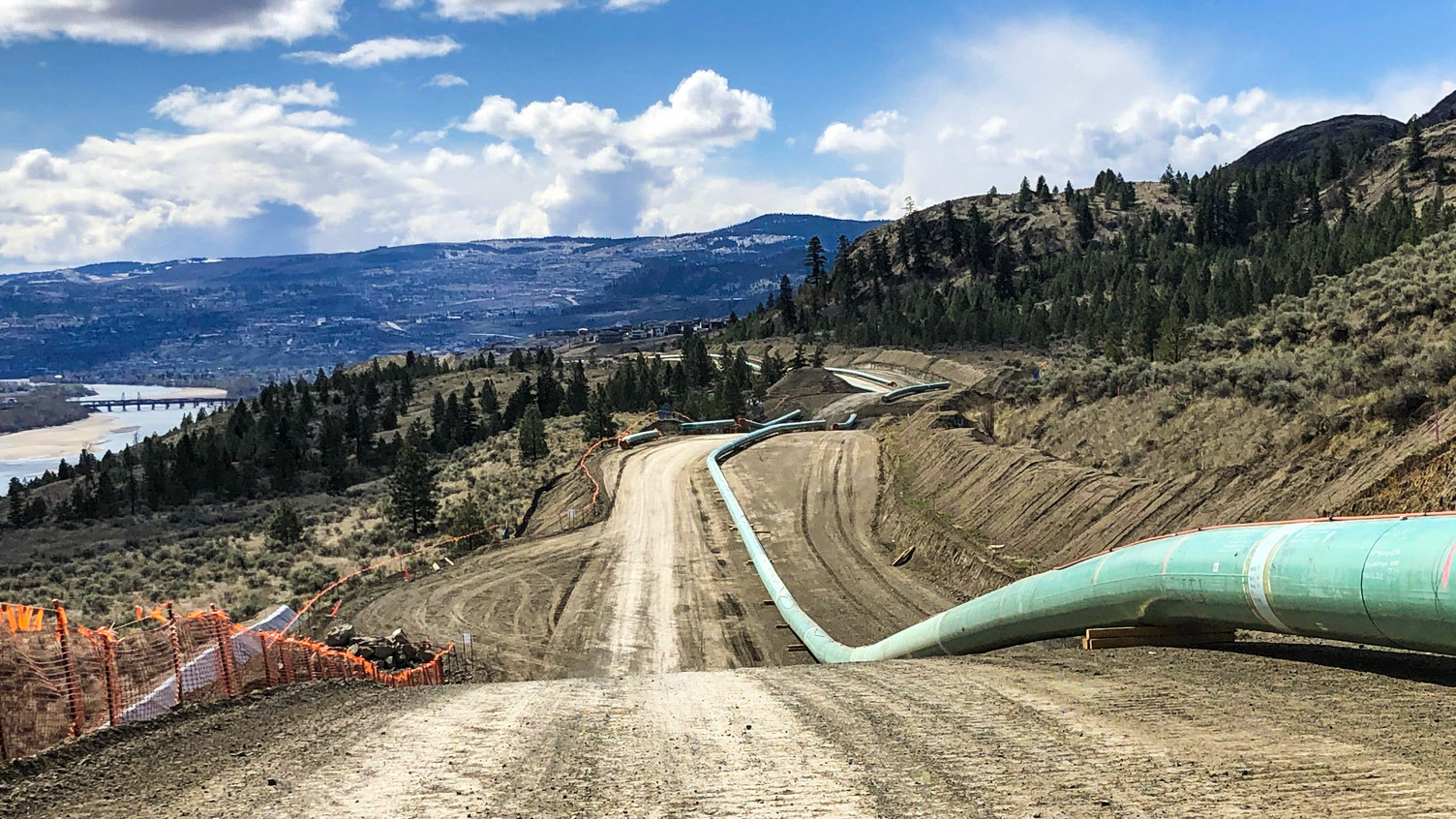
None of it would have been possible without Trans Mountain. The expanded pipeline gave Alberta producers a Pacific tidewater route at scale for the first time. The 500 per cent jump in South Korea shipments flowed directly from that access. The tariff deal is designed to lock in that growth.
The province says exports to South Korea could reach between $400 million and $1 billion annually with the tariff eliminated.
Source: Government of Alberta




Comments
Conversation