A Trip 150 Years in the Making
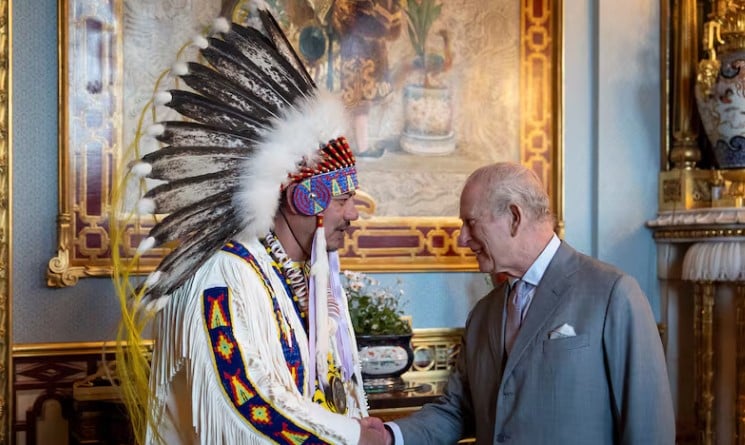
The invitation was sent months ago come to Edmonton this August and mark 150 years since Treaty 6 was signed. But by the time seven First Nations chiefs from Alberta landed in London, they had a lot more to say than just come celebrate with us.
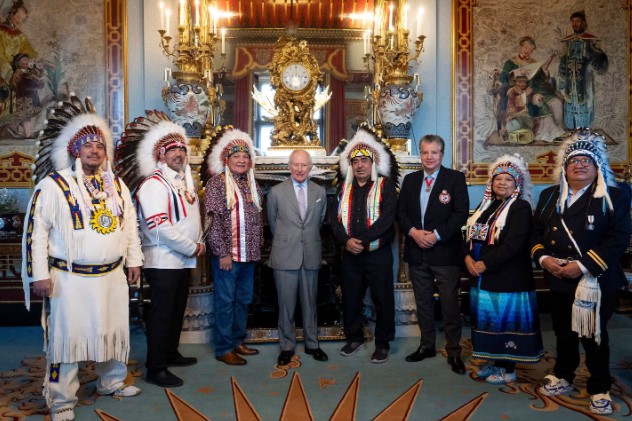
On March 11, the Confederacy of Treaty No. 6 First Nations sat across from King Charles III at Buckingham Palace in what the Confederacy confirmed was the first exclusive audience Treaty 6 leadership has ever had with the monarch. Grand Chief Joey Pete of the Sunchild First Nation led the delegation. Chief Desmond Bull of the Louis Bull Tribe was at the table. So were five other chiefs representing communities whose relationship with the Crown predates the province of Alberta itself.
What They Told the King
Grand Chief Pete did not mince words. He told the King directly that the separatist movement gathering steam across Alberta poses a real threat to treaties that have been legally binding since 1876 nearly three decades before Alberta even became a province.
The King, by all accounts, took it seriously.
"His Majesty was welcoming, very interested in what we had to say and asked a lot of questions," Grand Chief Pete said in a statement released by the Confederacy. "We made him aware of the separatism issue in Alberta and the threat to treaty it represents. He expressed his concern and committed to learning more."
Grand Chief Pete also used the audience to make a formal request on behalf of Treaty No. 6, 7, and 8 Nations a Royal Proclamation that would reaffirm the sacred nature of the treaty relationship and the sovereign rights it carries. Chief Bull echoed the significance of the moment, calling it a direct opportunity to raise treaty matters with the Crown at a time when those matters are under real pressure.
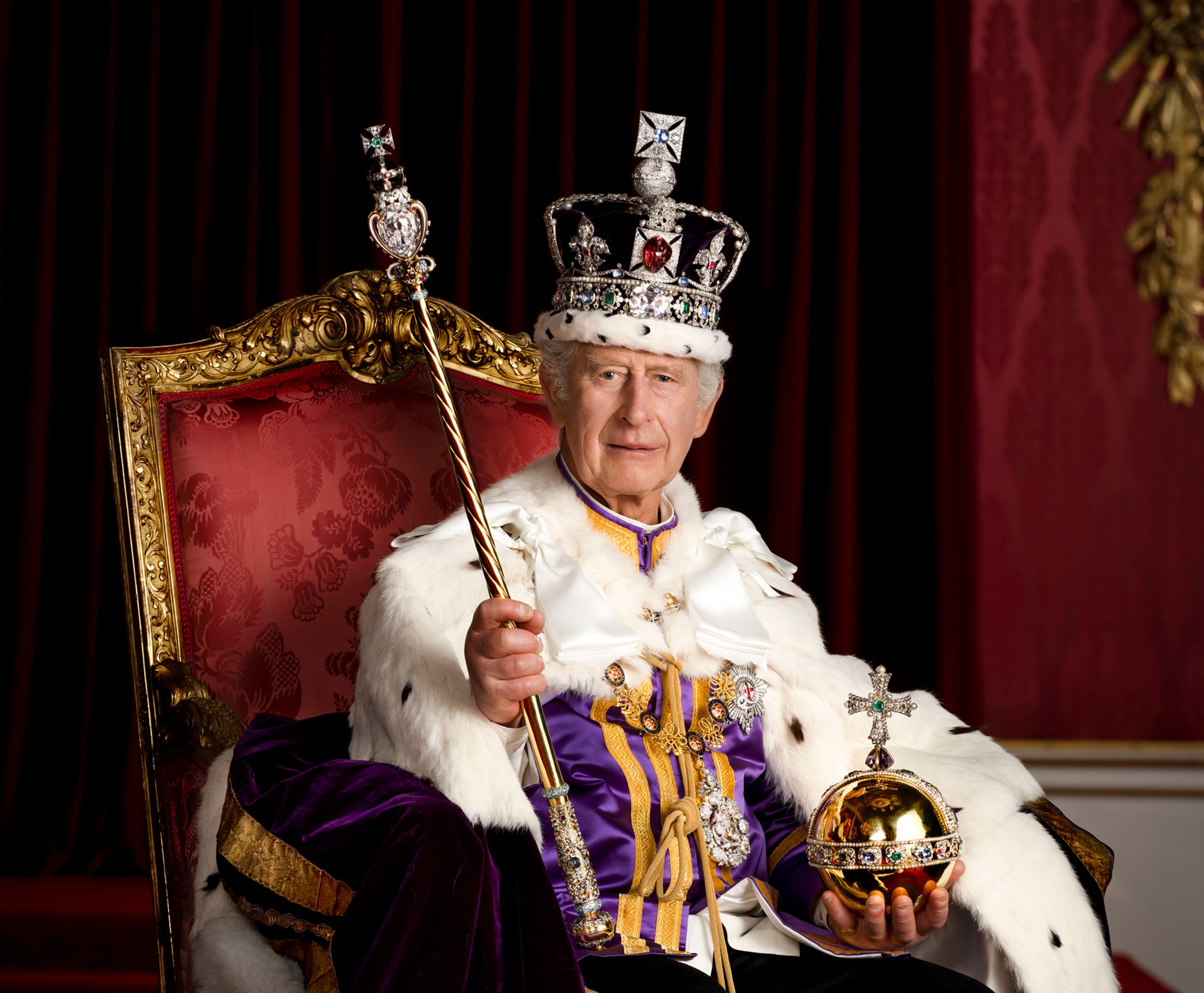
Why This Moment Matters
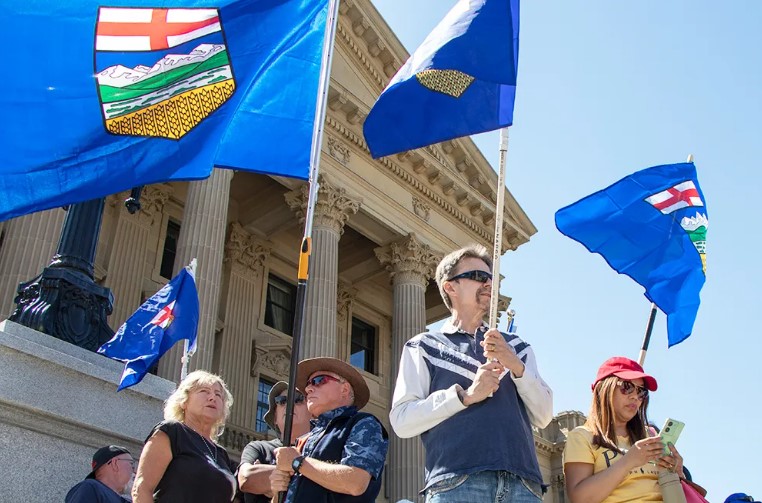
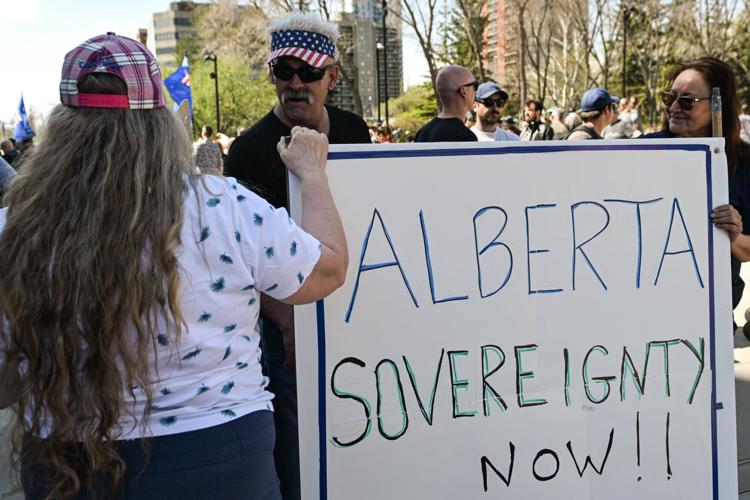
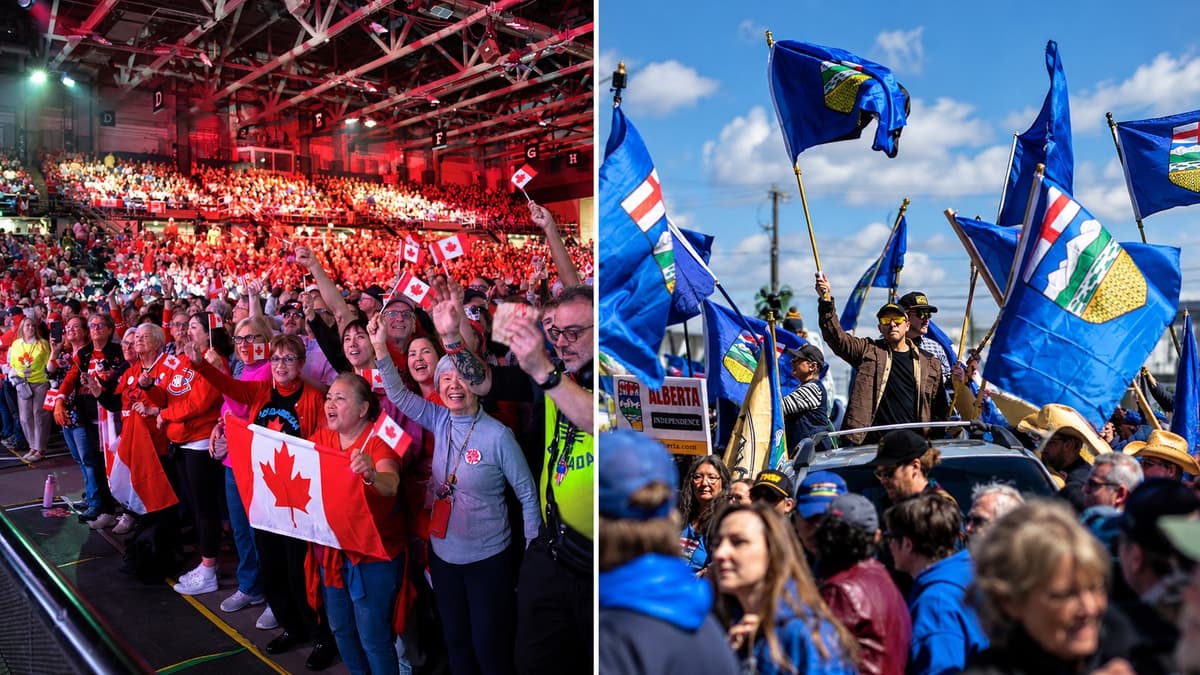
The separatist campaign currently needs roughly 178,000 valid signatures by May to trigger a referendum question. The Alberta Prosperity Project, the group leading the push, has been travelling the province collecting them and has even sought financial backing from Washington, reportedly asking for a $500 billion credit facility from the U.S. Treasury to fund a potential new country.
First Nations leaders have been consistent: no separation happens without their consent. That position has legal weight. In December, an Alberta Court of King's Bench justice ruled that a referendum on Alberta sovereignty would be unconstitutional, finding it would violate treaty rights. The Sturgeon Lake Cree Nation has gone further, filing a lawsuit against the provincial government for allowing the petition to proceed at all.
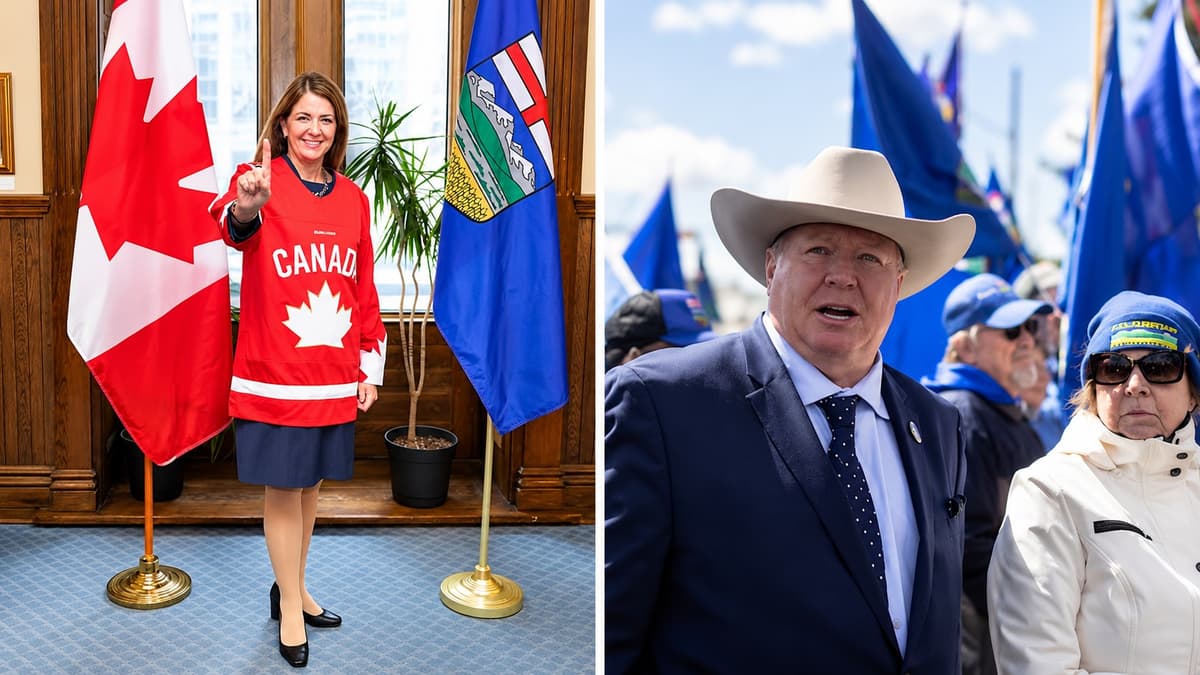
The chiefs who went to London have been building this case for months. In January, they stood outside the Alberta legislature and demanded Premier Danielle Smith denounce the separatist movement. The NDP tried to force a non-confidence vote Smith's majority shut it down. So the chiefs went over everyone's heads. Literally.
An Invitation Still on the Table
Beyond the politics, the delegation also formally invited King Charles to attend the Treaty 6 150th commemoration at Fort Carlton this August 20 to 23. He hasn't committed yet. But the chiefs were clear about what his presence would mean.
"His acceptance and attendance would be a powerful symbol of the Crown's commitment to the treaty relationship," the Confederacy's statement read.
Prime Minister Mark Carney, who is scheduled to meet with the King on Monday, told reporters the chiefs had a "fulsome discussion" with the monarch. He added that in his experience, the King takes "an intense interest in the rights of Indigenous peoples."
The Confederacy has also requested a future audience with the King to continue the conversation. Given what's unfolding in Alberta, it likely won't be the last time this subject comes up at the Palace.
Source:
Confederacy of Treaty No. 6 First Nations — Press Releases & News


Comments
Conversation