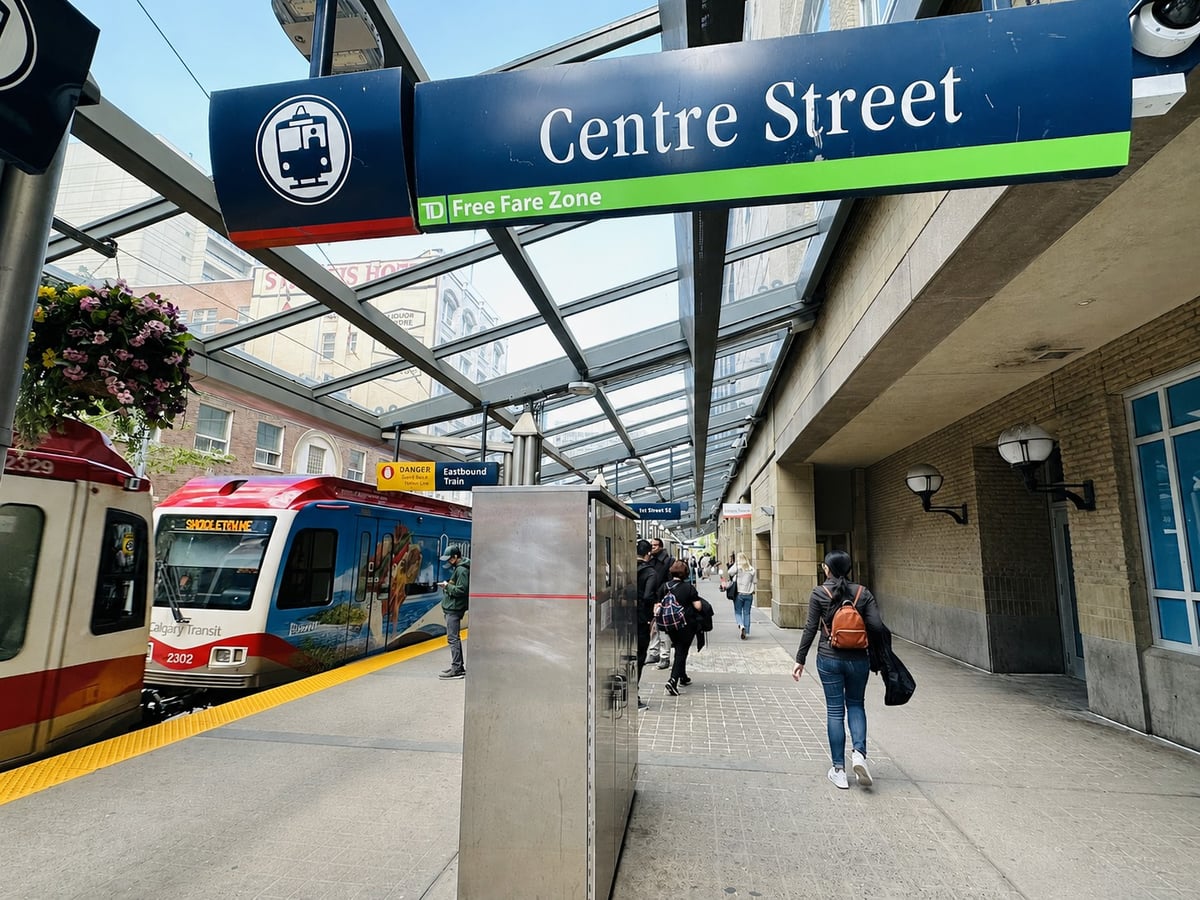
Calgary’s downtown Free Fare Zone could be nearing the end of the line.
For decades, CTrain riders have been able to travel for free through the downtown core along 7 Avenue, as long as their trip starts and ends within the Free Fare Zone. It has become one of those small Calgary features that many people use without thinking about it, whether they are heading to work, grabbing lunch, getting across downtown, visiting a business, or moving between services. Now Calgary Transit is recommending the city remove the Free Fare Zone, with the proposed change expected to go before council for a final decision.
If approved, riders would need to pay a regular fare for trips that are currently free within the downtown zone.
Where Is Calgary’s Free Fare Zone?
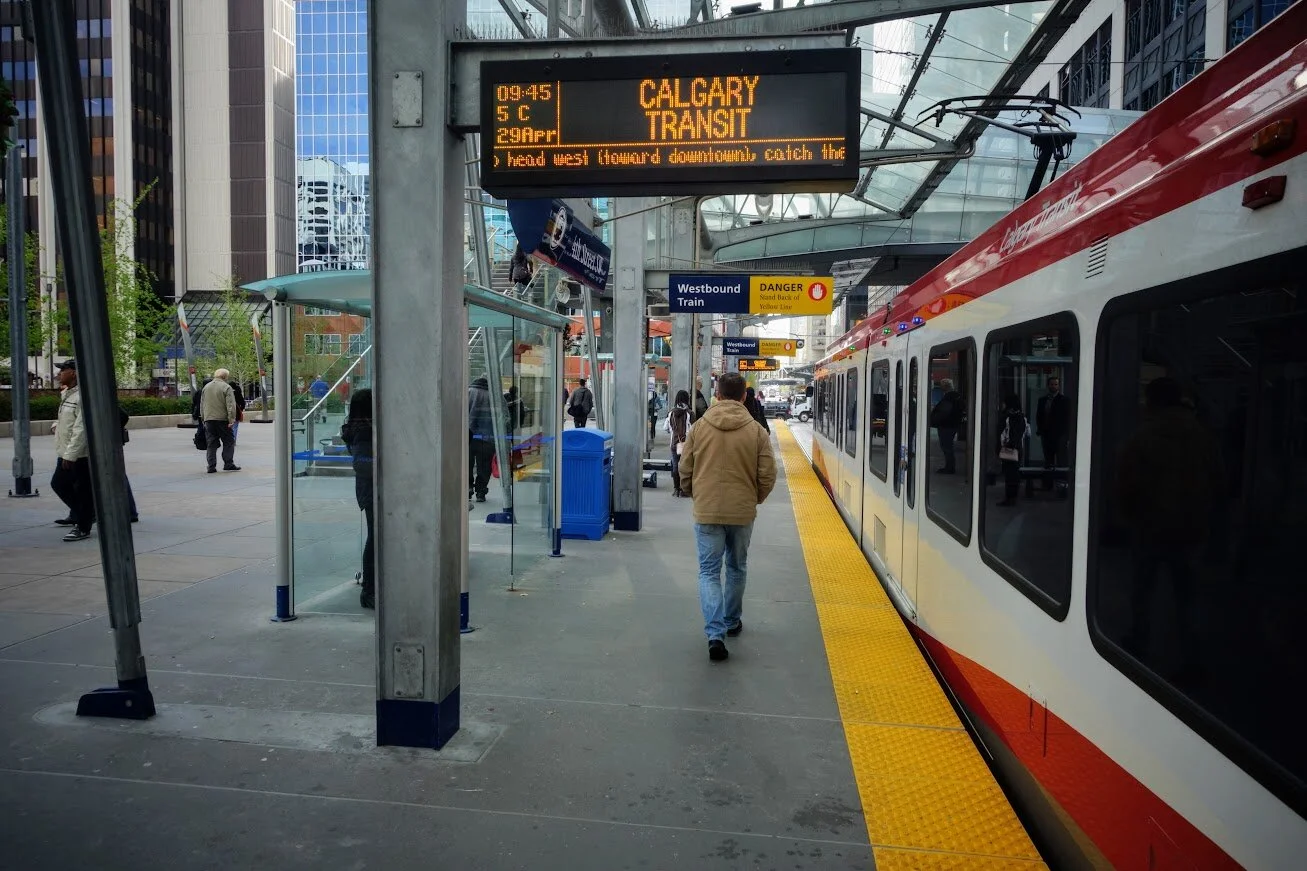
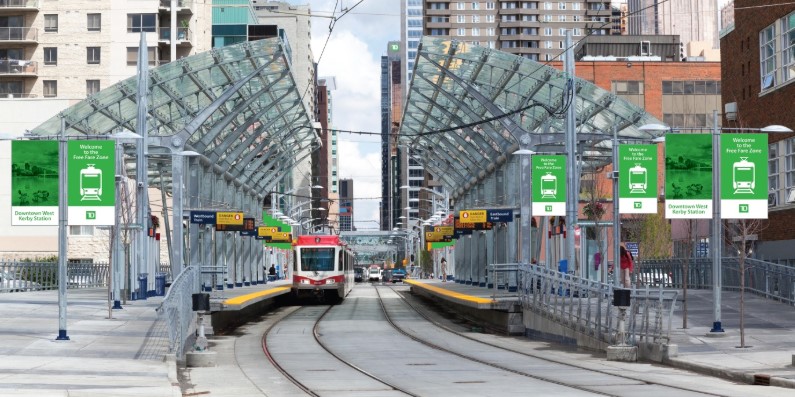
The Free Fare Zone is the section of the CTrain network that runs through downtown Calgary along 7 Avenue.
It covers the stretch between Downtown West–Kerby Station and City Hall/Bow Valley College Station. Calgary Transit says fares have not been required for customers who both start and end their trip within that section since CTrain service launched in Calgary. The original purpose was simple: make it easier for people who work, live, shop, visit, or do business downtown to get around the core without needing a car. That is why the decision is bigger than just transit fares. The Free Fare Zone is tied to how downtown Calgary functions.
Why Calgary Transit Wants To End It
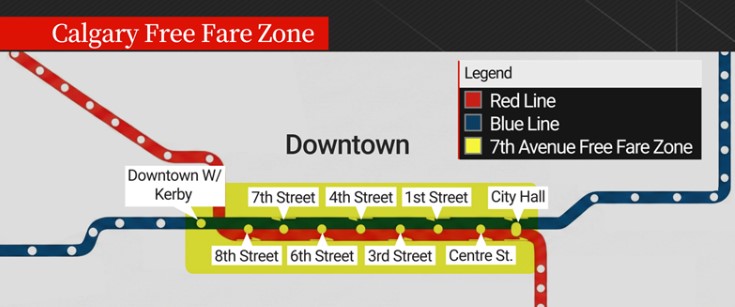
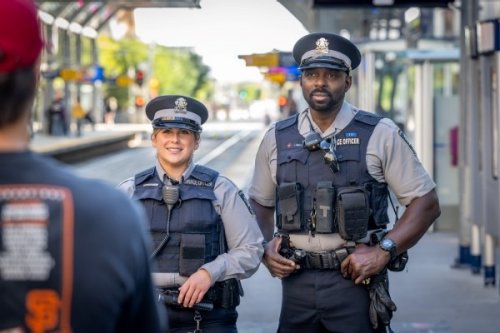
Calgary Transit says the city has changed since the CTrain first opened, and so have travel habits, funding pressures, downtown conditions, and safety concerns. The current review is part of a broader look at fare revenue and transit policy. Calgary Transit says it is examining whether the Free Fare Zone still provides enough value and whether the money and service could be used more effectively elsewhere. A major reason behind the recommendation is safety. Transit officials have argued that ending the Free Fare Zone could make it easier to enforce fares downtown and improve perceptions of safety on the system.
That is the key phrase: perceptions of safety. The city is not saying that charging fares downtown will solve homelessness, addiction, mental health issues, or social disorder on transit. The bigger question is whether removing free rides actually improves conditions, or whether it simply moves the same problems somewhere else.
When Could Calgary’s Free Fare Zone End?
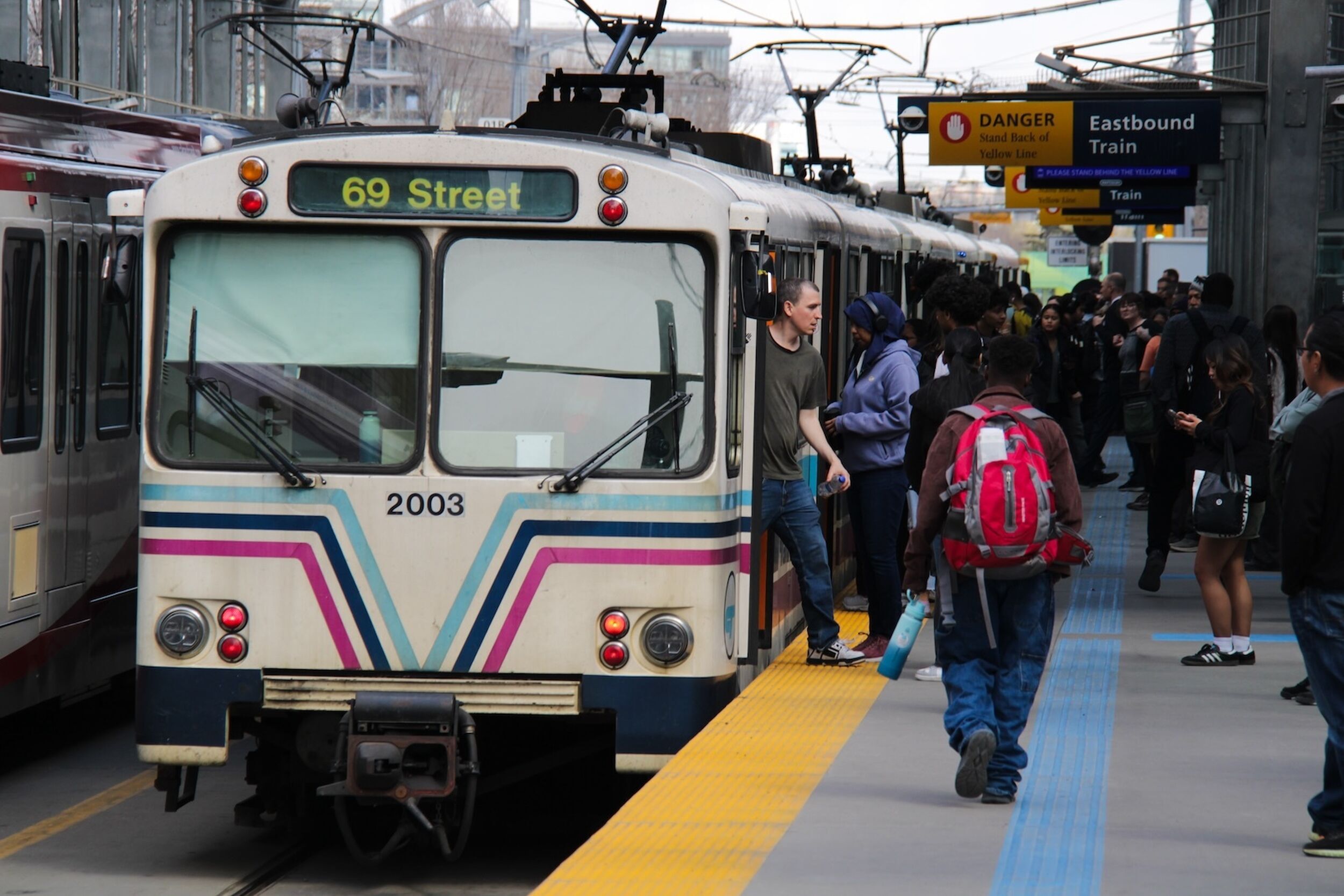
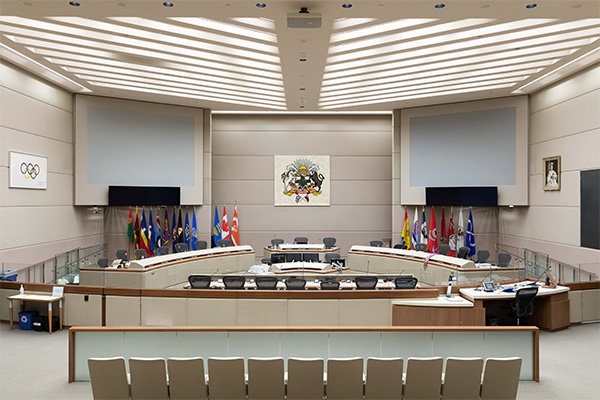
The proposal has been discussed at committee and is expected to go to Calgary city council for a final decision. The proposed end date that has been discussed is August 1, 2026, but that depends on council approval. That means the Free Fare Zone is not officially gone yet. Council still has to make the final call.
What Would Riders Have To Pay?
If the Free Fare Zone is removed, riders who currently take short CTrain trips downtown would need to pay a regular Calgary Transit fare. Calgary Transit’s listed adult cash fare is $4.00, while youth and student fares are lower. Children 12 and under ride free. That matters because many Free Fare Zone trips are short. Someone taking the train a few stops from one downtown station to another may suddenly face the same fare as someone taking a much longer trip across the city.
Supporters of ending the zone argue that is fair because riders outside downtown already pay to use transit. Critics argue the downtown zone serves a different purpose because it helps move people through the city’s central business district.
Why This Matters For Downtown Calgary
The Free Fare Zone is not just a convenience. It is part of Calgary’s downtown mobility system. It helps office workers move between meetings, restaurants, hotels, and services. It helps students and visitors get across downtown without needing to understand the full fare system. It helps people who do not drive or cannot afford regular fares move through the core. For businesses, that movement matters. A downtown that is easy to move around is more useful for workers, customers, tourists, and event visitors.
Removing the free zone could reduce short downtown CTrain trips. Some people may walk instead. Some may drive. Some may simply make fewer trips downtown during the day.
That could affect restaurants, shops, offices, hotels, and other businesses that rely on people moving around the core.
The Low-Income Impact
One of the biggest concerns is the effect on low-income and vulnerable Calgarians. Calgary does have programs such as Fair Entry and low-income transit passes, but not everyone who needs help has easy access to those programs. Some people face barriers with applications, identification, documentation, housing stability, or simply knowing where to start.For someone with stable income, paying a fare for a short trip may be annoying. For someone with very little money, it can decide whether they can get to an appointment, a shelter, a meal, a shower, a job opportunity, or a support service.That is why ending the Free Fare Zone could hit the most vulnerable riders hardest, even if the policy is framed around fairness and safety.
The Fairness Debate
There is a real fairness argument here. Why should downtown riders get free CTrain trips when someone taking transit in northeast Calgary, southeast Calgary, or the suburbs has to pay every time? That argument will likely resonate with many Calgarians. But there is another side. Downtown is not just another neighbourhood. It is Calgary’s employment centre, tourism hub, business district, government centre, and major public gathering space. The Free Fare Zone helps people move around that central area without adding more cars, parking demand, or barriers.
So the real question is not just whether the Free Fare Zone is fair. It is whether ending it makes Calgary’s downtown and transit system better.
Will Ending The Free Fare Zone Make Transit Safer?
This is the biggest question. Charging fares downtown may make enforcement simpler. It may discourage some people from using platforms or trains without paying. It may make some riders feel like the system is being managed more tightly. But it will not solve the deeper issues that show up on transit.
If people are using CTrain stations because they have nowhere else to go, removing the Free Fare Zone does not create housing. It does not create treatment spaces. It does not create more shelter capacity. It does not fix downtown disorder by itself. That is why critics argue the policy risks turning a social problem into a transit enforcement issue. The city may be able to reduce some visible problems on platforms, but the underlying problems will still exist.
What Happens Next?
Calgary city council will have to decide whether the Free Fare Zone is an outdated perk or an important downtown tool. If council approves the recommendation, the change could mark the end of a 45-year feature of Calgary’s CTrain system. Riders would then need to pay for trips that are currently free inside the downtown zone. For some Calgarians, that may feel like a small change. For others, especially people who rely on short downtown trips, it could be a major shift.
The debate is really about what kind of downtown Calgary wants: one that is easier to move through, one that prioritizes fare consistency, or one that uses transit enforcement as part of a broader push to improve safety. After more than four decades, Calgary may soon find out how much that free ride was really worth.
Sources
City of Calgary / Calgary Transit — Free Fare Zone Survey and review background. Calgary Transit says the Free Fare Zone runs along 7 Avenue between Downtown West–Kerby and City Hall/Bow Valley College, and that the review is part of a broader fare policy review.
Calgary Transit — Fares and passes. Calgary Transit lists the adult fare at $4.00, youth/student fare at $2.65, and children 12 and under as free.
City of Calgary — Fair Entry. The City describes Fair Entry as an application process for lower-income Calgarians to access some City services and programs at a lower cost.
Calgary Transit — TD Free Fare Zone announcement. Calgary Transit announced the TD sponsorship in 2022 and described the Free Fare Zone as running along 7 Avenue downtown.






Comments
Conversation