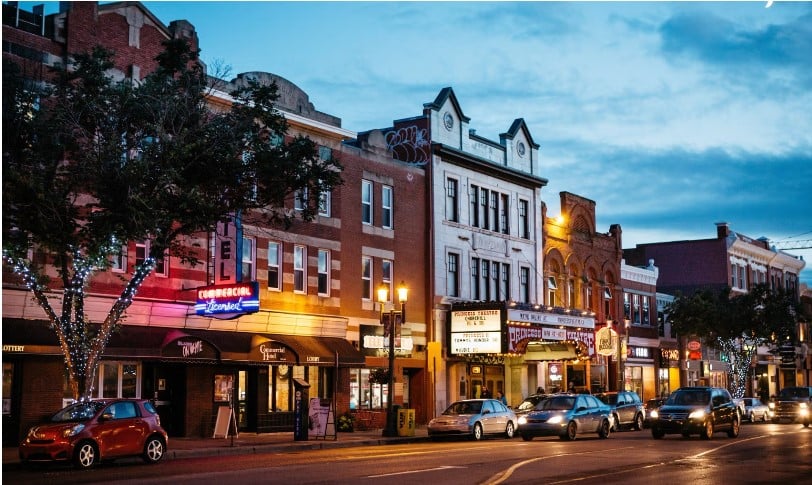
Old Strathcona / Whyte Avenue: Edmonton's Creative Heartbeat
If Edmonton has a soul, a lot of people would say it lives on Whyte Avenue.
Old Strathcona the neighbourhood that wraps around 82nd Avenue has been the city's arts and culture hub for decades. The stretch of Whyte Ave between 99 Street and 109 Street is lined with independent coffee shops, record stores, vintage boutiques, breweries, and live music venues that you simply won't find anywhere else in the city.
The neighbourhood's history runs deep. The Strathcona Hotel, one of the oldest buildings still standing on the strip, dates back to 1891 a time before Edmonton and Strathcona were even the same city. The original Strathcona Train Station, built in 1908, still anchors the east end of Whyte Ave and now houses MKT Fresh Food & Beer Market. Walking these blocks, it's hard not to feel the weight of that history beneath the neon signs and patio furniture.
But Old Strathcona isn't living in the past. Every August, it becomes the centre of the universe for theatre lovers when the Edmonton International Fringe Festival takes over the largest fringe festival in North America, drawing tens of thousands of visitors to outdoor stages, storefronts, and every available patch of sidewalk. Year-round, the Old Strathcona Farmers' Market operates every Saturday, offering fresh produce, local artisan goods, and a genuine sense of community that's increasingly rare.
For nightlife, few places in Western Canada rival Whyte Ave on a Friday night. The Black Dog Freehouse has been a neighbourhood institution for years, with its famous rooftop Wooftop Patio. Cook County Saloon has been keeping the two-step tradition alive for four decades. And the craft beer scene particularly along nearby 99 Street, which local breweries have branded "Happy Beer Street" has made this corridor a destination for beer enthusiasts across the country.
Best for: Young professionals, artists, students, anyone who wants walkability and culture at their doorstep.
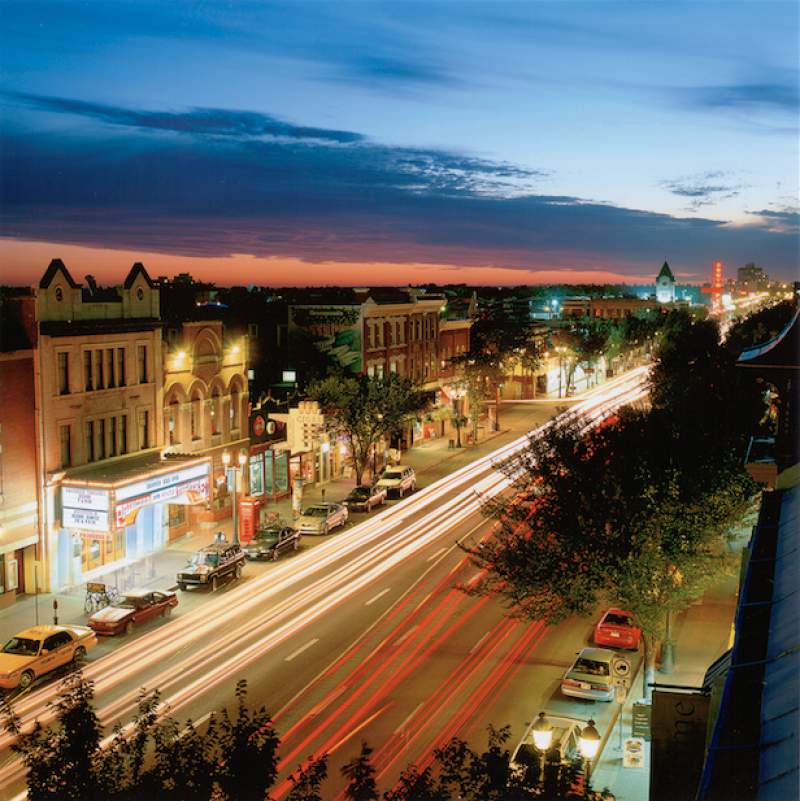
Oliver: Urban Living, Downtown Adjacent
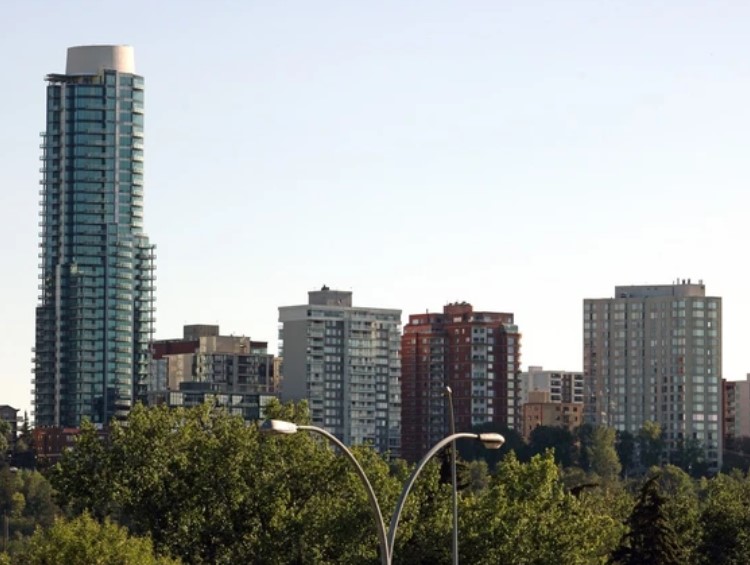
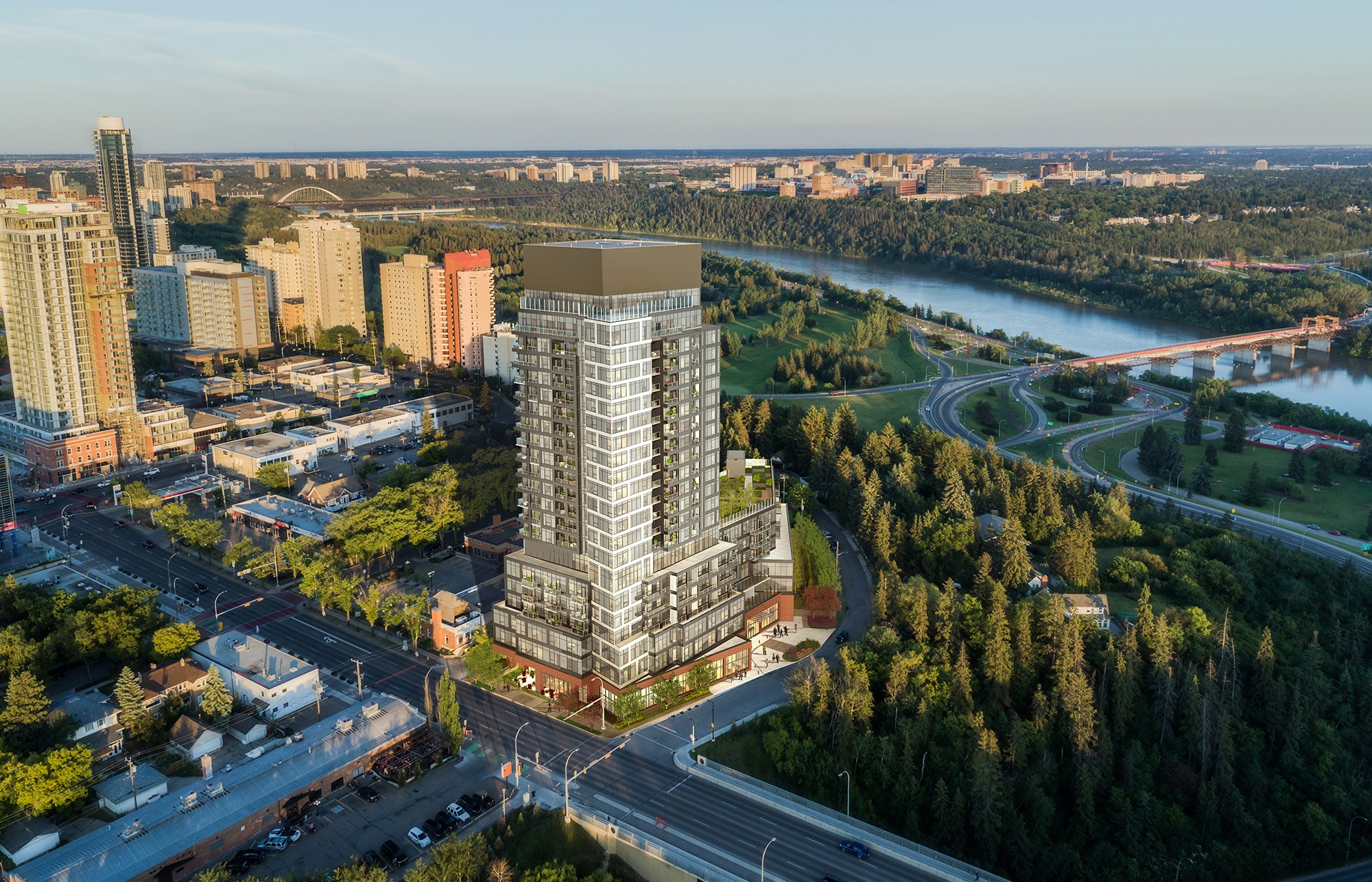
Just west of downtown, Oliver is one of Edmonton's densest and most established inner-city neighbourhoods and one of its most underrated.
Oliver doesn't have Whyte Ave's flair or Glenora's prestige, but it offers something arguably more practical: genuine urban convenience. Residents can walk to work downtown, hop on transit with ease, and access a growing number of restaurants and cafés along 124 Street and Jasper Avenue without ever needing a car.
The neighbourhood is a mix of older apartment buildings, newer condo towers, and character homes that have been steadily renovated over the years. It attracts a diverse crowd young professionals, long-time Edmontonians who've no interest in the suburbs, and newcomers who want to be close to the city's core without paying downtown prices.
Oliver's proximity to the river valley is one of its quieter selling points. The North Saskatchewan River valley trail system is easily accessible from the neighbourhood, offering a surprising escape from urban density just a short walk away.
While Oliver lacks a single iconic strip like Whyte Ave, its 124 Street corridor has been quietly developing into one of the city's more interesting food and retail destinations. Independent galleries, local restaurants, and specialty shops have made it a worthwhile detour for anyone exploring Edmonton's west end.
Best for: Commuters, urban dwellers, anyone prioritizing location and transit access over neighbourhood character.
Glenora: Old Money, Big Trees, and River Valley Views
There are neighbourhoods in Edmonton that feel like they were designed with intention and Glenora is one of them.
Located just west of downtown, Glenora is one of Edmonton's oldest and most prestigious communities. Its streets are lined with mature trees, heritage homes, and the kind of quiet that feels deliberate rather than accidental. Many of the homes here were built in the early to mid-20th century, and the neighbourhood has taken significant care to preserve that architectural character.
Government House, a landmark dating to 1913, sits at the neighbourhood's edge overlooking the river valley. Originally home to Alberta's first six Lieutenant Governors, the property now serves as a government events venue and public park complete with a Korean Pavilion and a 24-foot totem pole carved from a 500-year-old cedar by Kwagiulth artist Chief Tony Hunt. It's one of those Edmonton gems that most locals have driven past dozens of times without stopping to look.
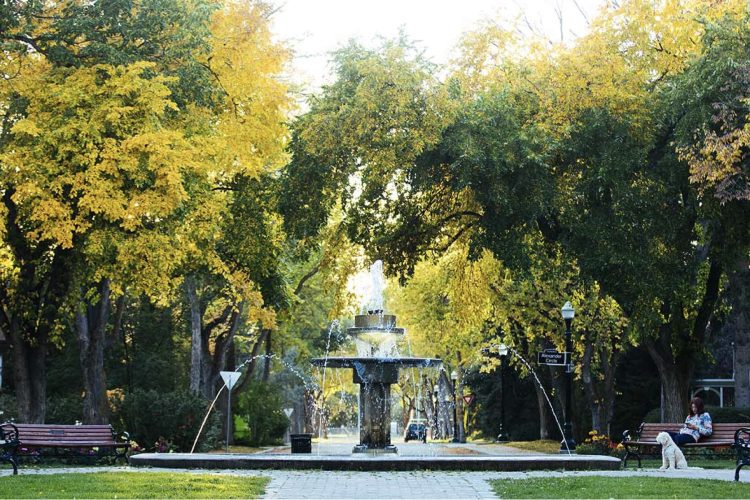
Alexander Circle is another one of Glenora's defining features a quiet, circular street surrounded by heritage homes and mature greenery that photographers and architecture enthusiasts tend to discover and quietly keep to themselves.
Real estate in Glenora skews expensive, as you'd expect from one of the city's most sought-after addresses. The neighbourhood has attracted interest from infill developers in recent years, with newer custom homes appearing alongside the older estates. For those who can afford it, the combination of central location, river valley access, and genuine neighbourhood prestige makes Glenora one of the most compelling places to live in Edmonton.
Best for: Families, professionals, history enthusiasts, and anyone who values established character over modern convenience.
The Highlands: Heritage Homes and a Neighbourhood That Knows What It Has
The Highlands, in Edmonton's east end, is the kind of neighbourhood that rewards those who seek it out.
Recognized by This Old House magazine as one of Canada's best neighbourhoods for heritage homes, the Highlands has built a quiet reputation among architecture lovers and people who appreciate what Edmonton used to look like before mid-century suburbs took over the city's development. The streets here are lined with Craftsman bungalows, Georgian Revivals, and other early 20th-century styles that have been lovingly maintained by residents who understand what they have.
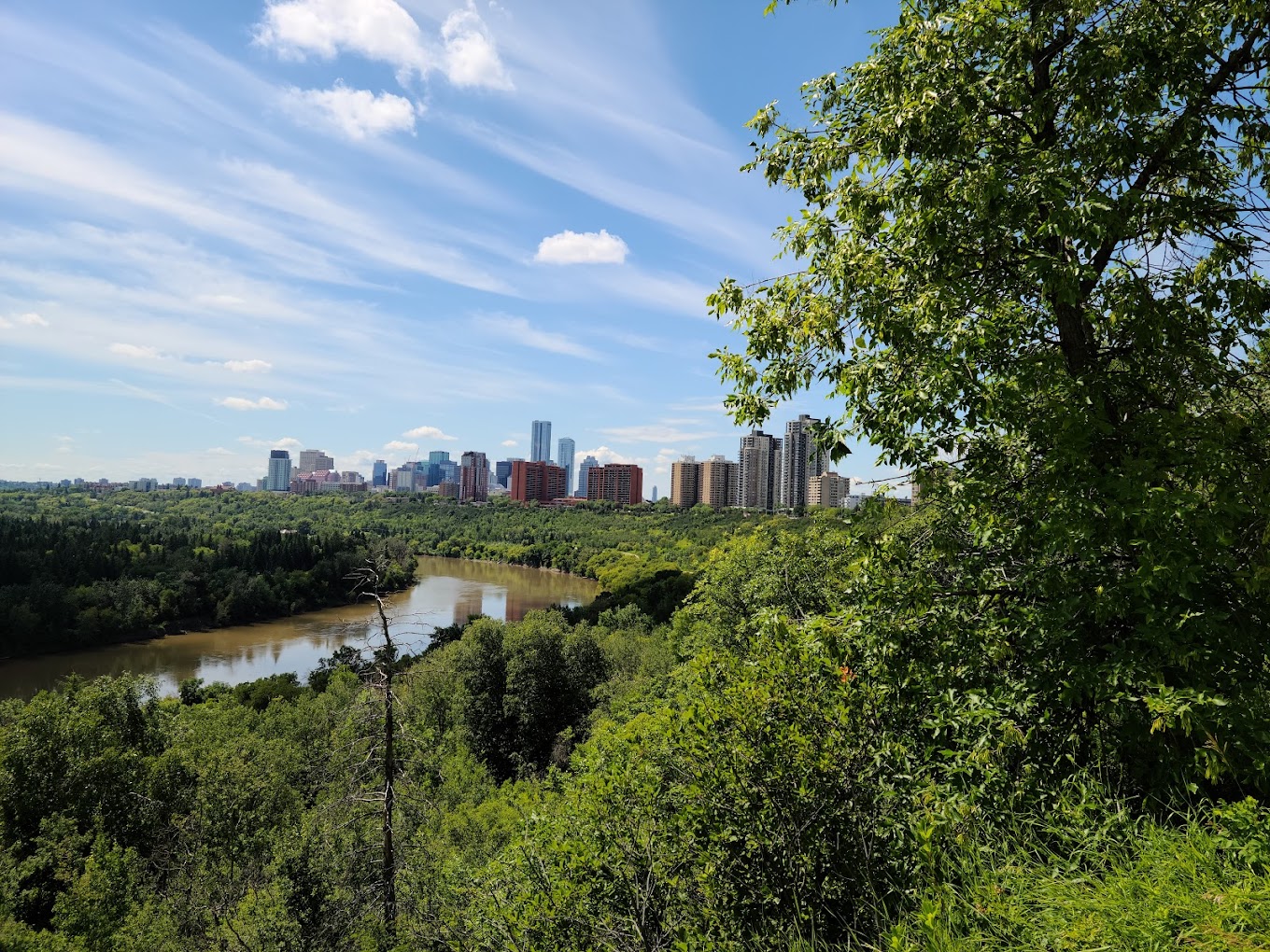
The neighbourhood backs onto the North Saskatchewan River valley, with the Highlands Golf Club one of the oldest in the city stretching along its southern edge. The views along the ravine trails are genuinely stunning, particularly in fall when the valley's colours peak.
The Highlands also has its own small commercial district along 112 Avenue, with local businesses that serve the neighbourhood without overwhelming it. It's the kind of main street that feels scaled to the community around it, which is increasingly rare.
What makes the Highlands distinct isn't just its housing stock it's the culture of stewardship that's developed around it. Residents here tend to be deeply invested in the neighbourhood's character, which shows in everything from the condition of the homes to the quality of the community events.
Best for: Heritage home enthusiasts, families, long-term renters and buyers looking for character and stability.
The Bottom Line
Edmonton's best neighbourhoods aren't the ones making the most noise they're the ones that have developed a genuine sense of place over time. Whether that's the creative energy of Whyte Ave, the urban practicality of Oliver, the historic prestige of Glenora, or the quiet stewardship of the Highlands, each of these communities offers something that the city's newer developments simply can't replicate.
The question isn't really which neighbourhood is best. It's which one fits the life you're trying to build.



Comments
Conversation