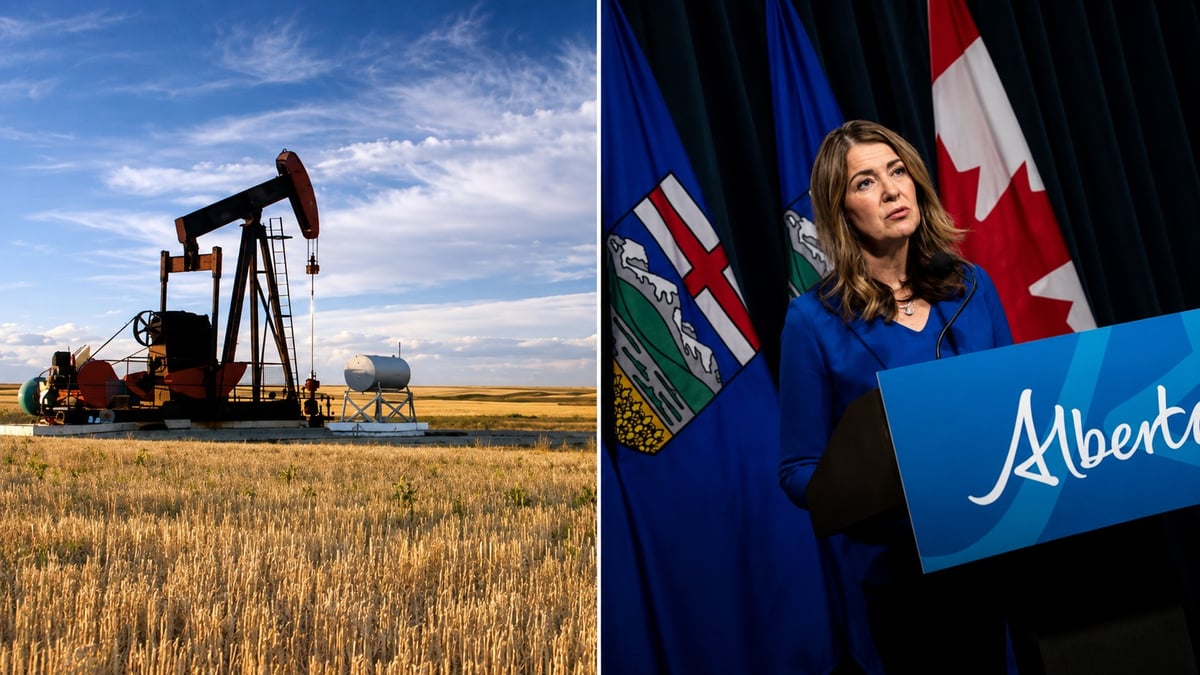
Alberta projected a $9.4 billion deficit heading into 2026. A Middle East conflict may be about to fix that. The Business Council of Alberta's Spring Economic Snapshot, released Tuesday, projects the province's finances could flip to a $6 billion surplus if oil prices stay where they are. A $15 billion turnaround driven almost entirely by royalty revenue the government didn't budget for.
"Alberta is a genuine exception to that story right now due to high energy prices," said Mike Holden, the BCA's vice president of policy and chief economist. "We need to keep in mind that a lot of what is driving the improved outlook could change quickly."
Built on a War
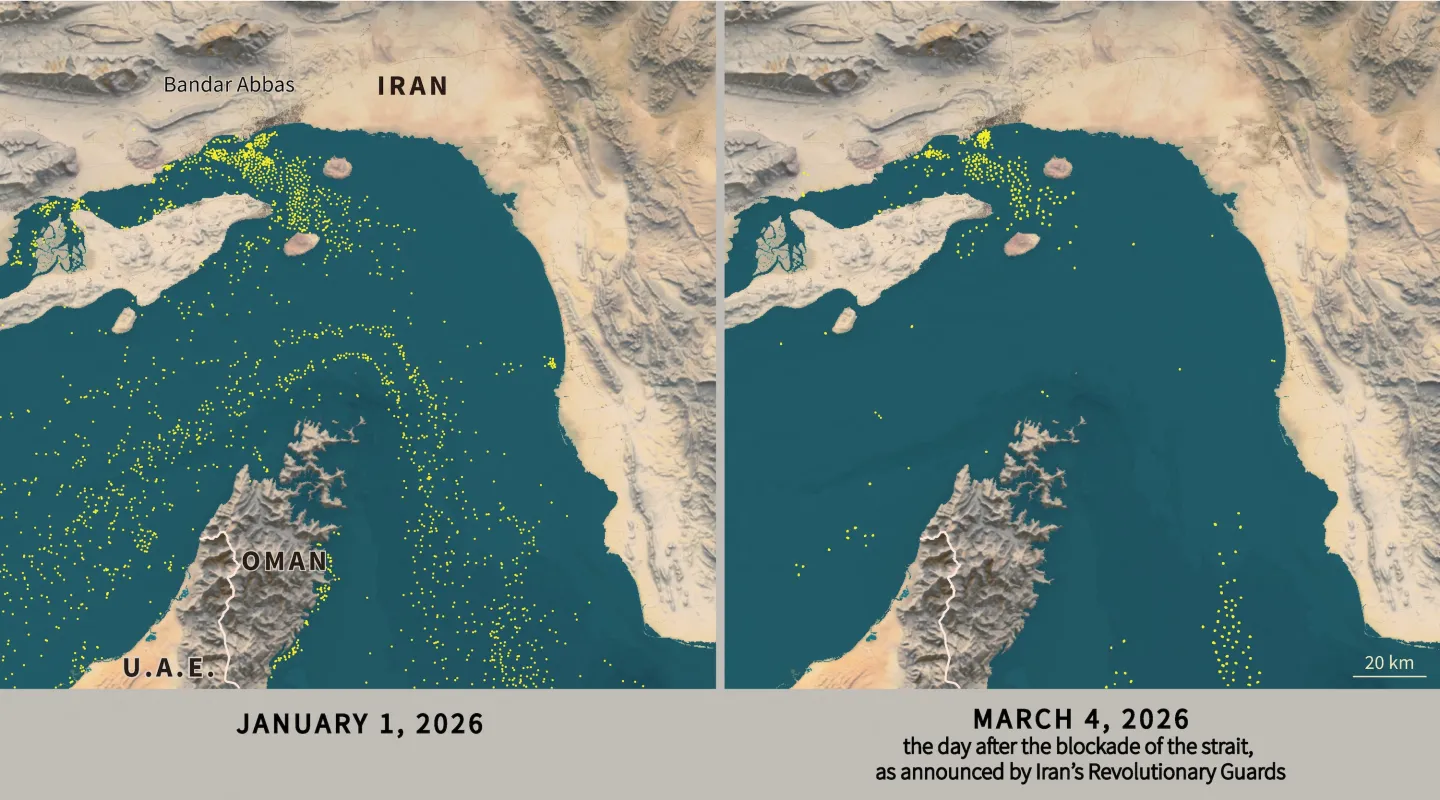
The improved outlook traces directly to the Middle East conflict, which pushed global energy prices higher. Alberta supplies most of Canada's energy exports, so elevated oil prices flow into provincial royalties faster than any budget model anticipated. The province is now forecast to grow 2.7 per cent this year. Canada overall is projected at 1.2 per cent. The difference comes down to one thing: Canada is a major energy exporter, and Alberta is where most of that energy comes from.
None of it is guaranteed. The IEA projects global oil demand will contract this year for the first time since COVID. CUSMA negotiations, the situation in the Strait of Hormuz, and Alberta's sovereignty referendum in October all sit outside the province's control. The BCA names each of them as risks. This isn't the first time Alberta has found itself here. The province's revenues have always tracked commodity prices more than policy decisions, and the gap between boom budgets and bust budgets has been a recurring problem for decades. A $15 billion swing is jarring, but it isn't unusual.
What the Rest of Canada Is Dealing With
While Alberta's outlook improved, the broader Canadian picture got worse. Canada's growth had already slowed from two per cent in 2024 to 1.7 per cent in 2025 before the Middle East conflict began. It's now projected to slow further to 1.2 per cent this year, squeezed by slowing population growth, reduced US bilateral trade, rising inflation, and a new 10 per cent tariff on non-CUSMA goods. Global growth was revised down to 3.1 per cent, with a risk of falling to two per cent if the conflict continues. Higher energy prices help Canada's energy sector, but they drive up costs everywhere else. The net effect for most of the country is negative.
Alberta's position as Canada's energy engine is, for now, a genuine advantage. The BCA notes that higher oil prices have lifted energy sector confidence from a five-year low and could push production beyond recent historic highs.
If the Surplus Materializes, Then What?
Alberta has been here before and spent it. The Heritage Savings Trust Fund was created in 1976 specifically to bank oil wealth for the future it holds around $23 billion today, roughly the same as it did in the 1980s once you account for inflation. Surplus after surplus got redirected into general revenue instead.
The BCA has pushed for any fiscal upside to go toward debt reduction and building the Heritage Fund to wean the province off royalty dependence. But a $6 billion surplus arriving in a sovereignty referendum year, with health infrastructure strained by years of population growth, is unlikely to sit in savings. The political pressure to put it to work will be immediate.

The Part That Doesn't Show Up in the Forecast
The fiscal numbers and what Albertans are experiencing are not the same story. Fifty-six per cent of residents told pollsters the provincial economy is getting worse. Only 43 per cent described their own financial situation as good. Youth unemployment sits at 14.4 per cent, driven largely by retail, which has lost 16 per cent of its workforce over the past few years. The oil patch is producing near historic highs and not hiring at the same pace.

New home starts have dropped from 65,000 in 2025 to around 47,000 this year. Non-residential construction is up 22 per cent year over year, with 68 per cent of the 532 major projects currently underway being industrial or commercial the kind of investment that shows up in GDP numbers before it shows up in anyone's paycheque. The BCA's Holden acknowledged the unevenness directly: "While today's outlook is stronger than it was a few months ago, the forces shaping Alberta's economy including conflict, trade negotiations and energy markets will determine whether the strength lasts."
The surplus is possible. So is another oil price collapse. Alberta has been in this position before.
SOURCES:
Business Council of Alberta Spring Economic Snapshot – May 13, 2026: https://businesscouncilab.com






Comments
Conversation