
If you ate at a Denny's in west Edmonton last month, check the date.
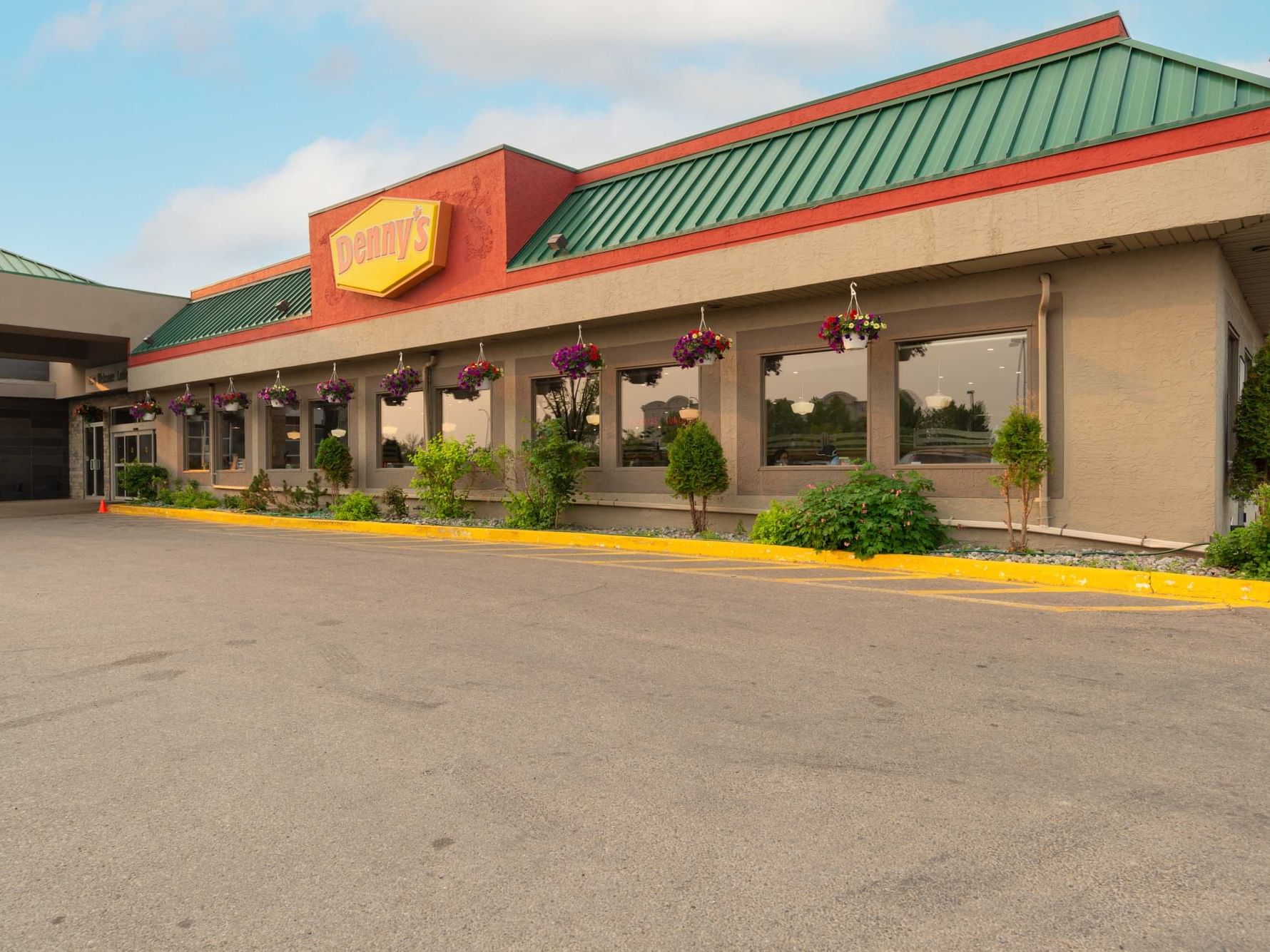
Alberta health officials say people who had food or drinks prepared at Denny's Restaurant Granville, at 7231 Winterburn Rd. NW, during five periods in September may have been exposed to hepatitis A.
The earliest exposure was Sept. 19. The most recent was Sept. 26.
A hepatitis A vaccine given after exposure can prevent illness. Alberta's guidance says it should be given as soon as possible, within 14 days.
If one of the dates below matches your visit, call Health Link at 811. Staff will assess your exposure and tell you what to do next.
The five exposure periods
Here are the five exposure periods, along with the 14-day mark for each:
Sept. 19, 3 p.m. to 10 p.m.: 14 days later is Oct. 3
Sept. 20, 10 a.m. to 3 p.m.: 14 days later is Oct. 4
Sept. 21, 9 a.m. to 3 p.m.: 14 days later is Oct. 5
Sept. 25, 10 a.m. to 2 p.m.: 14 days later is Oct. 9
Sept. 26, 10 a.m. to 3 p.m.: 14 days later is Oct. 10
Past 14 days? Call anyway
Don't skip the call just because the 14-day mark has passed.
Alberta's immunization guidance says a Medical Officer of Health can still consider the vaccine after 14 days, case by case, because there's no firm outer limit on when it stops working.
Why calling 811 matters
For most people who need protection after an exposure, it's a single dose of hepatitis A vaccine.
But it's not the same for everyone. Some people at higher risk, including some with chronic liver disease or weakened immune systems, may get both the vaccine and immune globulin, an antibody shot. Babies under six months, and people who can't get the vaccine, may get immune globulin instead.
That's why the dates shouldn't be used to decide for yourself whether it's too late. Let 811 assess your situation.
Symptoms can take weeks to show up
Hepatitis A is a virus that infects the liver. Symptoms usually appear two to four weeks after exposure, but can take as long as 50 days.
They can include tiredness, poor appetite, nausea, vomiting, stomach pain and fever. Dark urine, pale stools and yellowing of the skin or eyes can follow a few days later.
Not everyone gets symptoms. Young children often don't, even when infected, but they can still spread it to others.
If you weren't vaccinated after the potential exposure, health officials advise watching for symptoms for 50 days after your visit, and seeing a doctor if you get sick.
Most people recover on their own, and hepatitis A doesn't usually cause long-term liver damage, according to MyHealth Alberta.

What the alert doesn't say
The alert says people who ate or drank at the restaurant during those times may have been exposed.
It doesn't say how that happened, or that anyone working there was infected. It also doesn't say the restaurant was ordered to close.
Denny's currently lists the Granville location as open 24 hours a day for dine-in, takeout and delivery.
Already had the hepatitis A vaccine?
If you've previously been vaccinated against hepatitis A including with Twinrix, the combined hepatitis A and B vaccine tell Health Link when you call.
If you have your immunization record, have it available. Public health can use your vaccination history, along with the details of your exposure, to determine whether you need any additional protection.
Call 811 rather than assuming you're already protected or need another dos
What to do
If you had food or drinks from the Granville Denny's during any of the five periods, call Health Link at 811, even if you're past the 14-day mark.
If you develop symptoms, contact your doctor.
Sources
Public alert for potential hepatitis A exposure, Government of Alberta, October 2, 2026
Hepatitis A, MyHealth Alberta
Hepatitis A vaccine, MyHealth Alberta







Comments
Conversation