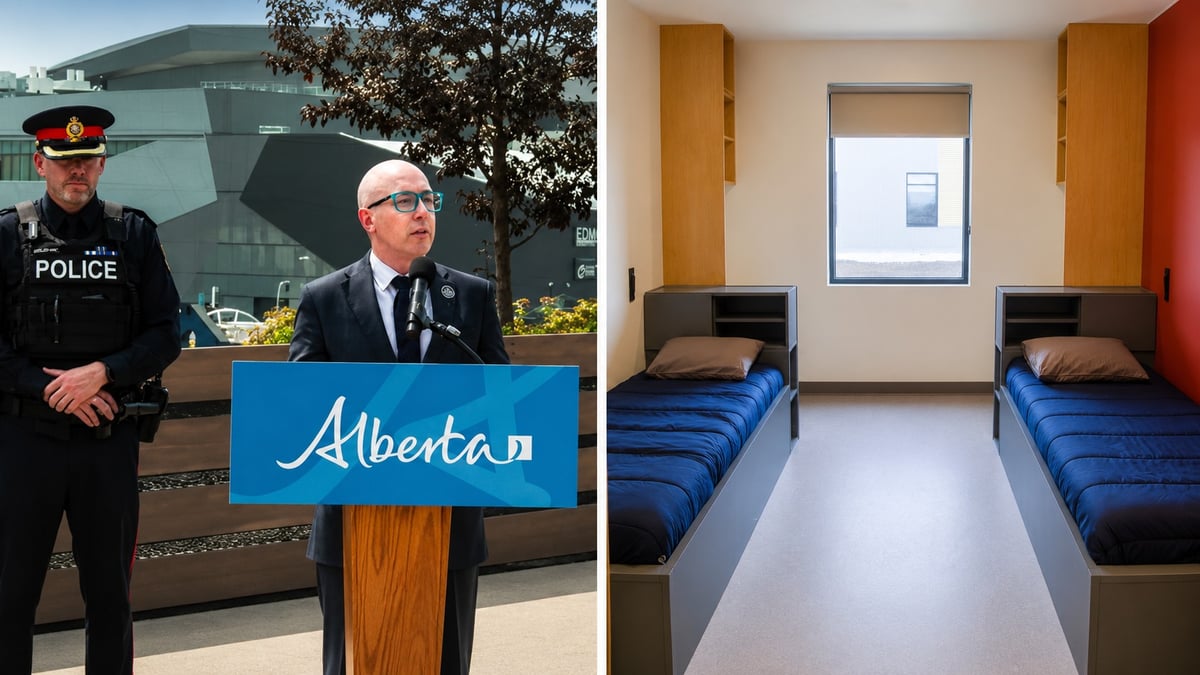
Edmonton accounts for more than half of Alberta's opioid deaths and nearly two thirds of its opioid-related ambulance responses. On Wednesday, the province answered those numbers with money: more than $30 Million for over 400 new treatment, housing and stabilization beds in and around the city.
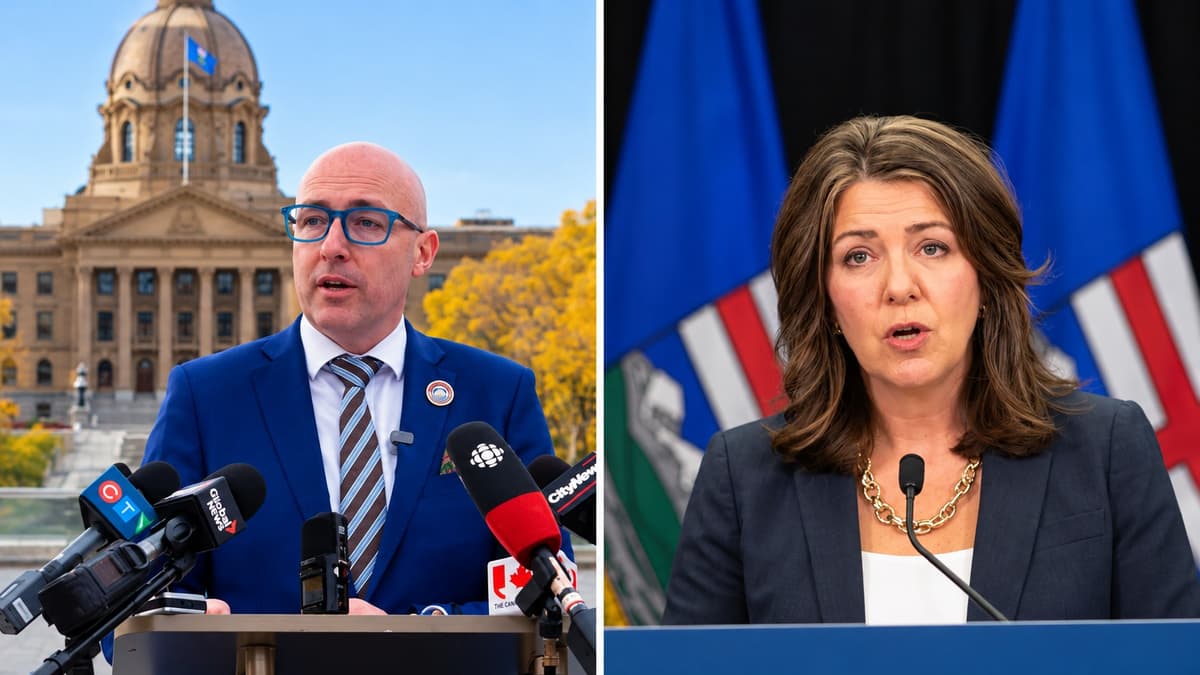
"The trends in Edmonton are deeply concerning and cannot be ignored," said Mental Health and Addiction Minister Rick Wilson, noting that while most Alberta communities have seen opioid deaths return to pre-pandemic levels, Edmonton remains the exception.
The announcement reads as one number, 400, but the beds live in at least seven different places on different timelines, some open now, some opening within weeks, some later this year. Here's the actual map.
Where the beds are
On the treatment side, the Lakeview Recovery Community gets 25 new beds, bringing it to 100, with the additions specifically intended for people from the downtown core. Two Indigenous-led recovery communities are nearly finished: the 76-bed facility on Enoch Cree Nation is more than 98 per cent complete, and the 75-bed community near Métis Crossing is over 80 per cent, with both expected to open this year. Transitional beds and a Rapid Access Addiction Medicine clinic are coming at the Royal Alexandra Hospital, along with rapid response teams for overdoses in the core.
On the housing side, the largest single piece is already running: Hope Mission's 110-bed Hope Health facility at the Herb Jamieson Centre opened in October, providing medical shelter for people with complex health and addiction needs. More than 120 additional transitional and supportive recovery housing beds open through 2026, plus five specialized spaces for people living with fetal alcohol spectrum disorder coming out of detox and treatment.
And at the front door of the system, the relocated Edmonton Navigation and Support Centre adds seven shelter beds this summer while serving as the entry point connecting people to housing, health and recovery services.
Not all beds are the same bed
The word "bed" is doing a lot of work in this announcement, and it helps to know what each kind actually is, because the difference is the whole design.
A medical shelter bed, like the 110 at Hope Health, is measured in nights: a safe place with health care attached for someone who would otherwise be in an emergency room or on the street. A stabilization bed, like those at the new centre opening this summer, is measured in hours, somewhere to be assessed and sober up with medical care instead of a cell. A detox bed is days. A transitional or supportive housing bed is months, the bridge between treatment and a lease. And a recovery community bed, like those at Lakeview, Enoch and Métis Crossing, is the long game: live-in programs that run months at a time, which is why those three facilities alone account for more than 175 of the 400.
The theory behind spending across all five types at once is that people fall out of recovery in the gaps between them, discharged from detox with nowhere to go, stabilized overnight and released to the same block. Whether the continuum holds together in practice is the real test of the $30 Million, and it's a harder thing to measure than a ribbon cutting. But it's the right thing to watch.
The new facility worth understanding
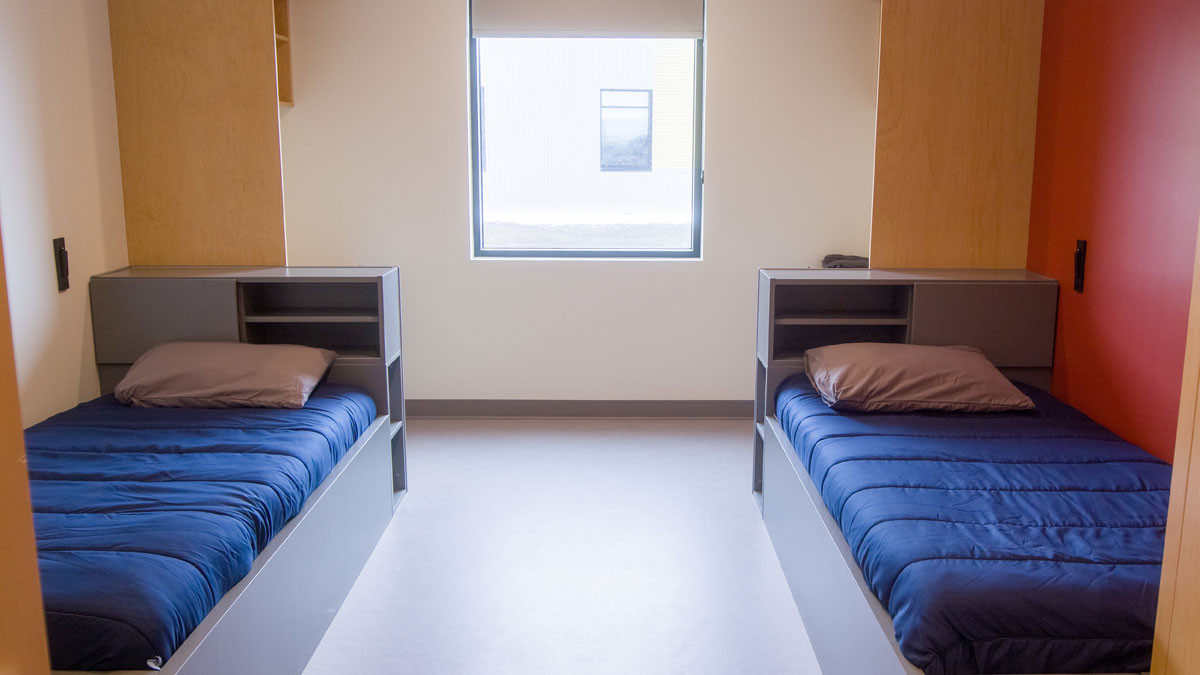
One piece of Wednesday's announcement is a genuinely new kind of building for Edmonton. The Integrated Stabilization Centre, a joint project between the Edmonton Police Service and Recovery Alberta, comes online this summer as a place where people who are publicly intoxicated can be taken for assessment and medical care instead of a cell or an emergency department.
The idea is triage with a door to treatment attached: a safe place to stabilize, staffed for medical care, that doubles as a connection point to recovery services. EPS Deputy Chief Derek McIntyre called it a coordinated response to addiction, overdose and social disorder, and it's aimed squarely at the downtown pressure that both the mayor and police referenced Wednesday.
Why Edmonton specifically
The province's own explanation is blunt. Part of it is carfentanil, which is roughly 100 times more potent than fentanyl and more prevalent in the Edmonton drug supply than elsewhere in Alberta. Part of it is the wider picture downtown: rising mental health emergencies and social disorder complaints alongside the overdose numbers.
Mayor Andrew Knack, who has heard it directly from Chinatown and downtown residents and businesses, called the investment a significant step toward connecting people with support while improving safety for everyone. That's the two-sided promise being made here, care for people in crisis, and relief for the neighbourhoods carrying the crisis, and the next year of openings is where it either lands or doesn't.
What this adds up to, honestly
The 400 beds span everything from medical shelter to months-long recovery communities, and they arrive over more than a year, some already open, some still under construction. That's how a continuum gets built, but it also means Wednesday's announcement is partly new money, partly a progress report on projects announced earlier. The genuinely new capacity landing soonest: the Lakeview beds, the stabilization centre, the navigation centre's expansion, and the two Indigenous recovery communities scheduled to open before the year ends.
The measuring stick the province set for itself is in Wilson's own framing: Edmonton is the exception on opioid deaths. Whether it still is a year from now is the number that will say what these beds did.
If you or someone you know needs help now
You don't have to wait for any of the new facilities. Anyone in Edmonton or anywhere in Alberta can call or text 211 for information on addiction and mental health services and supports in their community, any time. This is a difficult topic, and if it touches your life personally, support is available today.
Sources:
Government of Alberta, Addiction and mental health supports in Edmonton, July 22, 2026: https://www.alberta.ca/release.cfm?xID=965427211251D-A5C7-4E89-E69A49F6C2F6C8AA
Recovery Alberta and Government of Alberta, Alberta Recovery Model program information






Comments
Conversation