"One beer, I just want one beer. Government of Alberta, give me one beer."
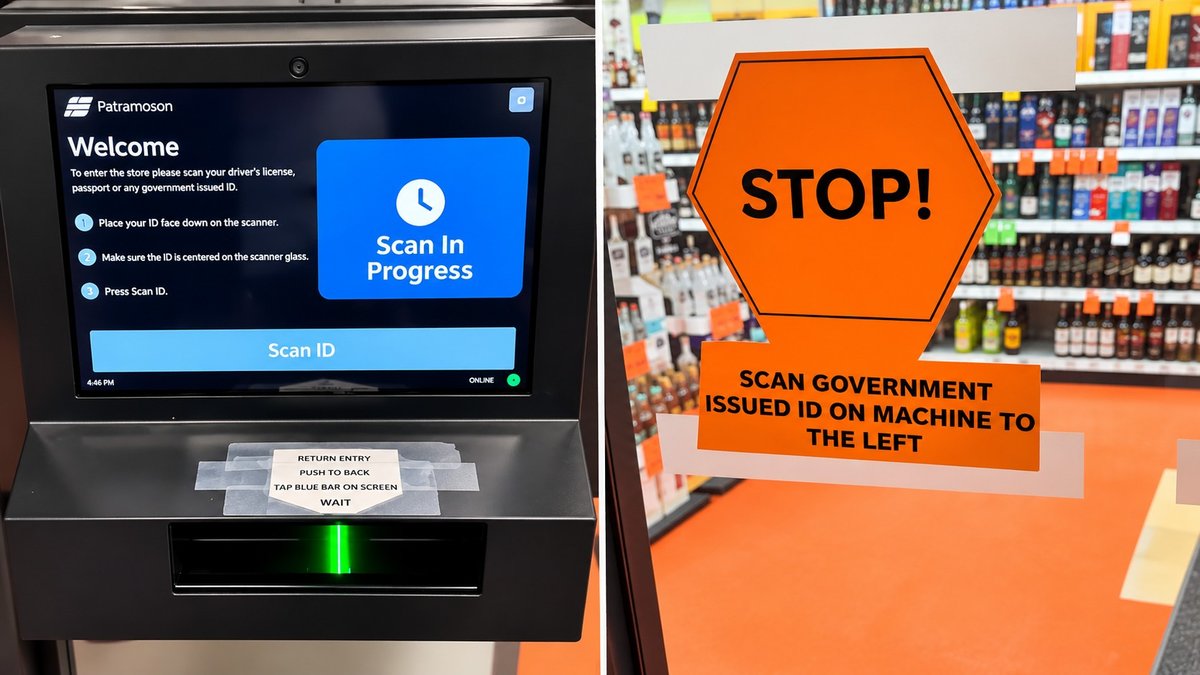
A woman is standing outside a liquor store in downtown Edmonton, trying to get the door to open. To get inside, she has to scan her ID.
It doesn't work the first time, or the second.
"This is what I had to go through to get one beer," she says. "In Edmonton."
The video has been viewed more than two million times on social media since it was posted on Nov. 26. Viewers outside the province wanted to know whether it was real. Many Albertans answered that it's been like this for years.
It has also started a bigger argument about theft, safety and how much personal information people should have to hand over just to walk into a store.
ID scanners have been at some Alberta liquor stores since 2020
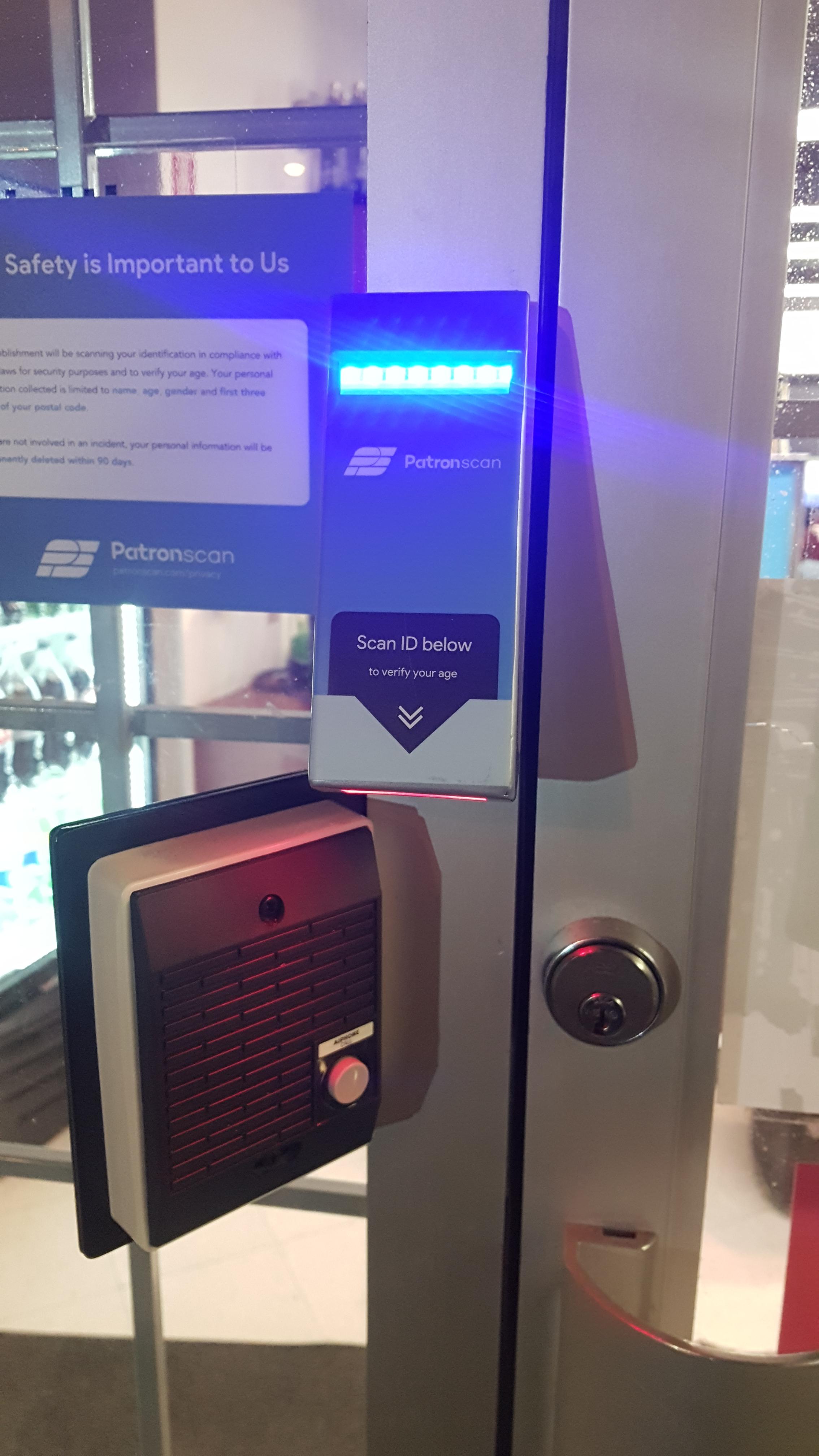
The system is called a controlled entrance. The door stays locked until a customer scans valid government photo ID.
Edmonton started testing it in January 2020, at three stores run by Alcanna, which then owned Liquor Depot, ACE Liquor and Wine and Beyond. More Edmonton stores followed in 2021.
Calgary came next. In 2021, Calgary police and Alcanna brought scanners to four ACE Liquor and Liquor Depot stores in the city.
Not every store uses one. Many Alberta liquor stores still have a regular door, which is why the scanner surprised so many people.
Several Edmontonians responding to the video said they'd seen the same scanners years ago, including near MacEwan University and in Clareview.
Why Alberta liquor stores started locking their doors
By 2019, liquor stores in Edmonton and Calgary were being hit by brazen grab-and-go thefts. People walked in with bags, filled them with bottles and walked out. Workers who tried to stop them were threatened, and some were assaulted.
The Alberta Gaming, Liquor and Cannabis Commission (AGLC) warned stores that the thefts were tied to low-level organized crime.
By 2020, Edmonton police were responding to about 15 liquor thefts a day. The service says it spent more than $4 million in front-line resources on liquor theft that year alone.
Locking the door was the answer police and Alcanna tested.
Police say theft dropped 93% at the first stores
According to Edmonton police:
Edmonton's first three test stores went from 788 theft events to 52, a 93% drop.
Two high-theft Calgary stores recorded no thefts in their first 120 days.
The idea is simple. It's harder to steal from a store that already has your name and photo.
What other provinces have tried
Alberta isn't the only province that has locked liquor store doors, but it's one of the few where the idea stuck.
Manitoba uses controlled entrances at its government-run Liquor Marts. It started at a Winnipeg store in late 2019 and expanded the next year. Manitoba Liquor & Lotteries says robberies have been "virtually eliminated" and thefts have dropped from hundreds a week to a handful. It keeps each customer's photo, name and birthdate for 21 days, and only corporate security can see them.
Ontario tried and backed off. In February 2024, the LCBO announced a pilot that would have checked customers' photo ID at the door of six stores. Critics said it could shut out people without ID, including people experiencing homelessness, open the door to profiling and raise privacy concerns. Two days later, Ontario's finance minister ordered the LCBO to cancel it.
In Ontario and Manitoba, the province runs the liquor stores, so one decision covers every store. Alberta works differently.
Alberta privatized its liquor stores more than 30 years ago
The woman in the video blames the Government of Alberta, but the province doesn't run liquor stores here.
In 1993, Premier Ralph Klein's government closed Alberta's government-run liquor stores and handed retail sales to private businesses. Alberta became the first province in Canada to fully privatize liquor retail.
Today, the AGLC licenses stores, sets the rules and controls wholesale. But each store decides how to handle its own security. The AGLC doesn't require ID scanners. It asks stores to make safety a "high priority" and points to measures such as cameras, alarms and locks.
That's why one store might have a scanner while the store down the street doesn't. Several people responding to the video made the same point: if you don't want to scan, go somewhere else.
Is Edmonton less safe?
That was the real question behind a lot of the reaction. The numbers don't give a simple answer.
Edmonton police's citywide crime data for 2025, released in July, shows:
Shoplifting under $5,000 rose 30%.
Property crime rose 10.1%, driven by shoplifting, mischief and thefts from vehicles.
The overall crime rate rose 3.2%.
The Crime Severity Index, which weighs crimes by how serious they are, fell 6.5%.
"In 2025, we saw our crime rate creeping up after steady decreases in recent years," Police Operations Chief Devin Laforce said.
Police have been putting more officers into problem areas through an initiative called Safer Edmonton, including around Churchill Square downtown.
The scanner in the video isn't a response to last year's numbers. Stores installed them years earlier, after a theft wave police say was costing millions.
What people are saying
The reaction online was split, and many people landed somewhere in the middle.
Plenty of people supported it. They said stores have every right to protect their stock and their workers, given how much shoplifting is going on. Some called the owners smart. One person suggested grocery stores should do the same. People from Winnipeg and Brandon said they're used to it.
Others saw it as a bad sign. Some said it shows Canada is becoming a "low trust society," and pointed to razors and other everyday products now locked up at drugstores. Others argued a store loses more from customers who walk away than from stolen bottles.
Privacy came up again and again. People wanted to know where their information goes, who sees it and how long it's kept.
One person summed up the tension. The privacy implications are "terrible," they wrote, but if criminals aren't being stopped, business owners have to protect themselves.
And more than a few people noticed that the instructions on the machine say to put your ID face down.
What the scanners collect
The privacy worries aren't new.
In 2021, Alberta's Information and Privacy Commissioner investigated the scanners at Alcanna's stores. The commissioner found they were collecting more than the law allows.
Alberta's liquor law lets stores collect your name, age and photo to decide whether to let you in. The scanners were reading everything in the licence barcode, and keeping gender and partial postal codes as well. The commissioner also found the privacy notices posted in the stores were inaccurate.
Alcanna and the company that made the scanners said they would act on all five recommendations. Alcanna's stores have since been bought by SNDL.
Under Alberta law, stores can share information about people tied to past thefts or violence with other licensed stores, and must hand it to police if asked.


Comments