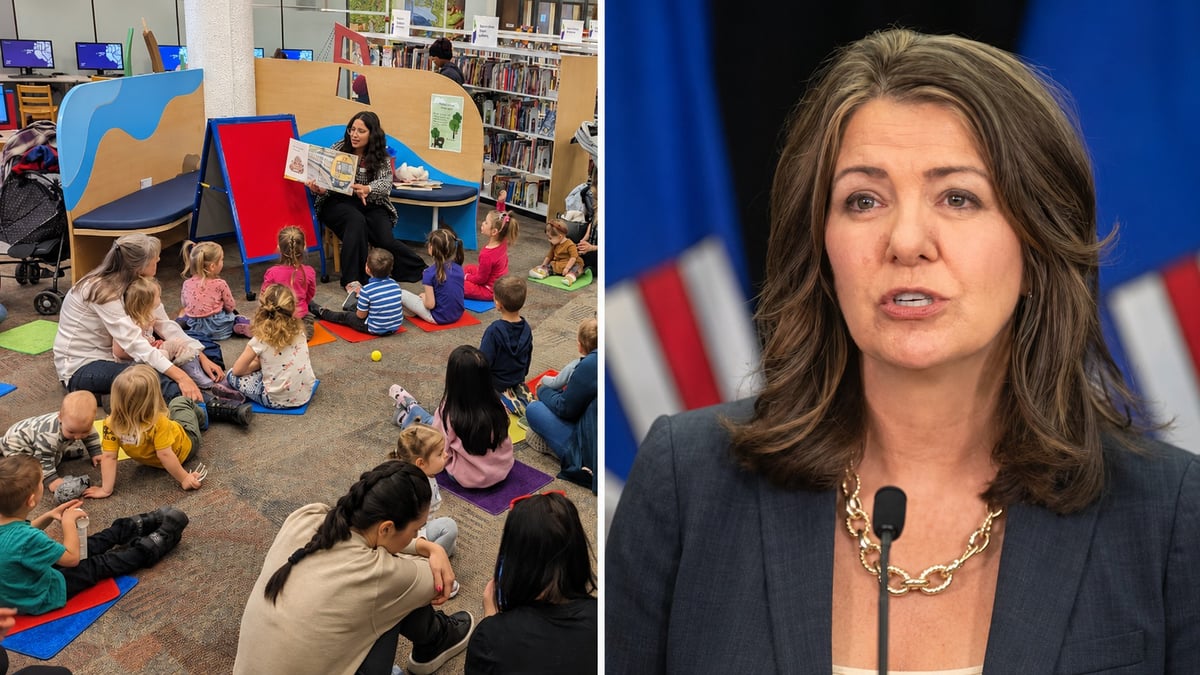
Alberta's public libraries just got their deadline. By January 1, every library in the province needs new rules restricting access to materials with sexually explicit images for anyone under 16, unless a parent or guardian signs off.
The province notified libraries of the timeline this month. Calgary Public Library, Edmonton Public Library and the coalition representing libraries provincewide all say the same thing right now: still reviewing. So the details parents will actually feel, how authorization works, what happens at the desk, whether e-books count, don't exist yet. They're being written this fall.
Here's what's settled, what isn't, and where the fight is.
What the law requires
The rules come from Bill 28, the Municipal Affairs and Housing Statutes Amendment Act, passed in May. It amends the Libraries Act three ways that matter to families.
Materials with explicit visual depictions of sexual acts come off general shelves and into staff-only areas, behind the counter, as Municipal Affairs Minister Dan Williams puts it. Anyone under 16 needs a parent or guardian's authorization to access or borrow them. And since the materials sit in staff-only areas, adults who want them ask staff too. No more browsing for that category, at any age.
The province has drawn the line at visual depictions of sexual acts. Written material isn't covered, educational and health resources aren't covered, and the government insists nothing leaves library collections. Relocated, not removed.
Bill 28 is an omnibus, for what it's worth. The same act bans municipal vacancy taxes and sets a code of conduct for councils, which is partly why the library provisions got less floor debate than a standalone bill would have.
Nobody knows what happens to e-books
The rules were written for shelves. Digital is the hole in them.
Library boards must consider how to apply the same age restrictions to e-books and digital resources, and no library has an answer. It's not stalling, it's a real problem: digital collections run through third-party platforms like Libby, get shared across library systems, and open for anyone with a card number and a PIN. There is no counter to put a file behind.
Whatever the big systems come up with by January becomes the template for the province. If your kids read on a tablet, this is the piece to watch.
What changes for your family's cards
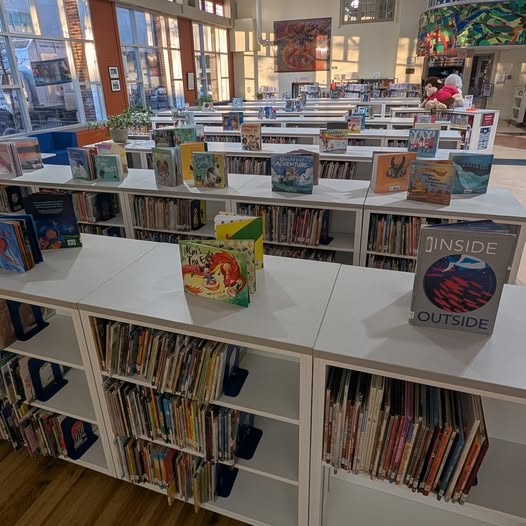
Less than the headlines suggest, probably. The restricted category is a narrow slice of any collection, the province's own examples point at graphic visual content, not the young adult section. Kids' cards keep working. The children's floor doesn't change. Depending on implementation, most families will notice somewhere between nothing and a new checkbox on a minor's card.
The honest answer past that is that libraries themselves don't know yet, and we'll report the Edmonton and Calgary specifics when they announce them.
Here's something parents don't have to wait for, though. Every library already runs a formal challenge process, at Airdrie Public Library it's called Reconsideration of Materials, where any patron can flag a title and staff review it. Airdrie's deputy director says challenges have moved materials before. If one specific book bothers you, that mechanism works today. It always has.
The enforcement powers are the part getting missed
Most coverage of Bill 28 leads with the shelf rules. Librarians lead with something else, and they have a point: the enforcement structure is bigger than the shelf rules.
The minister can appoint inspectors to investigate how a library is run. Obstructing an inspector is an offence. The minister can launch reviews, act on complaints about any public library, issue orders, and reach into a library's leadership. None of this is mutual, there's no corresponding new power for library boards, and no new money came with any of it. Alberta libraries are governed by municipally appointed boards and funded mostly by their towns and cities. Bill 28 moves real authority from those boards to the province, and that shift outlasts any single category of book.
When Williams introduced the bill, reporters asked repeatedly whether the government would use the notwithstanding clause to protect it from a court challenge. Nobody asks that question about routine legislation.
The pushback, and the government's answer
The Coalition of Alberta Public Libraries wasn't consulted before the bill landed. Its objections since: restricting borrowing by age means attaching a patron's identity and age to what they access, which libraries have historically refused to build into their systems. The operational work, re-shelving, restricting, administering authorization, comes with zero provincial funding. And collection decisions move from local boards to provincial officials. The coalition's commissioned polling found 82 per cent of respondents trust their local library's judgment about materials, and one library director framed the boundary worry in a sentence: today it's sexually graphic images, what could it be tomorrow?
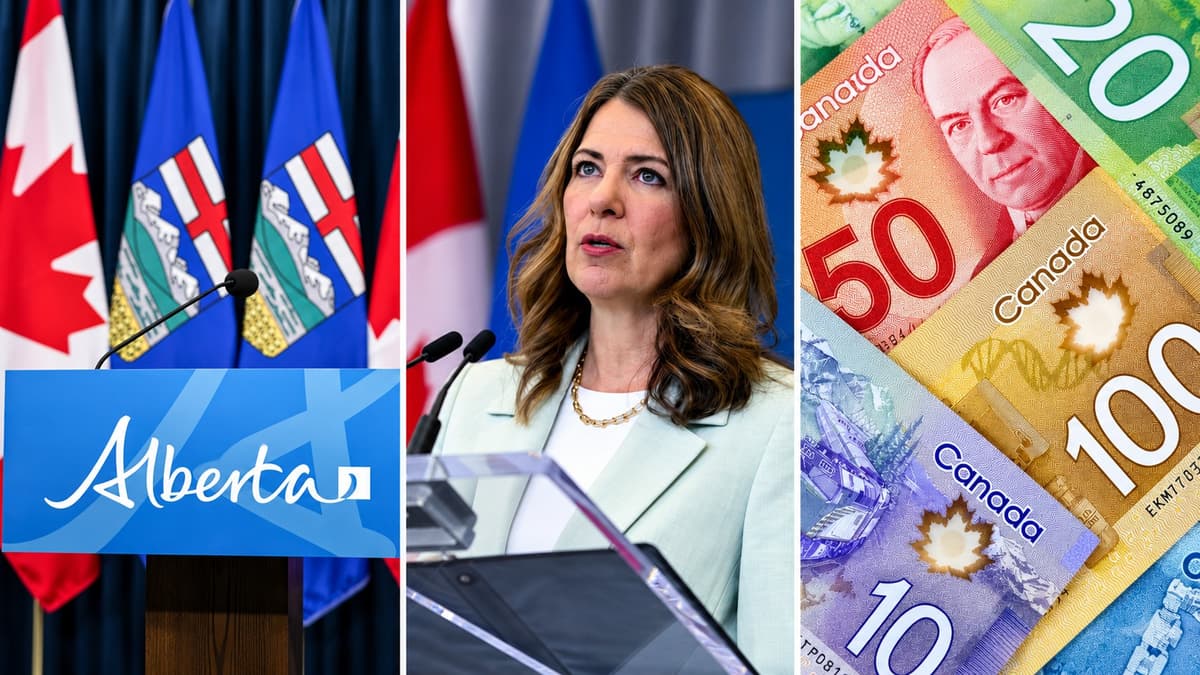
Williams' answer has stayed consistent since April. Explicit visual content shouldn't be something a child stumbles onto on a public shelf, nothing is banned, and supervised access protects both the material and public trust. "This is about making sure the libraries continue to maintain the trust that they enjoy from Albertans," he said at the introduction.
Alberta already ran this experiment, in schools
The whole thing started in 2025, when advocacy groups lobbied the province over four graphic novels in school libraries, books with depictions of nudity and sexual acts that have drawn bans in parts of the U.S. The province ordered schools to act first. Bill 28 extended the idea to public libraries this spring.
The school version is also the best preview of the next five months, because it went sideways fast. The original school order covered written passages, not just images, and Edmonton Public Schools responded with a removal list of 226 books, The Handmaid's Tale, The Color Purple, I Know Why the Caged Bird Sings. The backlash forced the province to pause, cut "written passage" from the order, and push the deadline back.
Public libraries start with the narrower definition the schools fiasco produced. Whether that's enough to avoid their own 226-book moment is the question the fall answers.
Between now and January 1
Libraries write policies through the fall. The province may add regulations filling in definitions and process. Each system tells its cardholders what changes, and the Edmonton and Calgary announcements should come well before the deadline.
We'll update this article as they land.
Sources:
Government of Alberta, Bill 28, Municipal Affairs and Housing Statutes Amendment Act, 2026
Calgary Public Library, Edmonton Public Library and Coalition of Alberta Public Libraries public statements, July 2026
Airdrie Public Library, Bill 28 information page: https://yourapl.ca/About-Us/Library-Info/alberta-bill-28-information-page


Comments
Conversation