A group of off-duty health care professionals happened to be at the beach that afternoon.
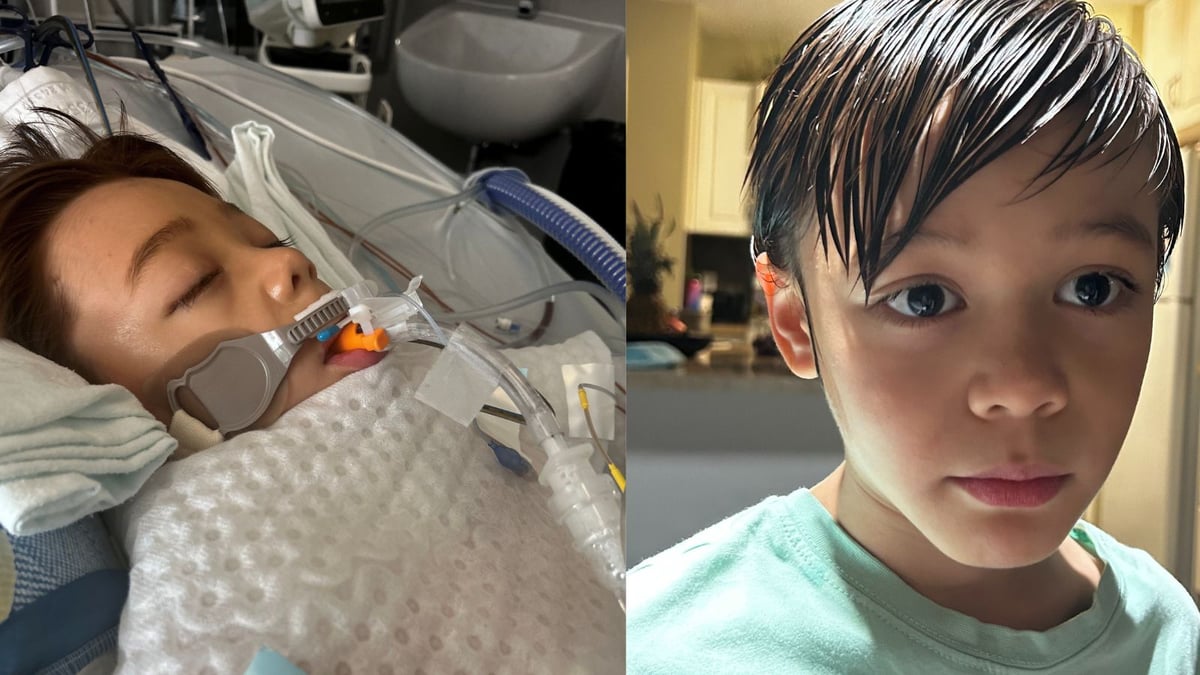
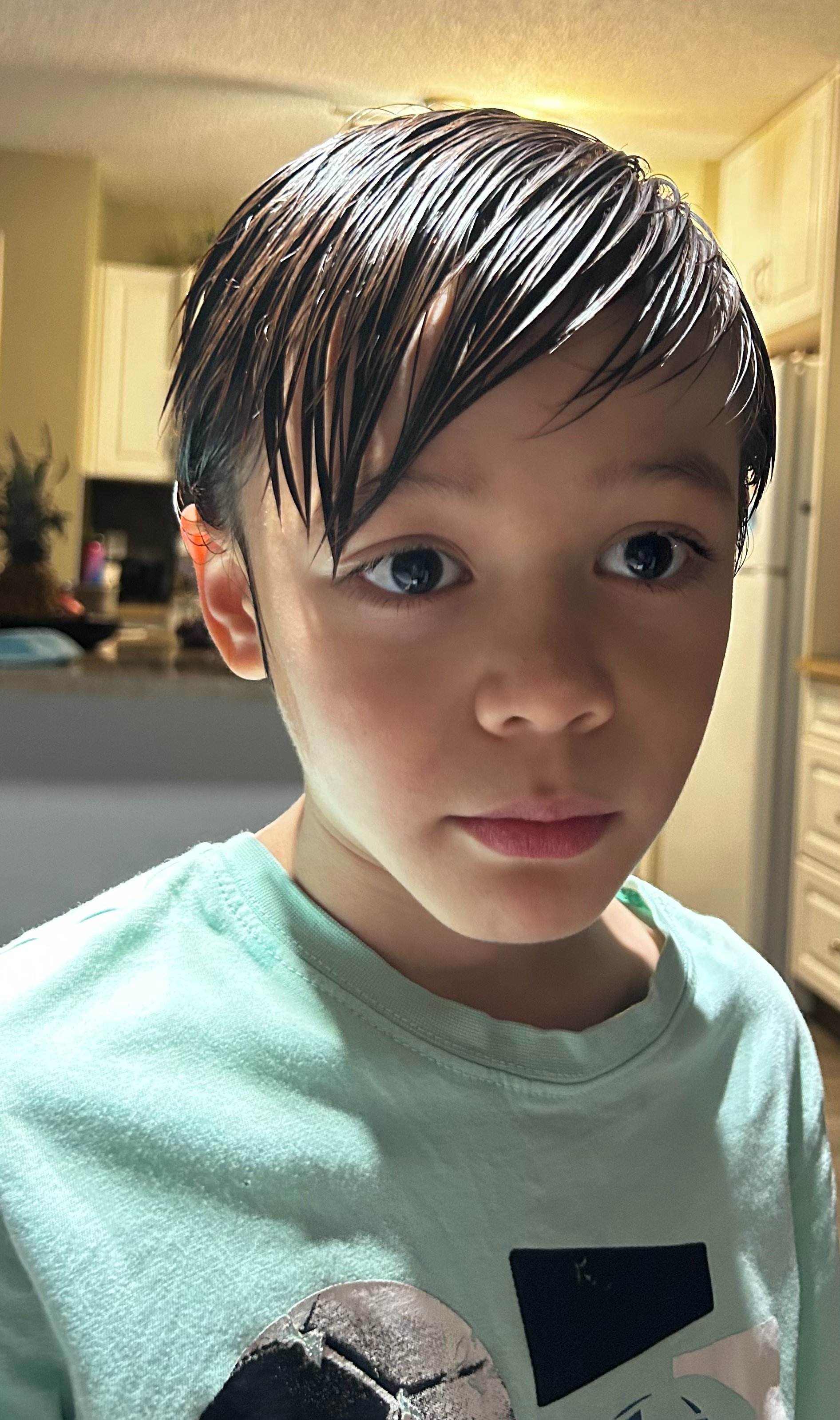
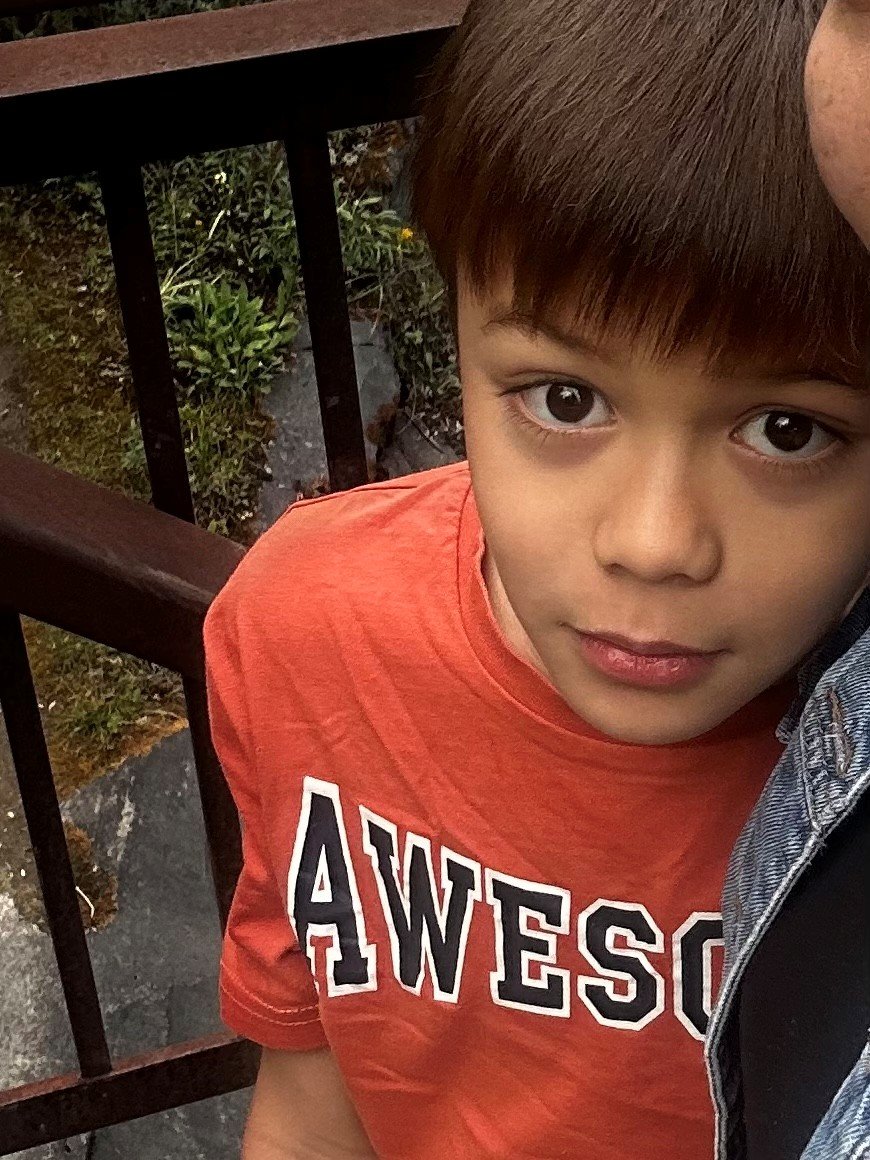
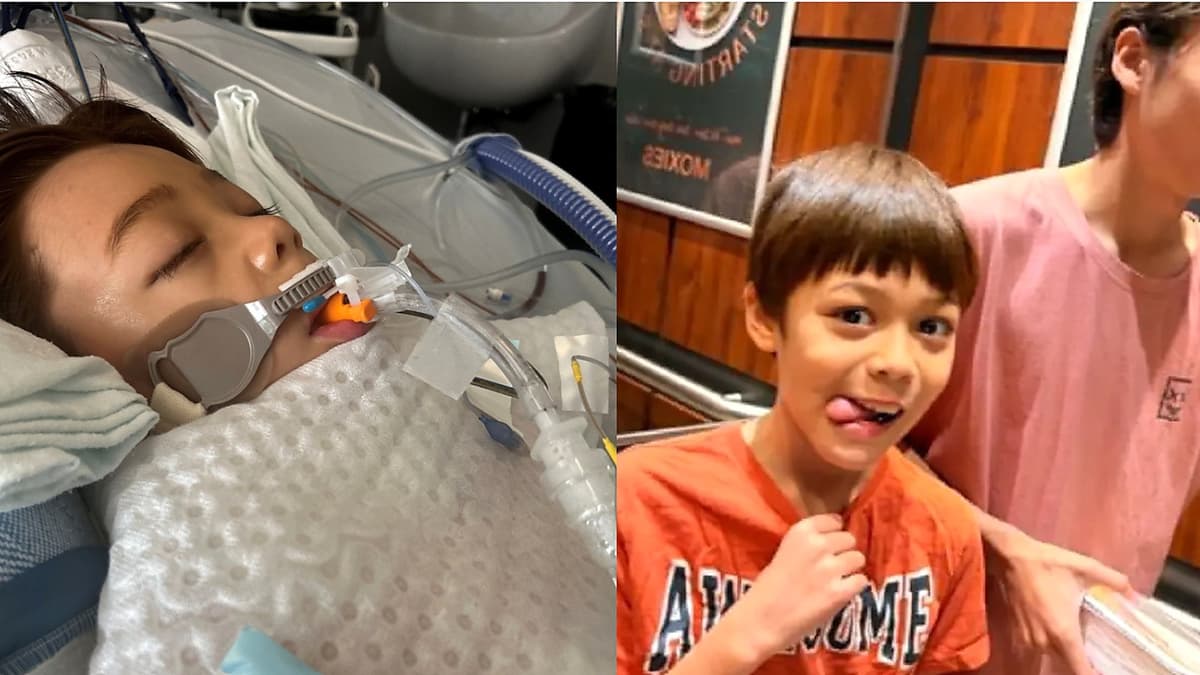
Paul-Angelo Warren, 9, of Calgary, was swimming and diving in the Shuswap River at W.J. Tuey Regional Park near Enderby on the afternoon of August 3, the B.C. Day long weekend, when he didn't come back up.
The river's current had pinned him against fallen deadwood beneath the surface.
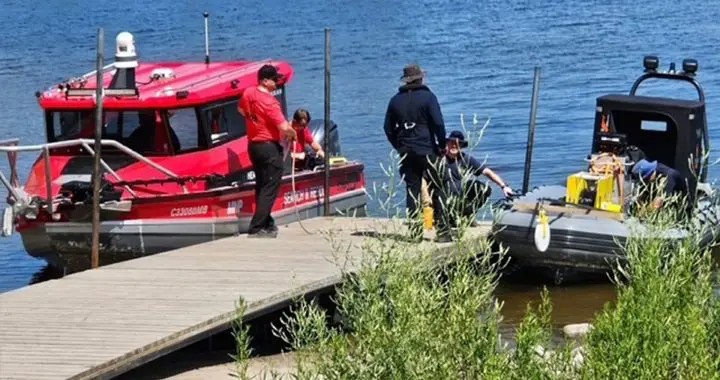
Beachgoers went in after him. Among them were the off-duty health care workers, his father Matthew Warren told the Vernon Morning Star. They brought him to shore and started CPR.
Vernon North Okanagan RCMP said he had been underwater for five to 10 minutes.
Where he is now
Paul-Angelo is in the intensive care unit at BC Children's Hospital in Vancouver, in a medically induced coma, relying on breathing tubes. His lungs are badly damaged.
His mother, Maria Warren, hasn't left.
"I always, always stay with him because I want to make sure that when he opens his eyes, he will see me right away and hear my voice," she said Tuesday.
The family has been in Vancouver for ten days
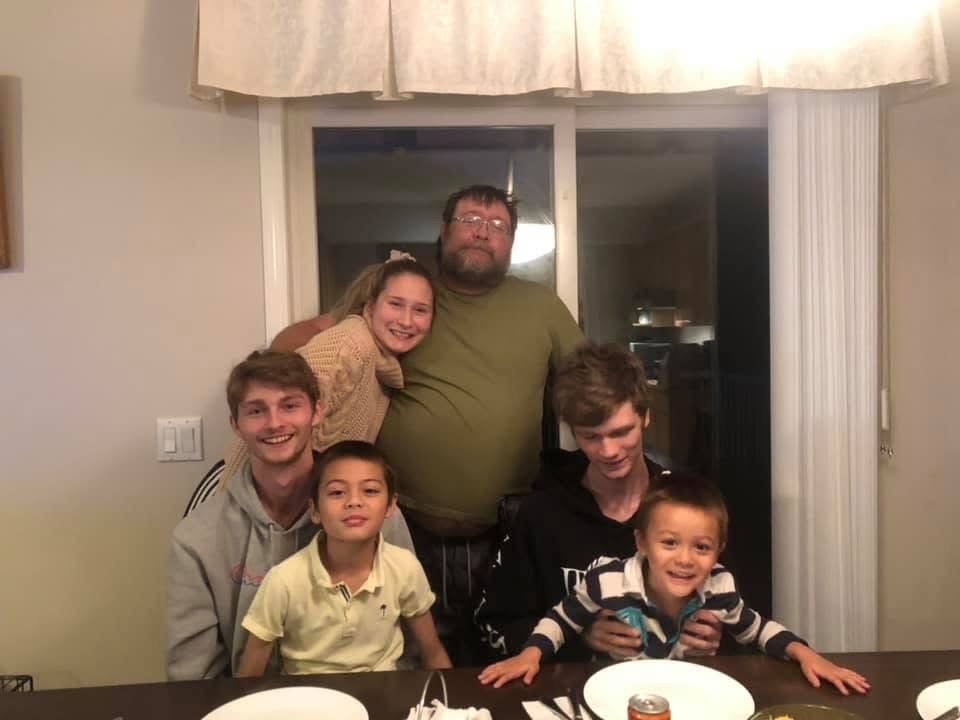
Maria worked as a home care aide and a self-employed cleaner. She stopped to stay at her son's bedside. Matthew has been out of work without employment benefits.
Maria and Paul-Angelo's brother are staying at the hospital. Matthew has been sleeping in his truck so he can stay nearby.
A GoFundMe was launched on August 8 by Laura Bishop to help with the costs. The family described their financial situation as overwhelming.
The bystanders are why he is alive
Drowning survival is measured in minutes, and the ones that count most are the ones before an ambulance arrives.
What the people on that beach did, going into moving water, getting him out, and starting compressions on shore, is the intervention that determines outcomes in cases like this. Paramedics were not there yet. The nearest hospital was not going to matter for another twenty minutes.
The Lifesaving Society and Canadian Red Cross both run courses that cover exactly this: how to assist someone in water without becoming a second victim, and how to perform CPR on a child. For drowning specifically, rescue breaths matter in a way they don't in a typical adult cardiac arrest, because the underlying problem is oxygen rather than the heart.
Most people at a beach on a long weekend won't have that training. On August 3, some of them did.
What trapped him
The fallen wood that pinned Paul-Angelo is known in swiftwater rescue as a strainer. Water can move through the branches, but a person can become caught against them by the current.
Such hazards are often difficult to see from shore, particularly where the surface looks calm. A submerged tangle of branches or roots gives little indication of itself from above, and the force of moving water against a body held in place is considerably greater than most swimmers anticipate.
It is also the reason river swimming carries risks that lake swimming does not. Being a capable swimmer offers limited protection against being held underwater by a current.
What safety officials advise
River-safety officials warn swimmers to avoid areas with visible logs or branches, since debris above the surface usually indicates more of it below. They advise staying out of fast-moving water and away from outside bends, where the current runs hardest and debris collects.
They also advise against diving into rivers, because submerged hazards and changing depths are not visible from the surface, and recommend a properly fitted life jacket in any moving water.
B.C. drownings are up 54 per cent this summer
The B.C. Coroners Service recorded 40 accidental drowning deaths between May 1 and July 16 this year. Over the same period in 2025, there were 26.
"We have seen an unfortunate upwards trend this summer when it comes to accidental drowning deaths," chief coroner Dr. Jatinder Baidwan said in July.
Paul-Angelo went under on August 3, inside the window the coroner was warning about. July and August carry the highest monthly averages in the province.
Lenea Grace, executive director of the Lifesaving Society's B.C. and Yukon branch, says there's no single cause but one common thread. "Recent drownings and water-related injuries in B.C. have involved victims who weren't wearing life-jackets or personal floatation devices," she said. "It won't work if you don't wear it."
She has also pointed to a figure worth sitting with: fewer than one per cent of drownings in British Columbia happen in lifeguard-supervised areas.
W.J. Tuey Regional Park is not lifeguarded. Almost no river access in the B.C. Interior is.
The Shuswap is an Alberta summer
Enderby sits on the highway corridor that thousands of Alberta families drive every July and August, heading to Shuswap Lake, Mara Lake, Sicamous and the Okanagan. It is one of the most heavily travelled vacation routes out of Calgary and Edmonton.
Which means a lot of Albertans have swum in that river, or one like it, without thinking about what was under the surface.
The wider numbers have been moving the wrong way. At least 20 people had died by drowning in British Columbia earlier this year, up from the same point last year, and safety groups have been urging life-jacket use. In Alberta, Calgary's Mahogany community introduced a mandatory water safety course for residents after three drownings at its lake in under a year.
Supporting the family
The GoFundMe for the Warren family was launched August 8 by Laura Bishop and has been reported by multiple B.C. outlets.
https://www.gofundme.com/f/Support-Warren-Family
Sources
Vernon North Okanagan RCMP news release
Interviews with Maria Warren and Matthew Warren as reported by The Canadian Press and the Vernon Morning Star
GoFundMe fundraiser organized by Laura Bishop, August 8, 2026




Comments
Conversation