Four more Edmonton elms have tested positive for Dutch elm disease, two in Glengarry and two in Rossdale. All four are being removed, along with every elm growing within 20 metres of them.
That brings the city's total to 14 since the disease was first found here in 2024.
The number that matters more is how those 14 arrived. On July 14, the count was nine. Two years to reach nine, then five more in about two and a half weeks.
What Edmonton stands to lose
Dutch elm disease is a fungal infection that has killed millions of American elms across North America since arriving from Europe around 1930. Entire streets in eastern cities were emptied of mature elms within a decade.
Edmonton was largely spared, which is why the city holds one of the largest concentrations of uninfected American elms left in the world.
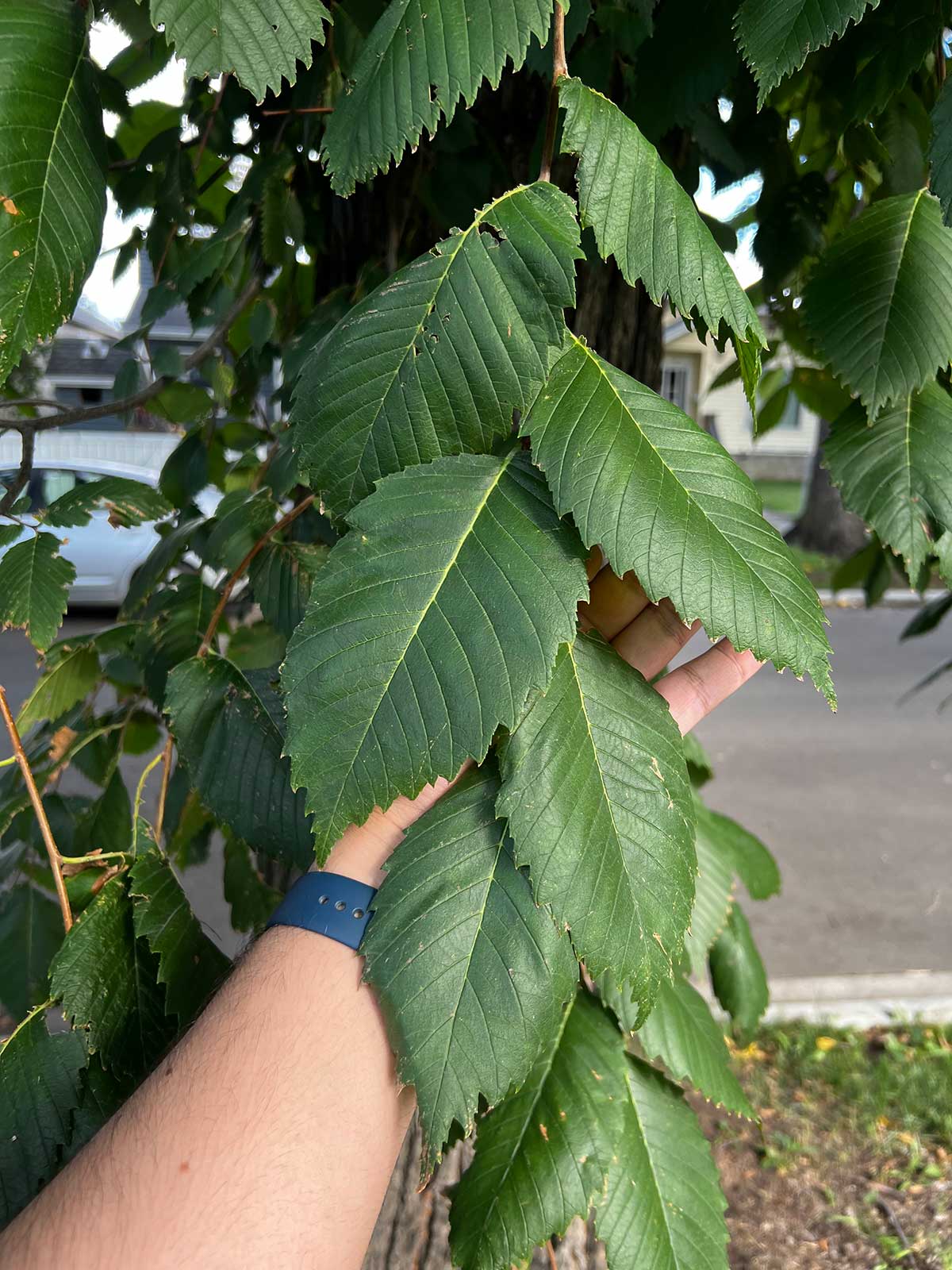
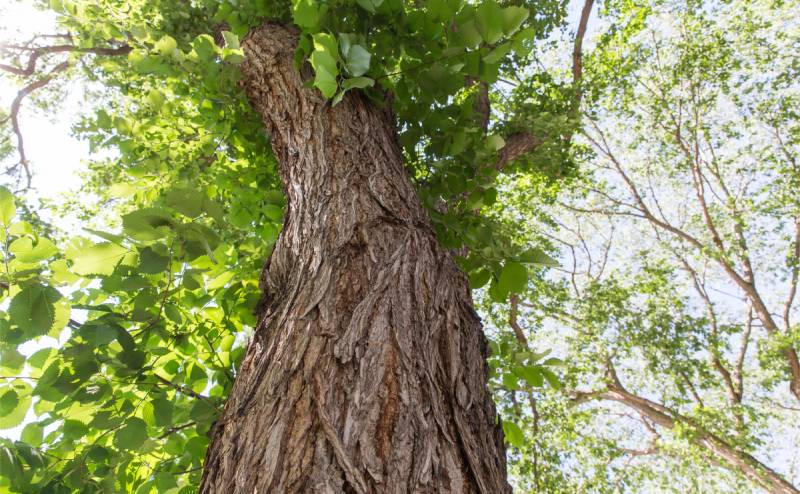
There are roughly 90,000 city-owned elms here, about 22 per cent of Edmonton's open-space and boulevard tree inventory. One in five city trees. If you have walked a street in Glenora, Highlands or Old Strathcona under a canopy that closes overhead, that's an elm doing it.
Alberta stayed clear for a long time. An isolated case turned up in Wainwright in 1998, and two Lethbridge trees tested positive in 2020. The beetles that carry the fungus, however, have been in Edmonton and St. Albert since 1995 and Calgary since 1994, and are now found from Medicine Hat to Grande Prairie. The vector arrived thirty years ago. The disease took until 2024.
Rossdale has now come up twice
The July 14 cases were in Northmount and Rossdale. Wednesday's are in Glengarry and Rossdale.
When a neighbourhood appears twice in three weeks, it suggests the disease is established there rather than arriving once by chance. The city places a Protocol Zone with a one-kilometre radius around every confirmed case, triggering heightened monitoring, assessment and tree maintenance. Rossdale now sits inside overlapping zones.
The removal rule is aggressive on purpose. Infected trees come down, and so does every elm within 20 metres, whether or not it shows symptoms. Removed wood goes to the Edmonton Waste Management Centre under specialized handling. Stumps have to be de-barked or ground to 10 centimetres below soil level, because bark left in the ground is beetle habitat.
The city ran 185,510 visual surveys and sent 57 samples for lab testing this year as of mid-July, work done by an integrated team of arborists, urban foresters and pest management biologists in coordination with the province and the Canadian Food Inspection Agency.
You cannot legally prune your elm right now
This is the part most homeowners don't know.
Under Community Standards Bylaw 14600, it is illegal to prune an elm tree in Edmonton between April 1 and September 30. Not discouraged. Illegal. The window reopens October 1 and closes again March 31.
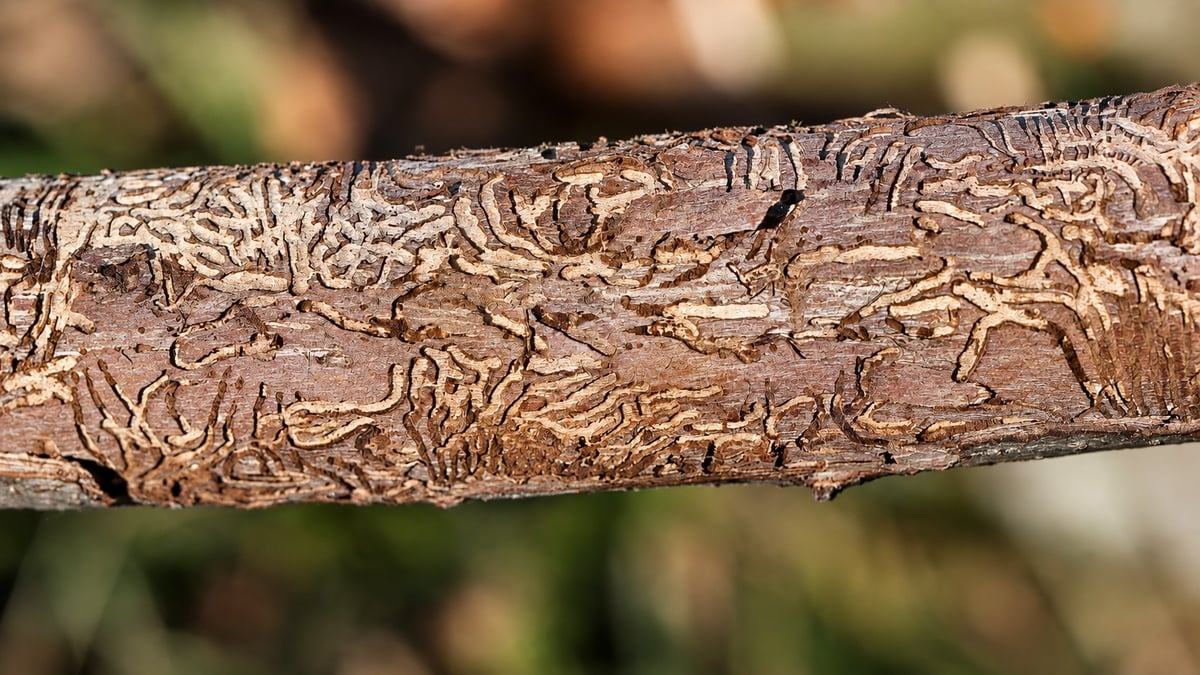
The reason is the beetle. Elm bark beetles are about 3.5 millimetres long, roughly an eighth of an inch, and they're drawn to fresh wounds on elm wood. A cut branch in July is an invitation. They burrow under the bark, and the fungal spores they leave behind clog the tree's water-conducting tissue until branches wilt and die, usually within a season or two.
Several other things are also violations. Storing elm firewood. Transporting any part of an elm anywhere other than a disposal site. Pruning an infected elm. Doing any work at all on a boulevard elm without the city's consent, since those trees are city property even when they're in front of your house.
There are exceptions, and they require paperwork. An elm damaged by lightning or a storm can be pruned in summer, but the branches must be chipped, burned or buried promptly. A city inspector can approve limited pruning to clear an electrical hazard or avoid construction damage. Either way, written permission has to come first, through 311 or the city's online reporting form.
Residential elm wood disposal at the Edmonton Waste Management Centre is free.
The long weekend problem
The single most common way Dutch elm disease reaches Edmonton is firewood.
The city's request is blunt: don't bring firewood in from outside Edmonton, and burn it where you buy it. Beetles and their larvae travel inside cut wood, and a bundle bought at a campground store two hours away can carry them straight into a neighbourhood full of healthy elms.
It's the August long weekend. Thousands of Edmonton households are heading out to campsites, and a good number will come home with leftover wood in the truck. That leftover bundle is the mechanism.
Buy your firewood where you burn it, and leave what's left behind.
What happens if it's your tree
The 20-metre rule is the part people don't expect. If a neighbour's elm tests positive, healthy elms on your property inside that radius come down too.
Under Alberta's Agricultural Pests Act and the Pest and Nuisance Control Regulation, every municipality in the province carries both the responsibility and the authority to control Dutch elm disease, and that authority extends onto private land. Removal of infected and exposed elms is handled as part of the city's containment program.
The stump matters as much as the tree. It has to be de-barked or ground to 10 centimetres below soil level, because bark left in the ground stays viable beetle habitat long after the trunk is gone. A tidy-looking cut stump is still a problem.
If your elm is on the boulevard, it's city property regardless of who has been watering it, and the city handles everything.
What an infected elm looks like
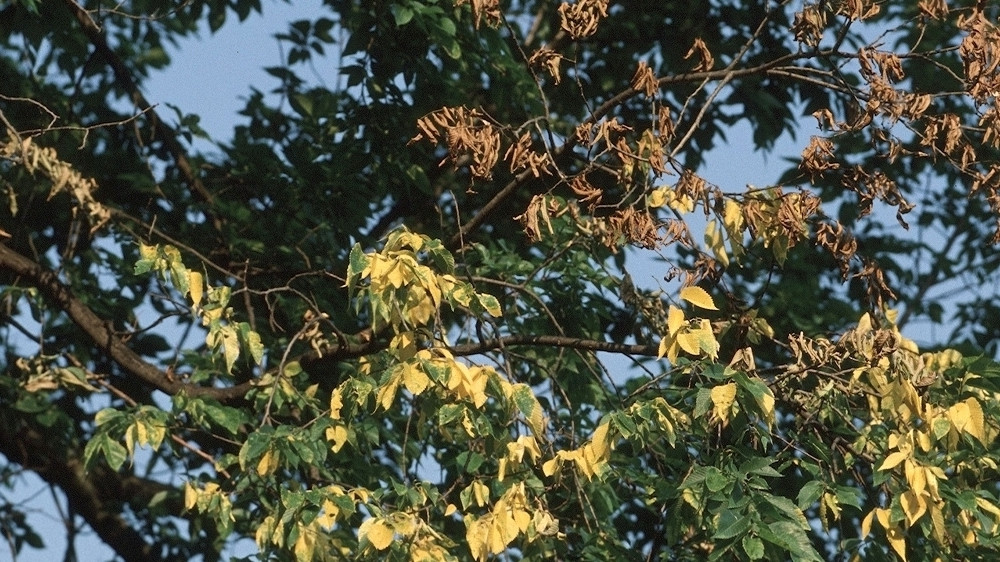
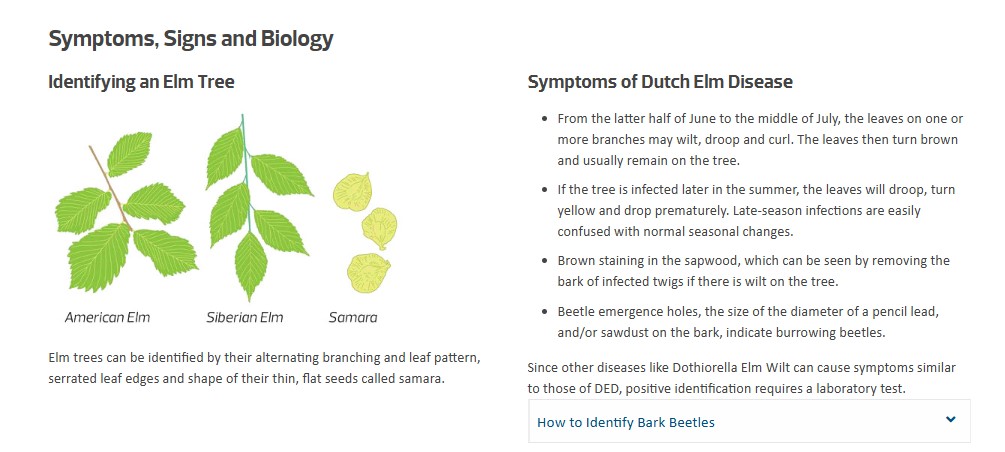
Late June through mid-July, leaves on one or more branches wilt, droop and curl, then turn brown and usually stay attached to the tree rather than falling. That last detail is the tell. Dead leaves hanging on is not normal.
A later-summer infection looks different. Leaves droop, yellow and drop early, which is easy to mistake for an ordinary seasonal change. That's why August cases get missed.
Two other signs. Brown staining in the sapwood, visible if you peel bark back from an infected twig. And tiny emergence holes about the diameter of pencil lead, sometimes with sawdust on the bark, which mean beetles are already in the tree.
Report anything that looks like this to 311, whether the tree is on your property or the boulevard.
Nicole Fraser, acting director of parks and urban forestry, has said the confirmed cases are being found through the city's own intensified surveillance rather than turning up by accident. Mark Beare, director of infrastructure operations, said a recent case did not change the city's approach and that officials remain confident the coordinated effort is limiting spread.
Fourteen cases out of 90,000 trees is still a small number. The question the next few weeks will answer is whether the recent pace is a surveillance effect, because the city is looking harder than it ever has, or the disease moving faster than it was.
Sources:
City of Edmonton, Dutch Elm Disease: https://www.edmonton.ca/programs_services/pests/dutch-elm-disease
City of Edmonton, Elm Tree Trimming and Community Standards Bylaw 14600: https://www.edmonton.ca/city_government/bylaws/elm-tree-trimming
City of Edmonton news releases, July 14 and August 1, 2026
Government of Alberta, Agricultural Pests Act, Pest and Nuisance Control Regulation






Comments
Conversation