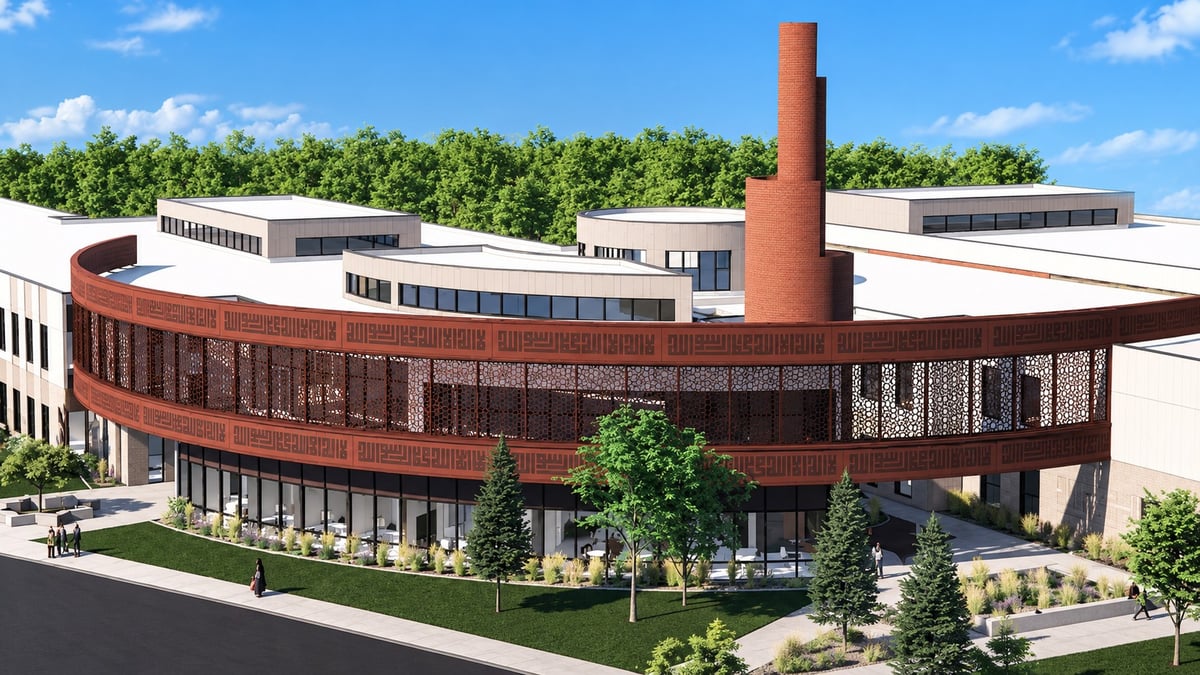
An Edmonton Islamic school project is getting $10 million from the Alberta government. That’s the largest grant in a new program that puts public money toward private school buildings for the first time.
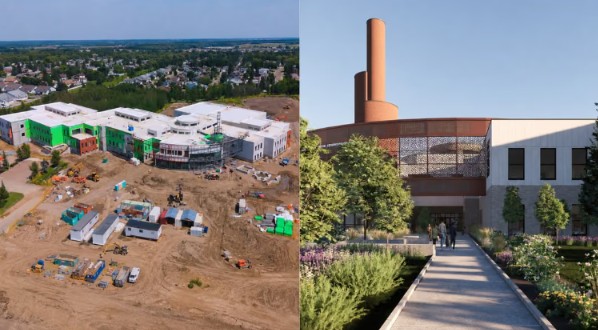
It’s one of six grants announced this week under Alberta’s Independent School Capital program, which together total $25.8 million. The province lists the Edmonton project as a new build with 1,700 student spaces. That matches what Edmonton Islamic Academy has planned for its new elementary campus in northwest Edmonton, which opened its first phase in August.
The province says the grants create classroom space and give parents more choice. The Alberta Teachers’ Association says independent schools should pay for their own buildings, especially while public schools are running out of room.
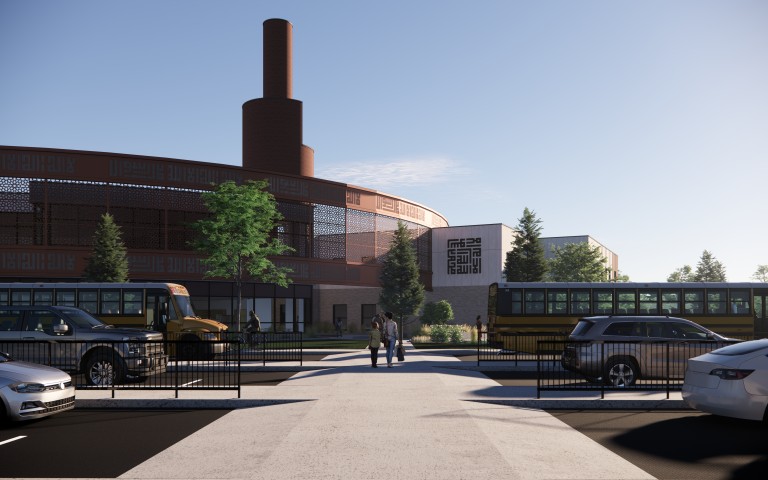
From a mosque basement to 1,800 students
Edmonton Islamic Academy started in 1987 in the basement of the original Al Rashid Mosque. Built in Edmonton in 1938, it was Canada’s first mosque. The academy says it opened with 21 students.
Today it serves more than 1,800 students from preschool to Grade 12. It teaches Alberta’s curriculum alongside Islamic, Quranic and Arabic studies.
There still isn’t enough room. Before the new campus was built, the waitlist ran between 1,400 and 1,500 children, and some families waited up to six years for a spot.
The school’s results are part of the draw. In its 2025 report, the academy said its high school ranked sixth in Alberta and second in Edmonton in the Fraser Institute’s 2024 rankings. Its elementary school climbed from 684th to 122nd in the province, according to the same report. Those are separate rankings for different grade levels.
The community around it has grown too. Edmonton had 83,015 Muslim residents in the 2021 census, about 8.3 per cent of the city. Across Alberta, the Muslim population grew from 49,045 in 2001 to 202,535 in 2021, according to Statistics Canada.
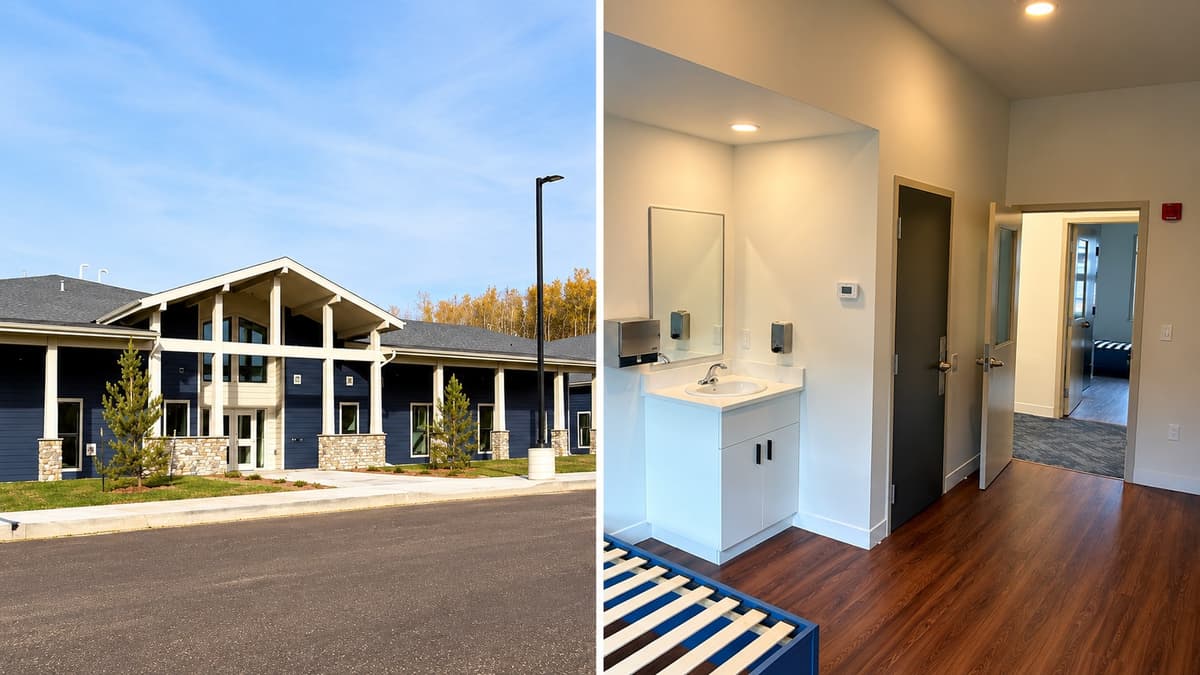
Phase 1 opened in August
The new campus, near the academy’s existing site on 127 Street, is an $80 million project, according to Alberta’s Major Projects registry.
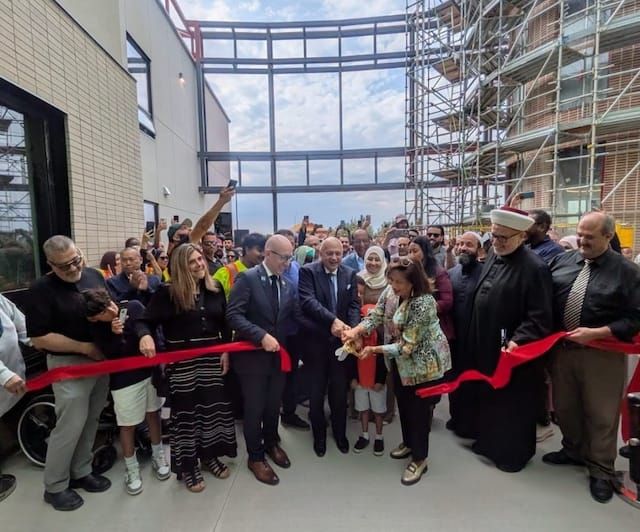
More than 1,000 people came to the Phase 1 grand opening on Aug. 29, which included a ribbon-cutting, a neighbourhood march and a community barbecue. Classes started that Monday.
“It addresses a critical need: access to Islamic education,” principal Abraham Abougouche said.
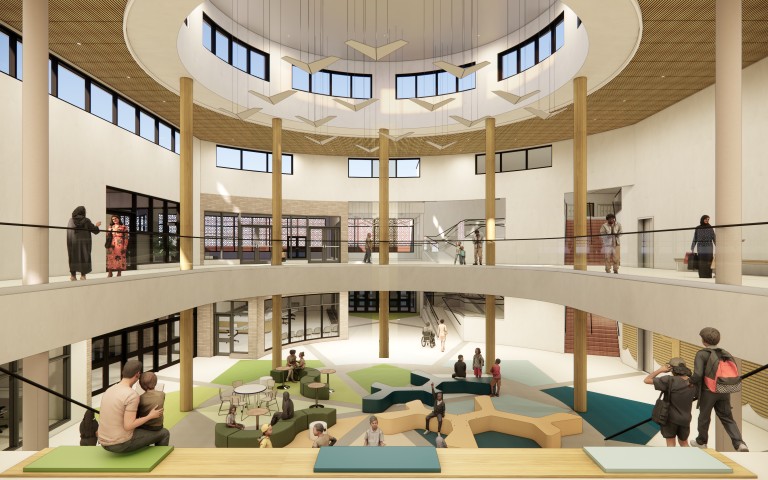
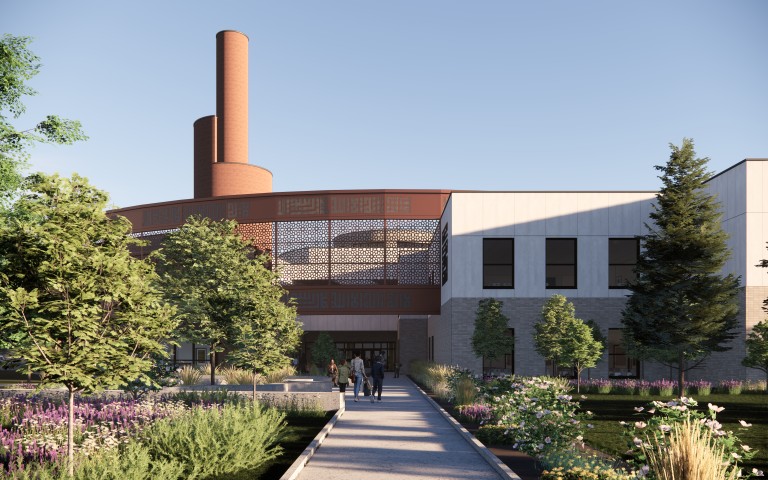
When it’s finished, the school says, the campus will have 76 classrooms, two prayer halls, two gyms and five learning centres, with room for more than 1,700 students from kindergarten to Grade 6.
So far, the project has been paid for mostly through community donations and interest-free loans raised through the Al Rashid Mosque.
What the $10 million is for
The province hasn’t said which part of the project the grant covers, and the academy hasn’t commented publicly.
Under the program’s rules, projects “completed or commenced prior to the proposal submission date” aren’t eligible. Neither are costs incurred before an application. This year’s applications were due May 31, and construction on the campus began in 2025. That points to the money going toward work that hadn’t started when the school applied, such as a later phase.
The $10 million is the most any one school authority can get. The province pays it out in stages as construction milestones are met.
Where the rest of the money is going
| School | Location | Grant | New spaces |
|---|---|---|---|
| Edmonton Islamic School | Edmonton | $10 million | 1,700 |
| Bearspaw Christian School, Phase 4 | Calgary | $6.1 million | 1,072 |
| Lighthouse Christian Academy | Sylvan Lake/Lacombe County | $4 million | 126 |
| Khalsa School Calgary | Calgary | $3.3 million | 300 |
| Bearspaw Christian School, Phase 3 | Calgary | $1.8 million | 300 |
| Third Academy | Calgary | $666,667 | 80 |
Together, the six projects are expected to add about 3,578 student spaces. Third Academy’s grant is for modular classrooms for students with specialized learning needs.
The province says its $25.8 million should bring in more than $108 million from the schools and their communities, for more than $134 million in total construction.
How the program works
Until this year, independent schools in Alberta paid for their own buildings. The Independent School Capital program, announced in March, is a three-year, $90 million pilot that changes that.
Established schools (more than three years old) put up $2 for every $1 from the province, so Alberta covers up to a third of the cost.
Newer schools have to match $4 for every $1.
The cap is $10 million per school authority.
Far more schools wanted in than got in. Thirty-five school authorities applied for 40 projects, asking for $182 million in total. Six projects were funded. Another $25 million is available in 2027, and $30 million in 2028.
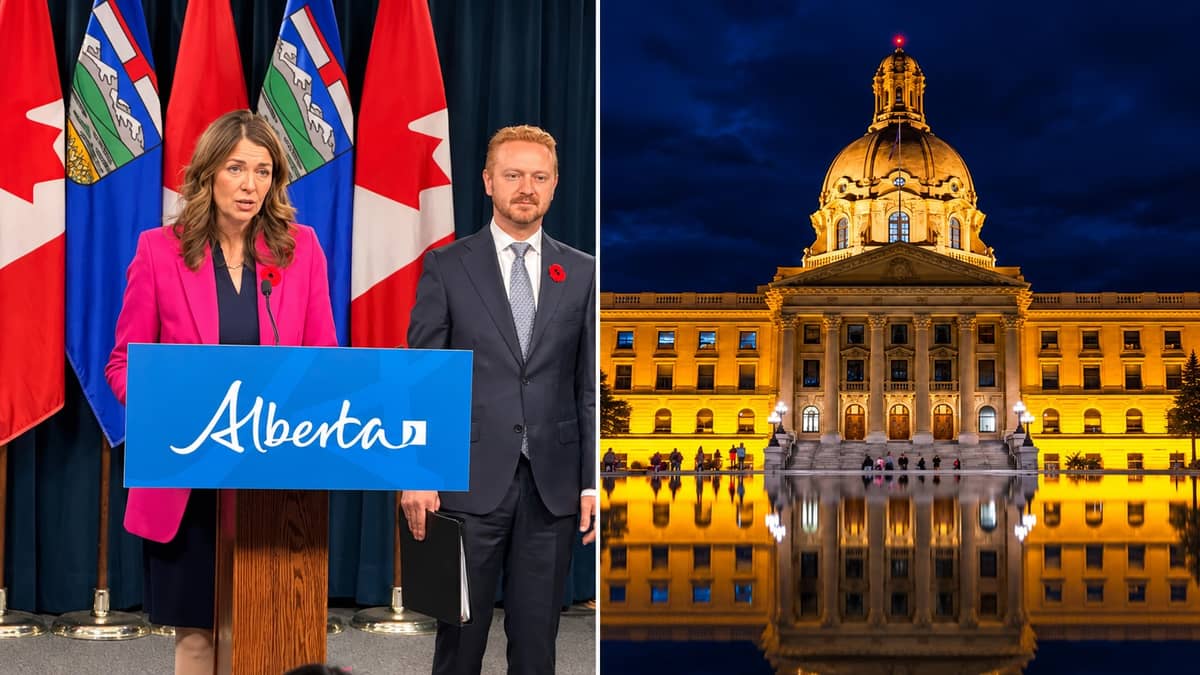
“We are taking action to create more student spaces while ensuring parents continue to have choice,” Education Minister Demetrios Nicolaides said in announcing the grants.
Independent school enrolment in Alberta grew about 27 per cent between 2021 and 2025, to 49,884 students. Overall enrolment grew about 12 per cent over the same period.
“This is a really extraordinary time in Alberta education history, and that causes us to have to take extraordinary steps,” Nicolaides said.
Why teachers object
The criticism isn’t aimed at any one school. It’s about whether public money should help build schools that are privately run.
“The private system should pay for itself as it does in other provinces,” ATA president Jason Schilling said this week.
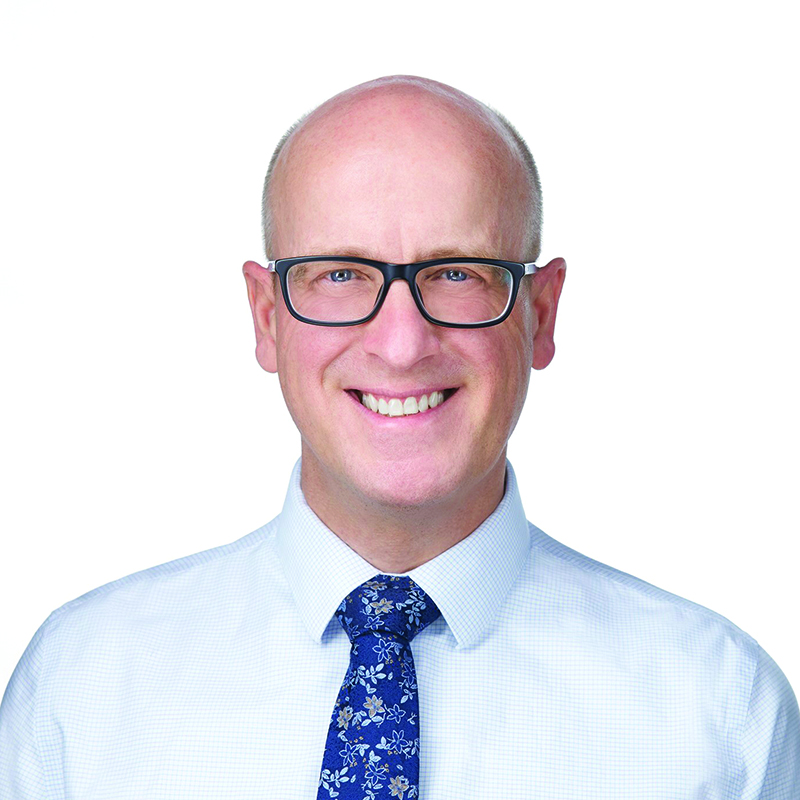
When the program launched in March, he called it “just another hit on public education, which is already bruised.” About 93 per cent of Alberta students attend public schools, which have to take every eligible student in their area.
The province says independent schools educate more than 7 per cent of Alberta students while receiving less than 5 per cent of education funding. It says the grants are separate from its $10.8 billion Schools Now program, which will build and renovate more than 100 public schools.
For Edmonton Islamic Academy, the money adds to a campus that’s already open and still growing. What’s still unknown is exactly which part of it the province is paying for.
Comments
Conversation