Hospitalizations of children 15 and under for e-scooter injuries nearly tripled in one year, rising from 54 to 150.
Now an Edmonton crash involving two boys, ages 11 and 12, is putting the issue back in front of parents for another reason. Dirt bikes, including electric ones, are illegal on public roads in Alberta, and parents can be fined too.
The boys were seriously injured Thursday afternoon after police say an electric dirt bike collided with a Ford Fusion at Windermere Boulevard and Terwillegar Drive.
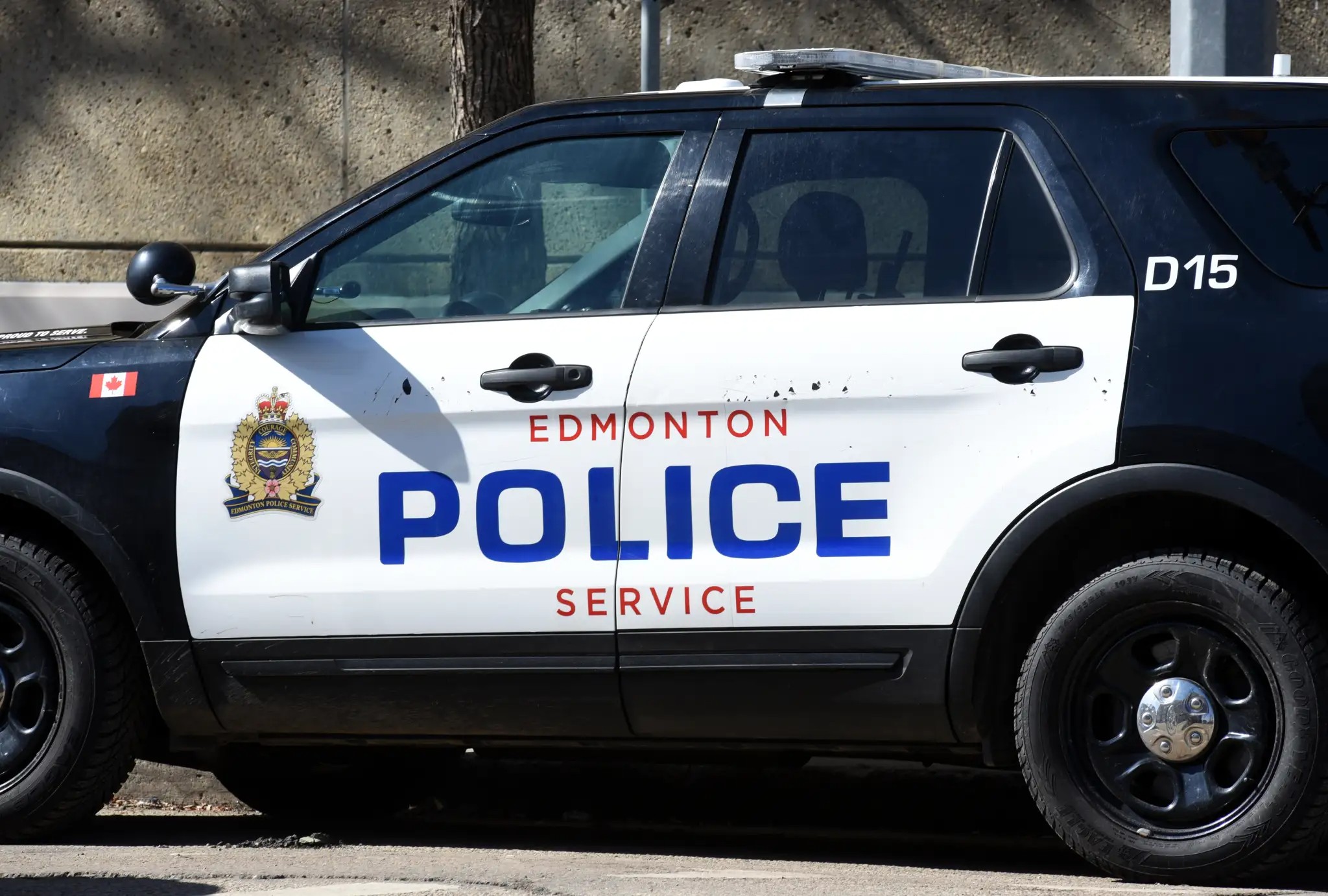
What police say happened
Around 2:30 p.m.
The e-dirt bike was in the far-left turning lane on Windermere Boulevard eastbound. The Ford Fusion was in the neighbouring left-turning lane.
When the advance left turn signal went green, the Fusion turned left onto Terwillegar Drive northbound, as it was permitted to do.
Police allege the dirt bike beside it tried to go straight across the intersection instead, cutting off the car. The Ford struck the bike.
The 11-year-old driving and his 12-year-old passenger were taken to hospital with serious but non-life-threatening injuries. Neither is old enough to hold a learner's permit.
The adult driver of the Fusion remained on scene and reported no injuries.
The intersection was closed for much of the afternoon while the major collision unit investigated, producing rush hour gridlock in that part of the city.
It's illegal, and parents can be fined
This is the part a lot of families don't know when they buy one.
Dirt bikes, electric or gas-powered, cannot legally be driven on public roads in Alberta. Not on the street, not in a bike lane, not through an intersection.
RCMP say the majority of riders their officers encounter are youths.
Underage riders and their parents both risk substantial fines, seizure of the bike, and potentially criminal charges.
Two weeks before the Windermere crash, a teenager in St. Albert was hit with nearly $1,400 in fines after allegedly crashing an electric dirt bike into the side of an SUV on August 27.
Where kids can legally ride
Worth knowing, because the answer isn't "nowhere."
Private property, with the owner's permission.
Designated off-highway vehicle areas, of which Alberta has a substantial network on public land.
Not public roads, sidewalks, bike lanes or multi-use paths.
The practical problem is access. An off-highway area usually means a drive, a trailer and a parent's whole afternoon, while the street outside is right there. That gap is where most of these collisions happen.
The numbers are moving fast
The Canadian Institute for Health Information released data in August showing hospitalizations among children and adults riding e-scooters have risen by almost 40 per cent in the last year.
For kids, the jump is steeper. Children 15 and under went from 54 hospitalizations in 2024-25 to 150 in 2025-26.
Of those 150, 122 were boys and 28 were girls. Head and brain injuries and fractures were among the most common reasons.
Separately, the Canadian Paediatric Surveillance Program reported that 10 Canadian youths died from injuries sustained during e-scooter and e-bike use in 2025.
Youth aged 10 to 15 accounted for 42 per cent of cases reported by pediatricians and emergency physicians. Another 18 per cent were children aged five to nine. The average age was 10 to 12.
Head injuries made up 47 per cent of cases, limb injuries 40 per cent.
A separate CIHI release in July 2026 found a 22 per cent spike in e-scooter hospitalizations nationally over the previous year.
The doctor's argument
Dr. Louis Hugo Francescutti is a public health professor at the University of Alberta and an emergency physician at the Royal Alexandra Hospital.
His point is about brain development.
"The trouble is, they don't have any concept of risk," he said. "That part of the brain, through no fault of their own, has not been developed yet."
The brain's capacity for assessing risk doesn't finish developing until around age 25, which he noted is why car rental companies set age limits.
"You put these bikes that are becoming cheaper and cheaper, faster and faster, in the hands of people that don't have the ability to understand the dangers of them. That's why you have problems."
Speed is the variable
Rented e-scooters and e-bikes from companies like Lime and Bird are governed to around 20 km/h. Privately purchased ones aren't, and electric dirt bikes go considerably faster.
"We thought e-scooters were bad but these go even faster," Francescutti said.
"When you crash, that kinetic energy that's stored makes all the difference. So doubling your speed quadruples the kinetic energy at the end of the collision."
Twice the speed isn't twice the damage. It's four times.
What he says to parents
Francescutti said enforcement and education matter, but police can't be everywhere. The decision sits with parents.
Either don't buy an electric dirt bike for a child too young to safely operate one, or enforce strict rules about who rides it, when and where.
"E-dirt bikes are not toys," he said. "If you give them to one of your kids thinking that it's going to just keep them occupied, it will. But it will also increase the likelihood that you're going to be getting a call one day that your son or daughter have been seriously injured."
And Francescutti said the worst crashes may never reach the emergency room.
"The most serious ones would probably not come to the emergency department. They'd go straight to the coroner's office."
The majority of trauma deaths occur at the scene of the injury.
What's coming
Francescutti doesn't expect the trend to slow.
"These bikes are just becoming popular now," he said. "I suspect before winter arrives we're going to see a lot more, and I suspect next year is when it's really going to peak."
Sources
Edmonton Police Service
Canadian Institute for Health Information, e-scooter hospitalization data, August 2026
Canadian Paediatric Surveillance Program







Comments
Conversation