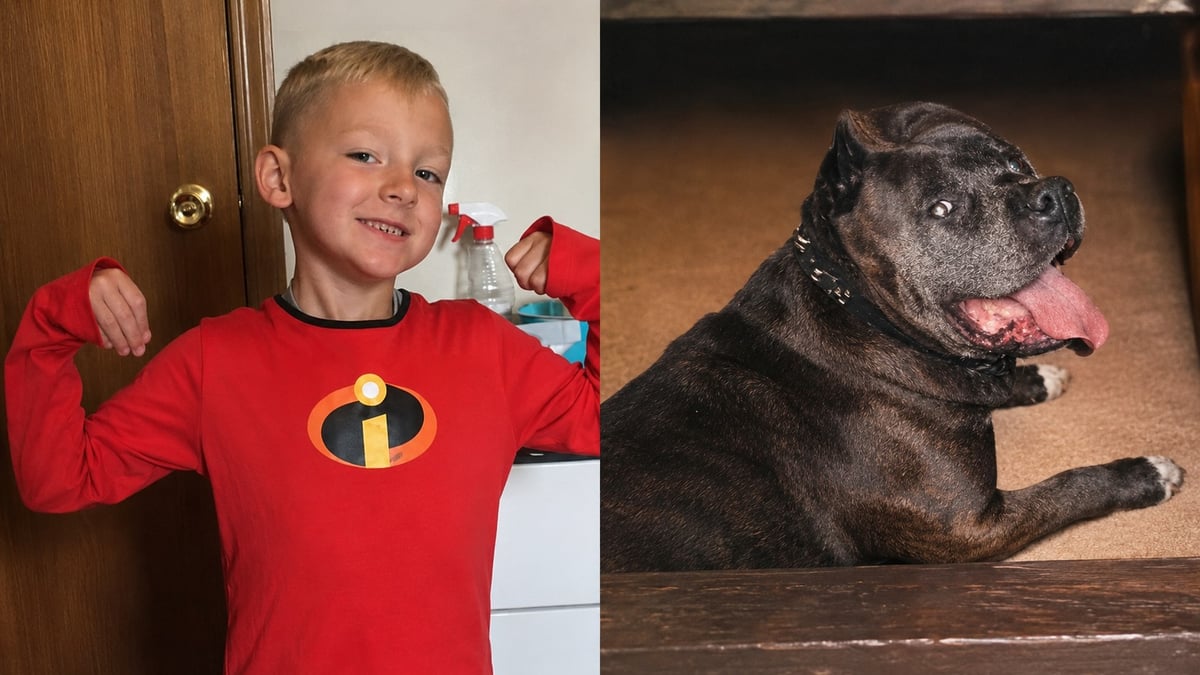
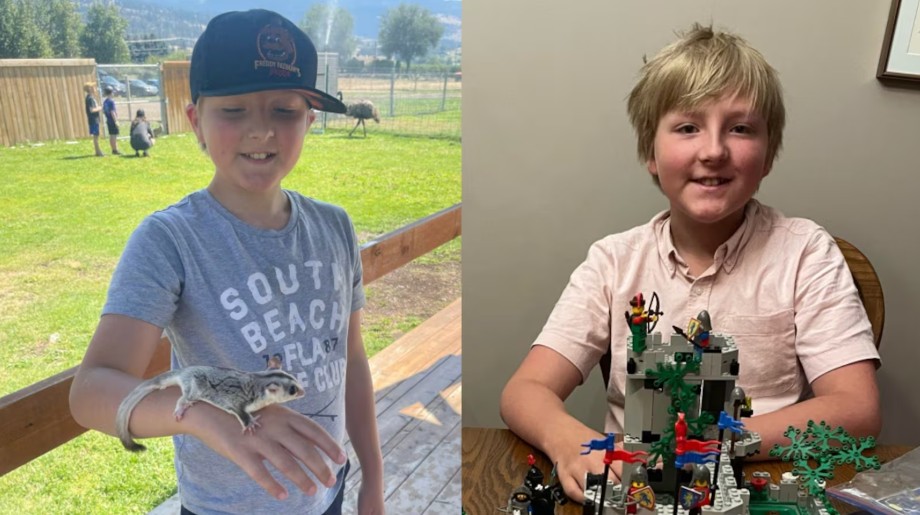
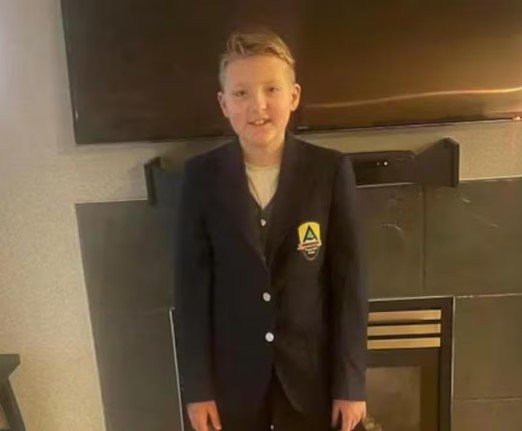
Kache Grist was 11. He was in Grade 5, lived with his mother in Osoyoos, B.C., and was in Edmonton visiting his father over spring break.
Crystal MacDonald has been sentenced to two years of house arrest for criminal negligence causing his death.
The Crown had sought five years in prison. The defence argued for three and a half years of house arrest.
What happened
On April 1, 2024, Kache was at MacDonald's home in south Edmonton's Summerside neighbourhood, near 82 Street and 11 Avenue S.W. His father, Wesley Grist, was MacDonald's roommate.
Wesley told court he let Kache go inside to play a video game while he worked in the garage.
He went in about 45 minutes later and found his son on the kitchen floor, surrounded by the two dogs.
An autopsy found Kache died from a bite injury to the neck, with additional injuries to his upper back, shoulders and arms.
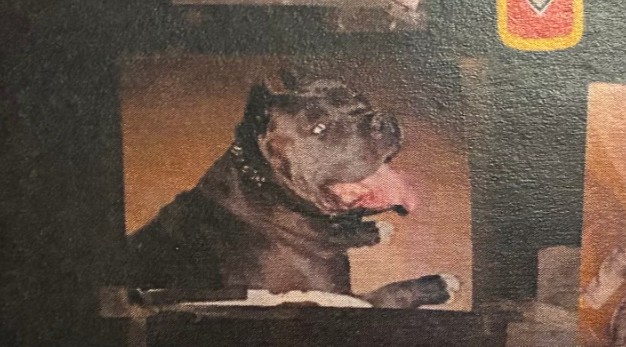
The dogs, two unneutered Cane Corsos named Khaos and Kairo, weighed more than 100 pounds. They were later euthanized.
The dogs had a history
This is what the case turned on.
Summer 2023. The dogs killed a Pomeranian.
December 2023. MacDonald and a tenant living in her basement both sustained leg injuries from the dogs.
Roughly two months later. The dogs killed the tenant's cat.
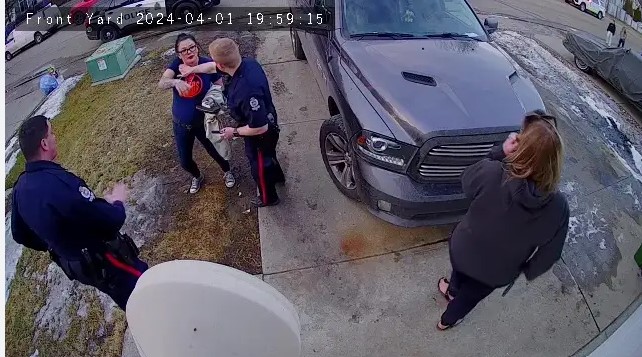
Roughly two months before Kache died. Tina Kelepouris was mauled. She spent four days in hospital with three broken ribs, a punctured lung and more than a dozen stitches.
By the time Kache arrived for spring break, the dogs had injured three adults and killed two pets.
What the judge found
Alberta Court of King's Bench Justice Eric Macklin delivered the guilty verdict on May 22.
"The most significant cause of Kache's death was the failure of the accused to take reasonable steps to ensure that Kache was not harmed by the two untrained, dangerous, vicious and unpredictable Cane Corso dogs," Macklin said. "MacDonald showed a wanton and reckless disregard for his life and safety."
He found she had been evasive and defensive whenever her actions were questioned, and cavalier in blaming others for the dogs' behaviour.
One finding stood out. Macklin noted MacDonald had taken steps to ensure her goddaughter would no longer visit the home, but did not do the same for Kache. She could have prohibited him from staying there, the judge said, and "she had that choice."
He said she could have used leashes or chains tethered in the yard.
He also said it was inappropriate for her to expect Kache's father to protect the boy from the dogs on his own.
What MacDonald said
She testified that she repeatedly told Wesley Grist not to leave his son alone with the dogs, and that she had plans to enrol them in training specific to large breeds, with a spot possibly opening in the coming months.
After the attack on Kelepouris, she said she knew the house rules needed to be "twice as strict." The dogs were to be kennelled when nobody was home, and nobody was allowed in the house with them except Grist and two other people she trusted.
At sentencing, court heard she has carried guilt, grief and shame since Kache's death.
"I think about him every single day," MacDonald told the court.
Her lawyer, Evan McIntyre, said during the trial that she loved Kache like a nephew and was put in a difficult situation when his father brought him to the house.
What two years of house arrest actually means
This is where the sentence gets misread, so it's worth being precise.
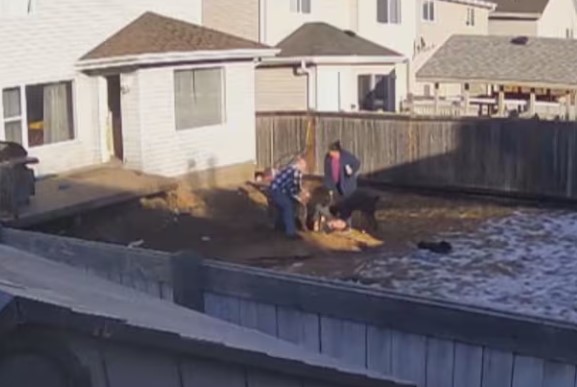
A conditional sentence order is a jail sentence served in the community. It is not probation and it is not a suspended sentence. The court has imposed custody, and the custody happens at a residence rather than in a prison.
Conditional sentences carry mandatory conditions under the Criminal Code: keeping the peace and being of good behaviour, reporting to a supervisor, remaining within the jurisdiction, and notifying the court of any change of address or employment.
They generally carry house arrest terms, meaning the person must remain at their residence except for approved exceptions such as employment, medical appointments or court-ordered programming.
Breaching a conditional sentence has a serious consequence. If the Crown proves a breach on a balance of probabilities, the court can order the person to serve the remainder of the sentence in actual custody.
The specific conditions imposed on MacDonald have not been reported publicly.
She has asked to serve it in British Columbia
MacDonald has asked to serve the sentence in the community in British Columbia, where she now lives.
CityNews reported she left Alberta because of social media backlash.
The father defended her
One detail sits uneasily alongside the rest of it.
At a press conference on April 7, 2024, six days after his son died, Wesley Grist defended the dogs' owner and asked the public to give the family privacy while they grieved.
What's still open
Whether the defence appeals. After the May verdict, McIntyre said outside court that they would be assessing their options once sentencing was complete.
Whether the Crown appeals the sentence, given the gap between the five years it sought and the two years imposed.
Sources
Verdict and sentencing details, and comments from Justice Eric Macklin, Crystal MacDonald and Evan McIntyre, as reported by CityNews Edmonton, Global News, CBC News, CTV News and The Globe and Mail. Details of the dogs' prior incidents as reported by The Globe and Mail.
Criminal Code of Canada, conditional sentence provisions.









Comments
Conversation