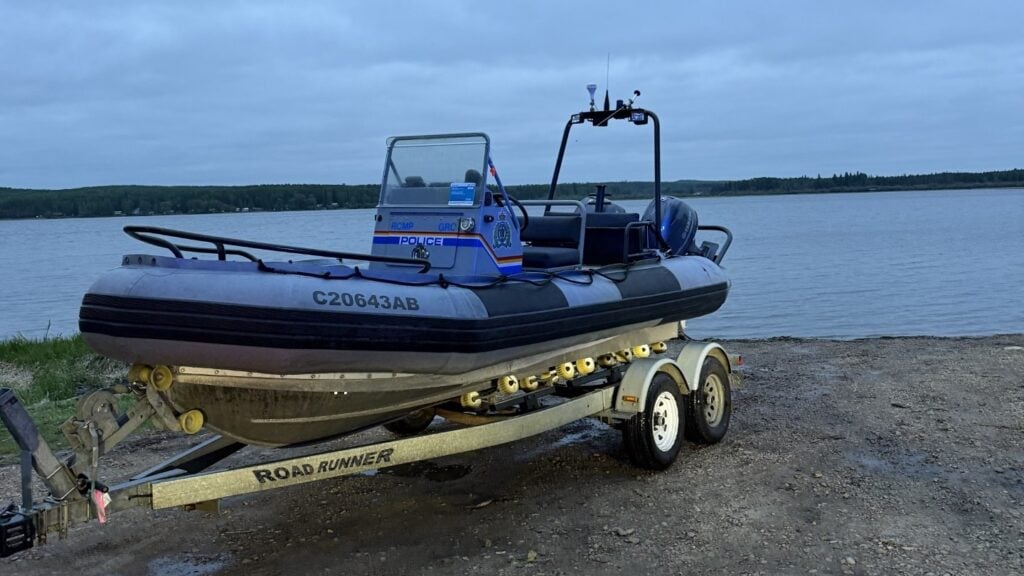
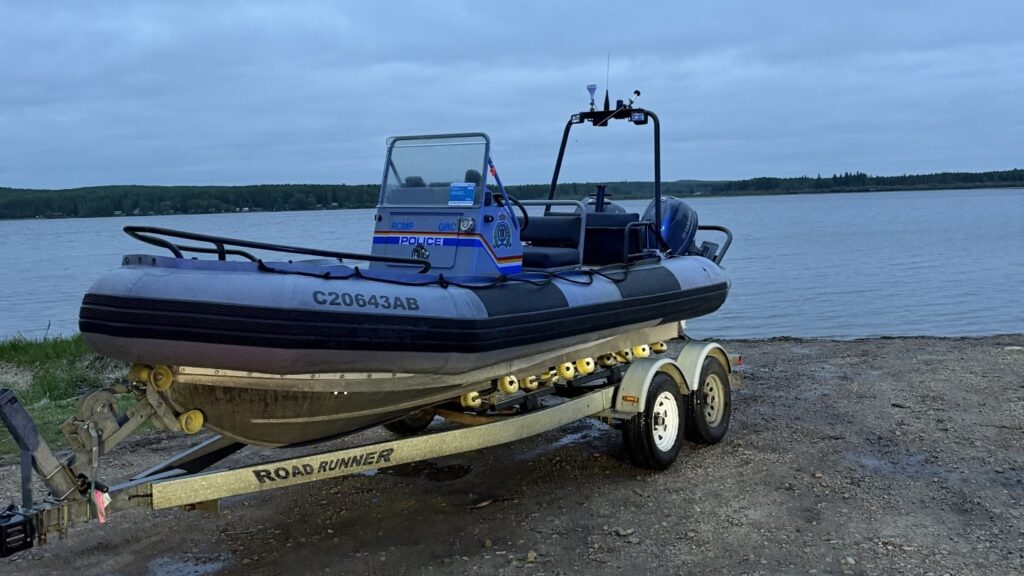
A man and two children were stuck on Devil's Lake east of Onoway Wednesday evening after their inflatable sport boat's motor failed in the weeds.
Parkland RCMP got the call, deployed their detachment boat, and reached all three without incident. Nobody was hurt.
What made this rescue go well is worth paying attention to before you head out on the water this summer.
What happened
The motor failed and left the boat stuck in the weeds on Devil's Lake exactly the kind of situation that is embarrassing and inconvenient when you have a working phone and genuinely dangerous when you don't. The man worked through his options. He tried to restart the motor. He couldn't. He called RCMP and gave them a specific location.
That last part is what made the difference.
"Thanks to the detailed information provided by the caller, first responders were able to quickly deploy the detachment boat, locate the adult male and two children, and safely rescue them without incident," Parkland RCMP said.
What Devil's Lake actually is
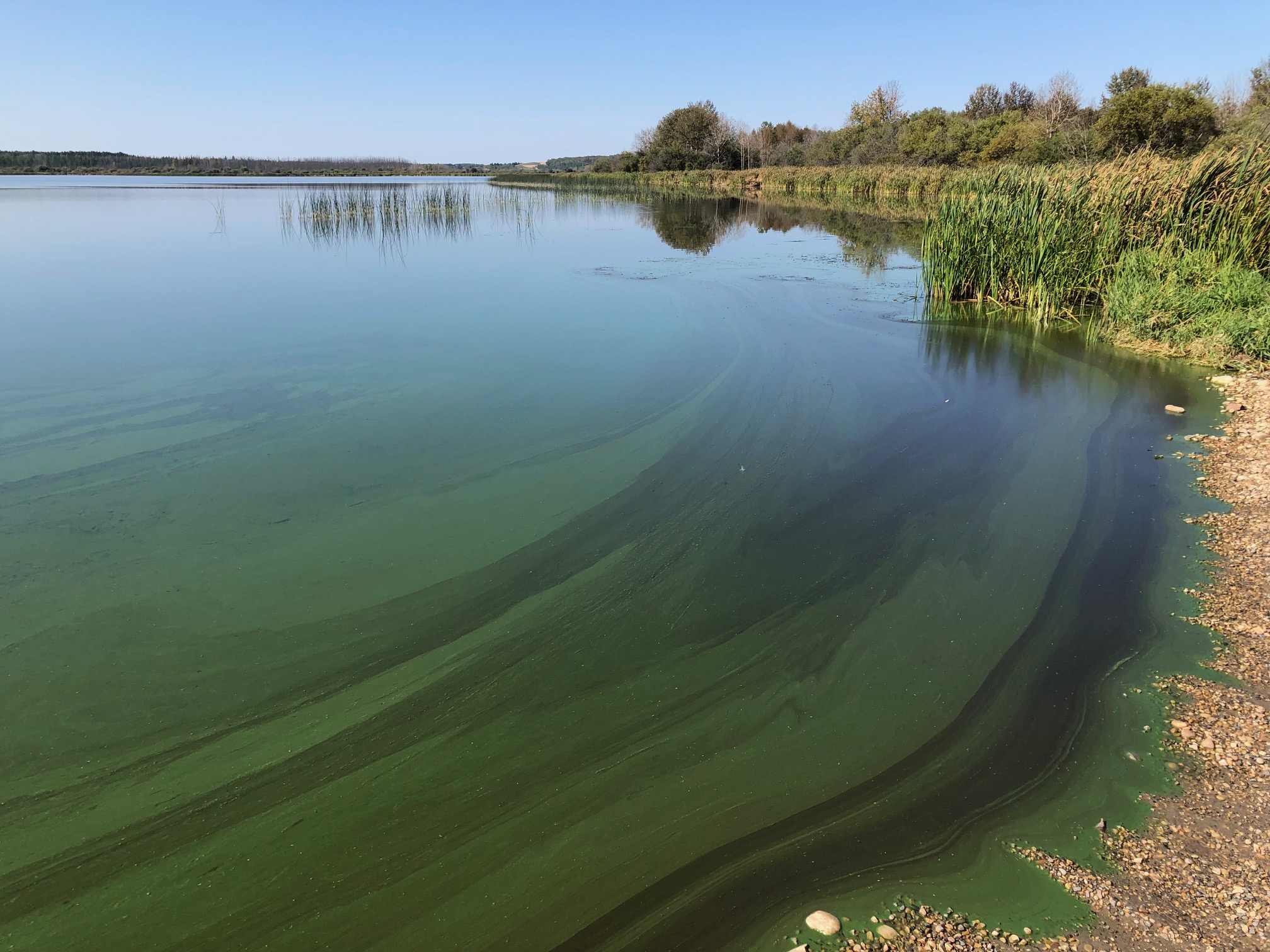
Devil's Lake originally named Matchayaw Lake, a name given by the area's Indigenous people that translates to Devil's Lake sits about 60 kilometres northwest of Edmonton, east of Onoway off Highway 37. It is a shallow, slightly turbid lake fed by the Sturgeon River, which both enters and exits at the north end. Imrie Park Campground sits on the west shore. The Bilby Nature Area is on the south shore.
It is a popular fishing lake. Northern pike, walleye, yellow perch, whitefish, and burbot all live in it. People fish it year-round open water through summer, ice fishing in winter. It is the kind of lake that draws people in small boats, inflatables, and canoes because it is accessible, close to Edmonton, and genuinely good for a day out.
The weeds are a known feature of the lake. Shallow Alberta lakes with heavy aquatic vegetation are exactly where motors especially on smaller inflatable sport boats have a tendency to foul. A prop tangled in weeds in the middle of a lake with no paddle and fading daylight is not a minor inconvenience.
Two things that saved the day
Parkland RCMP used the incident to remind Albertans heading out on the water about two basic practices.
The first is obvious but people skip it constantly: bring a charged phone. The man on Devil's Lake had one. He was able to call for help after his other options ran out. A dead phone in that situation turns a manageable problem into an overnight emergency or worse. You charge your phone before road trips. Charge it before going out on the water.
The second is less obvious and more important: when you call for help, know where you are. Not just the name of the lake the specific part of the lake, what shoreline you can see, any landmarks, how far you are from the boat launch. RCMP found these three people quickly because the caller gave them something to navigate to. A vague "we're on Devil's Lake" sends rescuers onto a body of water with no direction.
The third practice RCMP didn't mention but should be said anyway: tell someone on shore where you are going and when you expect back. A working phone is plan A. A person who knows to call RCMP when you're overdue is plan B. Both cost nothing.
Sources:
Parkland RCMP, news release, June 4, 2026
Town of Onoway, Nature Tour and Devil's Lake information (onoway.ca)
Swim Guide, Matchayaw Devil's Lake profile (theswimguide.org)





Comments
Conversation