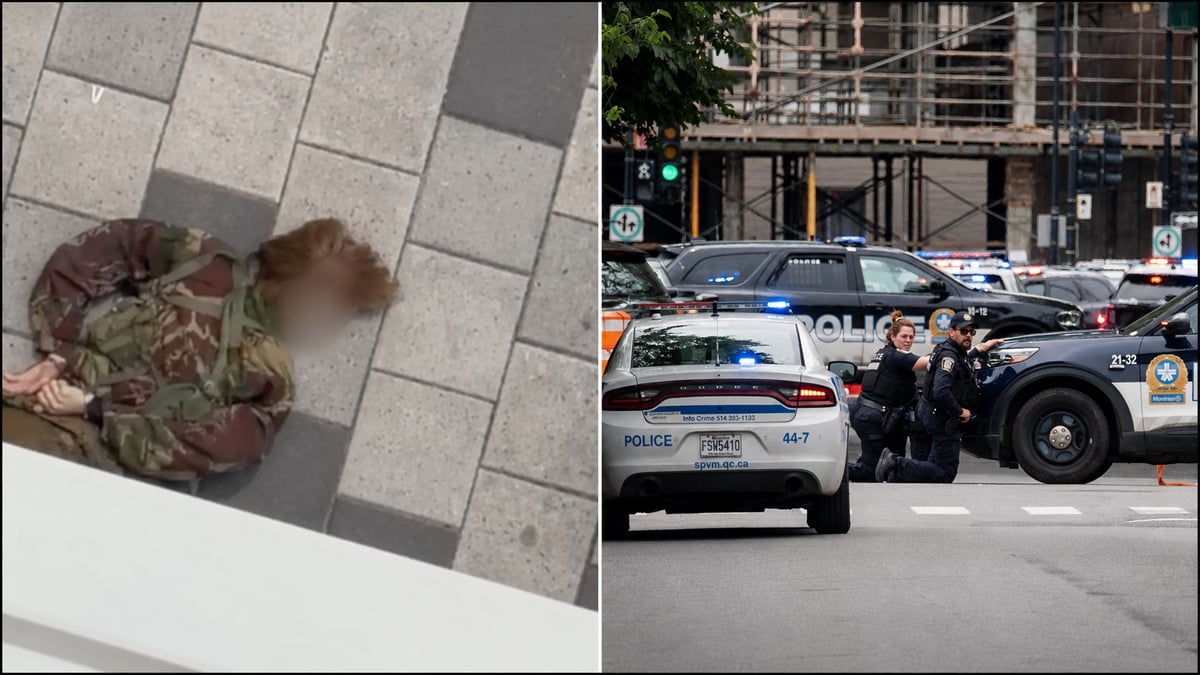
A Monday morning shooting in Montreal's Côte-des-Neiges neighbourhood that killed a police officer and an innocent bystander has been traced back to a 25-year-old man from Lethbridge.
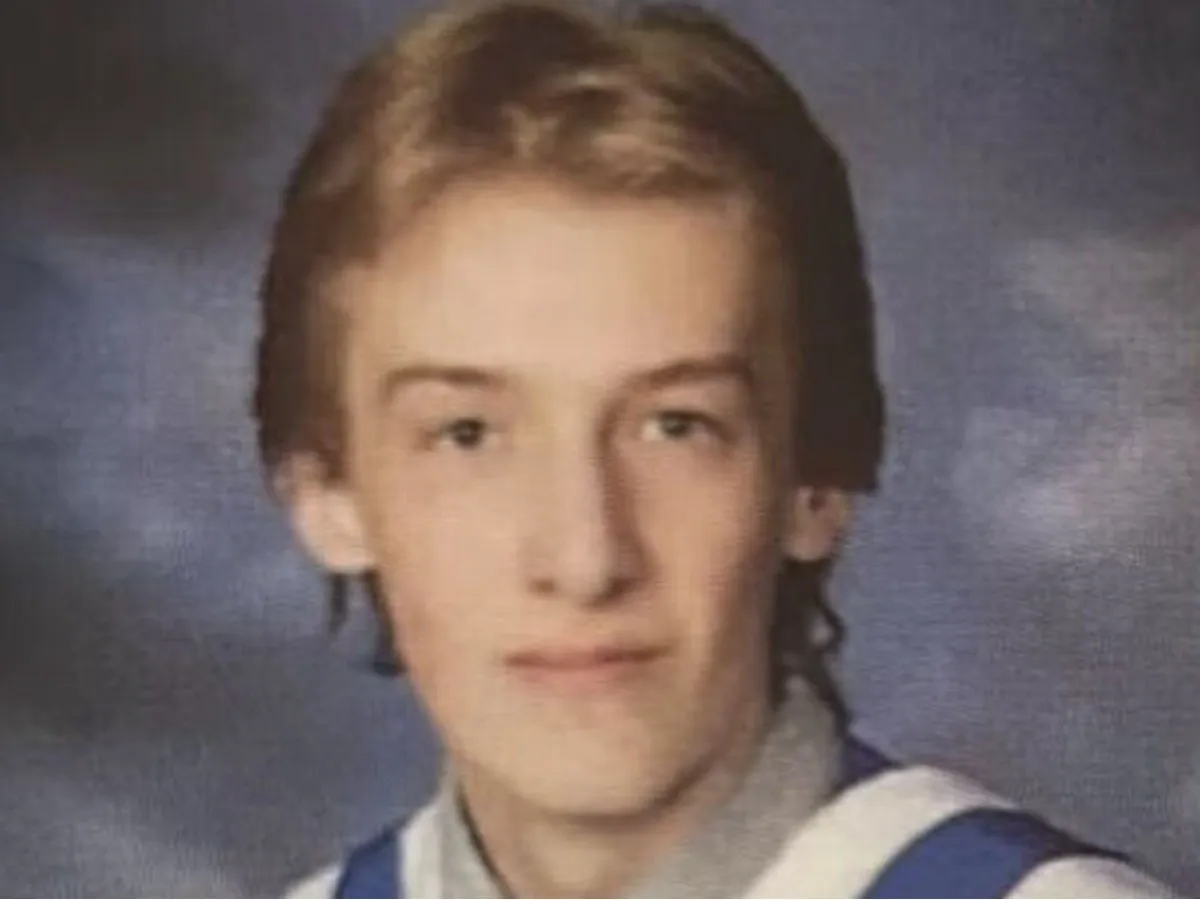
Quebec's coroner released the name of the gunman on Tuesday: Seth Scott Hatfield of Lethbridge, Alberta. Hatfield died during the confrontation with police. The coroner also identified the two other people killed Mohamed Lamine Benredouane, 34, a Montreal police officer, and Michel Mizrahi, 68, a bystander caught in the crossfire.
Benredouane is the first Montreal police officer killed in the line of duty in 24 years. He had been with the department since 2021.
What happened in Montreal
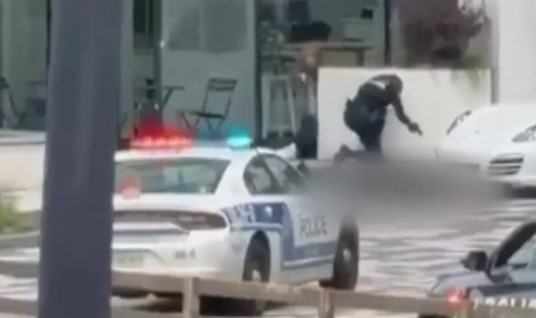
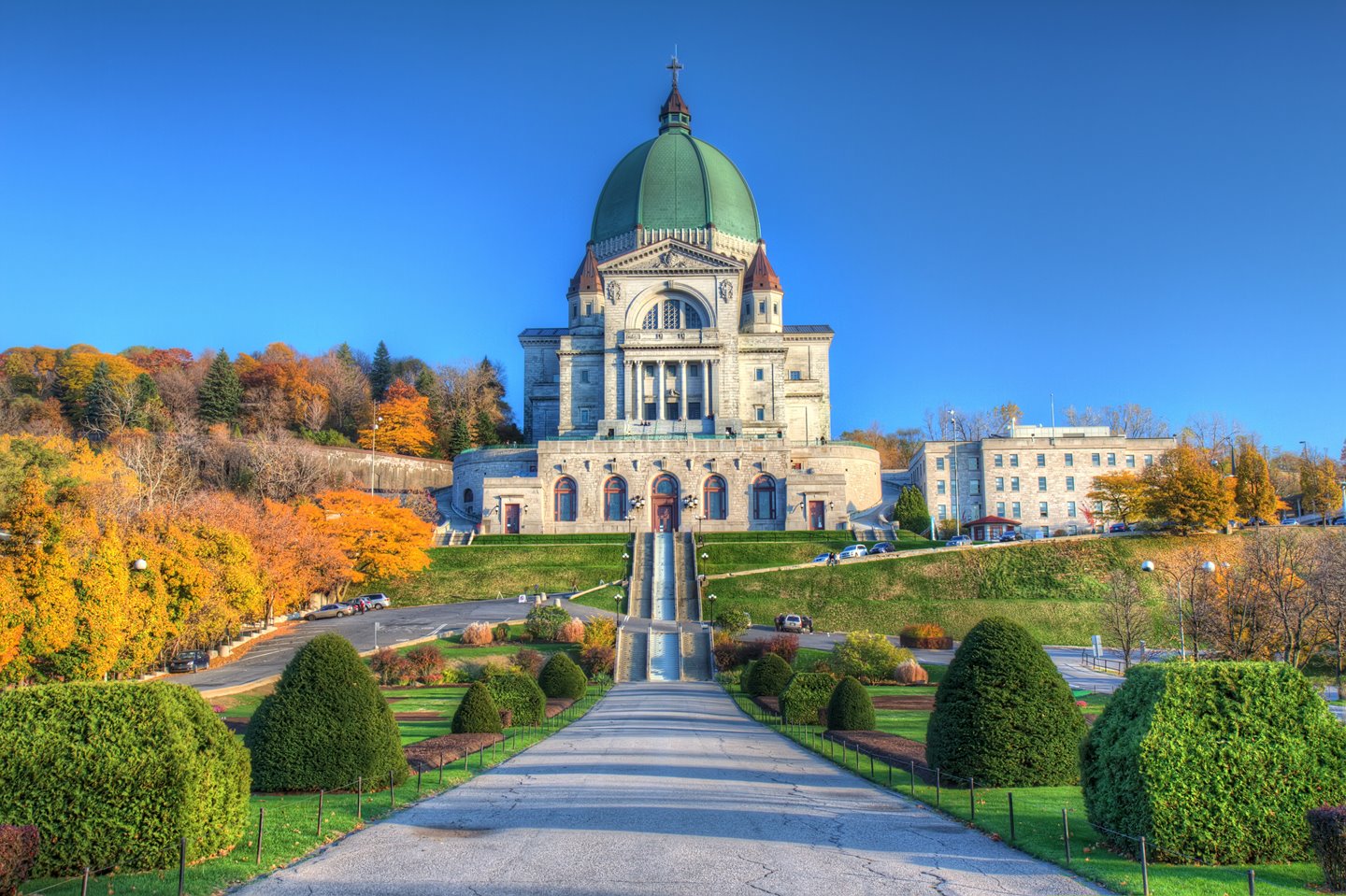
Montreal police were met with gunfire when they arrived at the scene in response to a 911 call reporting a person with a gun near the Hilton hotel in the Côte-des-Neiges district. Witnesses described hearing up to 40 gunshots. Benredouane was fatally shot and another officer was wounded. Mizrahi, a suit salesman who lived in the neighbourhood, was also killed.
Videos recorded by witnesses showed a man dressed in military-style clothing carrying what appeared to be a long gun as heavily armed officers entered the neighbourhood. Residents were ordered to shelter in place as police searched the area. Multiple city blocks were cordoned off for hours. The neighbourhood's Fête nationale celebrations planned for Wednesday were cancelled. A long gun was seized at the scene.
What is happening in Lethbridge right now
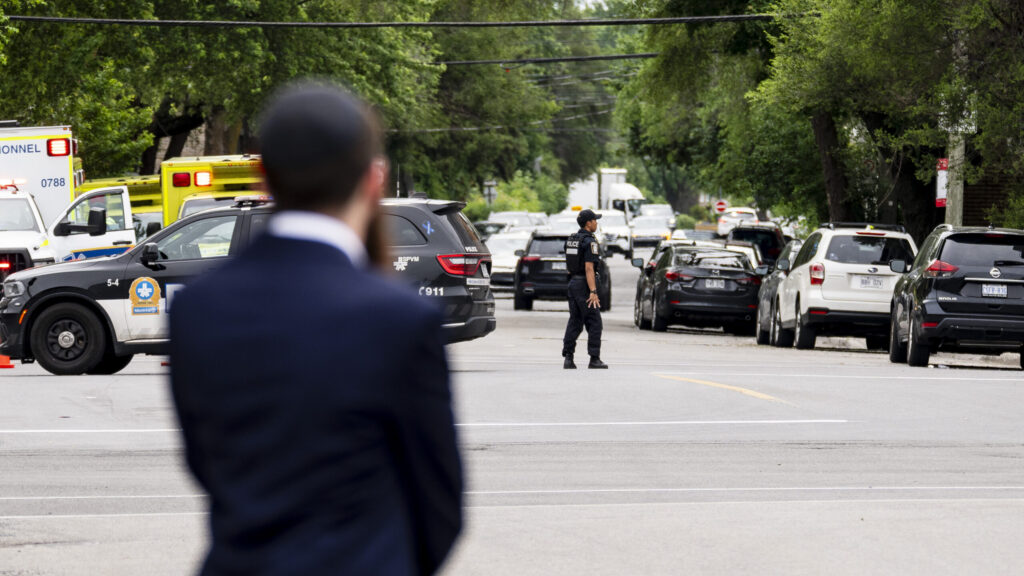
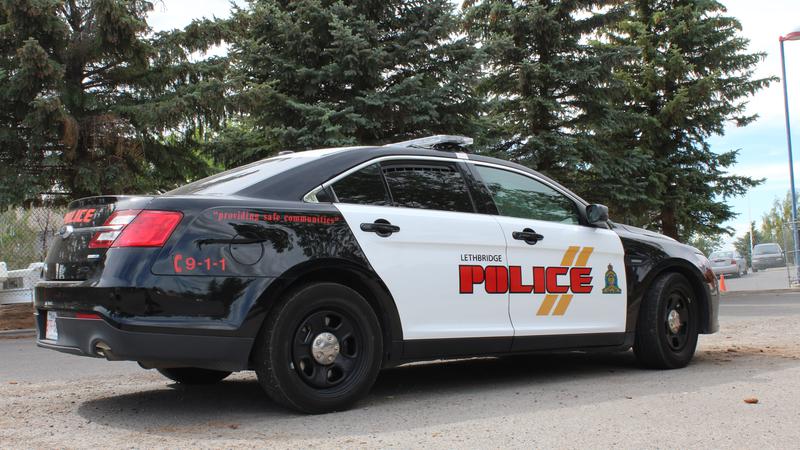
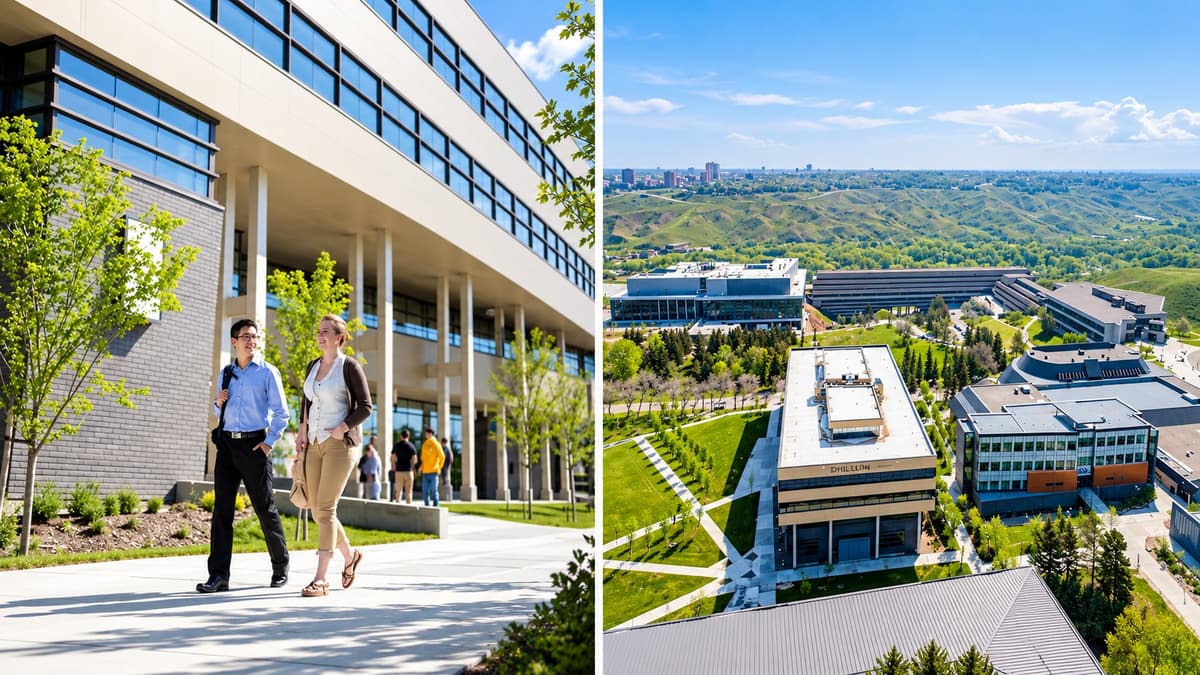
Lethbridge Police Service executed a high-risk search at a residence on Lemoyne Crescent in the city's Varsity Village area, near the University of Lethbridge campus on Tuesday morning. Several neighbouring homes were evacuated. Residents were asked to avoid the area while officers conducted the operation, citing the possible presence of weapons at the property.
Lethbridge Police confirmed they are assisting Quebec authorities. They did not formally confirm the search is directly connected to the Montreal investigation, but the timing and location left little ambiguity.
Who Hatfield was
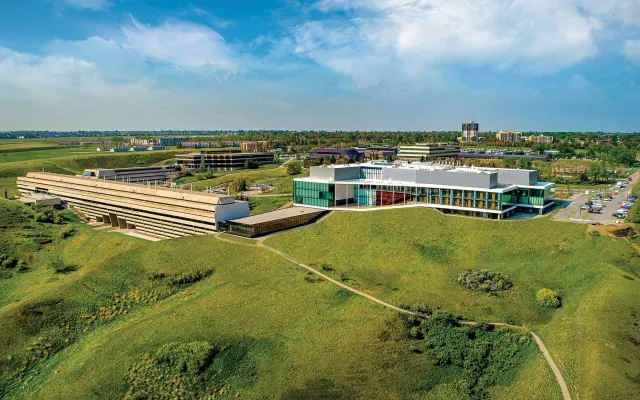
Hatfield grew up in Lethbridge and graduated from Catholic Central High School in 2019. He later enrolled at the University of Lethbridge, where he studied philosophy. In the winter 2026 semester he was named to the Dean's Honour List awarded to students who achieve a GPA of at least 3.75.
The University of Lethbridge confirmed he was a student and said it is cooperating fully with authorities. "Violence, such as the actions that occurred yesterday, has no place in our society," the university said. "The university also strongly condemns the views and ideologies that have been attributed to the shooter in media reports."
Holy Spirit Catholic School Division confirmed he was a former student. "We mourn the lives lost and our thoughts, hearts, and prayers go out to all those who have been impacted by this devastating act," said Superintendent Axani.
His family members contacted by journalists on Tuesday did not respond to requests for comment.
How Hatfield got from Lethbridge to Montreal
This is the question investigators are working to answer and nobody has reported it clearly yet.
Hatfield was a Lethbridge resident and active university student as recently as the winter 2026 semester he made the Dean's Honour List in January. The shooting happened June 22. At some point between winter semester and Monday morning he travelled from southern Alberta to Montreal, armed himself with a long gun, and approached a Hilton hotel in Côte-des-Neiges dressed in military-style clothing.
When did he leave Lethbridge? How did he travel? How did he acquire a firearm in Quebec? Did he have any prior connection to Montreal or the neighbourhood? Was anyone aware of his plans?
The 104-page manifesto circulating online suggests this was not impulsive a document of that length takes time and deliberate effort to produce. But the operational details of how a 25-year-old philosophy student from Lethbridge ended up outside a Montreal hotel with a long gun on a Monday morning remain unconfirmed. Those details are central to what investigators in both provinces are now trying to piece together.
The manifesto
In the hours after the shooting, a 104-page document with Hatfield's name surfaced and was reviewed by multiple news organizations. The document contains rhetoric associated with the incel movement — an online ideology built around male grievances about relationships and society. It blames feminism, liberalism, and capitalism for what the author describes as male suffering and advocates political violence against a range of institutions and individuals. It lists dozens of targets across finance, politics, media, and other sectors.
Montreal Police have not publicly confirmed whether the document played a role in the attack. The Sûreté du Québec has launched a parallel criminal investigation alongside Quebec's police watchdog.
Who the victims were
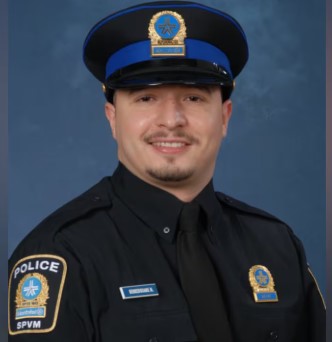
Mohamed Lamine Benredouane, 34, joined the Montreal Police Service in 2021. He was five years into his career when he was killed responding to a call Monday morning. He is survived by colleagues, family, and a department in mourning.
Michel Mizrahi, 68, was a suit salesman known in his neighbourhood and described by his rabbi as a generous man who everybody loved. He was not a target. He was simply in the wrong place.
Montreal Mayor Soraya Martinez Ferrada visited Côte-des-Neiges on Tuesday. "Yesterday people were in the mode of survival, you don't feel the pain, but we feel it today," she said. Côte-des-Neiges Mayor Stéphanie Valenzuela called the past 24 hours a nightmare.
How the incel ideology connects to violence
Incel — short for involuntary celibate is an online subculture that began in the early 1990s as a support community for lonely people and evolved over decades into a radicalized movement with a documented history of real-world violence. The ideology frames men who cannot find romantic partners as victims of women, feminism, and an unjust social order. In its most extreme expressions it advocates violence as a form of retribution or revolution.
Several mass casualty events in North America have been linked to incel ideology, including the 2018 Toronto van attack that killed 10 people and the 2014 Isla Vista shooting in California. Researchers who study radicalization describe the pipeline from online forums to real-world violence as consistent and accelerating young men who feel isolated find communities that validate and deepen that isolation, then reframe it as a cause worth fighting and dying for.
Hatfield was 25, a philosophy student with a 3.75 GPA, and by every visible measure a functional member of his university community. That gap between surface appearance and private radicalization is one of the most consistent features of these cases and one of the hardest things for families and communities to see coming.
What comes next
Quebec's police watchdog and the Sûreté du Québec are both investigating. Lethbridge Police are assisting. No motive has been formally confirmed by police. The investigation is active and ongoing.
Sources:
Quebec Coroner's Office, identification of victims and suspect, June 23, 2026
Lethbridge Police Service, statement on high-risk search and investigation assistance, June 23, 2026 (lethbridge.ca/police)
University of Lethbridge, statement on Seth Scott Hatfield, June 23, 2026 (uleth.ca)
Holy Spirit Catholic School Division, statement, June 23, 2026
Montreal Police Service, Chief Fady Dagher news conference, June 22-23, 2026
CBC News, Coroner identifies Montreal shooting suspect, June 23, 2026 (cbc.ca)
The Canadian Press, Alleged police shooter identified as 25-year-old from Lethbridge, June 23, 2026
Montreal Gazette, Who is Seth Hatfield, June 23, 2026 (montrealgazette.com)



Comments
Conversation