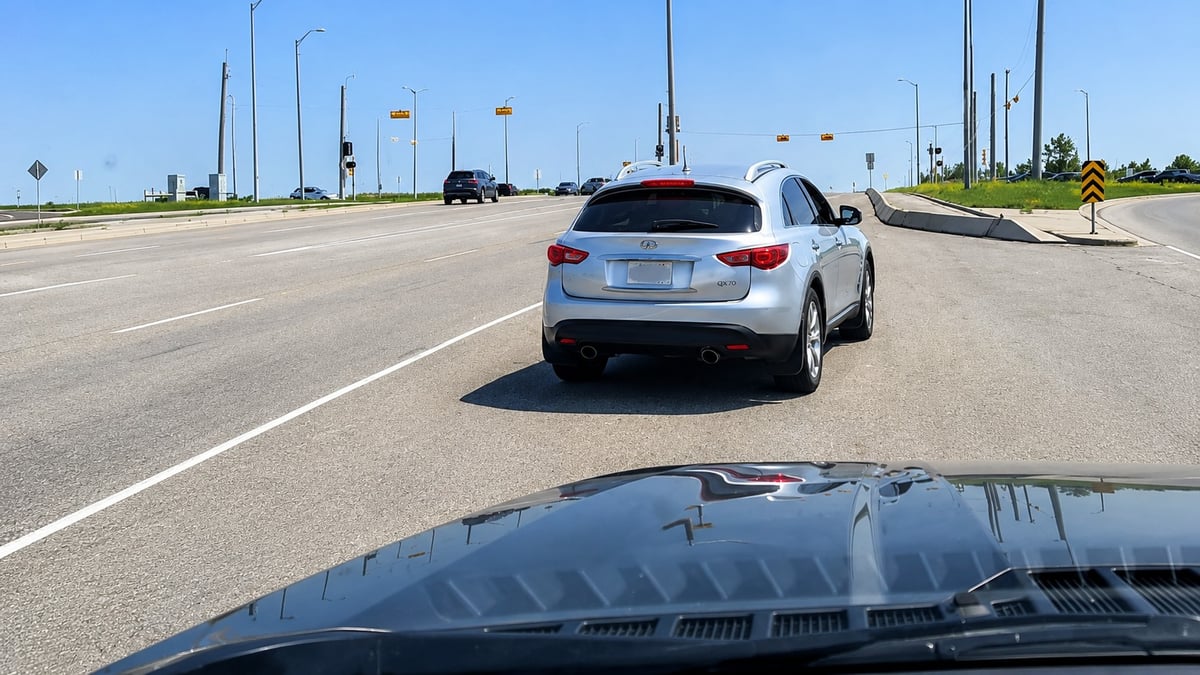
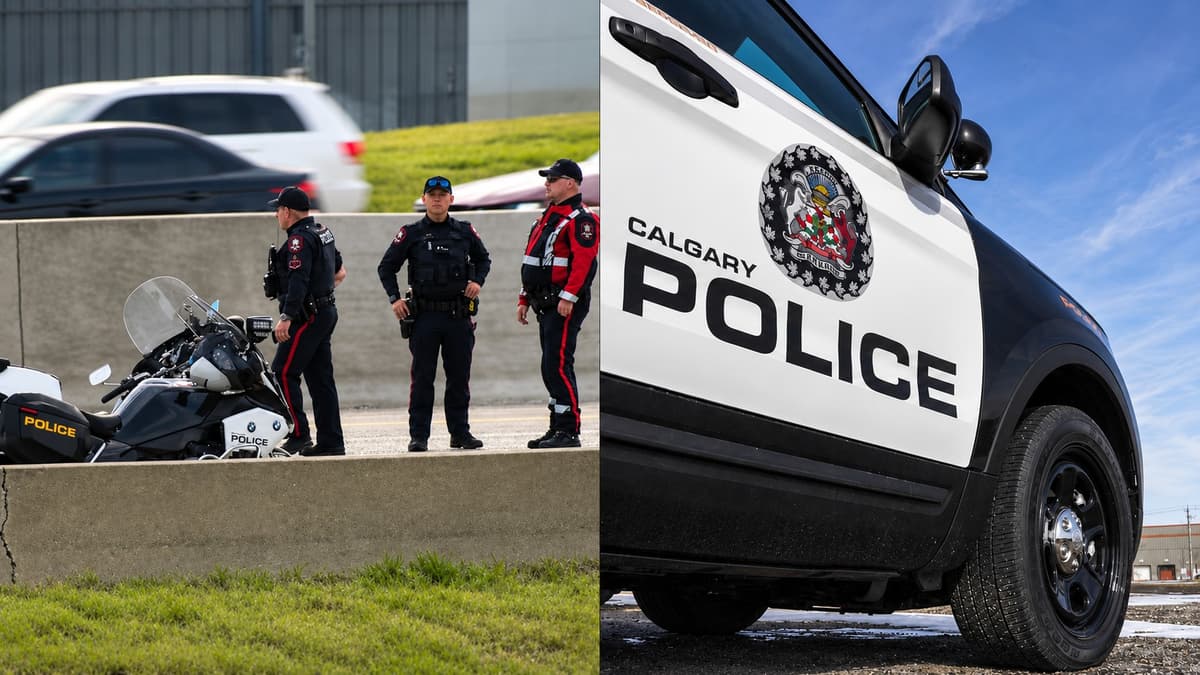
Calgary police clocked a driver at 154 km/h in the Airport Trail N.E. tunnel on a Sunday afternoon in July. The limit there is 70.
The 22-year-old was ticketed for speeding and for illegally tinted windows, and then drove away.
That last part isn't an oversight. Alberta legislation doesn't permit police to impound a vehicle for speeding, at any speed.
Eighty-four over
At 51 km/h or more above the limit, Alberta stops issuing a set fine. The ticket instead orders a mandatory court appearance, and the penalty is left to a judge.
The province publishes a fine schedule up to 50 over, which now sits at $620 including the victims of crime surcharge. Past that, the range is the court's to decide, and it can include a substantial fine, six demerit points and a licence suspension.
Fines rose across the board in March, up roughly 50 per cent for excessive speeding and racing. It was the first increase since 2015. A one-kilometre-over ticket went from $81 to $88.
The commission asked about this in February
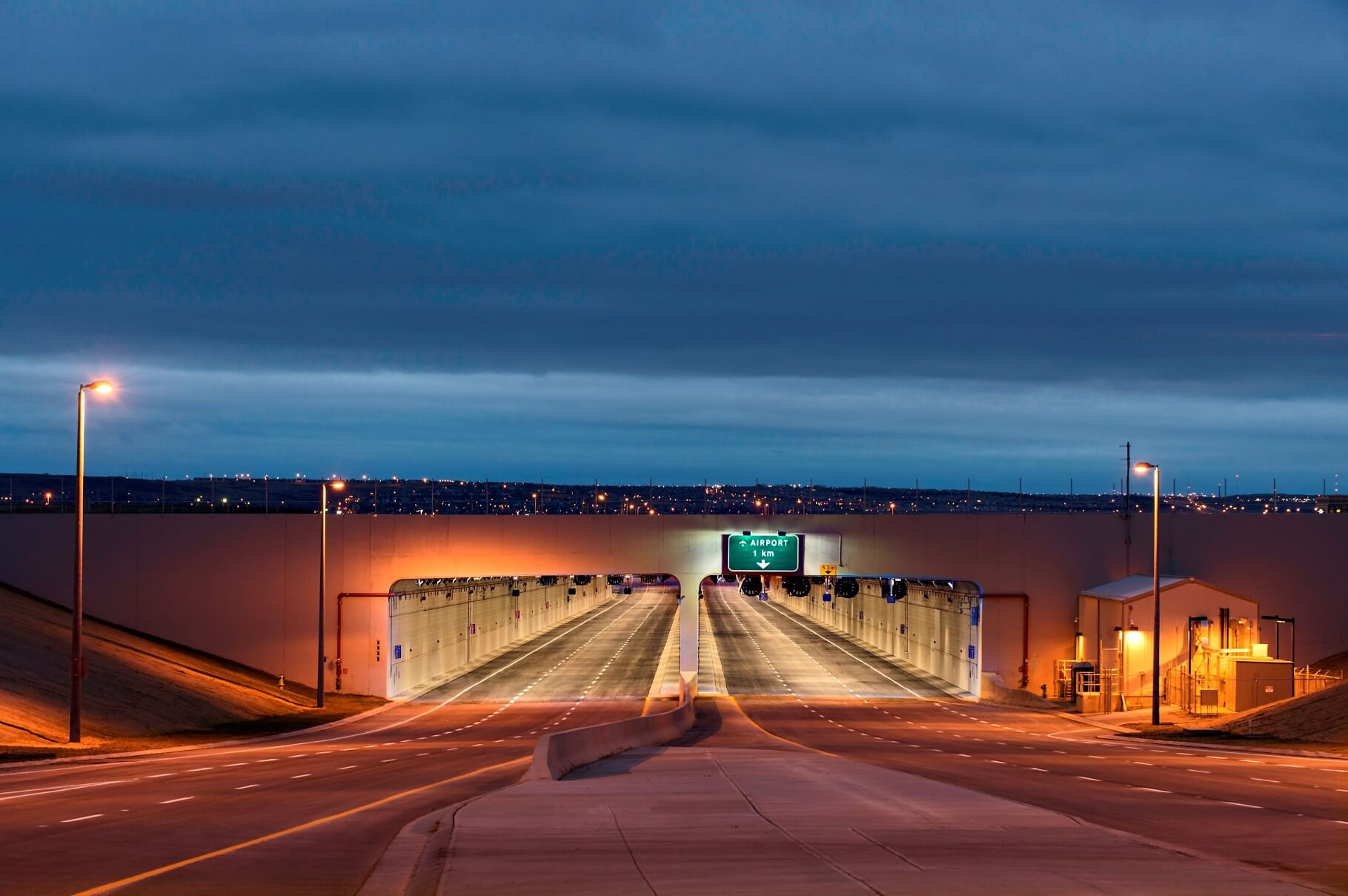
Kelly Ogle, vice chair of the Calgary Police Commission, put the scenario to police at a hearing on February 25, using a number almost identical to this one.
"So just to be clear, someone's going 155 on Stoney, they get pulled over, they get a ticket," Ogle said, "and they get back in their car and drive away."
Deputy Chief Cliff O'Brien confirmed that legislation does not allow police to seize vehicles for speeding, and said the idea had been discussed.
British Columbia, Saskatchewan and Ontario all permit it. In Saskatchewan, 50 or more over the limit brings a 30-day impoundment and an immediate seven-day licence suspension. Ontario's threshold includes any speed over 150 km/h, which this driver exceeded, and carries a mandatory 14-day impound.
Alberta has no equivalent. What officers have instead, according to Chief Katie McLellan, are tire deflation devices, which get deployed when a driver refuses to stop.
Where the tickets are being written
Calgary police issued 677 speeding tickets on Stoney Trail in a single month this year, and 149 along Deerfoot Trail. Thirty-five of those were for more than 51 over.
The Airport Trail tunnel is a different kind of location. It runs beneath the runways at Calgary International, and the reduced limit reflects an enclosed roadway with no shoulder and nowhere to go. A collision inside it blocks the tunnel in both directions.
The tinted windows
The second ticket is the smaller offence and the more common one.
Alberta's Traffic Safety Act sets limits on window tint, with restrictions on the windshield and front side windows in particular. Enforcement usually happens the way it did here, as a secondary ticket after a stop for something else.
What the province says
Justice Minister Mickey Amery's office pointed to the March fine increases when the impoundment question was raised earlier this year.
"Improving safety requires coordination at every level of government, and Alberta remains committed to working with municipal and policing partners to help keep all road users safe," press secretary Heather Jenkins said.
Calgary police are directing drivers to the city's Vision Zero campaign at calgary.ca/visionzero.
Sources:
Calgary Police Service, traffic enforcement post, August 2026
Government of Alberta, speeding fines: https://www.alberta.ca/speeding-fines-in-alberta
CBC News, "Calgary police commission questions why its officers can't impound vehicles for excessive speeding," February 27, 2026: https://www.cbc.ca/news/canada/calgary/calgary-police-excessive-speeding-rules-9.7108691
SGI, Saskatchewan stunting and racing penalties
City of Calgary, Vision Zero: https://www.calgary.ca/planning/transportation/safety.html



Comments
Conversation