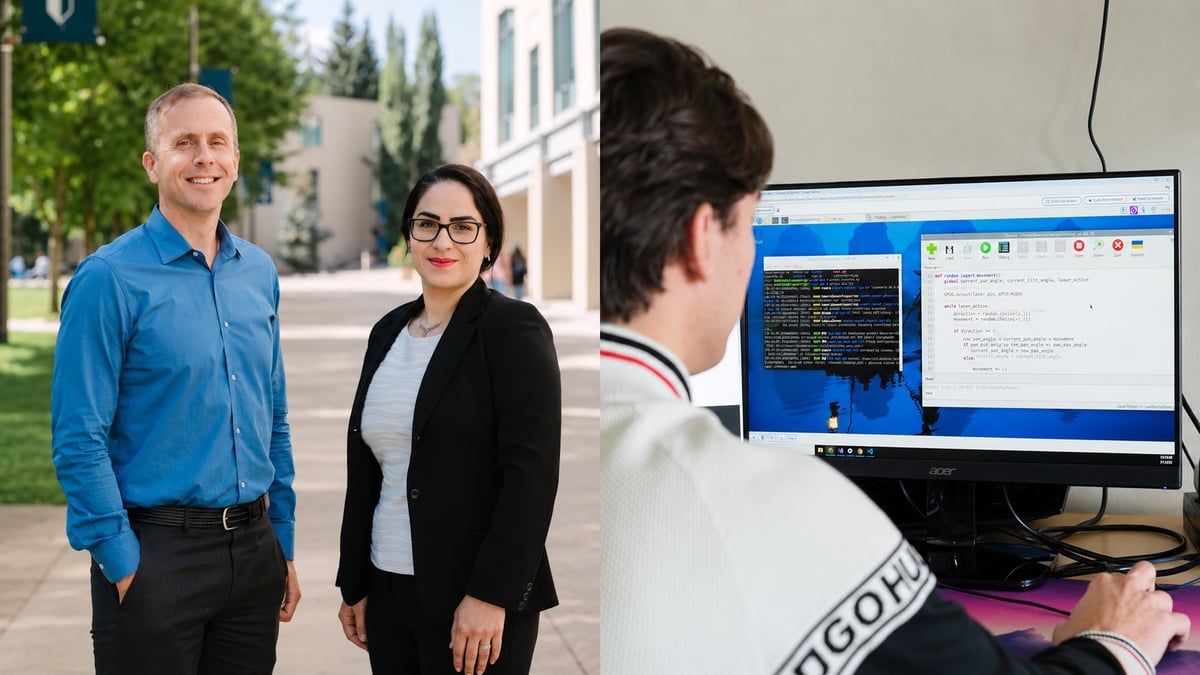
Mount Royal University has launched a new academic school focused on computing, data science and mathematics.
The School of Computing Sciences and Mathematics sits within MRU's Faculty of Science and Technology. The university expects it to admit approximately 350 new students annually, producing a full cohort of more than 1,000 students by 2027.
The announcement creates a new academic structure around programs that have already been expanding at MRU. It is not the announcement of a new campus or building.
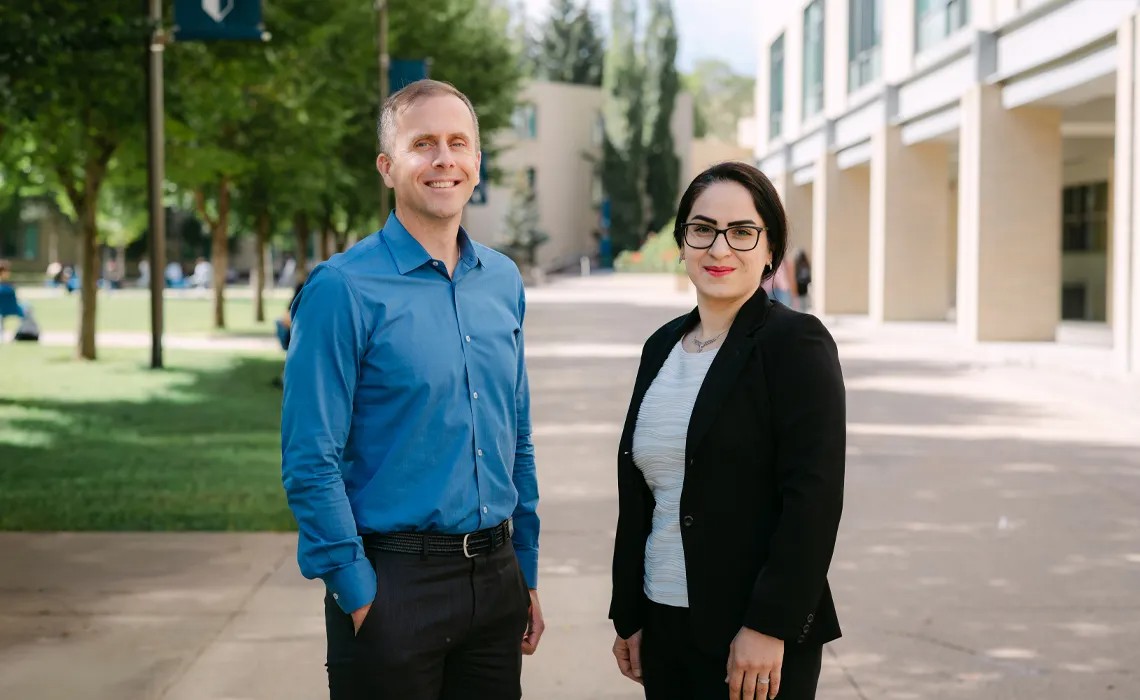
What students can study
The school brings together three degree programs:
Bachelor of Science in Computer Science
Bachelor of Computer Information Systems
Bachelor of Science in Data Science
It will also house the Spatial Data Science Certificate, a one-year post-bachelor's program for people who already hold a degree.
Spatial data science combines mapping and geographic information with statistics, programming and data analysis. Those skills are used in municipal planning, energy, utilities, environmental monitoring, transportation and logistics.
MRU says the school will offer four minors. Its program pages identify options in Computer Information Systems, Data Science, Mathematics, and Mathematics for Elementary Education, with the last available only to Bachelor of Education students.
The school will also deliver required mathematics and computing courses for other programs, including nursing, midwifery and all of MRU's Bachelor of Science degrees.
Alberta helped fund the expansion
The new school was not built from enrolment growth alone.
MRU received two rounds of targeted enrolment expansion funding from the Government of Alberta. The first supported additional spaces in computer science and computer information systems, while the second helped launch the data science degree.
Alberta-based geospatial technology organization TECTERRA also supported the creation of the Spatial Data Science Certificate.
MRU has not disclosed the value of those contributions in its announcement.
The investments gave the university capacity to expand the programs before bringing them together under one school, according to school chair Dr. Brady Killough.
Calgary's technology workforce is growing quickly
The timing reflects what is happening outside the university.
Calgary's technology workforce grew by 56 per cent between 2022 and 2025, the highest rate among the 50 North American markets included in CBRE's 2026 Scoring Tech Talent report.
The city added approximately 28,900 technology workers during that period, taking its total tech workforce above 80,000. Calgary also rose to 15th in CBRE's overall North American ranking.
Alberta's occupational outlook identifies software engineers and designers, data scientists and information systems specialists among the occupations facing the highest risk of labour shortages through 2035.
Those fields closely match the three degree programs housed inside MRU's new school.
That does not guarantee every graduate an immediate job. It does explain why the province and university are adding capacity in these areas.
Who is hiring for technology and data jobs in Alberta
The demand is not limited to traditional technology companies.
Employers currently recruiting for technology, data, software and information-systems positions in Alberta include financial institutions, energy companies, municipal and provincial governments, retailers, universities and locally founded technology businesses.
The Culture Alberta Job Board brings those openings together in one place. Employers currently represented include Jobber, Neo Financial, ATCO, Canadian Tire and the Government of Alberta, along with organizations hiring analysts, developers and information-systems workers across the public and private sectors.
Job seekers can filter openings by city, employment category, full-time or part-time status, union status, date posted, and whether the employer publishes a salary range.
The board covers Calgary, Edmonton, Red Deer, Lethbridge, Grande Prairie, Fort McMurray, Medicine Hat and other Alberta communities.
It is free to browse and does not require an account. Creating one is optional and lets you save jobs and track applications.
Search current technology, data and systems jobs across Alberta →
Who is leading the school
Dr. Yasaman Amannejad is the school's inaugural academic director.
Amannejad holds a PhD in software engineering and researches the performance of cloud, edge-computing and data-intensive systems. She will focus on research, innovation, curriculum development and partnerships with industry and community organizations.
"The establishment of the School of Computing Sciences and Mathematics recognizes the significant expansion of these disciplines at Mount Royal University and their growing influence across society," Amannejad said.
Dr. Brady Killough serves as school chair, overseeing academic operations, curriculum, faculty support and governance.
The division gives the school one leader focused on external growth and research profile, and another responsible for day-to-day academic operations.

Where the federal AI strategy fits
Canada's AI for All strategy aims to increase business adoption of artificial intelligence from approximately 12 per cent to 60 per cent by 2034.
The federal government says broader adoption could contribute nearly $200 billion in productivity-related GDP gains and help create as many as 250,000 jobs by 2031. Those are government targets, not guaranteed results.
MRU's programs cover considerably more than artificial intelligence, but the strategy adds to demand for graduates who understand programming, data, mathematics and information systems.
How to apply
Applications for MRU's fall 2027 semester open on October 1, 2026.
The early-admission period runs until February 1, 2027, although some programs may continue accepting applications afterward when space remains.
Winter early admission runs from October 1 to November 1. Applicants should confirm that their chosen program accepts winter entry.
MRU continues restoring systems following a June cyber incident, and the university warns that some website links may temporarily be unavailable.
Program descriptions and admission requirements are available through the School of Computing Sciences and Mathematics.
Already working in technology or data? The Culture Alberta Job Board lists openings from more than 40 employers across the province, including positions that publish their salary range before you apply.
Sources
MRU launches School of Computing Sciences and Mathematics
School of Computing Sciences and Mathematics
CBRE Scoring Tech Talent 2026
Alberta job-market forecasts
Canada's National Artificial Intelligence Strategy







Comments
Conversation