
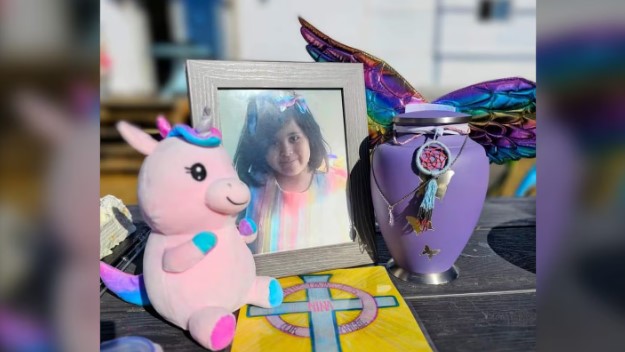
Nina Napope Dumais was eight years old. Her body was found in a hockey bag in Maskwacis in April 2023. She had died of blunt force head trauma while in the care of Ashley Rattlesnake.
On February 27, 2026 nearly three years later Rattlesnake was sentenced to eight years for manslaughter. With credit for time already served, she has less than four years left. She will serve it outside Alberta.
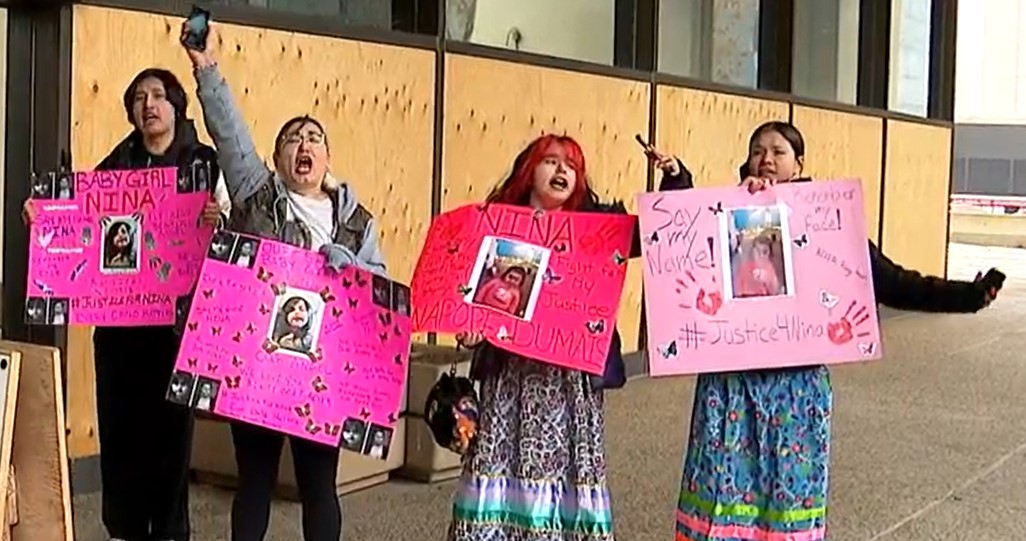
Nina's family erupted in the courtroom when the sentence was read. They screamed. They cried. Outside, they chanted "eight years is not enough."

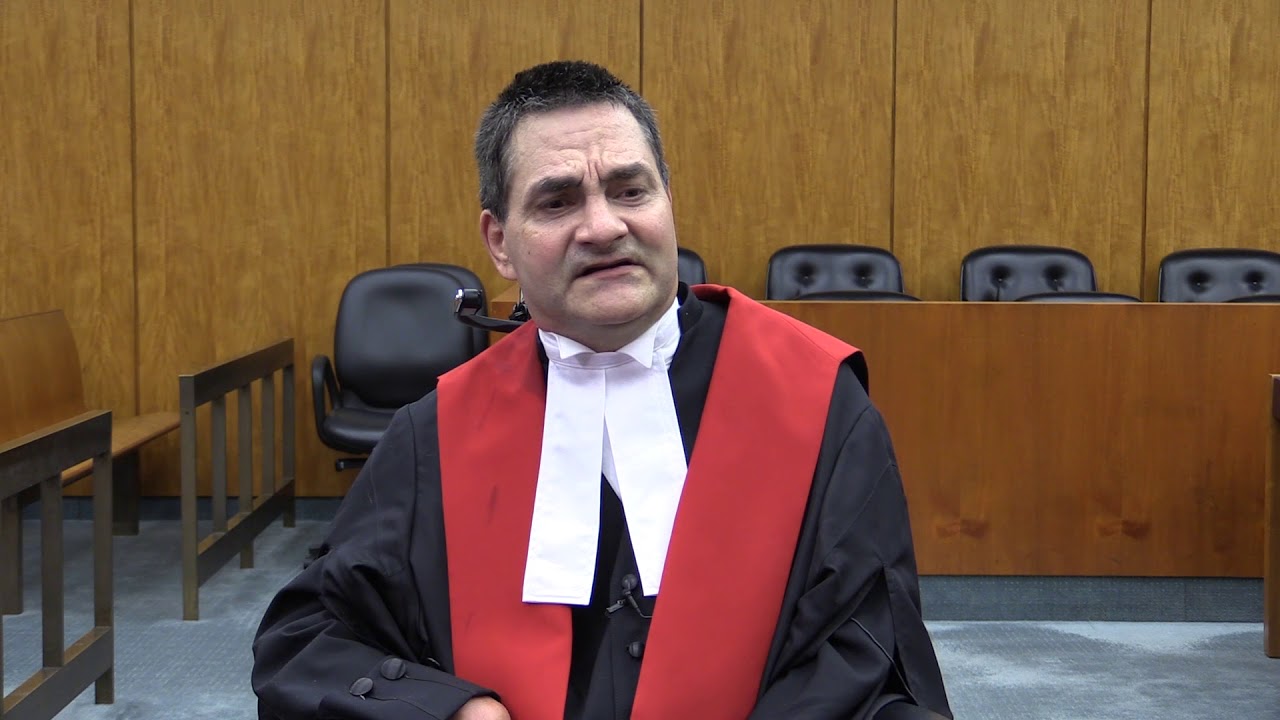
The judge, Justice Jody Fraser, had something to say about Edmonton Police before he delivered that sentence. He called their conduct during the proceedings "reprehensible." He said it was a mitigating factor meaning the actions police took while trying to push for a harsher outcome contributed to a lighter one.
Now Alberta's police watchdog is investigating the people who were supposed to be on Nina's side.
What Nina's case looked like
Nina disappeared in April 2023. Police went to a home near 87 Avenue and 165 Street in west Edmonton on April 24 to check on her wellbeing. She was not there. Homicide detectives took over.
Her body was found days later stuffed in a hockey bag in the back of a truck in Maskwacis. She had died from blunt force head trauma. A witness told police they had seen Nina unconscious in a bedroom with a head wound and a dent in the wall nearby. Rattlesnake did not call 911. She asked acquaintances for help. Four other people were also charged in connection with the case.
Rattlesnake was originally charged with first-degree murder and causing an indignity to a body. Court heard Nina suffered chronic abuse and that Rattlesnake was drinking alcohol and using methamphetamine the night Nina died. The cause of the fatal head injury was never definitively established.
The letter
On September 8, 2025, the Edmonton Police Service sent a letter to a senior official at the Alberta Crown Prosecution Service.
EPS was objecting to what it understood to be a coming plea deal Rattlesnake pleading guilty to manslaughter in exchange for an eight-year sentence rather than facing trial on the first-degree murder charge. The police were furious. Their homicide detectives had built a nearly 80-page case they believed demonstrated sufficient evidence for a first-degree murder conviction. In the letter, EPS argued the Crown was underselling a case built on evidence of what they described as significant and sustained child abuse.
Then came the threat. If the Crown proceeded with the plea deal, the letter warned, police would release their case details publicly so the matter could be judged in the court of public opinion.
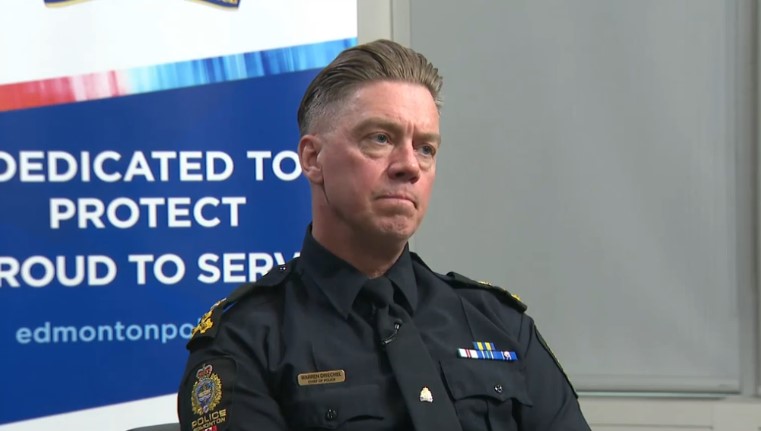
EPS Chief Warren Driechel later made the letter public himself. The day after it was released, Rattlesnake pleaded guilty to manslaughter.
The Crown said at the time that no finalized plea deal had actually been in place when the letter was sent.
Why the judge found it reprehensible
The separation between police and Crown prosecutors is not an administrative preference. It is a structural protection built into how Canada's justice system works. Police investigate. Crown prosecutors independently decide what charges to lay, what evidence to present, and what plea arrangements to accept. That independence exists so that prosecutorial decisions are made on legal grounds not political pressure, not public opinion, and not police preference.
When EPS threatened to take its case to the public if the Crown did not change course and then followed through by releasing the letter Justice Fraser found that police had used the threat of public pressure to try to override prosecutorial independence during an active prosecution.
That is what he called reprehensible.
The outcome the family and police both wanted was a longer sentence. The police's intervention, intended to push for exactly that, handed the defence a mitigating argument the judge accepted. Rattlesnake's sentence was influenced downward in part because of what EPS did trying to push it upward.
Chief Driechel said the letter was sent as a last resort to highlight what he described as poor communications between prosecutors and police. That explanation did not satisfy the judge. It has not satisfied the family. And it did not satisfy the minister who referred the matter to the police watchdog.
What ASIRT is and what happens now
ASIRT the Alberta Serious Incident Response Team is a branch of the Police Review Commission that handles serious or sensitive allegations involving police conduct. It was set up specifically to provide independent oversight of situations where questions arise about whether police acted appropriately.
Public Safety Minister Mike Ellis referred the matter to the PRC on June 5. The PRC's then-acting CEO initiated a Level 1 complaint under the Police Act the most serious category, reserved for incidents involving death or serious injury, or serious and sensitive allegations about police conduct and directed ASIRT to investigate.
"ASIRT's role is to provide independent oversight when serious or sensitive questions arise about police conduct. This investigation will be conducted carefully, fairly and without predetermined conclusions," said Matthew Block, ASIRT's acting executive director. "Our responsibility is to follow the evidence, assess the matter within our mandate and provide the public with confidence that the process is independent."
Opening an investigation is not a finding of misconduct. ASIRT will not comment on evidence or potential outcomes while the investigation is ongoing. There is no timeline for its conclusion.
What this leaves Nina's family with
The family wanted a first-degree murder conviction and a life sentence. They got a manslaughter guilty plea and eight years with credit. They watched a judge cite the police's own conduct as a reason to be more lenient on the woman who killed their child. Now the people who tried to fight for Nina are under investigation for how they did it.
Ashley Rattlesnake will be released from prison before Nina would have turned 20.
Sources:
Government of Alberta, Police Review Commission directs ASIRT to investigate Edmonton Police Service letter to Crown prosecutors, June 11, 2026 (alberta.ca)
Global News, ASIRT to probe unprecedented conduct of Edmonton police in child manslaughter case, June 11, 2026 (globalnews.ca)
Global News, Family outraged at manslaughter sentence in girl's death, February 28, 2026 (globalnews.ca)
The Globe and Mail, Woman sentenced to eight years for killing of girl found in hockey bag, February 28, 2026 (theglobeandmail.com)






Comments
Conversation