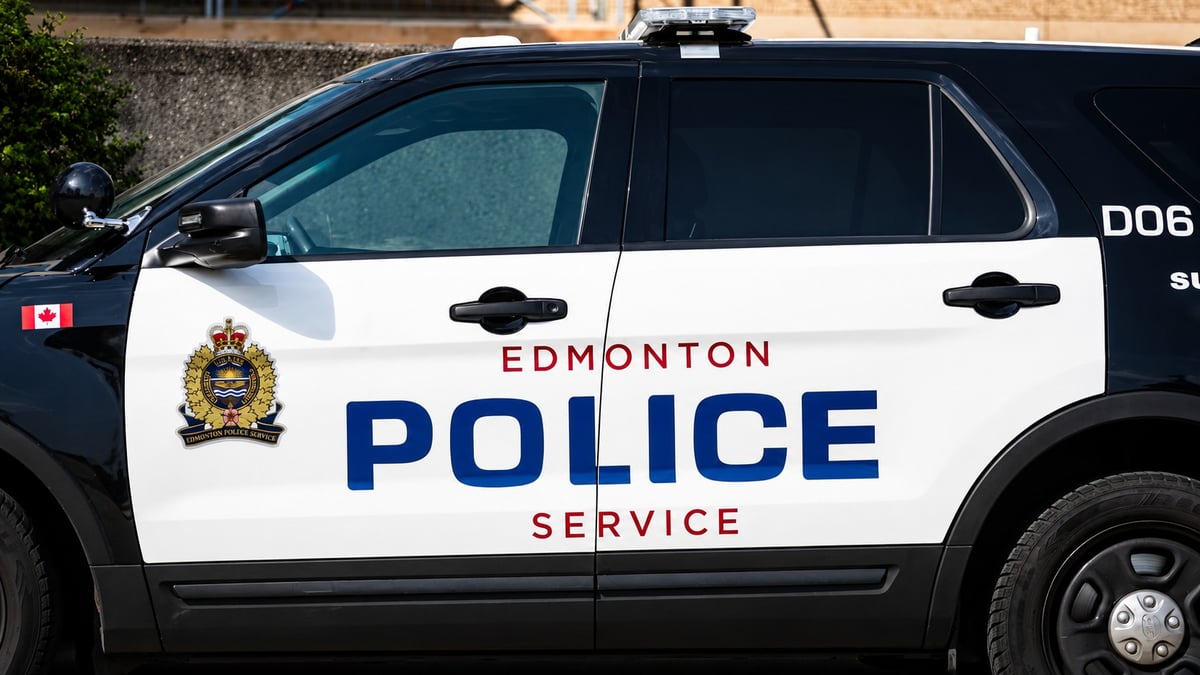
An infant is dead after being found unresponsive at a home in northeast Edmonton on Friday morning.
The Edmonton Police Service said officers were called to the residence at 11:30 a.m. on Friday, July 17, to assist after a male infant was found unresponsive. Edmonton Fire Rescue Services and EMS performed life-saving measures and the infant was taken to hospital, where he was later pronounced dead.
Police say the investigation is ongoing and no arrests have been made. An autopsy is scheduled for Monday, July 20.
That's the entire picture right now. The EPS hasn't released the infant's age, the location beyond northeast Edmonton, or the circumstances that led to the call, and it hasn't said whether the death is considered suspicious.
Why police investigate every sudden infant death
The presence of a police investigation doesn't, on its own, mean officers suspect a crime.
Under Alberta's Fatality Inquiries Act, every sudden or unexplained death in the province must be reported to and investigated by the Office of the Chief Medical Examiner, and that applies with particular force to infants and children. When a baby dies unexpectedly at home, police attend as a matter of course, document the scene, and open a sudden death file while the medical examiner works to establish what happened. It's the standard process whether the eventual answer turns out to be a medical condition, an accident, or something else.
The "no arrests have been made" line in Friday's release is standard language in these files too. It describes the current status of the investigation. It doesn't signal a direction.
What Monday's autopsy determines
The autopsy is the hinge point. The medical examiner's job is to establish two things: the cause of death, meaning what medically ended the infant's life, and the manner of death, meaning whether it was natural, accidental, undetermined or the result of another person's actions.
Sometimes that answer comes quickly. Often it doesn't. In infant deaths especially, preliminary autopsy findings can be inconclusive, and a final determination can wait weeks or months for toxicology and other testing. Some infant deaths are ultimately classified as undetermined even after a full investigation.
If the medical examiner's findings point to criminality, the file moves to the EPS homicide section and police typically issue an update. If the death is found to be natural or accidental, there's often no further public release at all, and the file closes quietly.
Support exists for families and anyone affected
A death like this lands beyond one household. Relatives, neighbours, first responders and parents reading about it all carry a piece of it.
Alberta has supports in place. Health Link at 811 can connect callers with grief counselling services across the province, and 211 Alberta, available by phone, text or online, links people to community supports including bereavement programs specific to pregnancy and infant loss. Both operate around the clock and both are free.
For anyone supporting a grieving parent, the consistent advice from bereavement organizations is simple: don't look for the right words, because there aren't any. Show up, say the baby existed, and keep showing up after the first weeks pass, which is when most support quietly disappears.
What happens next
The EPS says no further information is available at this time. Culture Alberta will follow the investigation and report any updates police release after Monday's autopsy.
Sources:
Edmonton Police Service, media release, July 17, 2026: https://www.edmontonpolice.ca/News/MediaReleases/July17SuddenDeath
Government of Alberta, Fatality Inquiries Act







Comments
Conversation