A company most Edmontonians have never heard of makes technology that is almost certainly in your car, your phone, and possibly in the medical equipment that diagnosed someone you love.
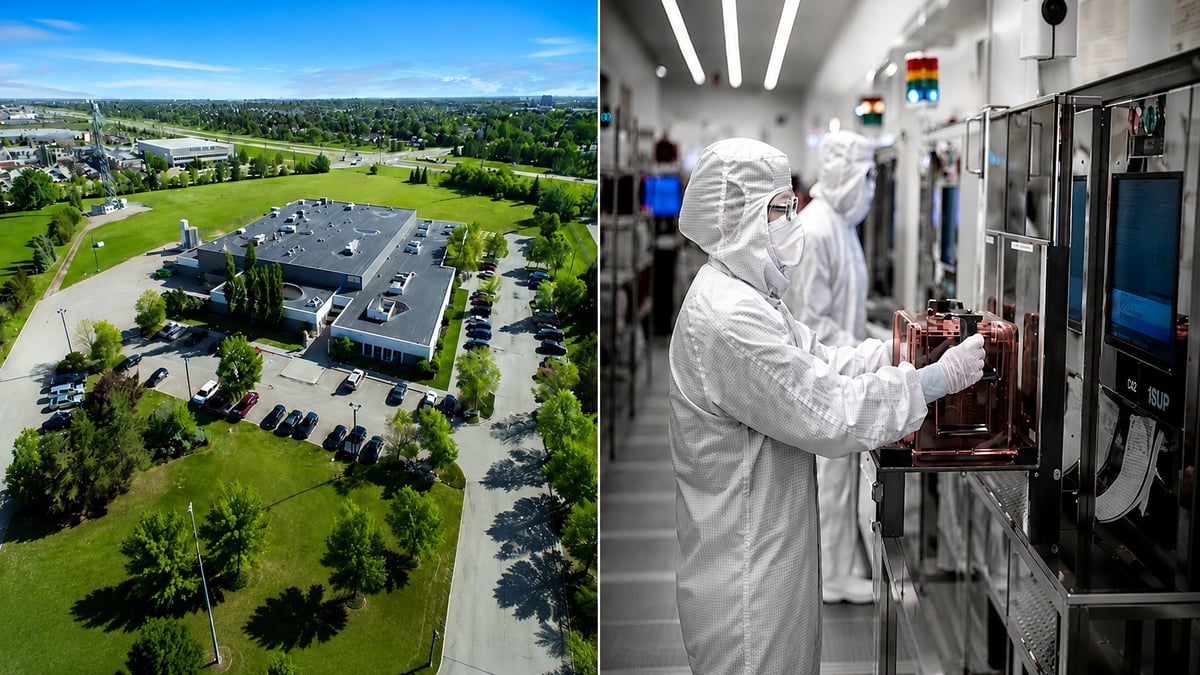
Teledyne MEMS is expanding its Edmonton facility by $20 million. The Alberta government announced the investment on June 24, supported by a $620,000 provincial grant through the Investment and Growth Fund. The expansion adds new wafer processing, inspection, and automation equipment alongside facility upgrades. It is expected to create 16 permanent full-time jobs and 20 temporary construction positions.
"Our expansion in Edmonton is a vote of confidence in the region's talent and innovation ecosystem — creating high-value jobs and opening new opportunities for long-term economic growth," said Steve Bonham, plant manager at Teledyne MEMS Edmonton.

What MEMS actually is and why it matters
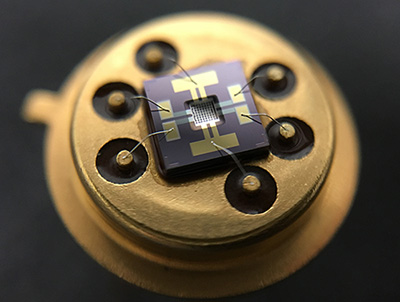
MEMS stands for Micro-Electro-Mechanical Systems. The name is technical but the concept is straightforward: microscopic sensors and mechanical components built on silicon wafers, the same way computer chips are made, but designed to sense and respond to the physical world rather than just process data.
These are not hypothetical future technologies. MEMS sensors are in virtually every modern smartphone — the accelerometer that rotates your screen when you tilt your phone is a MEMS device. The airbag sensor in your car that detects a collision in milliseconds is a MEMS device. The pressure sensors used in industrial facilities to detect hazardous gas leaks before they become dangerous are MEMS devices.
Teledyne's Edmonton facility serves markets in optical MEMS, biomedical MEMS, inertial and industrial sensing, telecommunications, and miniaturized medical systems. Its products are used in driver assistance and vehicle safety systems, in cancer research and diagnostics, in industrial gas detection, in consumer electronics, in aerospace, and in telecommunications infrastructure.
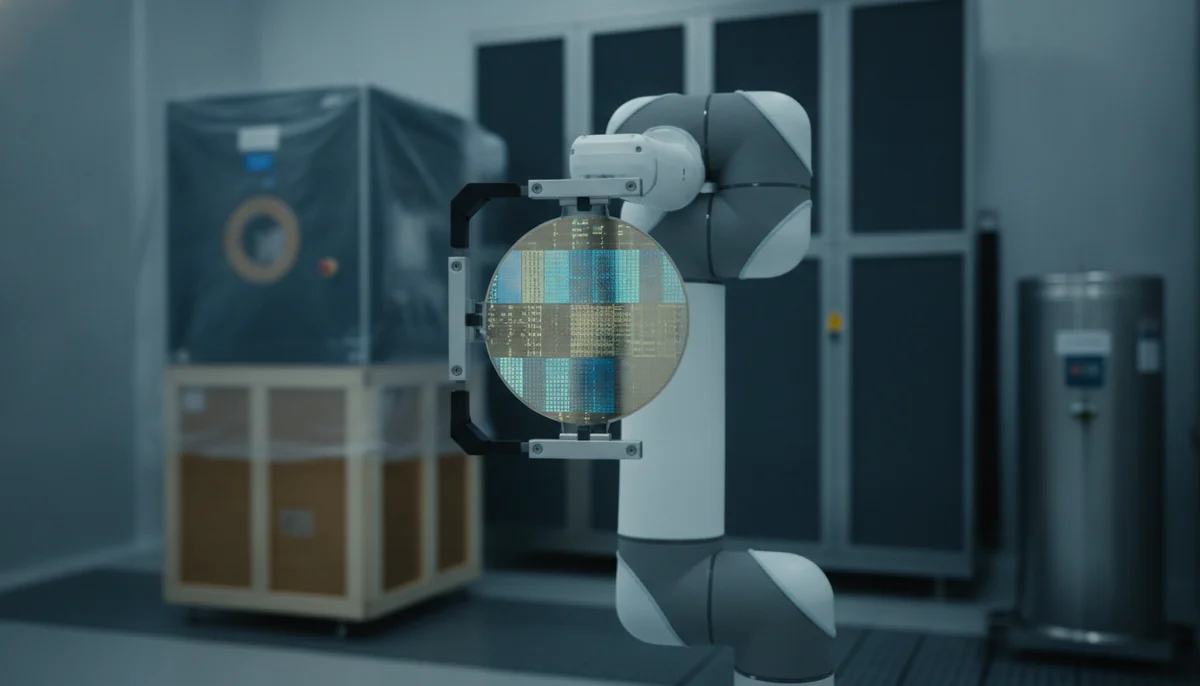
The facility operates clean rooms running 24 hours a day, seven days a week, producing wafers in both 150mm and 200mm formats. Teledyne MEMS claims the number one position globally as an independent pure-play MEMS foundry — meaning it manufactures MEMS components for other companies rather than only for its own products.
How Teledyne ended up in Edmonton
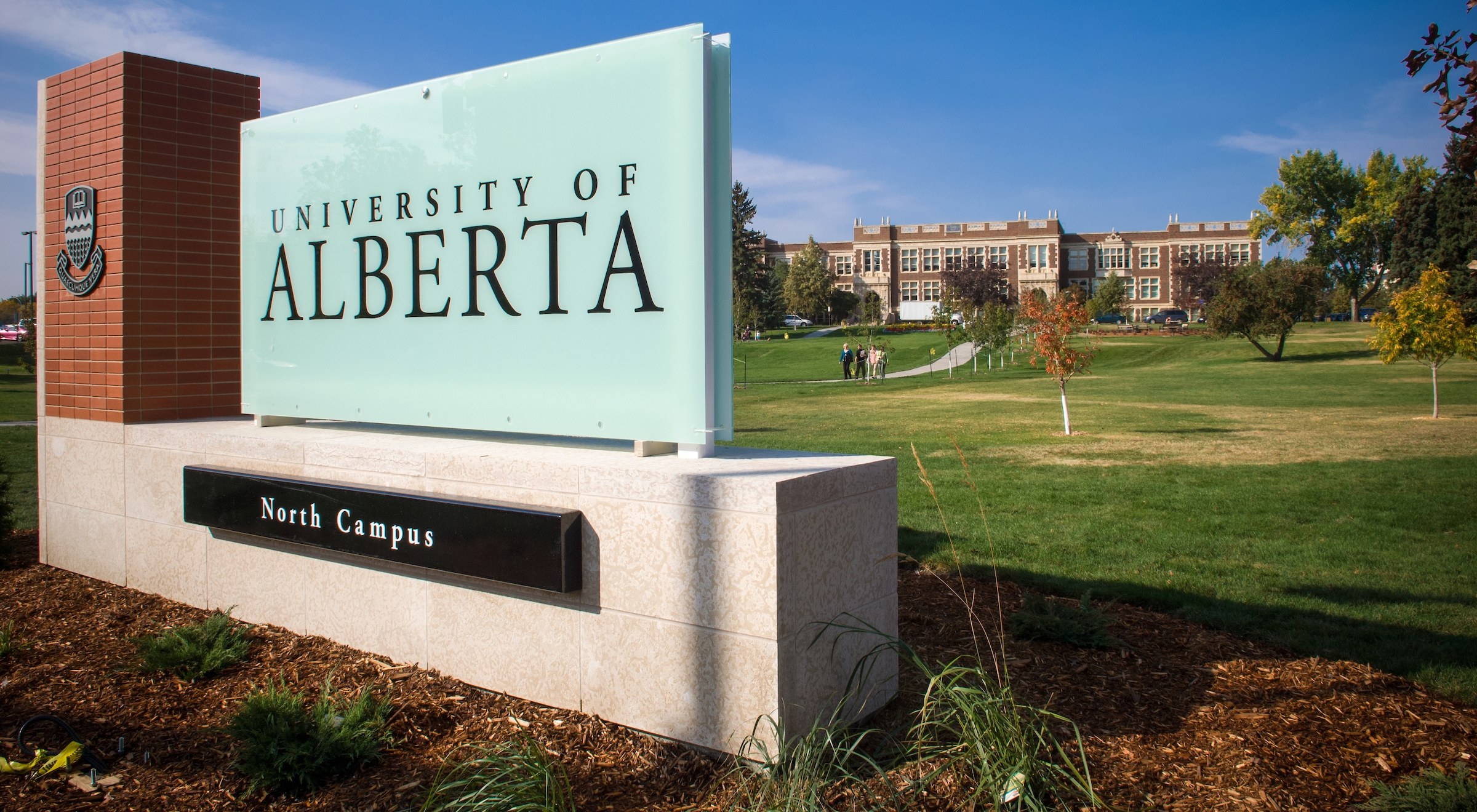
Teledyne MEMS Edmonton traces its roots to Micralyne — an Edmonton company that grew out of University of Alberta microfabrication research in the 1990s. Micralyne became one of the world's first dedicated MEMS foundries, building expertise in Edmonton that attracted global attention.
Teledyne Technologies, a California-headquartered advanced technology company listed on the New York Stock Exchange, acquired Micralyne in 2019 and folded it into its MEMS division alongside its Bromont, Quebec facility. The combination gave Teledyne two Canadian foundries with a combined 250-plus years of development experience and made the Edmonton operation part of a global technology company operating in imaging, instrumentation, aerospace, and defence electronics.
What the semiconductor shortage taught the world and why Canada is acting on it
The 2021-2023 global semiconductor shortage cost the automotive industry alone an estimated $210 billion in lost revenue. Car plants shut down. Medical device manufacturers delayed product launches. The shortage exposed how concentrated the world's semiconductor manufacturing had become — primarily in Taiwan and South Korea — and how vulnerable supply chains were to disruption.
Canada and Alberta watched that play out and drew a conclusion: domestic semiconductor manufacturing capacity is a strategic asset, not just an economic one. Teledyne's Edmonton facility is not making high-volume commodity chips it is making specialized, high-reliability MEMS sensors for automotive, medical, aerospace, and industrial applications. That is exactly the category where domestic production matters most. A car safety sensor or a medical diagnostic component cannot simply wait for a container ship from Asia.
Why this expansion is happening now
Global demand for MEMS sensors is accelerating. The shift to electric vehicles requires more sensors per vehicle than internal combustion engines. Industrial automation and robotics require more sensing capability at smaller scales. The proliferation of IoT devices smart home technology, wearables, industrial monitoring — all run on MEMS sensors. Medical technology is increasingly miniaturized, requiring the kind of microscale manufacturing that Edmonton does.
Teledyne needs more capacity. The Edmonton facility is where it is building it.
What the provincial grant signals
The $620,000 grant from the Investment and Growth Fund is about 3 percent of the $20 million total investment. Its purpose is not to fund the expansion. It is to tip the decision.
The IGF is designed to help close investment decisions when companies are weighing locations. When a global company like Teledyne is deciding where to expand capacity, a provincial investment signal alongside strong talent and infrastructure can be the factor that confirms Edmonton over a competing location.
Since 2021, the IGF has announced 18 grants supporting over 1,400 permanent full-time jobs and more than 1,770 temporary jobs, with total private investment of more than $1 billion leveraged. For every $1 in IGF funding, approximately $30 in private investment has followed. Budget 2026 committed almost $28 million to strengthen the fund going forward.
What it means for Edmonton
Edmonton's tech ecosystem ranked among the fastest-growing in Canada in the 2026 Global Startup Ecosystem Report. Most of that growth story centres on software, AI, and startups. Teledyne represents something different — deep, specialized, capital-intensive advanced manufacturing that has been in Edmonton for more than 25 years and is now expanding rather than moving.
The 16 permanent jobs created by this expansion are high-skill, high-wage positions in semiconductor fabrication — the kind of technical work that is globally scarce and highly compensated.
"Teledyne's decision to invest in its Edmonton MEMS Foundry underscores the region's strength as a location for mission-critical, high-reliability advanced manufacturing," said Daryn Edgar, CEO of Edmonton Global.
Sources:
Government of Alberta, Tech manufacturing expansion loading in Alberta, June 24, 2026 (alberta.ca)
BusinessWire, Teledyne MEMS Expands Edmonton Operations with Support from Government of Alberta, June 24, 2026 (businesswire.com)
Teledyne MEMS, official website and capabilities pages (teledynemems.com)
Teledyne Imaging, MEMS and Semiconductors page (teledyneimaging.com)
Government of Canada, Canada makes strategic investment in Teledyne to advance semiconductor industry, March 2025 (canada.ca)








Comments
Conversation