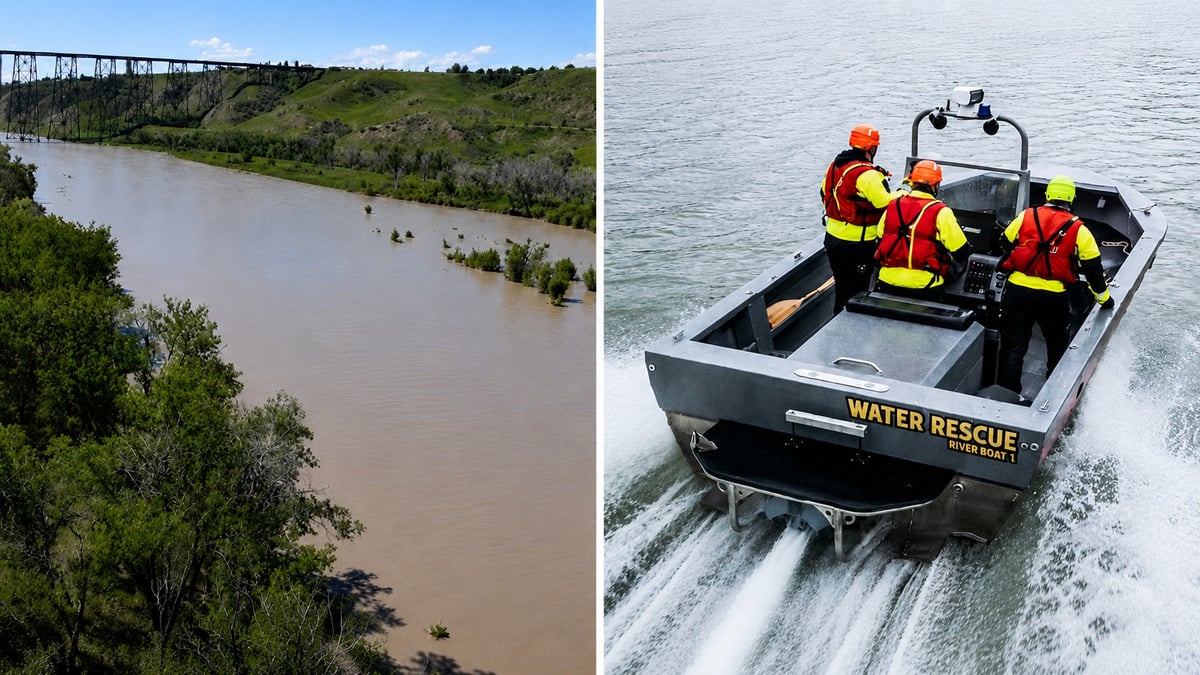
Six people ended up stranded near one of the most dangerous points on the Oldman River on Sunday evening after the inflatable raft they were travelling on deflated. None of them were wearing life jackets.
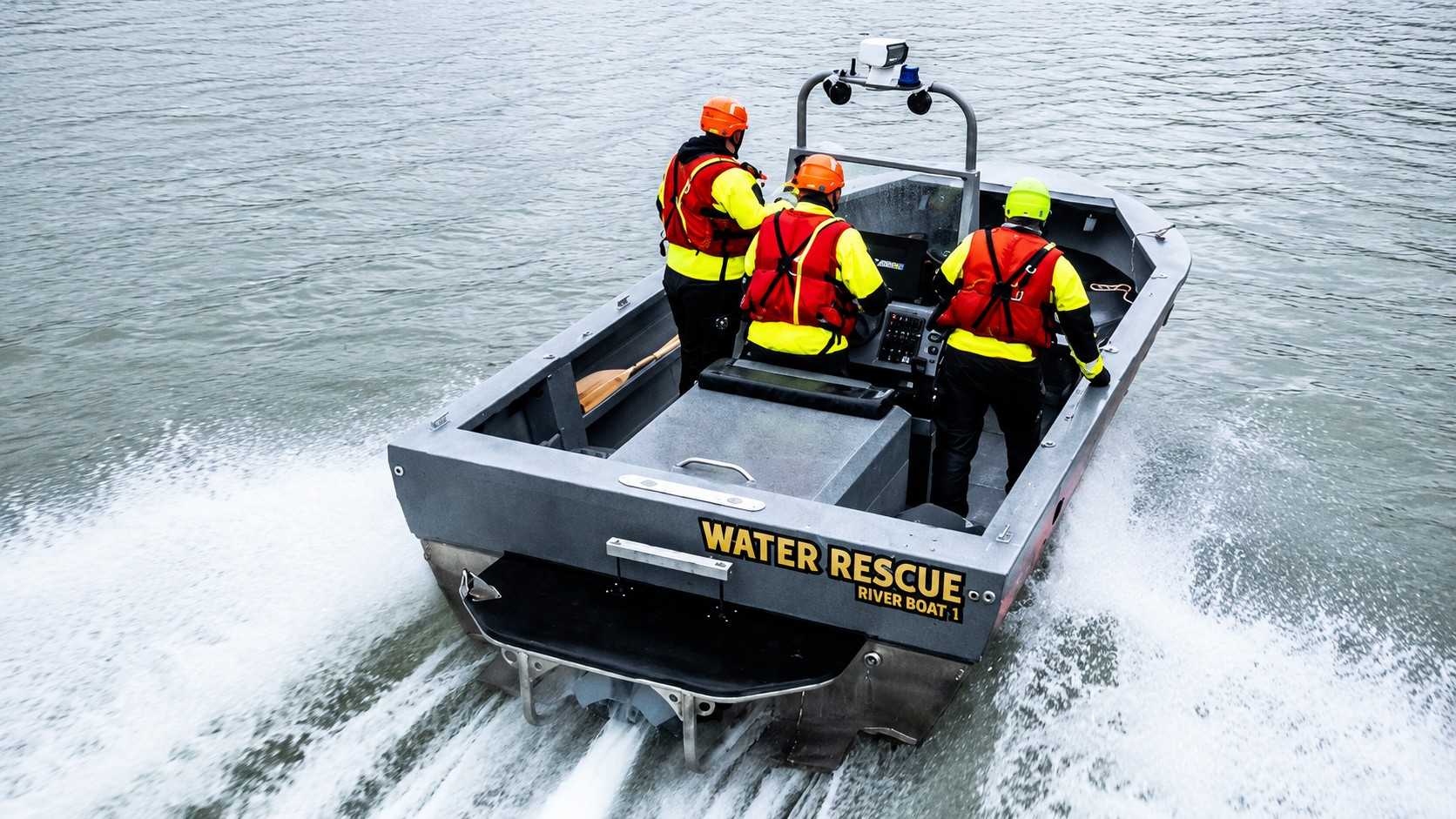
Lethbridge Fire and Emergency Services responded to the weir on the evening of July 5 with crews from four stations, eight emergency apparatus, and 18 firefighters. The Water Rescue Team deployed two boats to reach the group. Emergency Communications Officers maintained contact with the six throughout the incident until rescue crews arrived.
All six were brought safely to shore. No injuries were reported.
Why the weir is dangerous right now
The weir is a low dam structure crossing the Oldman River. River users are required to exit the water upstream, portage around it using the designated route, and re-enter downstream. Travelling over, through, or near the weir is prohibited at any time.
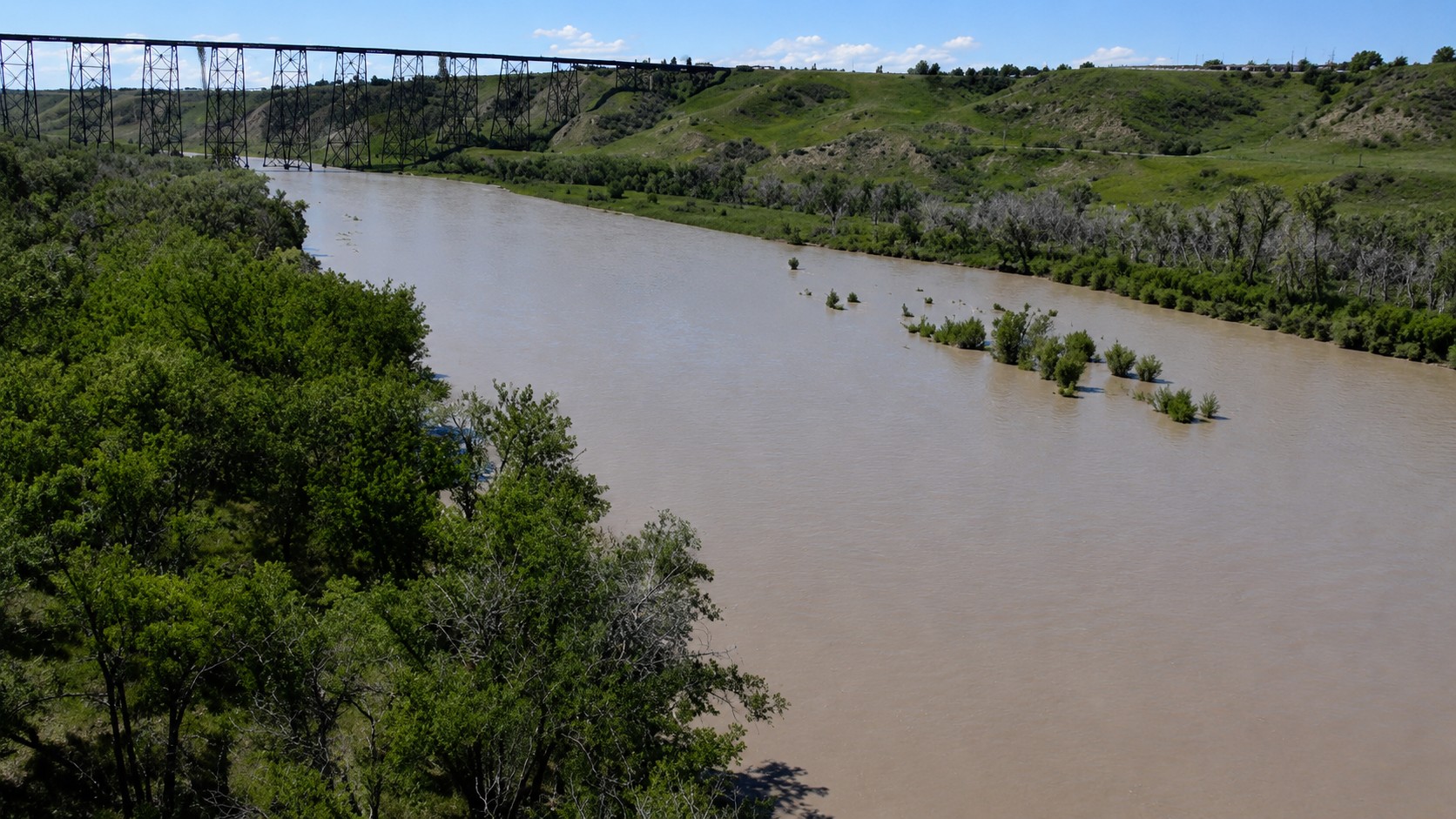
At the time of Sunday's rescue, the Oldman was flowing at approximately three times its normal rate the same elevated conditions that have had multiple river valley parks closed for weeks. High flows and turbulent water around the weir created conditions that made Sunday's rescue technically difficult.
"This was a very close call," said Warren Molnar, Water Rescue Team member. "The weir is dangerous at any time, but high water levels make the current faster, stronger and less predictable. The recirculating water around the structure can trap people and watercraft, making it extremely difficult to escape."
Why this rescue was risky
Weirs create recirculating hydraulic currents on their downstream side — water pours over the structure and circulates back on itself, repeatedly pulling people and watercraft underwater. At three times normal flow that force is significantly stronger than usual.
Six people caught near that structure with a deflated raft and no life jackets, with the river running that fast, left very little margin for error. LFES crews reached them before anyone was pulled into the weir's hydraulics.
The Oldman right now
The Oldman has been running well above normal levels since late June. The City of Lethbridge has had a boating advisory in effect for several weeks and closed Pavan Park, Popson Park, Alexander Wilderness Park, and Cottonwood Park. We covered the river conditions in detail at culturealberta.com/articles/lethbridge-urges-residents-to-stay-away-from-the-oldman-river-on-canada-day-as-flows-hit-900-cubic-metres-per-second.
That advisory remains in effect. Sunday's rescue is exactly the kind of incident it is designed to prevent.
This is not the first close call on the Oldman this summer
Sunday's rescue did not happen in isolation. The Oldman has been running dangerously high since late June and LFES has been warning residents repeatedly to stay off the water. The June 29 advisory specifically warned that the river was so fast and the banks so unstable that rescue operations might not be possible in all situations — staff are not swift water certified and are not permitted to attempt unsafe rescues.
Sunday's outcome was good. The Water Rescue Team reached the group in time. But the conditions that made this rescue difficult have not changed. The river is still running well above normal. The weir is still creating dangerous hydraulics. And the advisory that was in place before Sunday is still in place after it.
Before you go near the river
Check conditions at rivers.alberta.ca. Know where the weir is. Wear a properly fitted personal flotation device. Carry a cellphone. Tell someone your route and when you expect to be back.
"Water safety starts before you reach the river," said Charles Schoening, Water Rescue Team Lead. "Check the conditions, use suitable equipment, wear a lifejacket and make sure someone knows your trip plan. During high-water conditions, the safest choice is to stay off the river."
In an emergency call 911 immediately.
Sources:
Lethbridge Fire and Emergency Services, media release, Six boaters rescued from dangerous conditions at Oldman River weir, July 6, 2026 (lethbridge.ca)
Warren Molnar, Water Rescue Team member, LFES, statement July 6, 2026
Charles Schoening, Water Rescue Team Lead, LFES, statement July 6, 2026









Comments
Conversation