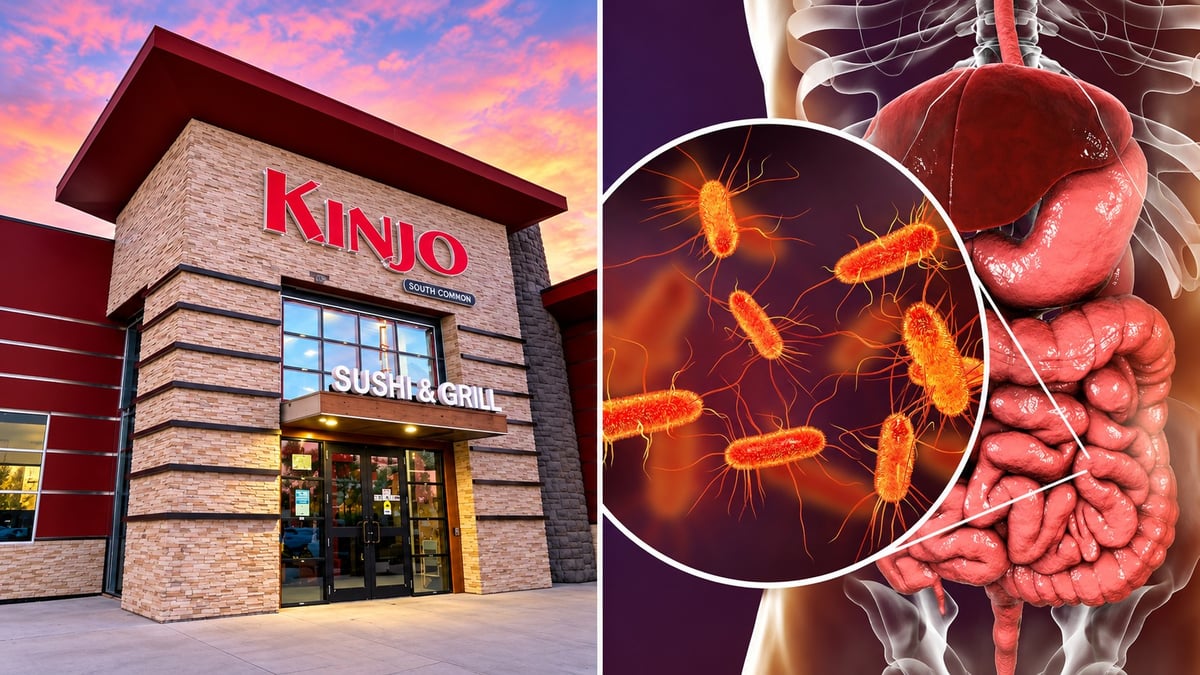
Alberta Health Services is investigating an E. coli outbreak linked to a sushi restaurant in southeast Calgary.
Six people got sick after eating at Kinjo Sushi & Grill in Mahogany, at #200, 7 Mahogany Plaza S.E. AHS says there are four confirmed cases and two probable cases.
All six ate at the restaurant on or around Sept. 18. AHS says anyone who ate or drank there around Sept. 18 or 19 may have been exposed.
AHS hasn't identified the source of the infection, and hasn't found that the restaurant was responsible. A public health inspection on Sept. 28 found no critical violations, and the restaurant is still open.
What's making people sick
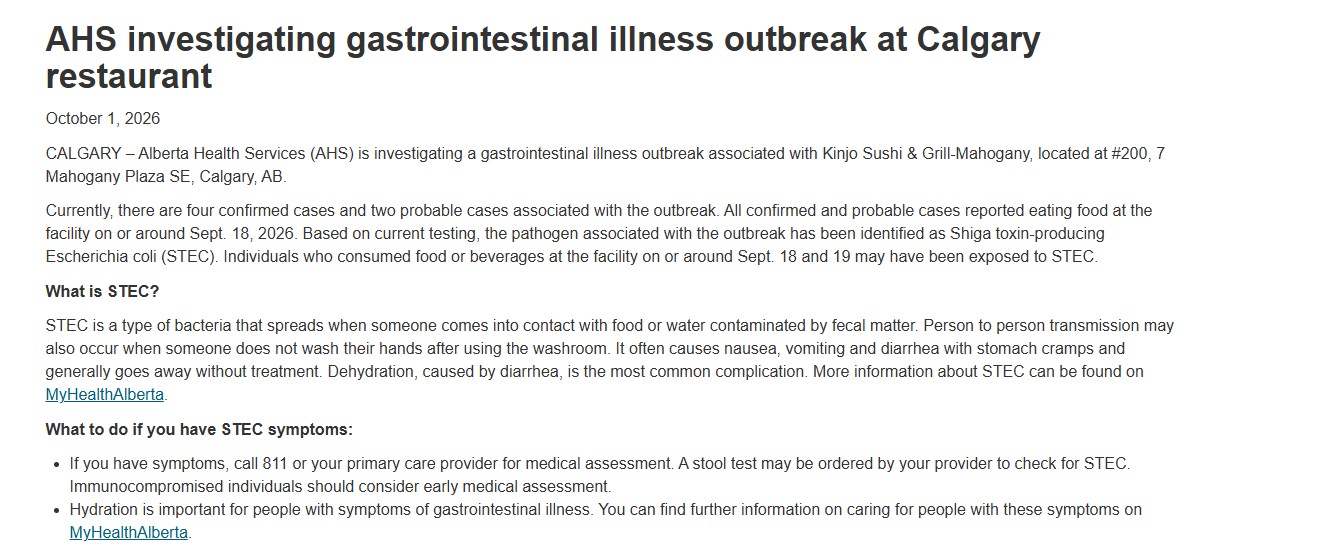
Testing has identified the bacteria as Shiga toxin-producing E. coli, or STEC.
"STEC is a type of bacteria that spreads when someone comes into contact with food or water contaminated by fecal matter," AHS said. "Person to person transmission may also occur when someone does not wash their hands after using the washroom."
AHS hasn't said what food, drink or other source made people sick.
"Public health officials are working to identify the source of the infection, assess any ongoing risk and prevent additional illnesses," AHS said.
As of Oct. 1, no other cases linked to the restaurant had been reported.
What STEC does
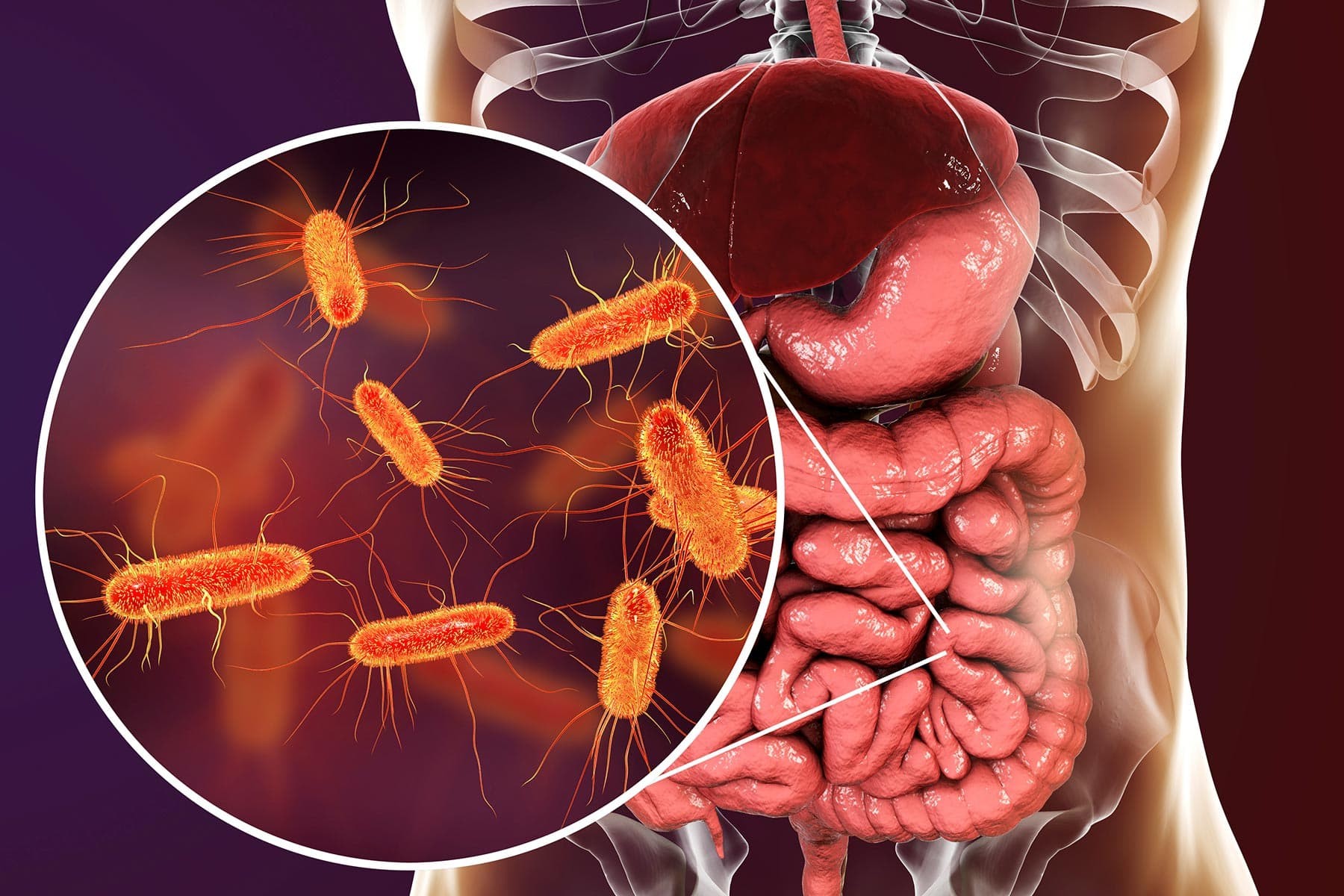
Most E. coli is harmless. It lives in the gut of people and animals.
STEC is different. It makes a toxin, called Shiga toxin, that can damage the lining of the intestine, and in serious cases, the blood and kidneys.
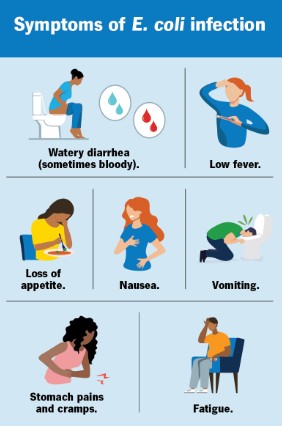
Symptoms usually start one to four days after exposure, according to MyHealth Alberta. They can include:
Severe stomach cramps.
Diarrhea, which can become bloody.
Nausea and vomiting.
A fever, in some people.
Most people get better in about a week.
But STEC can lead to a serious complication called hemolytic uremic syndrome, or HUS, which damages the blood and kidneys. Children and older adults are most at risk.
Ate there? Here's what to do
If you ate or drank at the Mahogany Kinjo around Sept. 18 or 19 and have symptoms, AHS asks you to call Health Link at 811, or book an appointment with your doctor.
Get medical care if you notice:
More blood in your stool.
Vomiting or diarrhea that's getting worse.
Severe stomach pain.
Signs of dehydration, like peeing very little.
Don't take over-the-counter anti-diarrhea medication. MyHealth Alberta says most E. coli infections clear up on their own and usually don't need antibiotics. Talk to a doctor about treatment.
If you're sick, wash your hands well after using the washroom, and don't make food for anyone else until you're better.
Calgary's last E. coli outbreak was much bigger
In September 2023, an STEC outbreak linked to a central kitchen serving Calgary-area daycares became the largest gastrointestinal outbreak in AHS history at the time.
AHS's final report counted 448 cases, including 359 confirmed in the lab and 89 probable. 38 children and one adult were hospitalized. 23 people developed HUS, and eight needed dialysis. No one died.
The Kinjo outbreak is far smaller, at six cases. AHS hasn't indicated any connection between the two.
What's next
AHS says its investigation is ongoing, as it works to find the source and watch for any new cases.
Sources
AHS investigating gastrointestinal illness outbreak at Calgary restaurant, Alberta Health Services, October 1, 2026
E. Coli Infection From Food or Water, MyHealth Alberta
E. Coli Infection: Care Instructions, MyHealth Alberta
STEC Outbreak in Calgary Zone Childcare Facilities Linked to a Central Kitchen, Alberta Health Services






Comments
Conversation