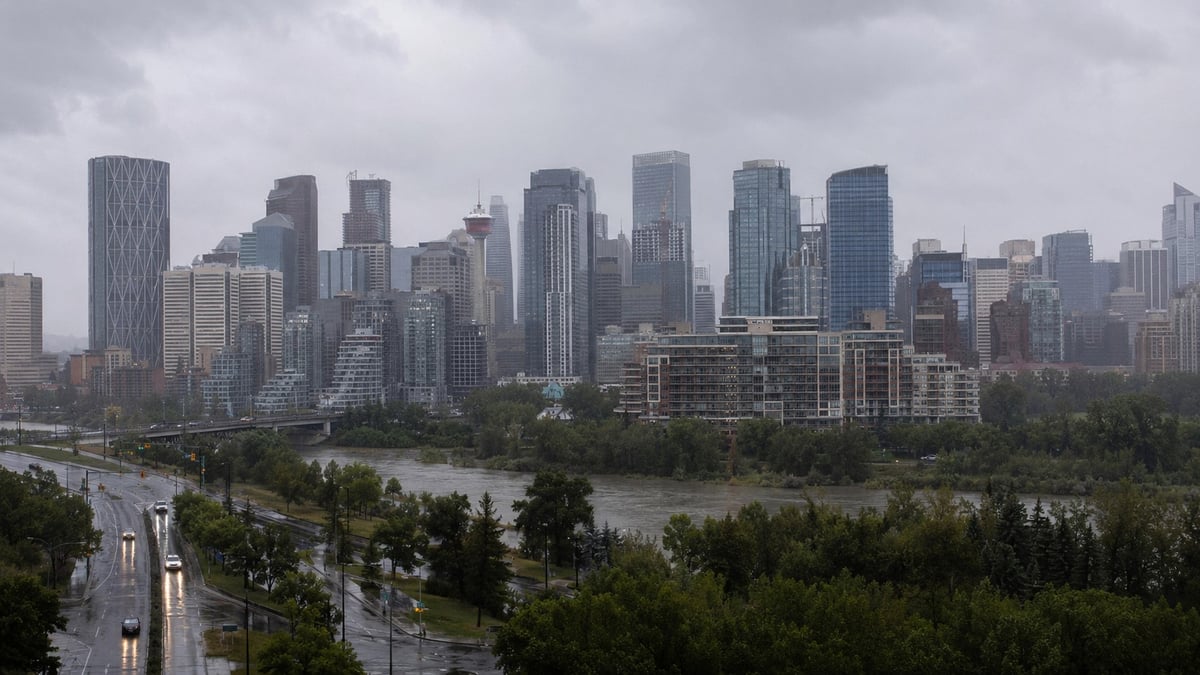
Days of Rain Have Transformed Calgary's Start to Summer
If Calgary feels unusually gloomy for early June, there's a good reason.
A slow-moving weather system has parked itself over southern Alberta for several days, bringing steady rainfall, cooler temperatures, and rising river levels across the region. While June is typically Calgary's wettest month, the amount of rain that has fallen in just a few days is already approaching what the city would normally receive during the entire month.
The rain began over the weekend and continued into Tuesday, prompting rainfall warnings and river advisories across parts of southern Alberta. Environment Canada forecasts indicate conditions should gradually improve later Tuesday, but not before many areas receive another round of precipitation.
For commuters, it has meant slower drives, reduced visibility, and puddles forming along major routes. For those hoping to kick off summer with a trip to Prince's Island Park or a walk along the Bow River pathways, it has been a noticeably different start to June than usual.
How Much Rain Has Fallen?
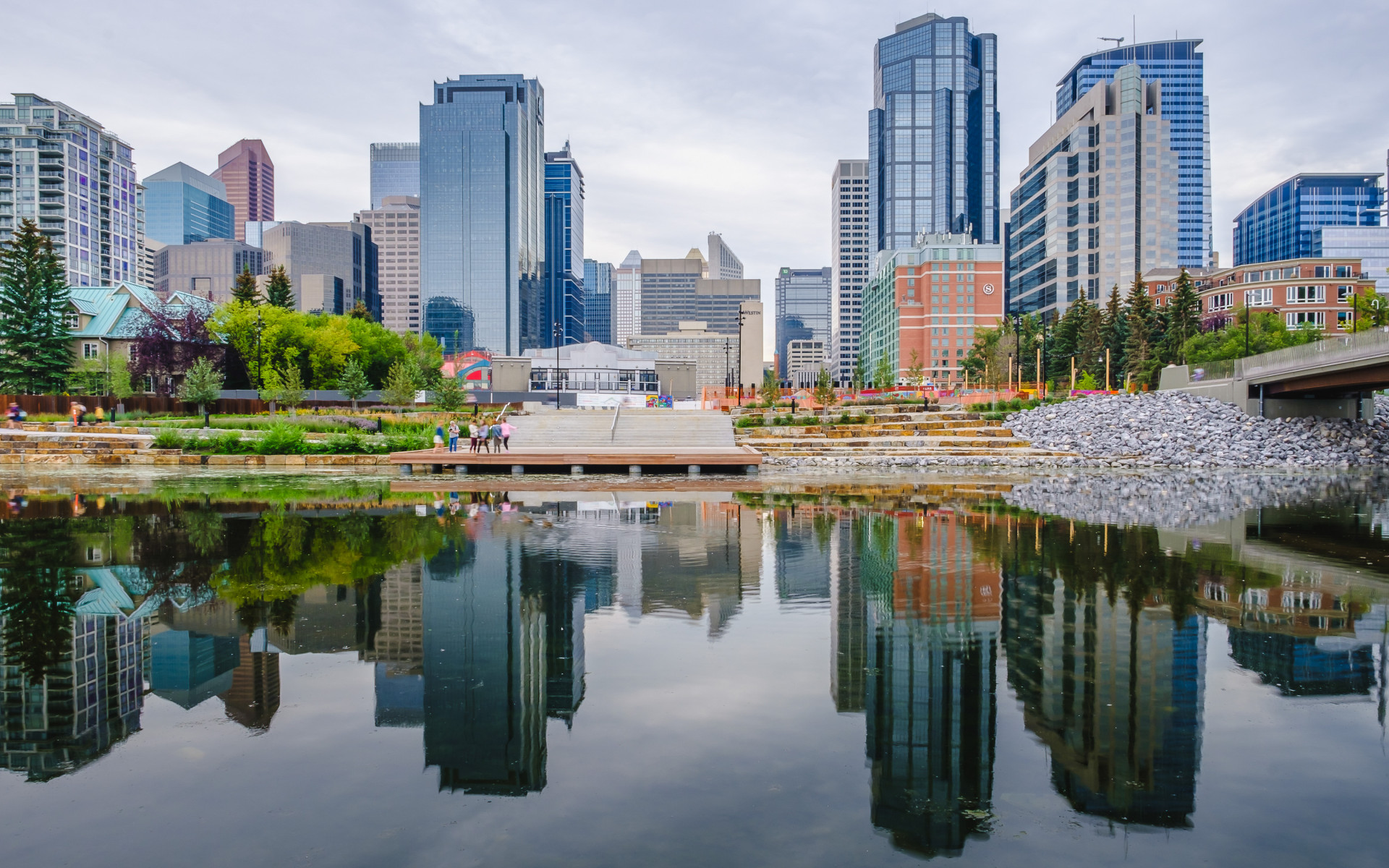
According to the City of Calgary, between 40 and 80 millimetres of rain had already fallen across Calgary and nearby river basins by Monday, with additional rainfall expected through Tuesday.
To put that into perspective, Calgary typically receives around 65 millimetres of precipitation during the entire month of June.
In some locations across southern Alberta, this single weather system is on track to match or exceed a month's worth of normal June rainfall.
What makes this event stand out isn't necessarily intense thunderstorms or flash flooding. Instead, it's the persistence of the rain. Hours of steady precipitation spread over multiple days can have a greater impact on rivers, creeks, and saturated ground than a brief downpour.
River Levels Rising, But Officials Stress This Isn't 2013
Whenever prolonged rain arrives in Calgary, memories of the 2013 flood aren't far behind.
That disaster caused billions of dollars in damage, forced widespread evacuations, and remains one of the most significant natural disasters in Alberta's history.
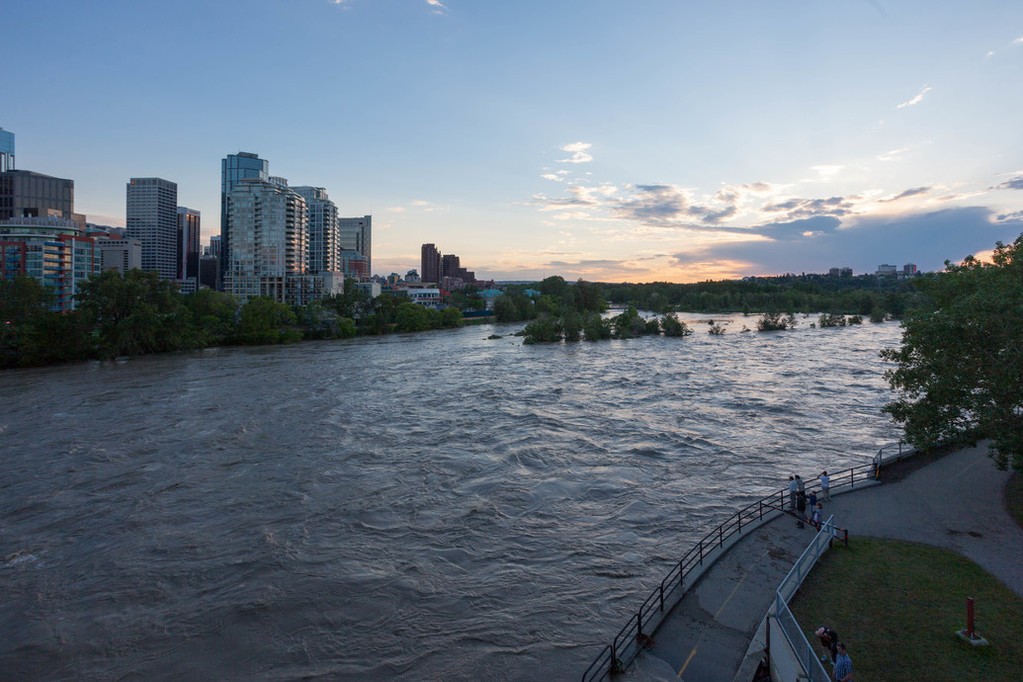
While current conditions are nowhere near those levels, city officials are closely monitoring the Bow and Elbow rivers as rainfall combines with ongoing mountain snowmelt.
The City of Calgary has advised residents to stay away from riverbanks, avoid entering fast-moving waterways, and use caution near pathways and parks located close to rivers and creeks.
High water levels can create dangerous conditions even when widespread flooding is not expected.
The Silver Lining: Alberta Needs Moisture
The rain has undoubtedly put a damper on outdoor plans, but it is also arriving at a time when much of Alberta can benefit from the extra moisture.
Extended rainfall helps replenish soil moisture for farmers, supports vegetation growth, and reduces short-term wildfire risk heading into the warmer months.
After several years in which drought and wildfire dominated headlines across Western Canada, many meteorologists and agricultural observers view widespread spring rainfall as a positive development despite the inconvenience it brings to daily life.
In other words, while Calgarians may be tired of reaching for umbrellas this week, the moisture could prove valuable later this summer.
When Will the Rain End?
Forecasters expect the heaviest rainfall to move out of Calgary by Tuesday evening, with conditions gradually improving through the remainder of the week.
That should come as welcome news for residents eager to get back onto pathways, patios, sports fields, and golf courses after several days of soggy weather.
For now, however, Calgary remains under a blanket of clouds as one of the wettest starts to June in recent memory continues to unfold.
Sources
Environment Canada weather forecasts and rainfall warnings
City of Calgary flood and river conditions updates
The Weather Network forecast for Calgary
Alberta river and streamflow advisories








Comments
Conversation