Police say the driver was apologetic.
A Dodge Durango was clocked at 170 km/h on the Alex Fraser Bridge, where the posted limit is 70. That's 100 kilometres an hour over.
The apology didn't change anything, and under British Columbia law it couldn't have.
What it cost him
A $483 ticket and three penalty points.
A seven-day vehicle impound, plus towing and storage costs.
Three years of high-risk insurance premiums through ICBC.
Three separate penalties, imposed three different ways, and only one of them is a fine.
The officer had no choice about the impound
This is the part people misunderstand about B.C.'s system.
Officers have considerable discretion about whether to start enforcement at all. But once an officer has reasonable grounds to believe excessive speeding occurred, the Motor Vehicle Act requires the vehicle to be impounded. It isn't a judgment call at the roadside.
Excessive speeding in B.C. is defined as more than 40 km/h over the posted limit. The penalties scale from there.
41 to 60 km/h over: $368 and three penalty points.
More than 60 km/h over: $483 and three penalty points.
At 100 over, this driver was well into the higher tier.
First offence: seven-day impound. Second within two years: 30 days. Third within two years: 60 days.
The court can't reduce it either. If the evidence proves the driver exceeded the limit by more than 40 km/h, the justice hearing the case must impose at least the legislated minimum.
The real number is closer to $2,500
The $483 is the smallest piece.
The impound costs at least $210 in towing and storage, and the registered owner pays it directly to the impound lot operator regardless of what happens with the ticket. That obligation applies even if the owner wasn't driving.
ICBC then applies a Driver Risk Premium, which for excessive speeding starts at $320 and is charged annually for three years. Drivers who have already accumulated penalty points pay a penalty point premium on top.
Once the insurance surcharges are counted, the true cost of a single excessive speeding ticket in B.C. is commonly estimated at around $2,500 over three years.
And if the storage debt goes unpaid, ICBC may refuse to issue or renew the owner's driver's licence or vehicle insurance.
Why the apology doesn't help
Police noting a driver was apologetic shows up in a lot of these releases, and it's worth understanding what it does and doesn't affect.
It doesn't reduce the ticket, because the amount is set by the offence. It doesn't stop the impound, because the Act requires it. It doesn't affect the insurance, because that follows the conviction.
What contrition can affect is whether an officer adds further charges, which is discretionary. It's worth something. It just isn't worth much.
Alberta handles this completely differently
Worth knowing if you drive in both provinces, because the systems don't resemble each other.
In Alberta, there is no preset fine past 50 km/h over the limit.
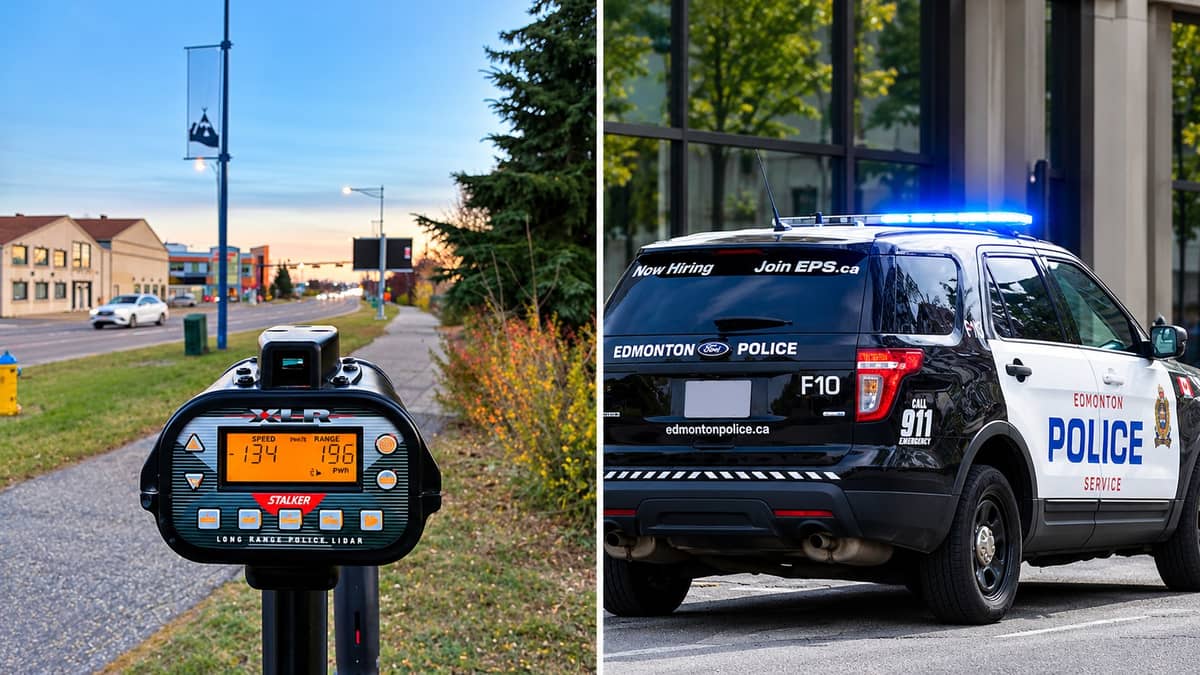
An Edmonton police officer explained it on video last week while stopping a driver doing 147 in an 80 zone on Whitemud Drive.
"The speed in which you were traveling and the manner in which you were driving require you to attend court," the officer said. "There is no fine associated to this."
No ticket amount, a mandatory court appearance, and a penalty set by a judge. It could exceed $483. It could be less. The driver doesn't find out until the date.
Alberta also doesn't impound automatically at that threshold. Earlier this year, a driver clocked at 212 km/h on Anthony Henday Drive was able to drive away.
Our coverage of the Whitemud stop is here.
And the Anthony Henday case is here.
And it varies across the country
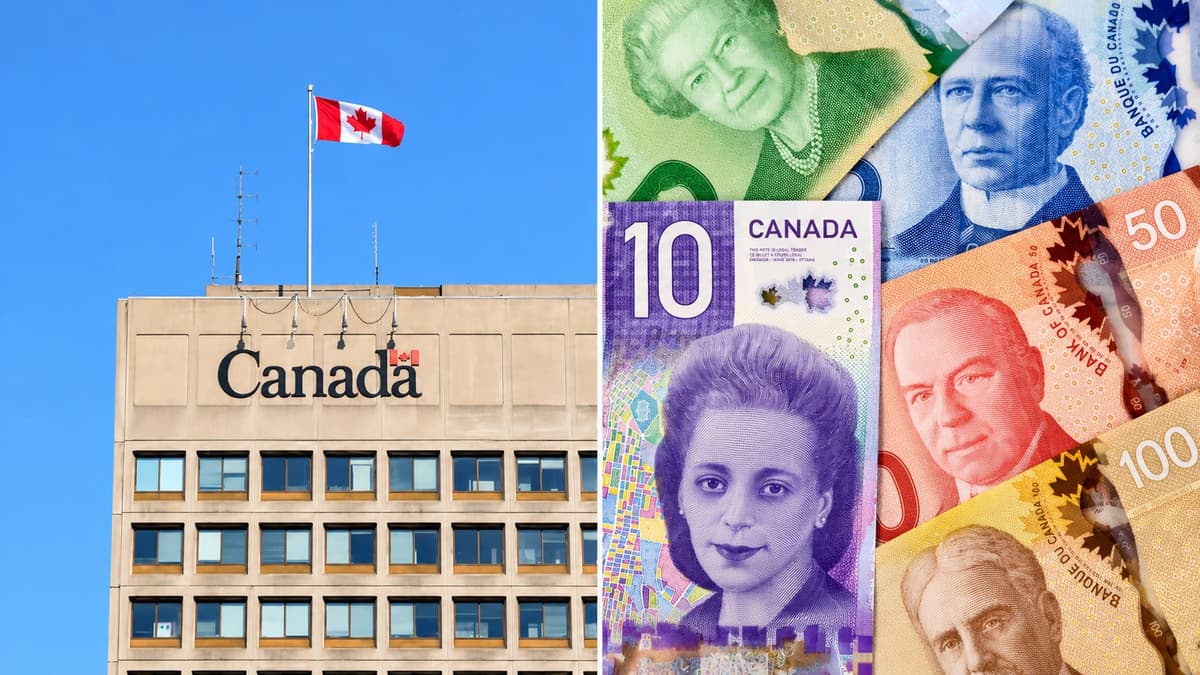
There's no national standard for this. Each province writes its own rules, and the gaps are wide.
British Columbia triggers at 40 km/h over, with a mandatory roadside impound and a fixed fine.
Alberta stops setting fine amounts at 50 km/h over, sending the matter to a judge instead.
Ontario uses a stunt driving framework with immediate roadside licence suspension and vehicle impoundment, and fines on conviction that run into the thousands.
The practical effect is that the same speed produces meaningfully different consequences depending on which side of a provincial line you're on. A driver moving between provinces is subject to whichever regime they're in at the time, and convictions generally follow a driver home through interprovincial reporting agreements.
How common this is
B.C. police issued 10,790 excessive speeding tickets in 2024.
That's roughly 30 a day, in a province where the penalty includes losing your vehicle at the roadside.
The reason the thresholds exist
RoadSafetyBC's own framing is about survivability.
A pedestrian struck at 30 km/h has a 90 per cent chance of surviving. A pedestrian struck at 50 km/h has an 80 per cent chance of being killed.
That's a 20 km/h difference. This driver was 100 over.
At 170 km/h a vehicle covers about 47 metres every second, and crash energy rises with the square of speed. On a bridge deck with barriers on both sides and no real shoulder, there's nowhere to go if something happens ahead.
Sources
Excessive speed and careless driving — RoadSafetyBC, Province of British Columbia British Columbia Motor Vehicle Act, section 148 ICBC Driver Risk Premium
Impound costs, the 2024 ticket volume and the estimated three-year total as compiled by DriveSmartBC. Alberta penalty comparison from previously published Edmonton Police Service comments.






Comments
Conversation