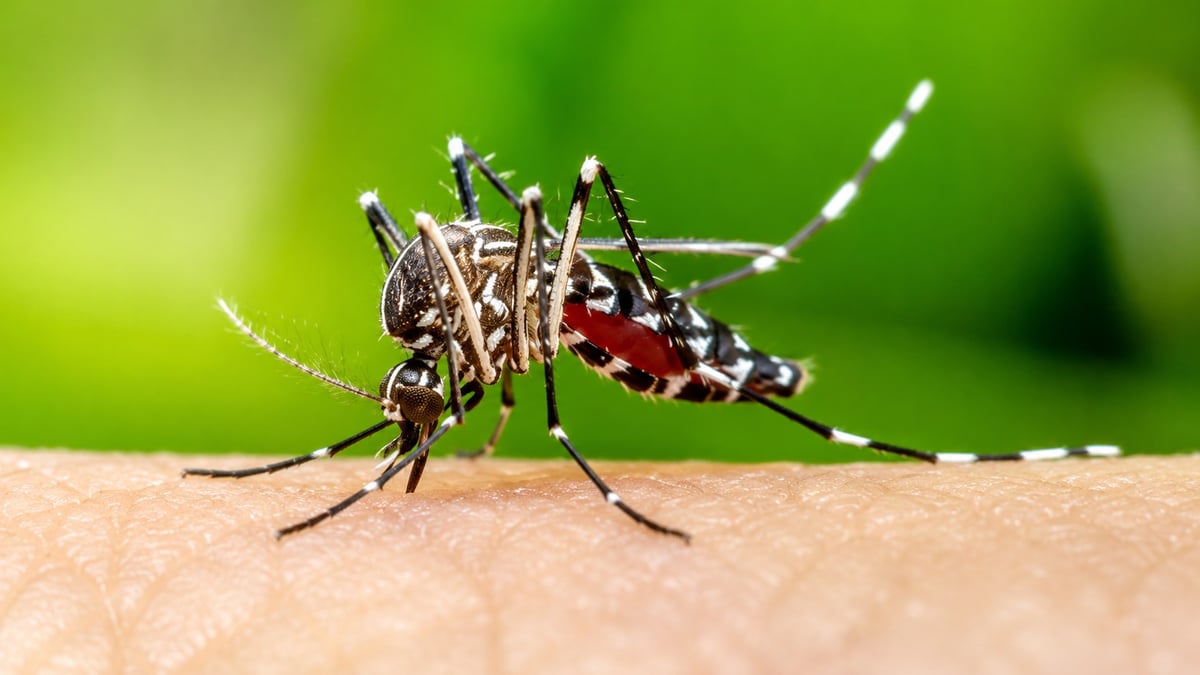
Edmonton received nearly 200 millimetres of rain in June. The standing water left behind in ditches, parks, storm ponds, and millions of backyards is exactly what mosquitoes need to breed.
The city's biological sciences technician Mike Jenkins says the surge is coming, but it may be smaller than the rainfall numbers suggest. Five to six years of drier-than-normal conditions kept the dormant egg population unusually low. There are simply fewer viable eggs in the ground to activate, even with perfect hatching conditions.
"We've had five or six years of very low mosquito numbers, so there aren't that many viable eggs actually out there," Jenkins said. "So for the level of water that we've got on the ground, the amount of hatching and the mosquitoes that are developing from that is actually remarkably low."
That is the relatively good news. The less good news involves a mosquito that was not in Edmonton a decade ago.
The new mosquito Edmonton needs to know about
Culex pipiens the northern house mosquito is an invasive species first detected in Edmonton in 2018 and officially confirmed in 2020. It is the primary vector of West Nile virus in North America. And it behaves completely differently from the mosquitoes most Edmontonians are used to dealing with.
Edmonton's dominant mosquito species aedes and ochlerotatus are floodwater mosquitoes. They lay eggs on the edges of ponds and temporary water bodies and those eggs sit dormant until rain or snowmelt floods them. The city has spent more than 50 years developing a pest control program around that behaviour.
Culex pipiens does not follow that script. It lays eggs directly on top of very temporary water bird baths, eavestroughs, rain barrels, pooled water on patio furniture. Those eggs hatch almost immediately. No dormancy. No waiting for the right conditions. A bird bath sitting full for a few days is a breeding site. A clogged eavestrough is a breeding site. An uncovered rain barrel is a breeding site.
Its population is driven more by heat than by precipitation. A warm July after a wet June is exactly the conditions under which Culex pipiens numbers can climb quickly and independently of whether more rain falls.
What Culex pipiens and West Nile actually means for you
The risk from West Nile to any individual is relatively low. The virus spreads when a mosquito bites an infected bird and then bites a human. Very few mosquitoes carry the virus. The vast majority of people bitten by an infected mosquito build natural resistance and remain healthy. A small number experience flu-like symptoms. A very small number develop serious neurological illness.
The last significant Alberta spike was 2018. Nine cases were detected in the province in 2023.
The concern with Culex pipiens is about trajectory. It arrived in Alberta earlier than climate models predicted. It is establishing itself in urban environments. It tolerates heat well. And Alberta's summers are getting warmer.
Jenkins noted that the Culex pipiens detected in Edmonton so far appears to prefer birds as its blood source rather than humans which is actually a positive sign for West Nile risk. When the mosquito is preferentially biting birds rather than people, the chance of viral spillover into the human population is lower. But the city is monitoring closely. The University of Calgary is conducting genetic testing on specimens collected across the province to track how the population is developing.
Jenkins also flagged that Culex pipiens was suspected in the 2025 deaths of two grey owls at the Calgary Zoo a signal that the virus is moving through Alberta's bird population in ways that matter beyond the human health risk.
What the city is doing about it
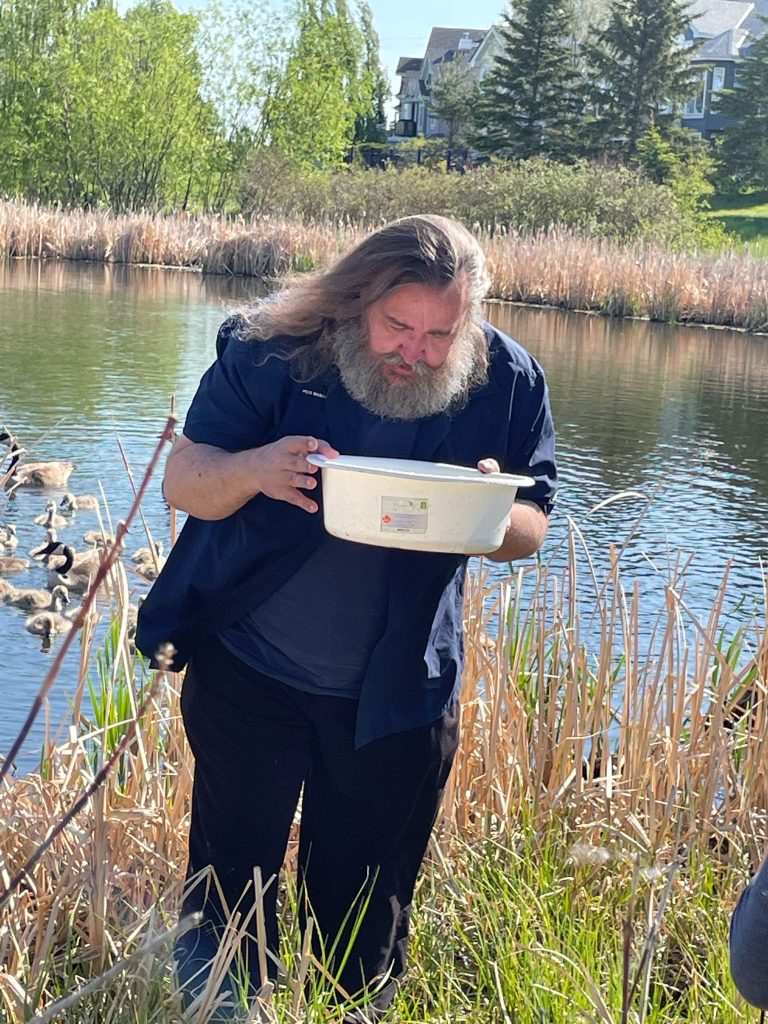
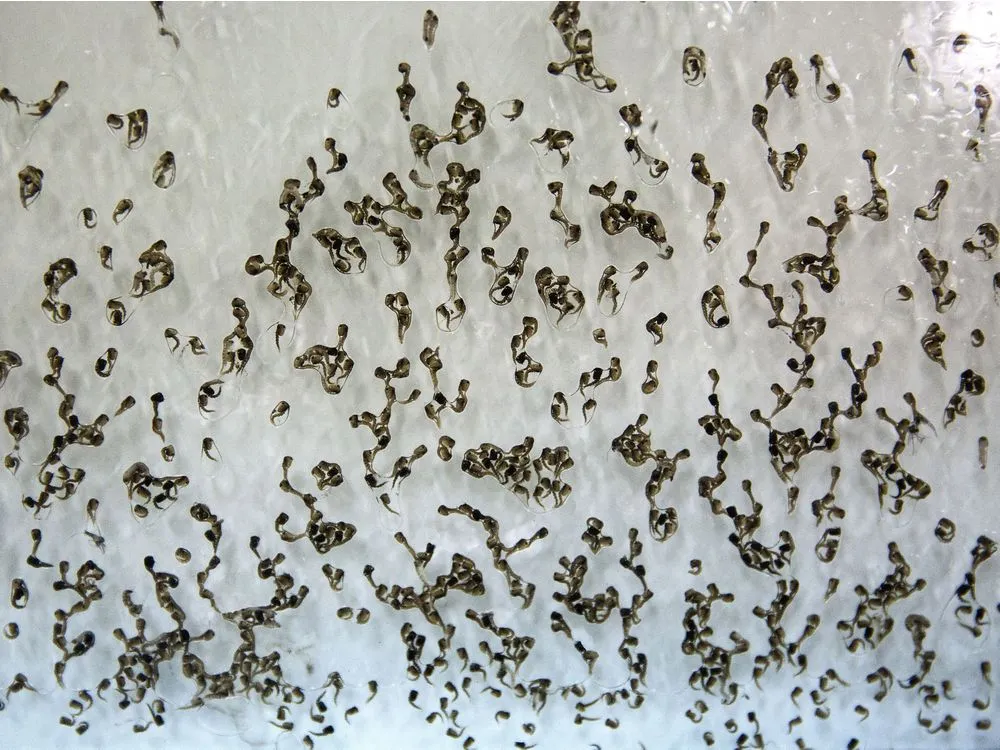
City crews are currently treating ditches, ravines, parks, and schoolyards with liquid larvicide derived from naturally occurring soil bacteria. It kills mosquito larvae specifically and is non-toxic to virtually everything else in the water. Health Canada has approved it. The city does not treat permanent water bodies like lakes or ponds only temporary habitats where larvae are developing in concentration before emerging as adults.
Edmonton's mosquito program has been running in some form since 1972. The city tracks larval development in near real-time using a network of automated rain gauges and field monitoring. When conditions are right it moves fast.

What is outside the city's control and inside yours
City crews cannot touch private property. Every bird bath, clogged eavestrough, uncovered rain barrel, and container holding standing water in a residential backyard is beyond their reach. That is where Culex pipiens thrives.
Jenkins is specific about what to do:
Empty and refill bird baths every two to three days larvae cannot complete development in that window. Put a screen over your rain barrel. Clean out your eavestroughs. Tip out any container that has held standing water for more than a few days planters, buckets, kids' toys, anything.
For personal protection while outside Jenkins recommends an oscillating fan directed across your deck or patio. Mosquitoes cannot land on you if a breeze even a variable one keeps disrupting their approach. DEET-based repellent remains the most effective personal protection available. Dawn and dusk are peak biting hours for most Edmonton mosquito species be prepared before you go out, not after you are already being eaten alive.
When to expect the peak
The first wave from June's rainfall has already started emerging. A second wave typically follows two to three weeks after significant rainfall as later-hatching eggs develop. Watch for biting activity to increase through early to mid-July.
For real-time updates on mosquito activity and larviciding operations across Edmonton visit edmonton.ca/mosquitoes.
Sources:
City of Edmonton, Mosquitoes program page and Mike Jenkins statements, June 2026 (edmonton.ca/mosquitoes)
City of Edmonton, Transforming Edmonton: How the City takes a bite out of mosquitoes interview with Mike Jenkins (transforming.edmonton.ca)
Pan et al., First record of Culex pipiens in Alberta, University of Calgary Faculty of Veterinary Medicine, published PubMed March 17, 2025 (pubmed.ncbi.nlm.nih.gov)








Comments
Conversation