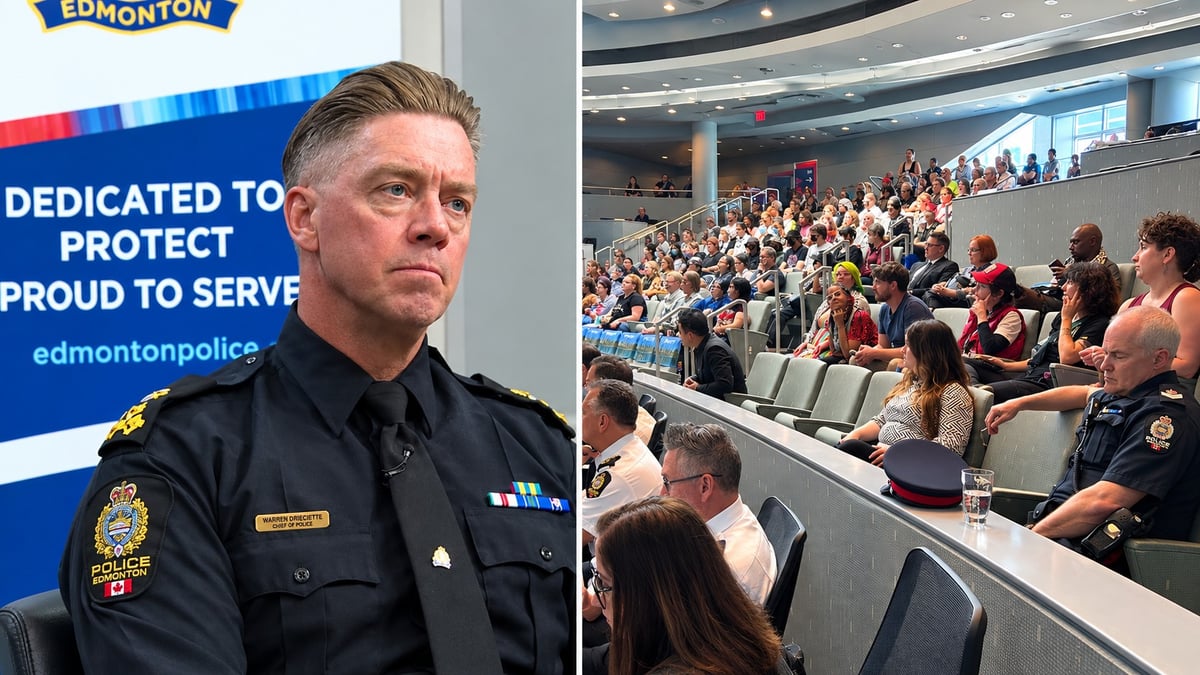
The Edmonton Police Commission will not hear from the public again this year.
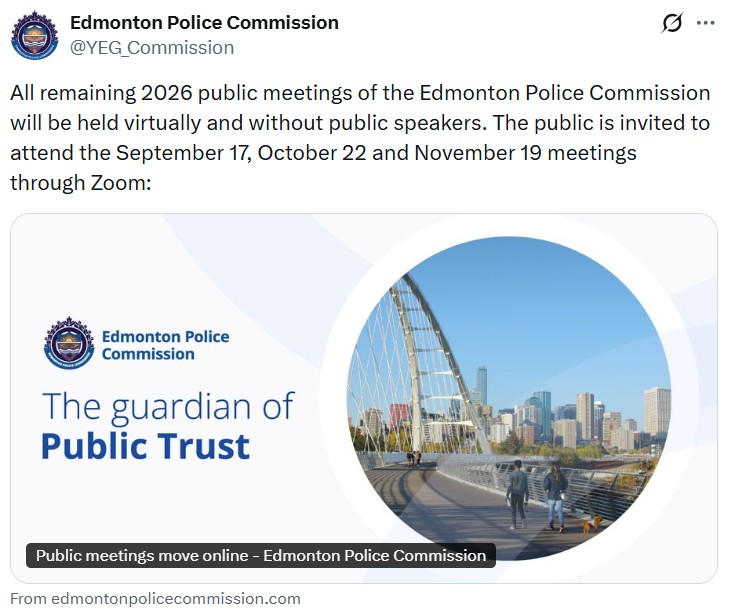
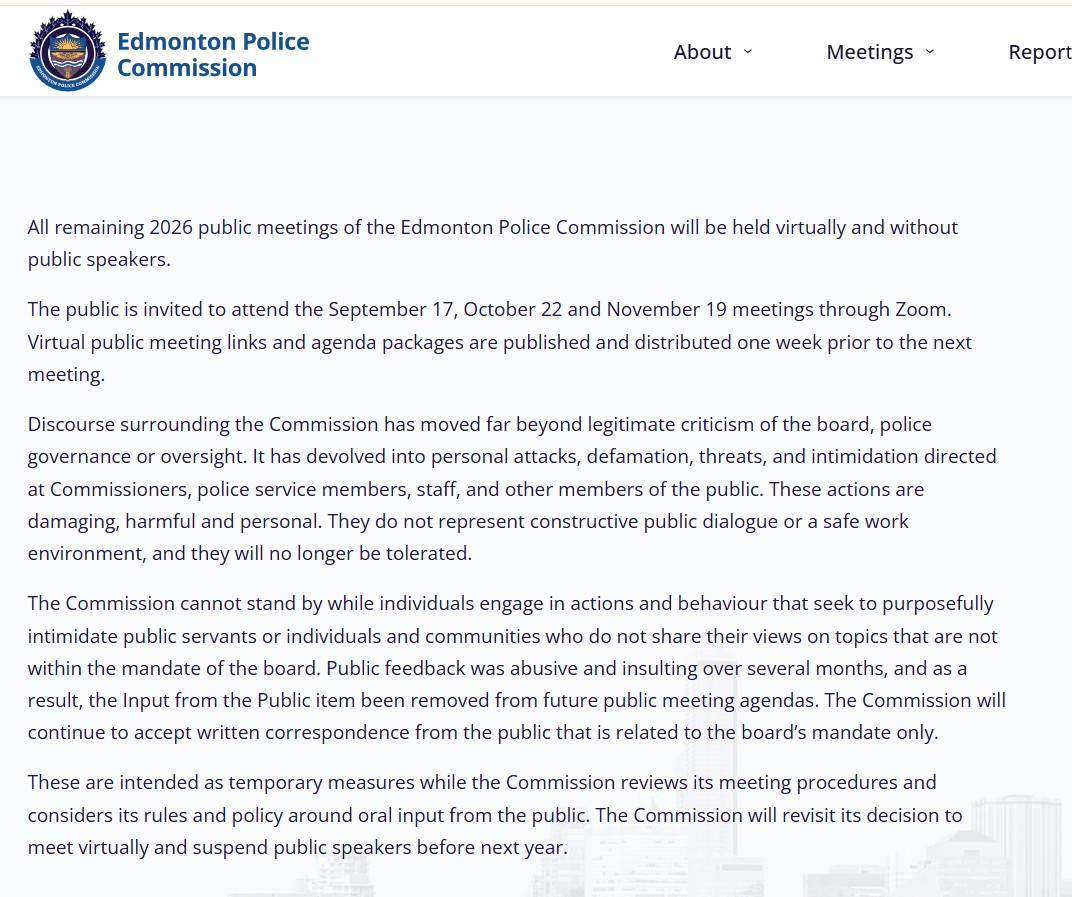
The oversight body announced Wednesday that its remaining 2026 meetings, on September 17, October 22 and November 19, will be held virtually via Zoom and will not include public speakers.
"Discourse surrounding the Commission has moved far beyond legitimate criticism of the board, police governance or oversight," the commission said in its statement, describing feedback as abusive and insulting over several months.
The decision is described as temporary and will be reviewed before next year. Written submissions will still be accepted.
What the chair says
Ben Henderson, the commission's chair, told CBC News the decision was about safety.
"They have chosen to defame and attack commissioners, staff, even more concerning, members of the public in the room," Henderson said. "We have tried everything we can to try and mitigate it."
"That room is not set up to protect people in ways that we felt were appropriate, and we needed to get to a point where everybody was safe."
He said the commission has reached a point "where commissioners no longer feel safe saying what they need to say and doing their job."
"The commission needs to be able to function with decorum, with some sense that the work that we're doing is what we're put there to do, unimpeded, and not being threatened by a few individuals who are wanting action on things that the commission has no ability to do anything about."
Asked for specific examples of the behaviour, Henderson declined to provide any.
What happened in July
The meeting that preceded this decision was heated, with speakers calling for Chief Warren Driechel to be fired.
The underlying issue is a trip Driechel took to Israel in February, as part of an international delegation of North American police executives. Henderson approved it. Several organizations signed an open letter denouncing the trip amid Israel's attacks on Gaza.
Driechel had signed an agreement with the U.S.-based Major Cities Chiefs Association to avoid political discussions during the visit.
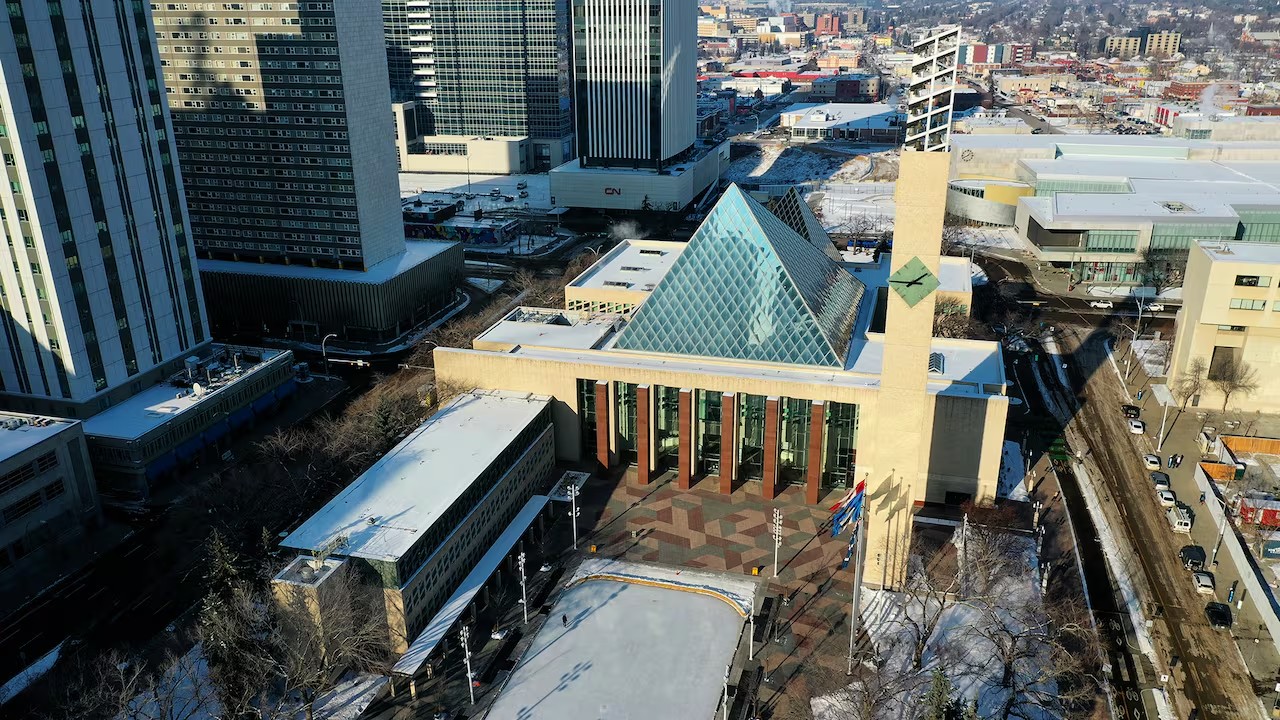
One speaker, Carly Perkins, was led out of the July meeting at City Hall after saying: "As the chief visited Israel and even had the pleasure of meeting with you-know-who's private security forces, we're not going to forget about this trip, Driechel."
What Perkins says her concern actually is
Perkins told Postmedia her issue is technological rather than only political.
She raised safety and ethical concerns about the Axon cameras tested by Edmonton police. CBC has reported that Axon's cameras used facial recognition technology from Israeli-based Corsight AI during the Edmonton test.
Perkins argues that connection makes the chief's trip a fair topic for a commission meeting.
"I thought the commission was there for the people to hold the police accountable," she said. "Where's the oversight? Who do we speak to when we have issues?"
She said the decision puts democracy at risk.
The critic used to sit on this commission
Dan Jones has been quoted across the coverage as a NorQuest College criminologist, which he is. He's also a former Edmonton Police Commissioner.
Jones resigned from the commission in January 2025, after the Edmonton Police Service asked the province to investigate two appointments to the body.
He says he reviewed the July meeting and has concerns about what the commission characterized as unsafe.
"It kind of flies in the face of community-based policing," Jones told Postmedia.
He argues public speakers bring forward information about community needs that police operations require, and that removing the component costs the service more than it saves.
"What's going to happen is people are going to start to see the police as less of a community organization, as less of an organization that's willing to be in conversation with communities," Jones said.
"It just reduces police legitimacy without any question or way to address that from the community. And that just unfortunately loses that piece of community policing which is vital to the way we police in Canada."
He said the department's response to concerns about the Israel trip has likely inflamed the relationship between police and community members, and that the commission hasn't adequately addressed it.
The commission's recent history
This isn't the first difficult stretch for the EPC.
The province launched a probe into appointments to the commission, citing alleged dysfunction. That followed the resignation of former chair John McDougall, who stepped down in mid-December after public controversy over his plan to remain on the oversight body until the end of 2026 while living in Portugal.
Henderson's appointment as chair followed McDougall's departure.
Jones's own resignation, in January 2025, came after EPS asked the province to investigate two appointments.
The other side of the argument
Nour Salhi, a MacEwan University student and spokesperson for the Palestinian Student Alliance, has attended several commission meetings including those where the Israel trip was discussed.
She said speakers became passionate and emotional at times, but that she didn't consider anything said to be abusive or insulting.
"It's unacceptable and frankly undemocratic," Salhi said. "The police commission is meant to be an overseeing body that serves the public, not the police."
"The decision is basically a statement to the public that the answer to legitimate criticism is to just not listen to it."
Henderson did not specify whose behaviour prompted the decision. Salhi said she believes it came about because of criticism of the police.
What the commission does
Police commissions exist as the civilian oversight layer between a police service and the public. In Alberta they're established under the Police Act, with responsibilities including setting policing priorities, overseeing the budget, and handling certain complaints about the chief.
The public speaking component is one of the few mechanisms through which residents can put something on the record with that body directly.
Written submissions remain available, and meetings can still be watched.
What happens next
The commission says it will review the decision before 2027.
The next meeting is September 17, on Zoom.
Sources
Edmonton Police Commission statement, September 2, 2026
Comments from Ben Henderson and Nour Salhi as reported by CBC News. Comments from Carly Perkins and Dan Jones, the July meeting details and the meeting schedule as reported by Postmedia. Commission appointment history and Jones's resignation as previously reported by CBC News and Global News.



Comments
Conversation