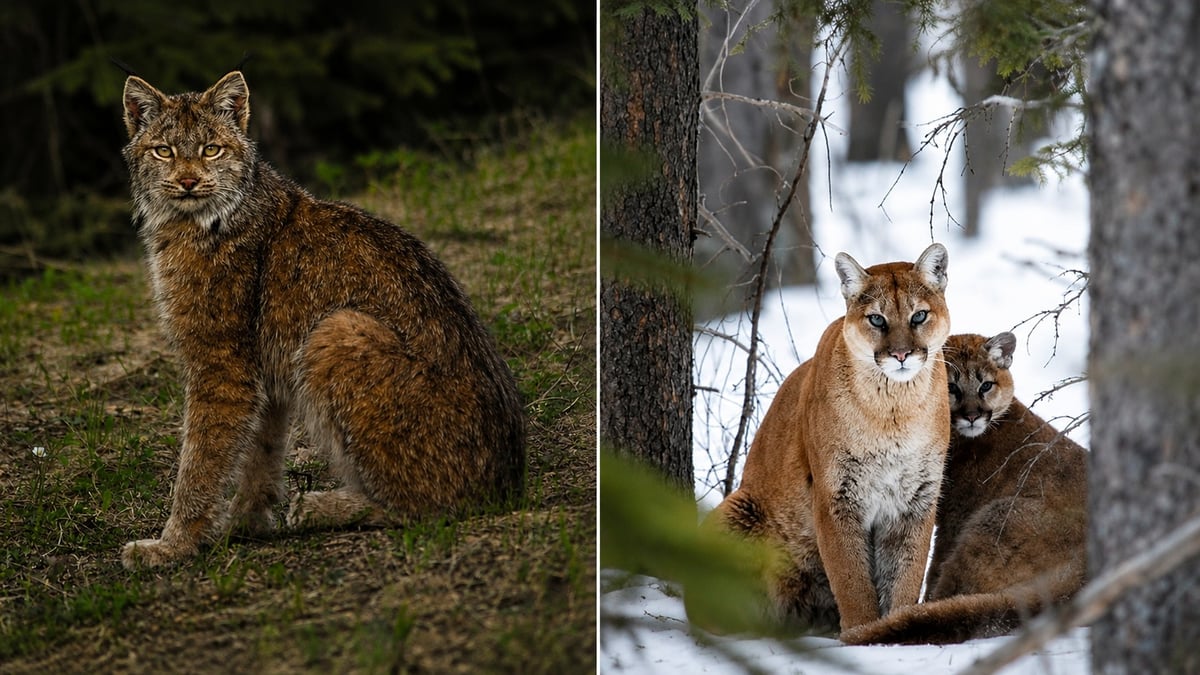
It started with a single cougar, killed after the season had closed.
Two years later, that one hunt near Drayton Valley has ended with eight people pleading guilty, more than $135,000 in fines, and 18.5 years of hunting prohibitions handed down across the province.
Alberta's Fish and Wildlife Enforcement Services announced the guilty pleas on July 14. The eight people admitted to 13 offences under the Wildlife Act, most of them tied to illegal hunts of cougars and Canada lynx across Alberta.
How one hunt became eleven
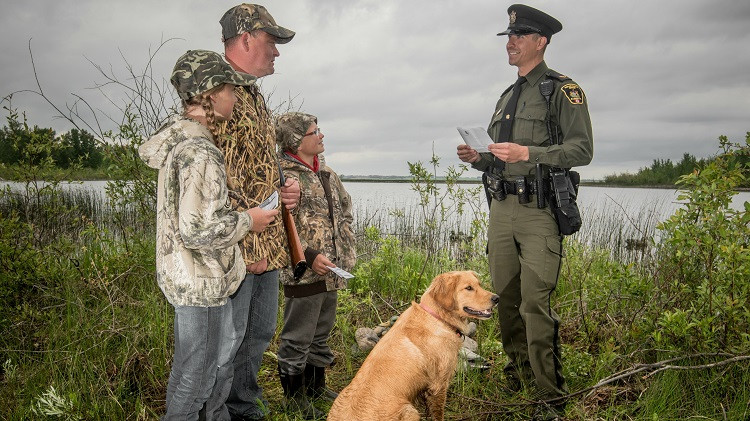
In January 2024, fish and wildlife officers opened an investigation into a closed-season cougar hunt involving Byron Stewart, the owner of Tracks N Trails Outfitting in Drayton Valley. Investigators confirmed that a resident hunter, guided by the outfit, had shot a male cougar after the season had ended.
That single confirmation was the thread. As officers pulled on it, the case grew.
By the time the investigation was done, they had uncovered evidence of 11 illegal guided hunts across Alberta. Eight involved non-resident hunters. Three involved Albertans. Search warrants executed in both Alberta and British Columbia turned up 11 cougar skins and skulls, along with five Canada lynx skins.
What they were charged with
The offences followed a pattern. Hunting cougars after the season had closed. Possessing illegally harvested wildlife. Using prohibited electronic calling devices during hunts. Hunting without valid licences.
Six Albertans pleaded guilty: Byron Stewart, Cindy Stewart and Devin Hyde of Drayton Valley; Jody Janzer of Kitscoty; Luke Viravec of DeBolt; and Garrett Patton of Worsley.
Two Americans pleaded guilty as well: Joshua Owens of New Braunfels, Texas, and Arnold Compton of Excello, Missouri.
The convictions added up to $135,500 in fines and a combined 18.5 years of hunting prohibitions and related court orders.
Why the electronic caller matters
One of the offences in that list is easy to skip past, and it's worth pausing on, because it goes to how these hunts worked.
Electronic calling devices broadcast recorded animal sounds, often the distress cries of prey, to lure a predator into range. For a cougar or a lynx, a solitary and hard-to-find animal, a caller removes much of the skill and effort that hunting regulations are built around. They are prohibited for exactly that reason. Using one turns a difficult hunt into a far easier kill, which is part of what allows a guided operation to run illegal hunts at volume rather than one at a time.
That the case involved 11 hunts, several for out-of-province clients, points to a guided operation, not a lone hunter making a mistake in the field.
Why Alberta cares about cougars and lynx
Illegal hunting is not a victimless offence, and Alberta's own framing is blunt about why.
Cougars and Canada lynx are managed through quotas and defined seasons precisely because their populations can't absorb unlimited pressure. When animals are taken out of season or over quota, it throws off the counts that wildlife managers rely on to set sustainable limits. The province's position is that poaching contributes to overharvesting, harms wildlife populations, and ultimately reduces opportunities for law-abiding hunters, because the response to a depleted population is tighter quotas and shorter seasons for everyone.
In other words, the hunters who follow the rules end up paying for the ones who don't.
The bigger debate this sits inside
Poaching is one of the few things nearly everyone agrees on. Hunters and animal-rights groups alike condemn illegal, out-of-season, and over-quota killing. But the case sits near a deeper disagreement: whether cougars and lynx should be hunted at all.
Hunters argue regulated hunting is part of conservation, not opposed to it. Licence and tag fees fund wildlife management and habitat protection, and quotas are designed to keep populations sustainable. On this view, the law-abiding hunter supports the system and the poacher undermines it, which is roughly how the province frames it too.
Animal-rights advocates reject the premise entirely. Groups like the Vancouver Humane Society have long argued there's no ethical justification for killing a cougar or lynx for a skin and skull, and that "conservation through hunting" rationalizes a practice they see as cruel.
Both sides can point to this case. To hunters, it's proof the system catches rule-breakers. To critics, 11 cougar skins and five lynx skins is a snapshot of something they'd end regardless. The law permits regulated cougar and lynx hunting in Alberta. What it doesn't permit is what these eight people did.
How these cases usually start
Wildlife investigations like this one frequently begin with a tip.
Alberta runs a 24-hour Report A Poacher line at 1-800-642-3800, and reports can also be filed online at alberta.ca/report-poacher.aspx. Tips can be made anonymously, and information that leads to a conviction may qualify for a reward.
That line exists because wildlife officers can't be everywhere, and a lot of poaching happens in remote country with no witnesses but the people involved. The cases that get solved often get solved because someone said something.
Sources:
Government of Alberta, "Guilty pleas reached in illegal hunting investigation," July 14, 2026 (alberta.ca)
Alberta Fish and Wildlife Enforcement Services
Alberta Wildlife Act








Comments
Conversation