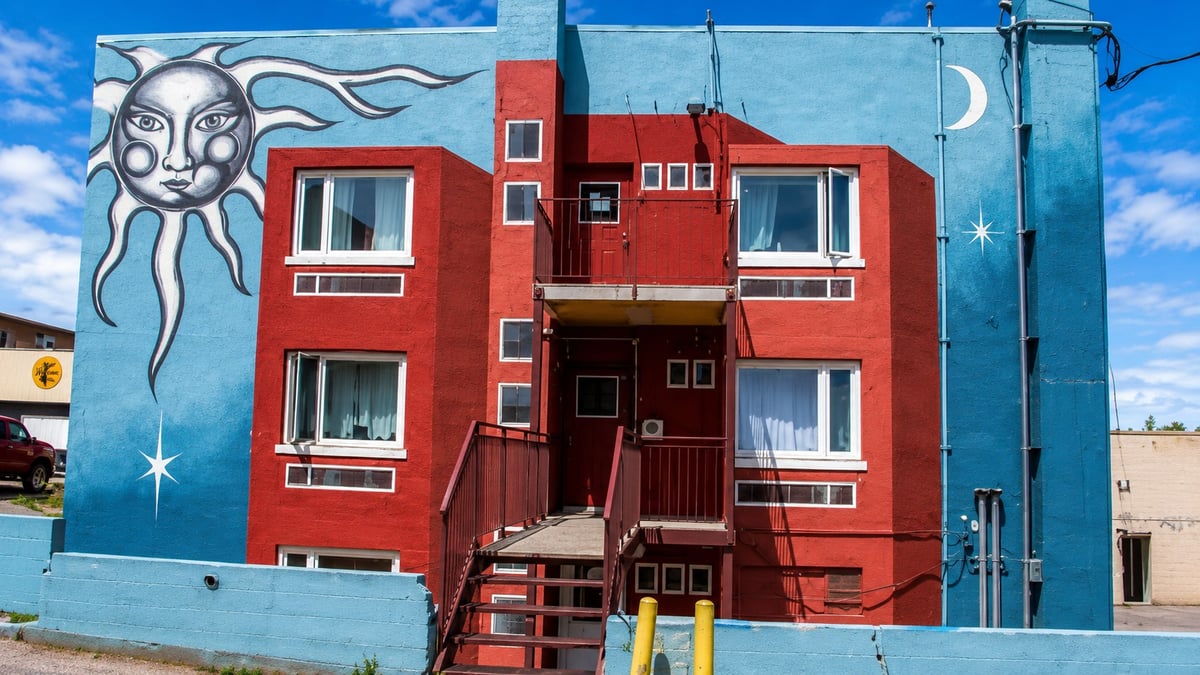
Medicine Hat is handing over a piece of city land that has sat unused for decades so it can become affordable housing for Indigenous Elders.
At its July 6 meeting, city council voted unanimously to donate the property at 301 Spencer Street SE to the Miywasin Friendship Centre for the Miywasin Seniors Housing Project. The plan is a 16- to 20-unit affordable and subsidized independent-living community built specifically for Indigenous Elders in the Medicine Hat area.
What's being built
The project is an independent-living community, not a care facility, meant to give Indigenous Elders a comfortable, affordable place to live on their own. It will sit on a 1.3-acre parcel of surplus municipal land on Spencer Street SE, in the city's southeast.
The Miywasin Friendship Centre, a non-profit Indigenous organization that has served the Medicine Hat area for years with Elder and youth programming, cultural events, housing, and counselling supports, will own and operate it.
The money, and why the city is paying itself
Council approved donating the land at a reduced price, and separately approved transferring $412,000 from capital reserves to the city's Land and Real Estate department. That figure is the parcel's fair market value, based on a 2025 assessment.
The transfer might look odd at first, the city paying itself, but it's a bookkeeping requirement. City policy says the land budget has to be kept whole when property is sold to a non-profit below market value, so the $412,000 compensates the land department for giving the parcel away. It does not change the fact that Miywasin is getting the land for a nominal amount.
The reason the ownership matters comes down to grants. Miywasin needs the title in its own name to apply for provincial and federal housing funding, including the Indigenous Housing Capital Program and the Community Opportunity Readiness grant through Indigenous Services Canada. Those grants are how the construction itself will be paid for, not by the city. Miywasin has already demonstrated funding sources for roughly two-thirds of the project.
The land has a long history of doing nothing
The parcel is not new to the city's books. Medicine Hat bought an adjacent house on the site back in 1979, demolished it in 2022, and has done servicing work since. Over the years the city has spent roughly $61,500 on the property while collecting no tax on it, because it owned and sat on it.
That was part of the argument in favour of the donation: the land has been underused for decades, generates no revenue, and costs money to hold. Putting it toward housing turns a long-standing liability into something the city's own wellbeing plan calls for.
"It's property that has been underutilized for years, so we're not getting any tax on it now," Coun. Bill Cocks said when the request went through committee. "It will fill an important need in our community."
The catch: a buy-back clause and hard deadlines
The donation is not unconditional. Council attached a buy-back clause that gives Miywasin a firm set of deadlines, and the ability for the city to take the land back for $1 if they're missed.
Under the terms, Miywasin has 24 months to secure its government grants, 12 months to obtain development permits, and must start construction within 18 months of getting those permits. In practical terms, that puts shovels in the ground by 2028. If the non-profit can't line up the funding or move the project forward in those windows, the city can repurchase the parcel for a single dollar and the land reverts to municipal hands.
It's a standard protection on this kind of deal: the city gets to support the project while making sure the land doesn't sit empty for another decade if the funding falls through.
How it fits Medicine Hat's housing picture
This is not the only affordable-housing project moving on and around Spencer Street. We've covered the city's broader push on affordable housing in the area, and administration has pointed to adding seniors housing as part of Medicine Hat's 10-year wellbeing plan, which aims to reduce poverty partly by putting unused city land to work.
There's also precedent for this specific project. A previous council supported a similar budget request for Miywasin back in 2010, though it did not proceed at the time. This approval revives the idea with terms designed to see it through.
What happens next
The immediate step is transferring the land title to Miywasin so it can start applying for the construction grants it still needs. From there, the clock on the buy-back deadlines begins: permits, funding, and a construction start targeted for 2028.
For Indigenous Elders in Medicine Hat, the payoff is 16 to 20 units of affordable, culturally grounded independent living on a piece of land that has produced nothing for the city for nearly 50 years.
Sources:
City of Medicine Hat, Council Highlights, July 6, 2026 (medicinehat.ca)
City of Medicine Hat, Energy, Land and Environment Committee materials and staff comments from Randi Buckner, manager of land and real estate
Statements from Coun. Bill Cocks
Miywasin Friendship Centre / Miywasin Society of Aboriginal Services (Medicine Hat)
Culture Alberta, our earlier coverage of affordable housing in the Spencer Street area



Comments
Conversation