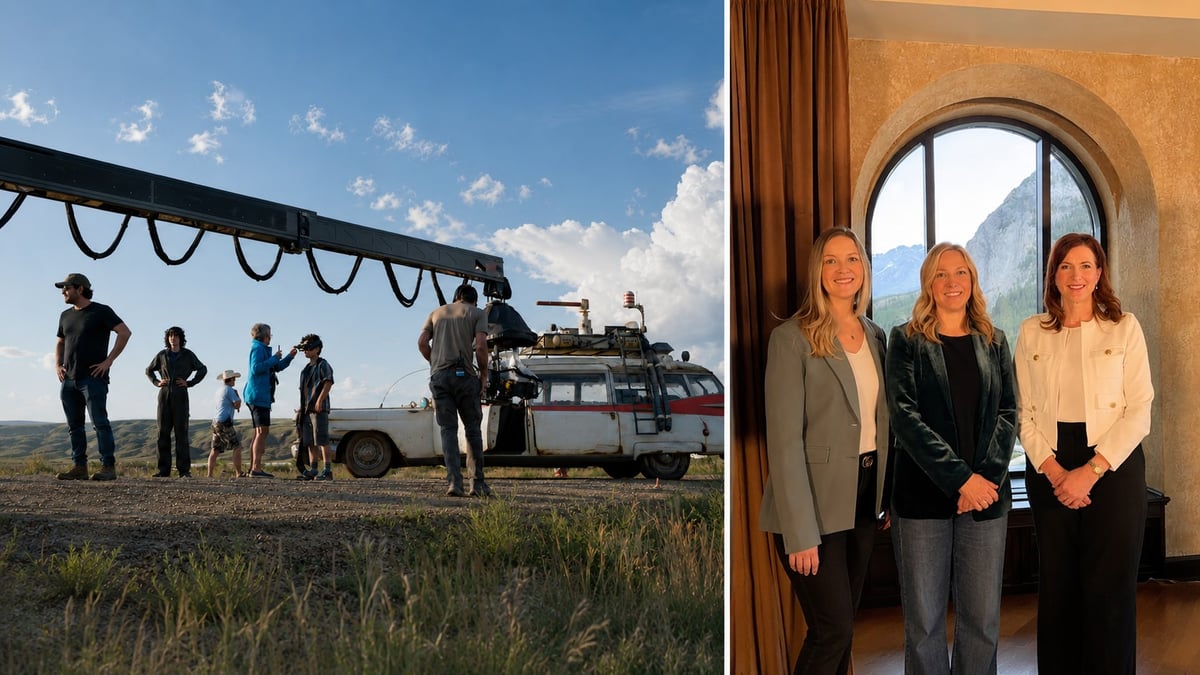
The Last of Us was filmed in Alberta. So was Ghostbusters: Afterlife, Die My Love, and Reminders of Him. Netflix, Amazon MGM, and Sony Pictures all had representatives at the Banff World Media Festival this week and Alberta's government just committed $65 million to make sure that list keeps growing.
The announcement came June 17 at the festival in Banff, which brings together more than 1,500 creators, producers, and industry leaders from more than 50 countries. Two structural changes came alongside the funding and one of them opens a door that has been closed since the program began.

What Alberta is spending
The Film and Television Tax Credit receives $60 million through Budget 2026. This is Alberta's primary tool for attracting major productions a tax credit that reduces the effective cost of filming here compared to other jurisdictions.
The Alberta Media Fund receives $8 million for locally produced books, magazines, music, film, and television. Within that, $5.4 million goes specifically to Alberta film and television creators through the Alberta Made Screen Industries Program which funds production grants, post-production and visual effects work, and project and script development.
Since the Alberta Made Production Grant launched in 2020, it has supported 117 productions with $7.7 million in grants, generating an estimated $31 million in spending across the province.
The change that matters most: unscripted TV is now eligible
Before this announcement, Alberta's Film and Television Tax Credit only applied to scripted productions dramas, comedies, films. Reality shows, cooking competitions, dating series, docuseries, home renovation programming, true crime none of it qualified. That exclusion had a direct cost. When a production company runs the numbers on where to film a cooking competition and Alberta offers no credit while British Columbia does, the production goes to BC.
Unscripted is the fastest-growing production category globally. Netflix, Amazon, and Disney greenlight hundreds of unscripted projects every year far more than scripted drama. Most shoot faster and at lower budgets, but the volume is what matters. Five unscripted productions at $10 million each generate the same economic activity as one scripted drama at $50 million, with more Alberta crew working more consistently throughout the year.
That category is now eligible in Alberta for the first time.
What Alberta competes against and why the gap is closing
British Columbia has dominated Canadian film production for decades. Vancouver is sometimes called Hollywood North. BC's basic film tax credit sits at 28 percent of eligible labour costs for foreign productions. Ontario is second with its own competitive incentives and Toronto's deep studio infrastructure.
Alberta has been third and closing. Alberta's FTTC offers a 22 percent basic credit for foreign productions, with an additional 8 percent available for productions filming outside the Calgary-Edmonton corridor. That pushes the effective credit to 30 percent for rural Alberta productions above BC's basic rate.
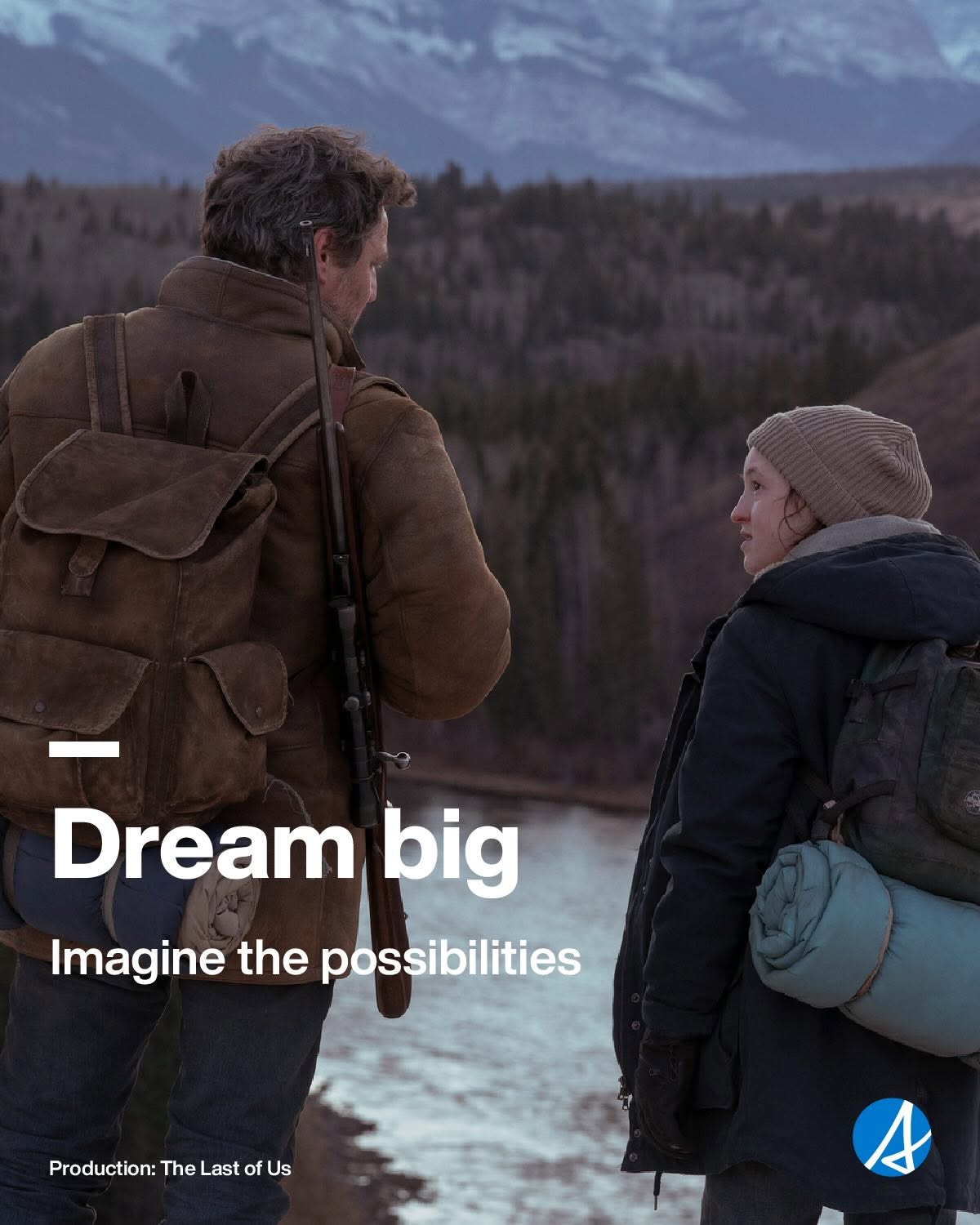
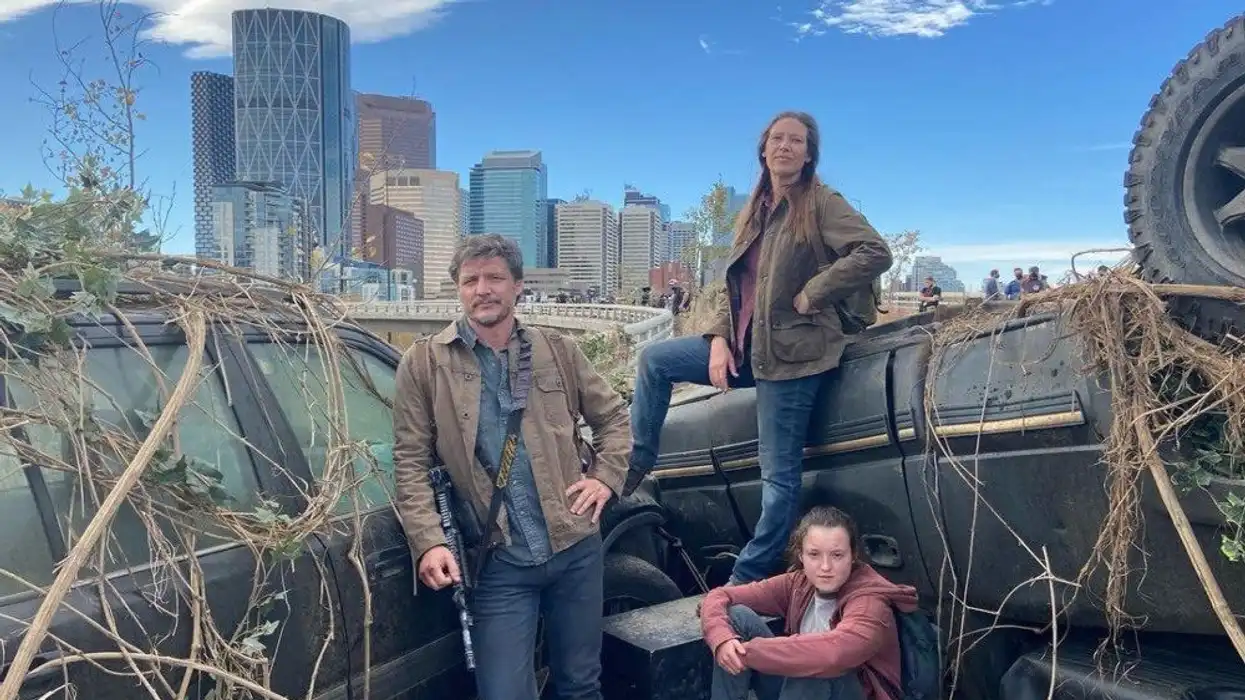
The Last of Us filming in Calgary rather than Vancouver was not an accident. The production ran the numbers, assessed crew availability, looked at the landscape, and chose Alberta. That single decision generated hundreds of millions in provincial economic activity across two seasons and built infrastructure that remains.
The $60 million Budget 2026 commitment signals Alberta is not backing off that competition.

What the numbers show
Since 2020, more than 380 productions have been supported through the FTTC and Alberta Media Fund. Those productions generated more than $1.6 billion in spending, contributed an estimated $933 million to provincial GDP, and supported more than 16,000 jobs. Every dollar the government invests generates four dollars in economic activity.
More than 60 percent of Alberta-made productions have filmed or plan to film in small cities, towns, or rural locations outside Calgary and Edmonton. The economic benefit location fees, crew accommodation, local hiring, catering reaches communities across the province, not just the two major cities.
Why Alberta's landscape is the silent advantage
Tax credits explain why productions choose Canada. They do not fully explain why they choose Alberta over BC or Ontario.
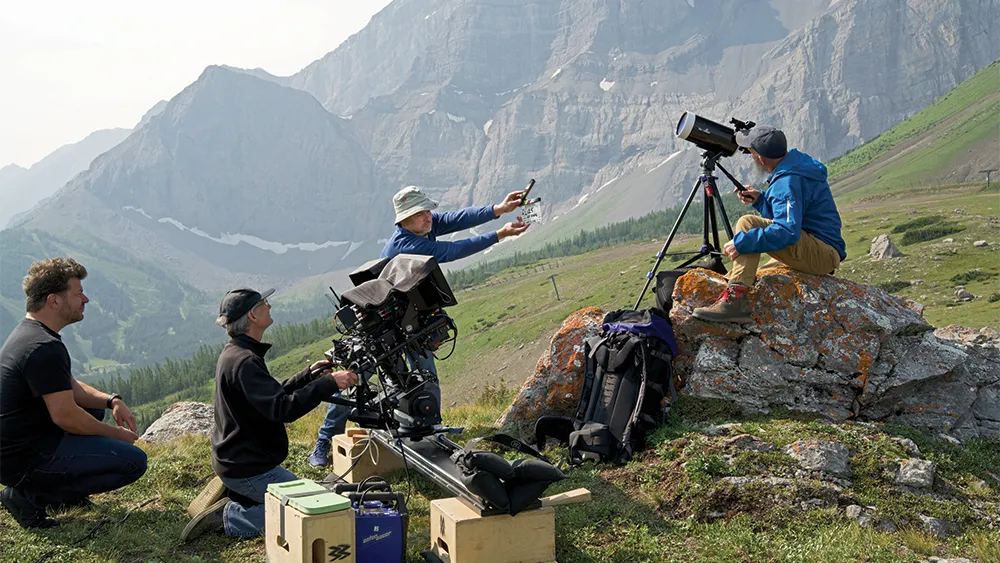
The landscape does. Alberta can double for almost any terrain mountains, prairies, badlands, dense forests, small towns, and urban environments are all within driving distance of Calgary or Edmonton. Productions that need visual variety without relocating to multiple provinces keep coming back to Alberta for that reason.
The Last of Us used Calgary as post-apocalyptic Boston, Kansas City, and Wyoming simultaneously. Ghostbusters: Afterlife used the prairies near Crossfield to create its fictional Summerville, Oklahoma. Productions do not just film in Alberta they use Alberta to be somewhere else entirely, and the range of what the province can double for is nearly limitless.
What the Banff World Media Festival is
The Banff World Media Festival has been running since 1979 and is one of the most significant content industry events in the world. This year it brought 1,500 attendees from more than 50 countries, including decision-makers from the major streaming platforms, broadcasters, and production companies that decide where content gets made.
Alberta hosting the festival is a competitive advantage in itself the province makes its pitch to the entire global industry in one place, on home turf, while showing attendees the landscape and infrastructure firsthand. This year's attendance by Netflix, Amazon MGM, and Sony Pictures signals that pitch is landing.
Sources:
Government of Alberta news release, Alberta plays a starring role, June 17, 2026 (alberta.ca)
Government of Alberta, Film and Television Tax Credit (alberta.ca/film-television-tax-credit)
Government of Alberta, Alberta Made Screen Industries Program (alberta.ca/alberta-made-screen-industries-program)
Banff World Media Festival, About the Festival (banffmediafestival.com)



Comments
Conversation