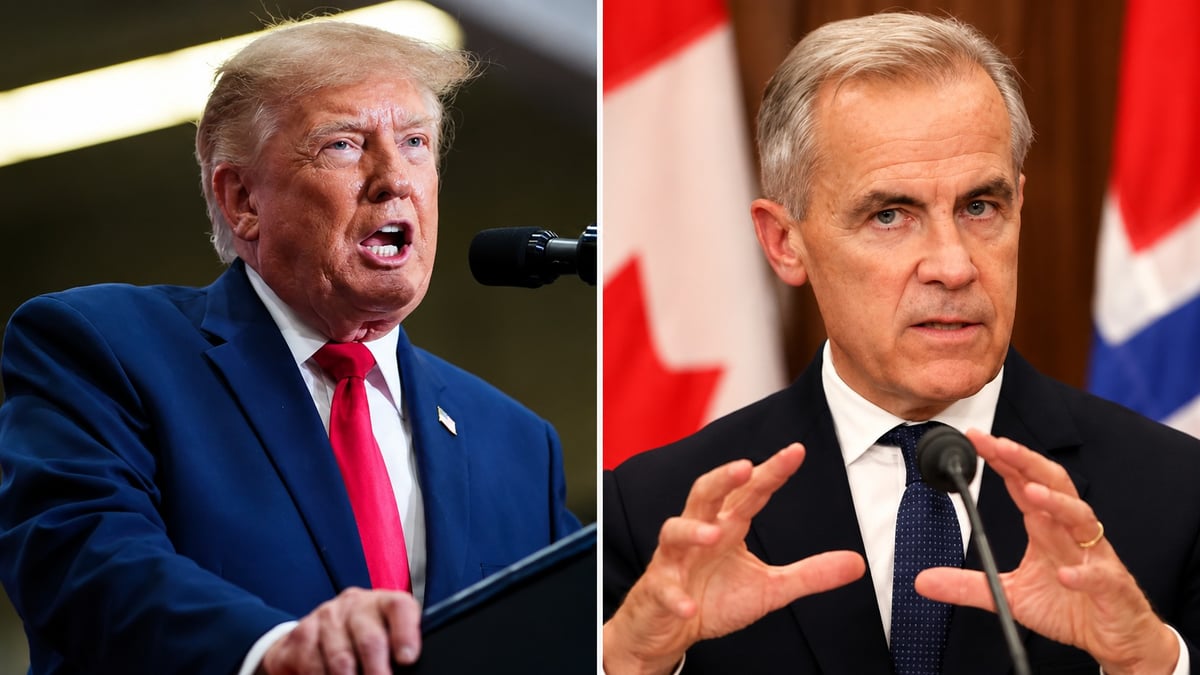
Donald Trump says Canada is ready to make major concessions to end the trade war, and that it’ll be settled “pretty soon.”
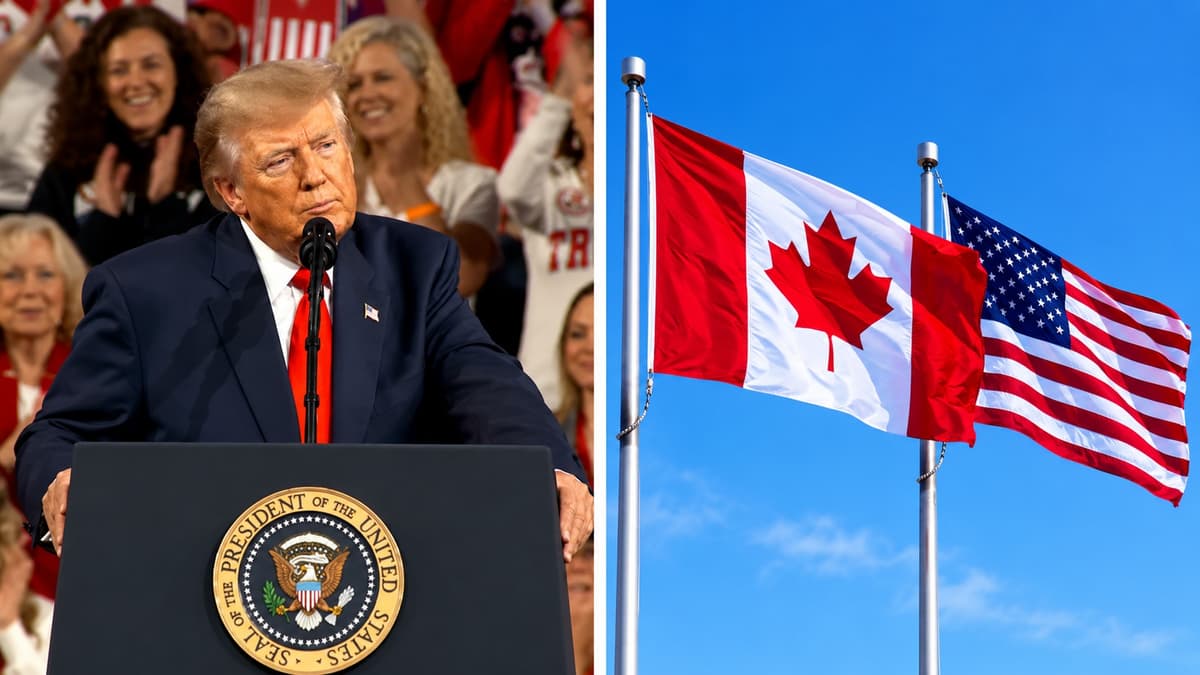
At a campaign rally in Port Huron, Mich., on Sunday, Oct. 25, the U.S. president said Canada had been taking advantage of the U.S. for years.
“Canada has been ripping off the United States for years, OK? For years. And I had to do it,” Trump said. “We’ll have that settled pretty soon. They’re willing to give us anything at this moment.”
He didn’t say what Canada had supposedly offered, or when a deal might come.
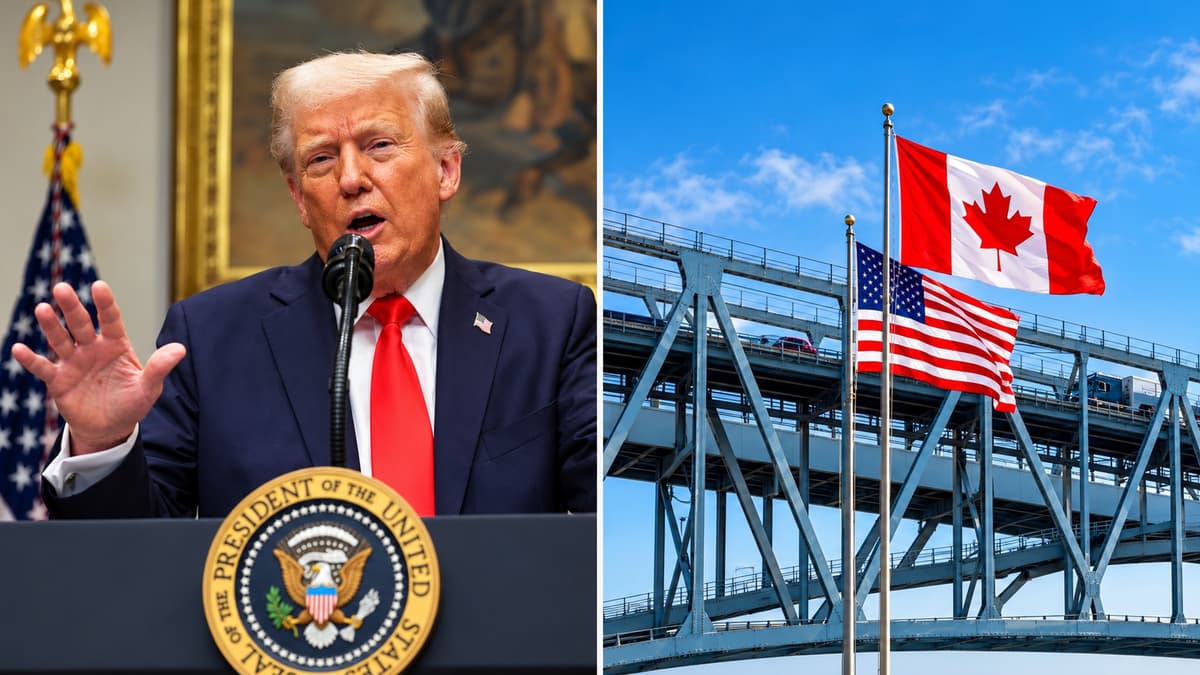
Port Huron sits across the St. Clair River from Sarnia, Ont. It’s a border town where jobs depend on trade between the two countries.
Canada says talks are continuing
Ottawa’s response was much more cautious.
A spokesperson for Canada-U.S. Trade Minister Dominic LeBlanc said the two countries “remain in constructive dialogue” on a “range of priorities.” Canada is ready to work on a deal that’s good for both sides, the spokesperson said, as long as it “respects Canada’s interests.”
The statement didn’t back up Trump’s claim that Canada is ready to give up whatever the U.S. wants.
White House economic adviser Kevin Hassett said Sunday the two sides are “very close.” But formal negotiations haven’t resumed since August.
That’s when Prime Minister Mark Carney’s government walked away from the talks, over what Carney called unreasonable last-minute American demands. More U.S. tariffs followed, and Ottawa answered with its own.
Trump keeps saying Canada gets an unfair deal from the U.S., even though he negotiated the current Canada-U.S.-Mexico Agreement in his first term.
Neither government has announced an agreement or a date to restart talks.
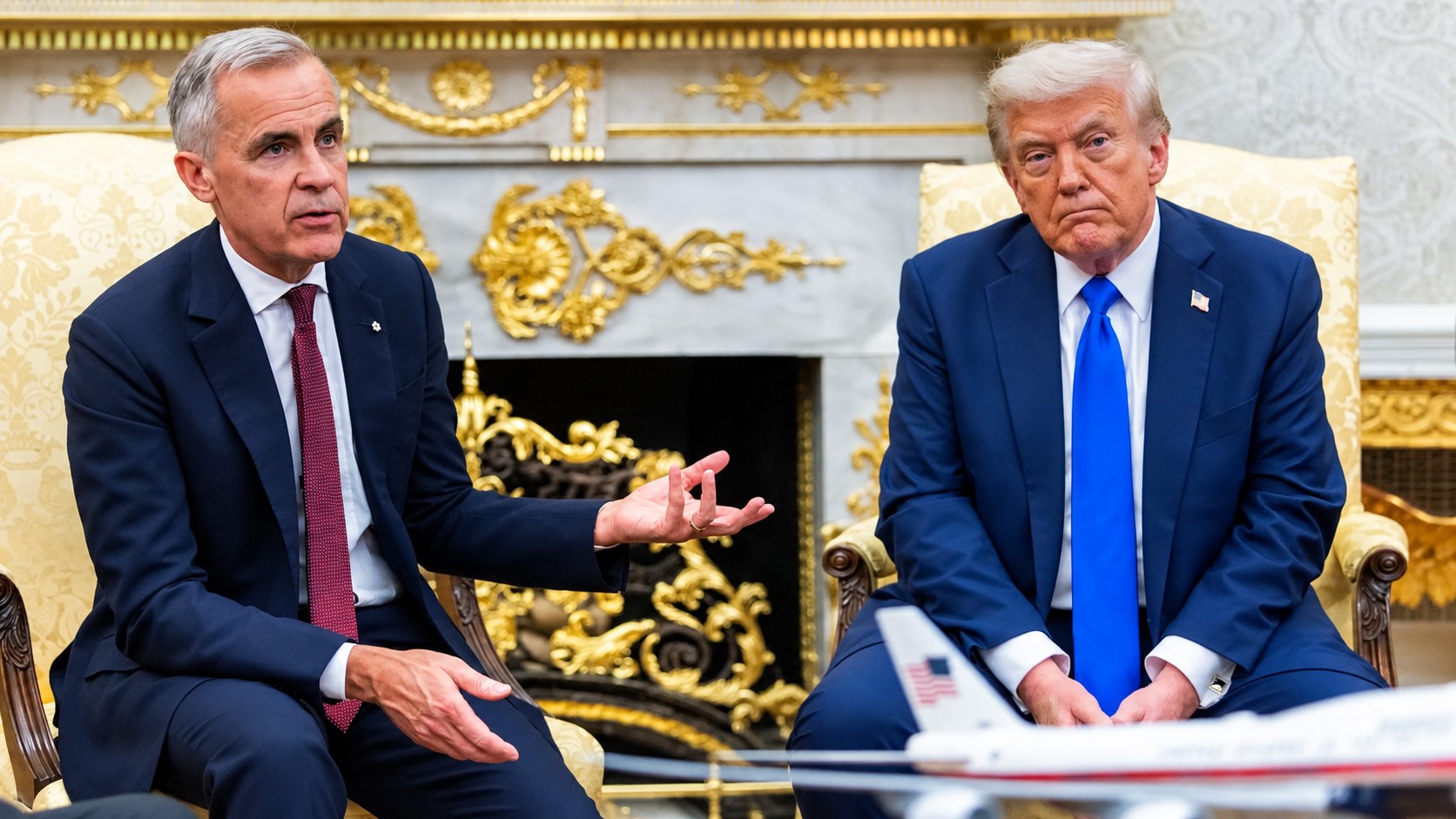
What changes on Oct. 30
There is one confirmed change coming.
On Friday, Oct. 23, Trump signed a proclamation changing which Canadian products face the extra 50 per cent tariffs under Section 338 of the Tariff Act of 1930. The changes take effect Oct. 30.
According to the White House, these come off the list:
Plywood sheets
Certain paper products
Some machinery and refrigeration equipment
Certain packing crates and boxes
These go on:
Certain valves
Carpets
Waste products. The Canadian Press reported this includes Canadian garbage and sewage.
The White House says the Section 338 tariffs apply even to goods that qualify under CUSMA, and they can be added on top of other U.S. tariffs.
So Oct. 30 isn’t the end of the tariffs. Some exporters get relief. Others get hit with new costs.
Why a Maine senator is part of the story
The exemptions followed pressure from Maine Republican Sen. Susan Collins, whose state borders Canada.
Collins had raised the toll on Maine businesses and farmers with the Trump administration. Her office pointed to wild blueberry growers who rely on specialized harvesting boxes made in Canada.
She’s up for re-election in November in a tight race, so Democrats say the timing is political. Oregon Sen. Ron Wyden called the exemptions an “11th hour attempt” to save Collins’s career.
The White House says the changes serve U.S. economic interests while still responding to what it calls discriminatory Canadian trade practices.
Why Michigan
Michigan’s auto industry runs on parts and vehicles that cross the border, sometimes several times. That’s made the tariffs a real issue in the state ahead of the Nov. 3 midterm elections.
It’s even split Republicans. Mike Rogers, the party’s Senate candidate in Michigan, called for an end to the Canada trade war earlier this month. He was at Sunday’s rally.
Trump used the rally to defend his tariffs. He pointed to new manufacturing investment, including what he said was a big expansion by truck maker Peterbilt in Texas.
A month of Canada comments on the U.S. campaign trail
Trump’s latest remarks come after a run of high-profile comments about Canada.
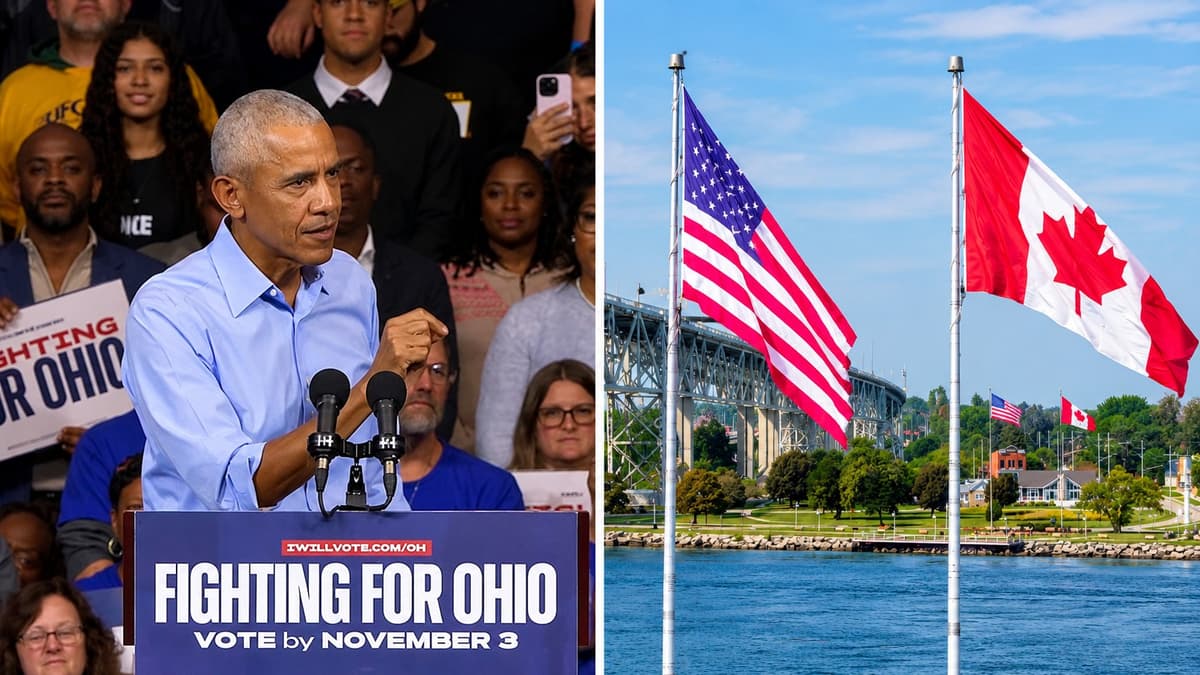
On Saturday, Oct. 24, Barack Obama mocked the trade war at a rally in Detroit. He called Canada “that well-known evil empire” and said, “They’re so nice. And somehow we’ve gotten them so mad.”
On Oct. 20, Bill Clinton said the U.S. is treating its allies “like they’re dirt.” He called Carney “about the most well-qualified leader in the world” and pushed back on the 51st-state talk.
On Oct. 19, Trump told a Kansas rally Canada could keep hockey and O Canada if it became the 51st state, then said he was “only kidding.” The next day, a New Jersey food importer sued to have his Canada tariffs declared illegal.
On Sept. 30, Trump said Canada was being “taught a little lesson.” Around the same time, an AP-NORC poll found just 26 per cent of Americans still call Canada a close ally, down from 62 per cent in 2023.
In under a month, Trump’s message went from “a little lesson” to “they’re willing to give us anything.”
What a deal could mean for Alberta
Alberta has a lot riding on this.
The U.S. is the province’s biggest export market, and crude oil makes up a large share of what Alberta sells there. Natural gas, farm products, chemicals and manufactured goods go south too.
Not all of those products face the same U.S. tariff rules. Energy is treated differently from some of the manufactured goods targeted in recent measures. But the uncertainty still matters for Alberta businesses deciding whether to invest, hire or sign long-term contracts.
A real deal could clear some of that up, depending on what’s in it. A deal that leaves big restrictions in place wouldn’t put things back the way they were.
Is the trade war really close to ending?
Trump says it is. Ottawa says talks are continuing, but there’s been no breakthrough. The White House hasn’t given a timeline.
The next confirmed step is Oct. 30, when the new tariff list takes effect. Americans vote four days later.
Until the two governments announce a deal, the trade war continues.
Sources
The White House, fact sheet on modifications to Canadian products subject to Section 338 tariffs, Oct. 23, 2026: https://www.whitehouse.gov/fact-sheets/2026/10/fact-sheet-president-donald-j-trump-further-modifies-canadian-products-subject-to-tariffs-under-section-338/
The White House, presidential proclamation modifying Canadian products subject to additional duties, Oct. 23, 2026: https://www.whitehouse.gov/presidential-actions/2026/10/further-modifying-the-scope-of-products-of-canada-subject-to-the-additional-duties-imposed-to-offset-canadian-discrimination-against-the-commerce-of-the-united-states-with-respect-to-motor-vehicles/
AP-NORC Center for Public Affairs Research, September 2026 survey: https://apnorc.org/projects/most-blame-president-trump-for-higher-prices-and-are-unhappy-with-how-he-is-handling-the-economy/




Comments
Conversation