If you’ve been turned away at an Alberta registry because you couldn’t produce the right document, you may finally be able to renew.
Starting Thursday, Nov. 19, Alberta is adding three exemptions for people who can’t get the paperwork the new licence rules require, for reasons outside their control. The same exemptions apply to ID cards starting Monday, Dec. 7.
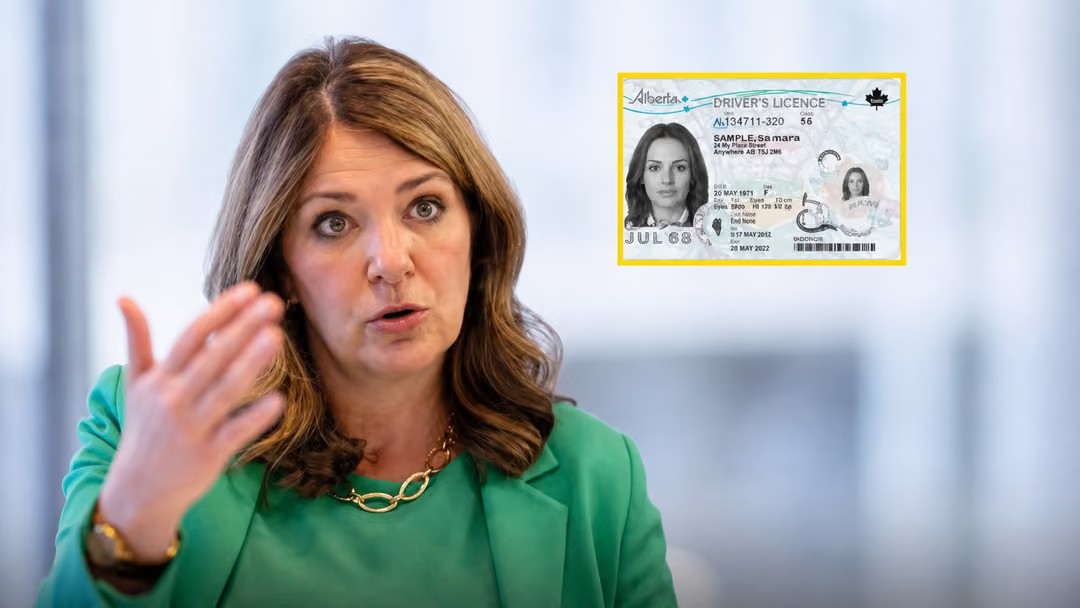
About 3,000 Albertans haven’t been able to renew because they can’t prove their citizenship, Premier Danielle Smith said on her weekend radio show.
“We can’t have 3,000 people not able to get government issued ID,” Smith said.
Why people were getting turned away
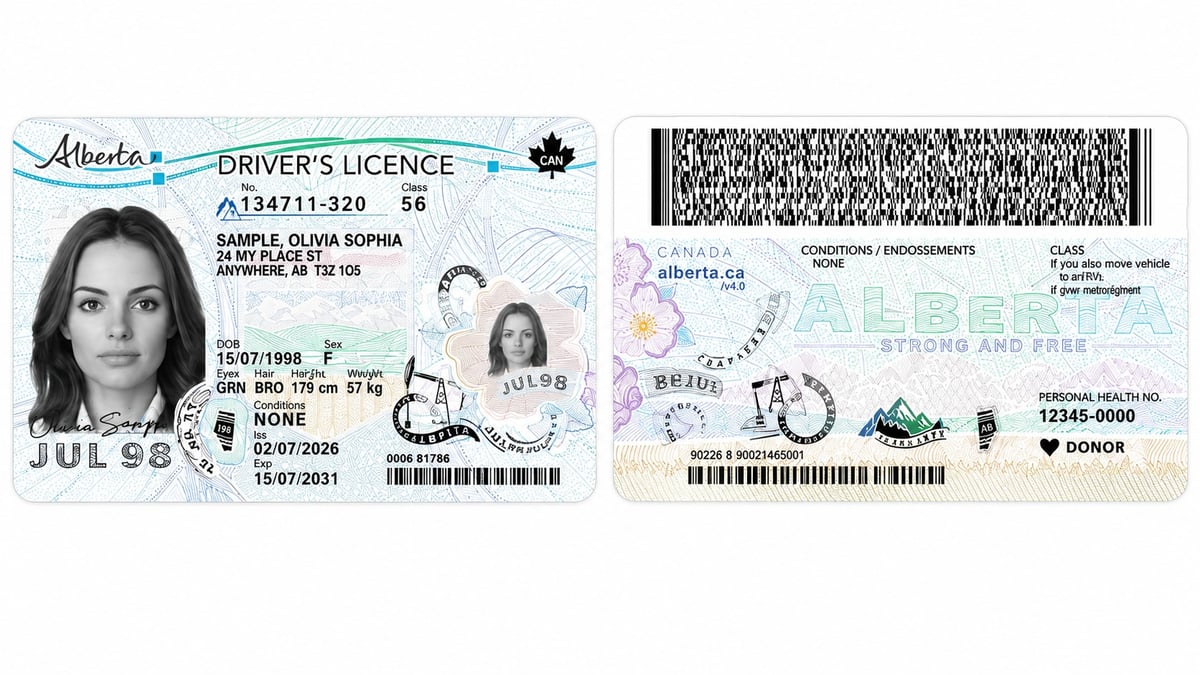
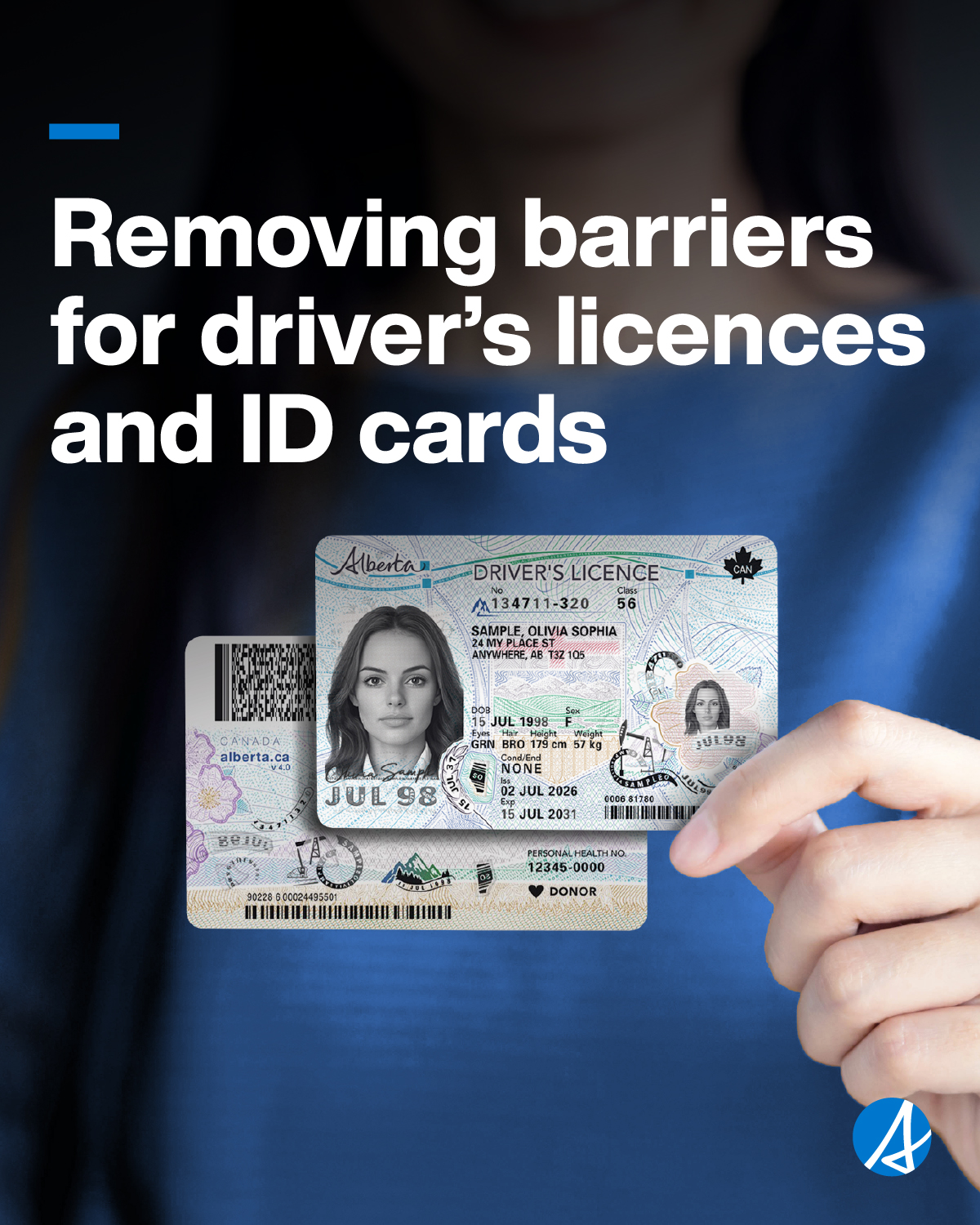
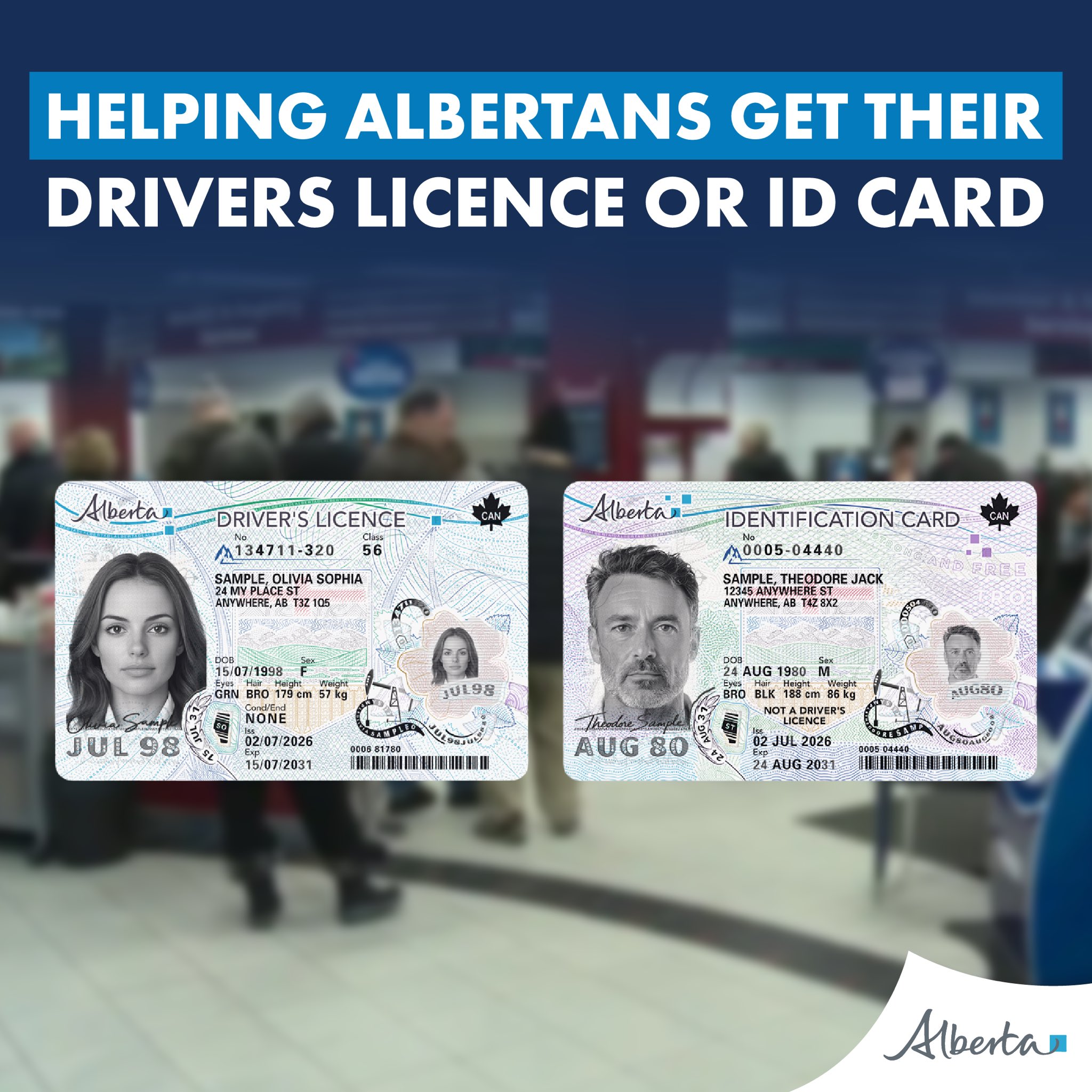
On July 2, Alberta rolled out new three-in-one licences and ID cards. They carry your personal health number and, for citizens, a “CAN” citizenship marker. Alberta is the first province to put citizenship on its licence, and the only one to make it mandatory.
To get one, you have to prove you’re legally entitled to be in Canada, with a birth certificate, a valid or recently expired passport, a citizenship certificate or a NEXUS card. You only need to do it once.
That’s where it went wrong for many people. Women whose married name was on their licence, but whose birth certificate showed their maiden name, were told to come back with their original marriage certificate. Some had to pay for a new copy, if they could find the records at all.
Others were stuck waiting on Ottawa. One caller told Smith he had applied to the federal government for new proof of citizenship and could be waiting up to three years.
Registries were swamped too. Traffic in July was up 33 per cent over July 2025, the Edmonton Journal reported.
The 3 exemptions
The exemptions are for people who already have an Alberta licence or ID card, including people whose card expired within the last six months.
1. Long-time residents who can’t get old records
If you’ve lived in Alberta a long time and have “significant difficulty” getting older birth, citizenship or related records, you can ask to be assessed. Bring whatever supporting documents you can reasonably get.
2. People waiting on the federal government
If you’ve applied to Immigration, Refugees and Citizenship Canada, or another agency, for a document and it hasn’t arrived, you’ll need proof that you applied. Bring your application confirmation or receipt.
3. Exceptional hardship
This is for rare cases that don’t fit the other two. The province’s examples:
You need a licence to keep your job
Your documents were destroyed in a fire or flood
You live somewhere remote and can’t get your records
You’re a vulnerable person who can’t access historical records
All three require a signed declaration.
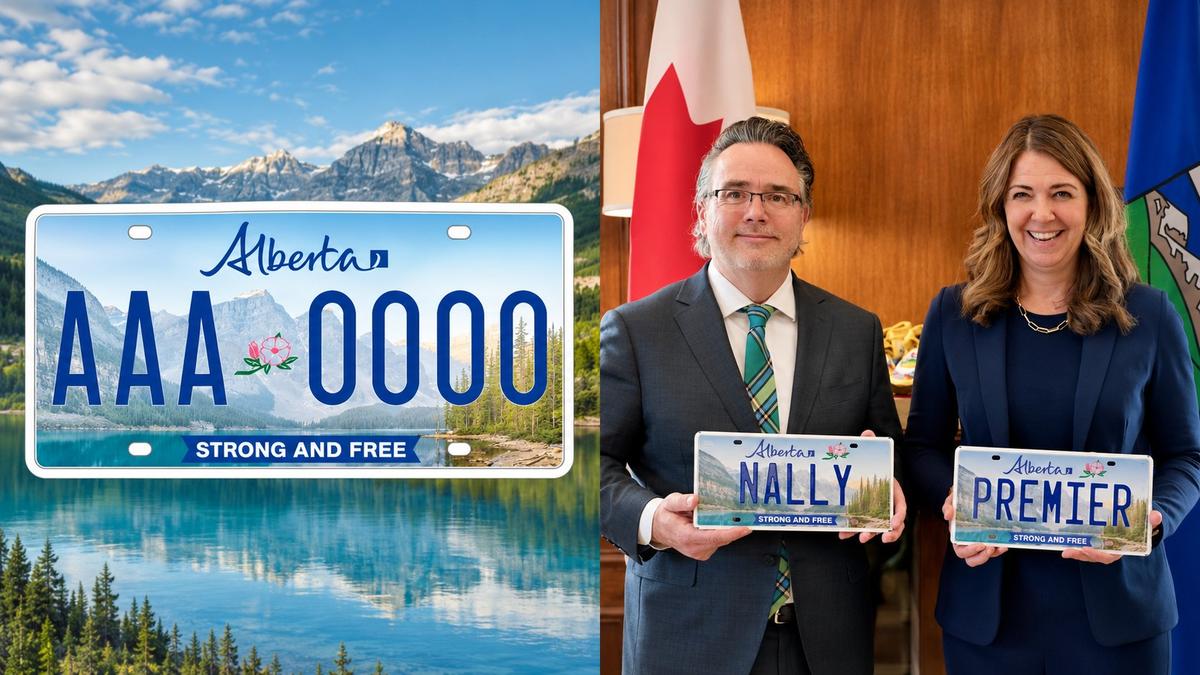
“These common-sense changes will help people facing genuine barriers,” Service Alberta Minister Dale Nally said in a statement. He blamed federal processing delays, saying Albertans waiting on Ottawa shouldn’t have to go without a licence.
What you get if you qualify
If you’re approved, you can renew your licence for up to five years. That can be shorter if your licence class or a medical condition limits it.
There’s a catch: your new card won’t have the CAN citizenship marker. It’s only added once you provide acceptable proof of citizenship. You can add it later, though a separate exchange may cost a fee.
Before you go: check for documents you already have
You might not need an exemption. Alberta accepts:
A Canadian passport, including one that expired less than a year ago
A Canadian citizenship e-certificate
A Canadian birth certificate
A Canadian citizenship certificate
A NEXUS or FAST card showing Canadian citizenship
For permanent residents, a valid permanent resident card
If your name has changed through marriage, divorce or a legal name change, bring the document that links the names: an original marriage certificate, divorce certificate or legal change of name certificate.
Still can’t get what you need? Call your registry first. Explain what’s missing, why, and what you can bring. A name mismatch on its own doesn’t guarantee an exemption.
If your licence has already expired
The exemptions cover licences that expired within the last six months. Driving on an expired licence is illegal, whatever your situation.
Expired more than six months: You’ll need proof of legal entitlement to be in Canada and proof that you live in Alberta, such as a utility bill or lease.
Expired more than three years: You’ll need to pass the written and road tests again.
There’s also a one-time 60-day grace period if you can’t provide proof of legal entitlement right away. You have to ask for it in person at a registry and pay the fee. You’ll get an interim licence or ID receipt while you gather your documents.
What it costs
Regular renewal fees apply, including for people using an exemption:
Five-year driver’s licence: $98.65 ($85 plus a registry service charge of up to $13.65)
Five-year ID card: $54.45 ($45 plus up to $9.45)
There’s no extra charge for the citizenship marker or health number during a regular renewal. Online licence renewal is temporarily disabled, so plan on going to a registry in person.
Why the new licence has been controversial
The government sold the three-in-one card as a way to make life easier.
“This is about red tape reduction, making life easier for Albertans,” Nally said when the bill was introduced last November. Smith has said the citizenship marker will make it simpler to apply for services like student aid and disability supports, and will help confirm who is entitled to benefits and to vote. Having your health number on your licence also means one less card to carry.
Not everyone was convinced.
Alberta’s information and privacy commissioner, Diane McLeod, warned in September 2025 that “citizenship can be sensitive information.” Because people use their licence to prove their age at bars and stores, she said, the province needed to justify putting citizenship on it. She also said her office hadn’t been consulted before the plan was announced.
NDP MLA Gurinder Brar called the change “completely unnecessary” and raised concerns it could lead to discrimination against people without the marker. Nally rejected that: “There’s no discrimination involved.”
Now the main complaint is practical. Albertans who have driven for decades are finding out at the registry counter that they can’t easily prove who they are. The exemptions are the province’s first major fix.

Your health card is expiring too
The new cards are replacing Alberta’s paper health cards, which now have expiry dates for the first time. We covered how to keep your health coverage and what changed when the new licence launched in July.






Comments